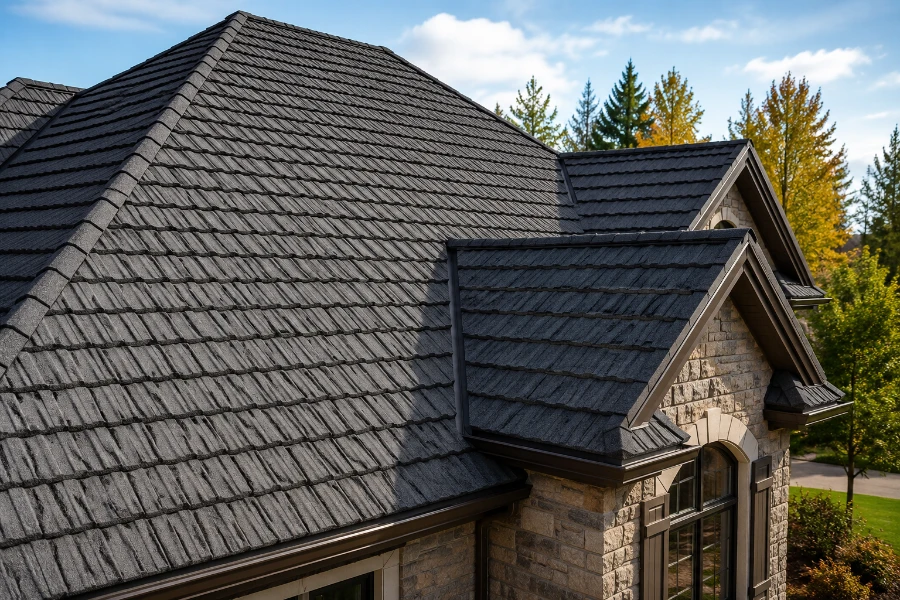
Lubbock Stone Coated Roofs
West Texas weather does not play nice with ordinary roofing. Between brutal summer heat, powerful windstorms, hail impacts, and blowing dust, homeowners in Lubbock often watch standard asphalt roofs age faster than expected. That is exactly why more property owners are searching for better long-term solutions like lubbock stone coated roofs. A roofing system that can handle harsh conditions without sacrificing curb appeal is no longer a luxury. For many homes and businesses, it is becoming the smart move.
Stone coated steel roofing delivers something most roofing systems struggle to balance: durability and style at the same time. It looks refined from the street. It performs aggressively during storms. And unlike many traditional roofing materials, it is built for decades instead of short replacement cycles.
For homeowners tired of repeated repairs, rising insurance concerns, and roofs that seem to wear out too quickly, this roofing category deserves serious attention.
Why Lubbock Homes Need Tougher Roofs
Lubbock is not an easy environment for roofing systems. The climate alone creates constant stress on roofing materials year after year.
Summer heat can become relentless. UV exposure breaks down weaker materials over time. Then come the wind events. Strong gusts can loosen shingles, expose nail lines, and create hidden water intrusion problems long before leaks become visible inside the home.
Hail is another major concern.
Texas consistently ranks among the highest states for hail-related insurance claims, and West Texas homeowners understand how destructive a single storm can become. Even moderate hail can shorten the lifespan of traditional shingles.
That constant cycle creates expensive long-term problems:
- Repeated repairs
- Higher maintenance costs
- Insurance disputes
- Premature roof replacements
- Reduced curb appeal
This is one reason lubbock stone coated roofs continue gaining popularity among homeowners who want something stronger and longer-lasting.
What Makes Stone Coated Steel Roofing Different
At first glance, many people assume stone coated steel roofing looks similar to standard metal roofing.
Not exactly.
Stone coated systems combine a steel core with a textured stone granule surface. The result is a roofing product that delivers the strength of steel while maintaining the visual appearance of traditional roofing materials like slate, tile, wood shake, or dimensional shingles.
The interlocking panel system also changes the way the roof performs during severe weather.
Instead of relying on individual shingles that can loosen or lift, the panels lock together into a more unified roofing surface. That extra stability matters in high-wind regions like West Texas.
Here is a quick breakdown of why these systems stand out:
| Feature | Stone Coated Steel Roofing |
|---|---|
| Expected Lifespan | Up to 70 Years |
| Wind Rating | Up to 120 MPH |
| Fire Rating | Class A |
| Weight | Lightweight |
| Hail Resistance | Class 4 Options Available |
| Maintenance Needs | Low |
The lightweight design is another huge advantage. Unlike heavy clay or concrete tile systems, stone coated steel does not usually require structural reinforcement.
That simplifies installation while reducing stress on the home itself.
Why Homeowners Are Choosing Lubbock Stone Coated Roofs
A roof replacement is a major investment. Nobody wants to repeat it every 15 to 20 years.
That is where the value conversation changes.
Better Hail Resistance
Hail damage creates massive costs across Texas every year. Traditional shingles often show bruising, cracking, or granule loss after storms. Sometimes the damage is obvious. Other times it hides beneath the surface and slowly shortens the roof’s lifespan.
Stone coated steel systems are designed to perform far better under impact conditions.
Many products offer Class 4 impact resistance ratings, which represent the highest hail resistance category available for roofing materials.
That extra protection can potentially reduce future repair needs and improve long-term roof durability.
Stronger Wind Protection
West Texas wind is not just annoying. It is destructive.
Standard shingles can lift at the edges during strong gusts. Once uplift begins, water intrusion often follows. The damage may stay hidden for months before interior signs appear.
Stone coated roofing systems use interlocking panels that help resist uplift during severe wind events. Some systems are rated for winds up to 120 mph.
That matters in Lubbock.
Long-Term Financial Value
The upfront investment is higher than asphalt roofing. There is no reason to pretend otherwise.
But long-term ownership tells a very different story.
Instead of replacing a roof multiple times over several decades, homeowners may install one roofing system designed to last far longer.
That can reduce:
- Future tear-off costs
- Repair expenses
- Maintenance calls
- Insurance claim headaches
- Long-term ownership costs
For many homeowners, lubbock stone coated roofs become more economical over time despite the higher initial price.
Roofing Styles That Match Almost Any Home
One of the biggest misconceptions about steel roofing is appearance.
People often picture industrial-looking panels or commercial metal roofs.
Stone coated steel is completely different.
Modern manufacturing allows these systems to mimic traditional roofing materials extremely well while still providing steel-core durability underneath.
Slate-Inspired Profiles
These systems create the upscale appearance of natural slate without the extreme weight associated with genuine stone roofing.
Perfect for:
- Luxury homes
- High-end remodels
- Executive properties
- Custom architecture
Shake-Style Roofing
Wood shake roofs look beautiful. They also create maintenance challenges and fire concerns.
Stone coated shake profiles replicate the texture and dimension of cedar shake while offering significantly better durability and fire performance.
Tile-Style Roofing
Mediterranean and Spanish-inspired homes often rely on tile aesthetics.
Stone coated steel delivers a similar visual style without the enormous weight and fragility of traditional clay tile systems.
Shingle-Style Profiles
Some homeowners simply want a more familiar residential appearance.
Stone coated shingle profiles maintain a classic look while upgrading the roof’s overall strength and longevity.
That flexibility helps explain why lubbock stone coated roofs work across so many property types and architectural styles.
Top Stone Coated Roofing Brands Available
Not all roofing systems are built the same. Brand quality matters.
Several manufacturers have established strong reputations within the stone coated steel industry.
Decra
Often considered one of the pioneers in the industry, Decra systems are known for long-term durability and broad style selection.
Many Texas homeowners choose Decra for its proven storm performance.
Tilcor
Engineered in New Zealand, Tilcor products are heavily focused on extreme weather resistance and hurricane-level wind testing.
Roser
Roser systems emphasize premium aesthetics while maintaining strong durability standards.
TEK
TEK products are popular for their advanced wind performance and insulated roofing system options.
Choosing the right brand depends on several factors:
- Budget
- Architectural style
- Wind exposure
- HOA requirements
- Insurance goals
- Desired appearance
An experienced installer can help narrow the best fit for the property.
Installation Methods Matter More Than Most Homeowners Realize
Roofing performance depends heavily on installation quality.
Even premium materials can fail if installed incorrectly.
Stone coated roofing systems generally use one of three installation methods.
Batten Installation
This method uses horizontal battens attached across the roof deck.
Advantages include:
- Better ventilation
- Improved thermal performance
- Enhanced airflow beneath panels
This is one of the more common residential installation methods.
Direct-to-Deck Installation
Panels fasten directly to the roof deck itself.
Benefits include:
- Lower installation cost
- Simpler tear-off process
- Faster installation timeline
Foam-Set Installation
This advanced system uses adhesive foam rather than mechanical fasteners in certain applications.
Advantages include:
- Exceptional wind uplift resistance
- Reduced roof penetrations
- High-performance coastal applications
The right installation method depends on roof pitch, climate exposure, and structural considerations.
Residential Applications Across Lubbock
Stone coated steel roofing is versatile enough for nearly every residential category.
Single-Family Homes
Many homeowners upgrade after repeated hail claims or aging asphalt roof problems.
Ranch Properties
West Texas ranch homes face constant exposure to wind, sun, and storms. Durability becomes especially important in rural environments.
Luxury Homes
Premium architectural styles pair extremely well with slate, shake, and tile-inspired profiles.
HOA Communities
Many HOA neighborhoods require attractive roofing materials with consistent visual standards. Stone coated steel often satisfies both appearance and performance expectations.
Older Homes
Because the material is lightweight, it can sometimes simplify reroofing projects on aging structures that may not support heavier materials.
Commercial Roofing Applications
Stone coated roofing is not limited to residential properties.
Commercial property owners increasingly explore these systems because of their long-term value and lower maintenance demands.
Common applications include:
- Apartment complexes
- Retail centers
- Restaurants
- Hotels
- Churches
- Medical offices
- Assisted living facilities
For sloped commercial roofing systems, stone coated steel can provide a more permanent long-term solution compared to repeated asphalt replacement cycles.
That matters for property managers trying to control lifetime maintenance budgets.
Comparing Stone Coated Roofing to Other Roofing Materials
Homeowners often compare several roofing categories before making a final decision.
Here is how stone coated steel stacks up.
| Roofing Type | Main Weakness | Stone Coated Advantage |
|—|—|
| Asphalt Shingles | Shorter lifespan | Much longer durability |
| Clay Tile | Heavy and fragile | Lightweight and impact-resistant |
| Concrete Tile | Crack risk | Better walkability |
| Standing Seam Metal | More industrial appearance | Wider style variety |
| Cedar Shake | Fire and rot concerns | Class A fire rating |
| Synthetic Roofing | UV degradation risk | Steel-core durability |
Each roofing system has strengths. But lubbock stone coated roofs continue attracting attention because they combine appearance, storm resistance, and lifespan into one package.
Signs It May Be Time to Replace Your Roof
Many homeowners wait too long before replacing a failing roof.
By the time interior leaks appear, hidden damage may already exist beneath the surface.
Watch for these warning signs:
Curling or Missing Shingles
Wind damage often begins gradually before becoming widespread.
Granule Loss
Excessive granules in gutters may indicate roof aging.
Repeated Leak Repairs
Constant patchwork repairs usually signal larger system failure.
Roof Age Over 15 Years
Texas weather accelerates roof wear faster than many homeowners expect.
Insurance Pressure
Some insurance carriers are becoming stricter about aging roofs, especially in hail-prone regions.
A proactive replacement strategy can often prevent larger problems later.
Why Local Roofing Experience Matters
Roofing is not one-size-fits-all.
A roofing system that performs well in another state may not perform the same way in West Texas.
Local knowledge matters because installers understand:
- Regional weather exposure
- Local building codes
- Wind concerns
- Common storm patterns
- Insurance claim trends
- HOA expectations
That experience helps homeowners avoid costly mistakes during product selection and installation.
The Roof Inspection Process
Most projects begin with a detailed inspection.
A professional evaluation typically includes:
Roof Surface Assessment
Inspectors evaluate visible storm damage, aging, flashing conditions, and ventilation concerns.
Structural Review
The roofing team checks the roof deck and support conditions before recommending installation methods.
Material Selection
Homeowners compare profiles, colors, brands, and system options.
Estimate Preparation
Detailed project pricing and timelines are outlined clearly.
Installation Scheduling
Once approved, materials and crew schedules are coordinated.
A properly planned roofing project runs smoother, finishes faster, and reduces surprises during installation.
Final Thoughts on Lubbock Stone Coated Roofs
Texas weather is demanding. Roofing systems either handle it well or fail early.
That reality is pushing more homeowners toward stronger, longer-lasting roofing solutions. And for many property owners, lubbock stone coated roofs deliver exactly the combination they want: durability, appearance, storm resistance, and long-term value.
The roof protects everything underneath it. That decision deserves careful consideration.
For homeowners tired of repeated repairs, hail damage stress, and short roofing lifespans, stone coated steel offers a compelling alternative built specifically for harsh Texas conditions.
FAQs
1. How long do stone coated steel roofs last?Most stone coated steel roofing systems are designed to last 50 to 70 years with proper installation and maintenance.
2. Are stone coated roofs good for hailstorms in Texas?Yes. Many stone coated systems carry Class 4 impact ratings, making them highly resistant to hail damage common in West Texas.
3. Do stone coated roofs look like regular metal roofs?No. Stone coated steel roofing is designed to resemble shingles, tile, slate, or wood shake rather than traditional exposed metal panels.
4. Are lubbock stone coated roofs noisy during rain?Not typically. The stone granule coating and roof assembly help reduce noise far better than many homeowners expect.
5. Can stone coated roofing help lower insurance costs?Some insurance providers may offer discounts for impact-resistant roofing systems, though savings vary by carrier and policy.
6. Is stone coated steel roofing heavier than asphalt shingles?Stone coated steel is lightweight compared to materials like clay or concrete tile and usually does not require structural reinforcement.
7. How well do stone coated roofs handle strong winds?Many systems are rated for winds up to 120 mph due to their interlocking panel design.
8. Are stone coated roofs energy efficient?Yes. Many systems help reflect heat and improve overall roof ventilation, which may help reduce cooling costs.
9. How much maintenance do stone coated roofs require?They generally require very little maintenance compared to asphalt, wood shake, or traditional tile roofing systems.
10. Can stone coated roofing be installed on commercial buildings?Absolutely. Stone coated steel works well on apartments, churches, retail buildings, restaurants, and many other commercial properties.