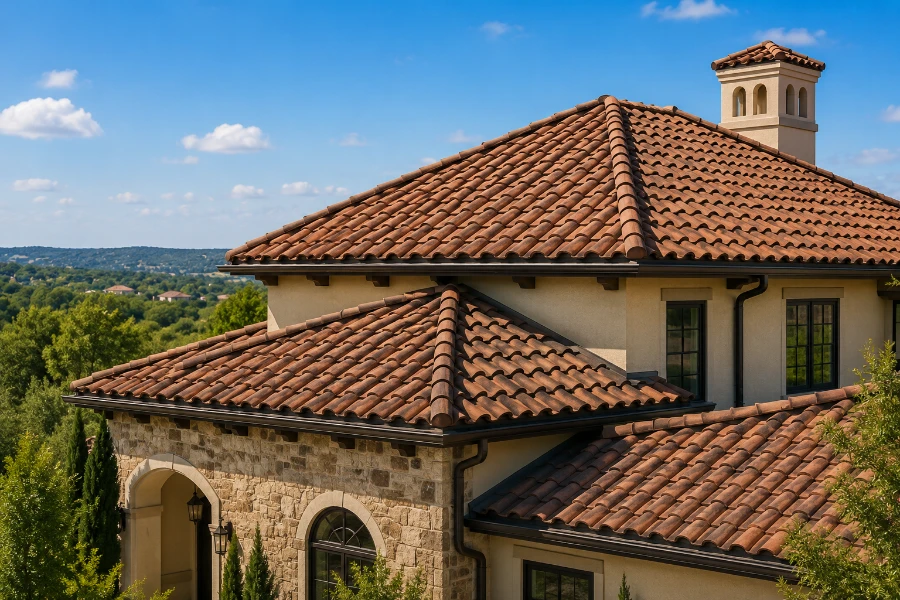
Austin Stone Coated Roofs
Storms in Central Texas are not getting gentler. Heat is relentless. Hail hits hard. Wind tears through neighborhoods fast. That is exactly why more property owners are searching for durable, long-term roofing systems like “austin stone coated roofs” instead of replacing asphalt shingles every decade or two.
And honestly, the shift makes sense.
Most homeowners in Austin are tired of temporary roofing solutions. They want something stronger. Something quieter during storms. Something that looks high-end without adding the extreme weight of clay tile or slate. Stone coated steel roofing checks every one of those boxes.
This is not the old-school exposed metal roofing many people picture immediately. Modern stone coated roofing combines the structural strength of steel with the visual appearance of shingles, shake, tile, or slate. It is engineered for severe weather while still looking refined enough for luxury neighborhoods, historic communities, and modern custom homes across Austin.
For homeowners planning long-term, the appeal becomes even clearer. One installation. Decades of protection. Lower maintenance. Better storm resistance. In many cases, lower insurance costs too.
That changes the conversation entirely.
Why Austin Roofs Fail Faster Than Many Homeowners Expect
Texas weather is brutal on roofing systems. Especially asphalt.
A roof in Austin experiences constant UV exposure, extreme summer temperatures, sudden storms, hail impact, and powerful wind gusts throughout the year. Those conditions accelerate aging faster than many homeowners realize.
A standard asphalt roof may technically carry a 25- or 30-year warranty. In real-world Texas conditions, many systems begin showing serious wear far earlier.
Common problems include:
- Granule loss
- Curling shingles
- Cracked seal strips
- Wind uplift
- Soft spots
- Premature leaks
- Heat-related deterioration
Once the roof weakens, storms start exposing vulnerabilities fast.
That is one reason demand for austin stone coated roofs continues growing across Central Texas communities.
Property owners want roofing systems designed specifically for harsh climates instead of systems that barely survive them.
What Makes Stone Coated Roofs Different?
Stone coated steel roofing combines multiple protective layers into one roofing system.
At the core is galvanized or galvalume steel. Over that steel sits a stone-coated finish designed to improve durability, appearance, and impact resistance. The panels interlock together rather than relying solely on adhesive sealing like traditional shingles.
That interlocking design matters more than most people think.
Instead of individual shingles lifting independently during storms, the roofing system functions as a connected structure engineered to resist wind uplift and weather intrusion.
The result is a roof built for performance.
But aesthetics matter too.
One of the biggest advantages of austin stone coated roofs is versatility. These systems can replicate the appearance of:
- Architectural shingles
- Wood shake
- Mediterranean tile
- Slate roofing
Without the maintenance headaches tied to those traditional materials.
Stone Coated Roof vs Traditional Roofing
| Feature | Stone Coated Steel | Asphalt Shingles |
|---|---|---|
| Typical Lifespan | Up to 70 years | 15–25 years |
| Hail Resistance | Class 4 | Usually Class 3 |
| Wind Resistance | Up to 120+ mph | Lower uplift resistance |
| Weight | Lightweight | Moderate |
| Fire Rating | Class A | Lower depending on material |
| Maintenance | Minimal | Moderate to high |
The long-term difference becomes obvious very quickly.
Why Austin Stone Coated Roofs Perform So Well in Texas
Texas roofing systems face constant punishment. Heat alone is enough to shorten the lifespan of traditional roofs dramatically.
Then storms arrive.
Austin homeowners regularly deal with:
- Hailstorms
- Straight-line winds
- Heavy rain
- UV degradation
- Sudden temperature swings
- Occasional tornado-related wind activity
That combination destroys weaker roofing materials over time.
Stone coated steel roofing was engineered specifically to withstand those kinds of conditions.
Hail Resistance Matters in Austin
Hail damage is one of the largest drivers of roof replacement claims in Texas.
And hail damage is not always obvious from the ground.
Bruising beneath asphalt shingles can weaken the roof long before leaks appear. Granule loss exposes underlying materials. Repeated storm exposure accelerates deterioration even further.
This is where austin stone coated roofs separate themselves from standard roofing systems.
Many stone coated products achieve a Class 4 impact rating, the highest residential hail resistance classification available. That means significantly improved protection against severe hail events.
For homeowners, that can mean:
- Fewer repairs
- Reduced storm-related deterioration
- Better long-term durability
- Potential insurance discounts
And peace of mind matters after major storms.
Wind Resistance Designed for Texas
Austin storms often bring powerful wind gusts capable of lifting shingles and exposing roof decking.
Once uplift begins, leaks typically follow.
Stone coated roofing systems use interlocking panel designs that create stronger wind resistance than many traditional roofing materials. Some systems are rated for winds exceeding 120 mph.
That added structural stability becomes incredibly valuable during severe weather seasons.
The Energy Efficiency Advantage
Summer heat in Austin is relentless.
Roof temperatures climb aggressively during peak sunlight hours, which increases attic temperatures and forces HVAC systems to work harder. Energy bills rise quickly.
Many homeowners researching austin stone coated roofs are also looking for ways to improve thermal performance.
Stone coated roofing helps in several ways.
First, reflective coatings reduce solar heat absorption compared to many dark asphalt surfaces. Second, certain installation methods create ventilation space beneath the roofing panels, improving airflow and reducing trapped heat.
The difference can noticeably improve indoor comfort levels.
Especially during July and August.
Ventilation Makes a Bigger Difference Than Most Realize
Proper roof ventilation is not just about comfort. It also impacts:
- Roof longevity
- Moisture control
- Energy efficiency
- Attic temperature regulation
Batten installation systems commonly used with stone coated roofing create an air gap beneath the panels that improves ventilation performance naturally.
That airflow helps roofs handle Texas heat more effectively over time.
Residential Austin Stone Coated Roofing Services
Homeowners choose stone coated roofing for different reasons.
Some are replacing storm-damaged roofs. Others are building luxury custom homes. Some simply want to stop replacing asphalt shingles repeatedly.
The flexibility of these systems makes them suitable across many residential applications.
Roof Replacement Projects
Many Austin homeowners upgrade to stone coated roofing after repeated storm damage claims.
That transition often happens after:
- Major hailstorms
- Insurance non-renewal notices
- Aging roof failures
- Recurring leak problems
- Wind damage events
Instead of reinstalling another asphalt roof with limited lifespan expectations, many homeowners decide to invest in a permanent roofing solution.
And from a long-term financial perspective, that decision often makes sense.
New Construction Homes
Luxury and custom homes increasingly use austin stone coated roofs because they provide premium aesthetics without excessive structural weight.
That matters with tile-style appearances especially.
Traditional clay tile systems are extremely heavy and may require additional structural support. Stone coated steel replicates the look while remaining dramatically lighter.
The result?
A cleaner installation process with fewer structural complications.
Commercial Stone Coated Roofing in Austin
Stone coated roofing is not limited to residential properties.
Commercial buildings across Austin increasingly use these systems for mansard roofs, sloped roofing applications, and long-term asset protection.
Popular commercial applications include:
- Multifamily housing
- Hotels
- Restaurants
- Strip retail centers
- Churches
- Medical offices
- Senior living facilities
The long lifespan becomes a major financial advantage for commercial owners.
Replacing large roofing systems repeatedly becomes expensive fast. A durable roofing solution with reduced maintenance requirements helps stabilize long-term operational costs.
That is especially valuable for multi-property ownership groups.
Popular Stone Coated Roofing Styles
One reason austin stone coated roofs continue gaining popularity is appearance flexibility.
Not every homeowner wants the same architectural style.
Stone coated roofing offers multiple profile options while maintaining the same underlying strength and weather performance.
Shake Style
Wood shake profiles deliver a textured, dimensional appearance without the fire risk or rot concerns tied to real cedar.
Tile Style
Mediterranean-inspired tile profiles remain extremely popular across higher-end Texas neighborhoods.
Stone coated tile offers the same visual appeal without the heavy structural load.
Slate Style
Slate-inspired systems create a luxury appearance while avoiding the brittleness and extreme weight associated with natural slate.
Shingle Style
Some homeowners simply want a more refined version of traditional shingles with far better durability.
Stone coated shingle profiles accomplish exactly that.
Installation Methods Matter
Not every roofing contractor installs stone coated roofing correctly.
That matters.
These systems require precise installation techniques to achieve their intended performance ratings. Fastening patterns, ventilation design, flashing integration, and panel alignment all play major roles in long-term success.
Common Installation Methods
| Installation Type | Key Benefit | Common Use |
|---|---|---|
| Batten System | Better ventilation | Residential homes |
| Direct-to-Deck | Lower installation cost | Simpler projects |
| Foam-Set System | Superior uplift resistance | High-wind regions |
Each building requires different considerations.
An experienced contractor evaluates roof pitch, structural design, climate exposure, ventilation requirements, and local code compliance before selecting the proper installation system.
Comparing Stone Coated Roofs to Other Materials
Austin homeowners often compare multiple premium roofing options before making a decision.
That is smart.
Roofing is a major investment. Understanding the trade-offs matters.
Stone Coated Roofs vs Asphalt
Asphalt remains cheaper upfront.
But lifespan, storm resistance, maintenance frequency, and replacement cycles often favor stone coated steel dramatically over time.
Stone Coated Roofs vs Clay Tile
Clay tile looks beautiful but carries major weight. Tile can also crack during hailstorms or foot traffic.
Stone coated roofing delivers a similar appearance with improved impact resistance and lower structural stress.
Stone Coated Roofs vs Standing Seam Metal
Standing seam roofing performs extremely well but has a distinctly modern appearance many homeowners do not prefer.
Stone coated roofing offers more architectural flexibility while reducing the “industrial metal roof” appearance.
Signs Your Roof May Need Replacement
Many homeowners wait too long before evaluating roofing issues seriously.
That delay often increases repair costs.
Warning signs include:
- Missing shingles
- Roof leaks
- Ceiling stains
- Granule buildup in gutters
- Curling shingle edges
- Visible hail damage
- Daylight visible in attic spaces
- Frequent repairs after storms
If a roof in Austin is approaching 15–20 years old, a professional inspection becomes increasingly important.
Especially after severe weather events.
Insurance Advantages of Austin Stone Coated Roofs
Insurance concerns are changing roofing conversations across Texas.
Many carriers now scrutinize aging roofs more aggressively due to rising claim volumes from hail and wind events. Some homeowners experience premium increases or non-renewal notices because of roof condition concerns.
This is another reason homeowners explore austin stone coated roofs.
Impact-resistant roofing systems may qualify for insurance discounts depending on the carrier and product classification. More importantly, durable roofing systems can reduce future storm-related claims.
That matters financially over the long term.
Very few homeowners enjoy navigating repeated insurance claims every few years.
Choosing the Right Stone Coated Roofing Contractor in Austin
The material itself is only part of the equation.
Installation quality matters just as much.
Homeowners should look for contractors with:
- Stone coated roofing experience
- Manufacturer certifications
- Knowledge of Austin building codes
- Storm restoration expertise
- Proper ventilation understanding
- Detailed inspection processes
A quality contractor also understands local HOA considerations, architectural standards, and regional weather exposure patterns.
That local knowledge helps avoid expensive mistakes.
Why More Austin Homeowners Are Making the Switch
The roofing industry in Texas is evolving.
Homeowners increasingly think beyond short-term replacement costs and focus more on durability, performance, and lifecycle value. That shift is driving the growth of premium roofing systems across Austin neighborhoods.
And honestly, once people understand how austin stone coated roofs perform, the appeal becomes hard to ignore.
You get:
- Long-term durability
- Strong hail resistance
- Wind protection
- Energy efficiency
- Premium curb appeal
- Lower maintenance
- Lightweight structural performance
- Potential insurance advantages
All in one roofing system.
For homeowners planning to stay in their property long-term, the value proposition becomes incredibly compelling.
One roof. Decades of protection. Far fewer headaches.
That is a completely different ownership experience compared to constantly worrying about the next hailstorm rolling through Central Texas.
Reference roofing system data and product positioning sourced from attached material.
FAQs
How long do austin stone coated roofs typically last?Most stone coated steel roofs can last 50 to 70 years with proper installation and minimal maintenance.
Do stone coated roofs look like regular metal roofs?No. They are designed to mimic shingles, tile, slate, or wood shake while still delivering steel roof durability.
Are austin stone coated roofs noisy during rain?Not typically. The stone coating helps reduce rain noise significantly compared to traditional exposed metal roofing.
Can stone coated roofing help lower insurance costs?Some insurance carriers offer discounts for impact-resistant roofing systems, depending on the product and policy.
How much maintenance does a stone coated roof require?Very little. Most homeowners only need periodic inspections and basic debris removal to keep the roof performing well.
Are stone coated roofs heavier than asphalt shingles?They are lightweight compared to clay tile or concrete roofing and usually do not require structural reinforcement.
Can stone coated roofing be installed on commercial buildings?Yes. These systems are commonly installed on apartments, retail centers, hotels, churches, and other commercial properties.
What styles are available for stone coated roofing?Popular styles include shake, tile, slate, and dimensional shingle profiles to match different architectural designs.
Why are more homeowners choosing austin stone coated roofs?Homeowners want longer-lasting roofs with better hail resistance, wind protection, energy efficiency, and lower long-term maintenance.