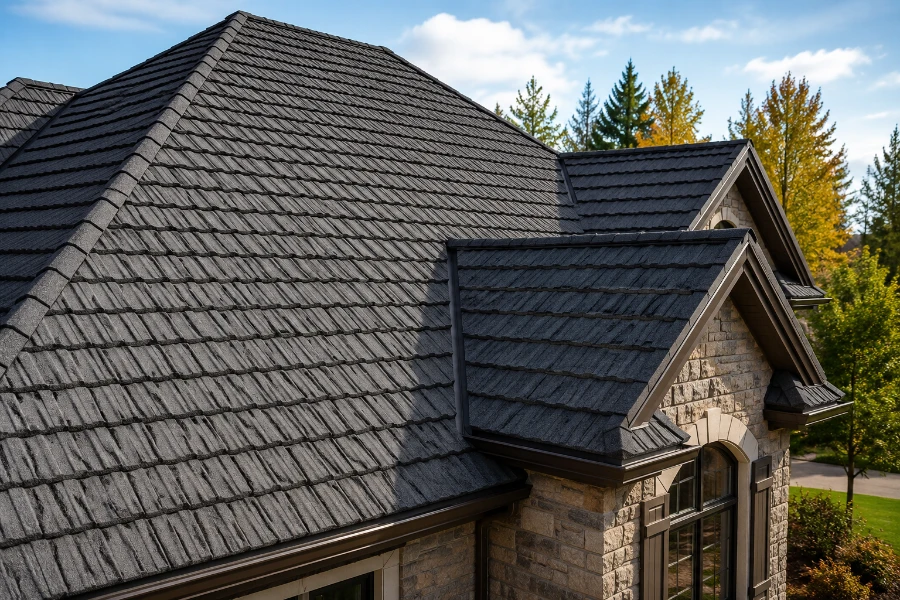
San Antonio Stone Coated Roofs
Texas weather pushes roofing systems hard. One month brings intense heat. The next delivers hail, wind, and heavy rain. That is exactly why more homeowners are investing in San Antonio stone coated roofs instead of relying on traditional shingles that may wear down faster under constant weather exposure.
A roof should do more than simply cover a home.
It should protect property value. Improve efficiency. Reduce long-term maintenance headaches. And frankly, it should still look great years from now.
That combination of durability and appearance is what makes stone coated roofing stand out in the San Antonio market. Homeowners want roofing systems capable of handling harsh weather without sacrificing curb appeal. They also want solutions that last longer and require fewer repairs over time.
That matters here.
Because roofing in Texas is not a small decision.
Why Stone Coated Roofs Are Popular in San Antonio
Homeowners in San Antonio deal with demanding roofing conditions nearly year-round. Roof systems constantly expand, contract, absorb UV rays, and face sudden storm impacts.
Traditional roofing materials often struggle under that pressure.
Stone coated roofing systems are engineered differently.
They combine the strength of steel with protective stone granules to create a roofing product designed for long-term performance in climates like South Texas.
San Antonio Weather Creates Roofing Challenges
A roof in San Antonio must withstand:
- Extreme summer heat
- Intense UV exposure
- Hailstorms
- Heavy rainfall
- Strong wind gusts
- Sudden temperature shifts
Those conditions gradually wear down conventional shingles.
Curling. Cracking. Granule loss. Leaks.
Many homeowners become trapped in repeated repair cycles that slowly add up financially. That is one major reason why San Antonio stone coated roofs continue gaining attention among property owners looking for a longer-lasting option.
What Is a Stone Coated Roof?
Stone coated roofing combines metal roofing strength with the visual appeal of traditional roofing styles.
The system typically includes:
| Component | Purpose |
|---|---|
| Steel Core | Structural durability |
| Protective Coating | Corrosion resistance |
| Stone Granules | Texture and UV protection |
| Acrylic Binder | Helps secure granules |
| Interlocking Panels | Wind and weather resistance |
The final result feels premium without looking industrial.
That distinction matters.
Some homeowners hesitate when they hear “metal roof” because they picture commercial panels or agricultural structures. Stone coated roofing looks entirely different. It can resemble tile, shake, or architectural shingles while delivering stronger protection underneath.
Types of Stone Coated Roofing Styles
Not every home has the same architectural personality.
That is why stone coated roofing systems come in multiple profiles.
Stone Coated Shake
This option mimics traditional cedar shake roofing but avoids many of the maintenance issues associated with natural wood.
Benefits include:
- Rustic appearance
- Strong wind resistance
- Reduced maintenance
- Long-term durability
It works especially well for custom homes and upscale residential properties.
Stone Coated Tile
Spanish and Mediterranean-inspired homes are common throughout San Antonio neighborhoods.
Stone coated tile roofing complements those architectural styles beautifully while remaining much lighter than traditional clay tile systems.
That reduced weight helps minimize structural strain on the home.
Stone Coated Shingle
Some homeowners want a more traditional appearance.
Stone coated shingle profiles provide familiar aesthetics with significantly upgraded durability compared to standard asphalt systems.
This option blends seamlessly into many residential communities while still delivering the benefits associated with San Antonio stone coated roofs.
Why Homeowners Are Switching to Stone Coated Roofs
Roof replacements are expensive.
Nobody wants to repeat the process sooner than necessary.
That alone pushes many property owners toward longer-lasting materials.
Exceptional Durability
Stone coated roofs are designed to handle severe weather conditions more effectively than many standard roofing systems.
Key performance advantages include:
- High wind resistance
- Better hail protection
- Fire resistance
- Reduced cracking and splitting
- Stronger structural performance
Texas storms are unpredictable.
A stronger roof creates peace of mind.
Longer Lifespan
Many traditional asphalt roofs may require replacement far sooner depending on weather exposure, installation quality, and maintenance history.
Stone coated systems are often designed for decades of performance.
That longevity changes the long-term financial equation dramatically.
Instead of repeatedly budgeting for repairs, homeowners can focus on maintaining a more stable roofing system.
Lower Maintenance Requirements
Maintenance matters more than people realize.
Frequent repairs create ongoing stress and unexpected costs.
Stone coated roofing systems generally require less upkeep because the materials resist:
- Rot
- Insect damage
- Warping
- Severe UV deterioration
- Moisture-related wear
That durability becomes especially valuable in South Texas climates.
Energy Efficiency Benefits
San Antonio summers are relentless.
Cooling costs climb quickly when roofing systems absorb and trap excessive heat.
Stone coated roofing may help improve energy performance through reflective properties and ventilation-friendly installation systems.
That means:
- Reduced attic heat buildup
- Improved indoor comfort
- Potential energy savings
- Less HVAC strain
Those benefits become noticeable during long summer heat waves.
Especially in older homes with aging roofing materials.
Lightweight But Strong
Traditional tile roofing looks beautiful.
But it is extremely heavy.
Some homes require additional structural reinforcement before installation.
Stone coated roofing offers a similar upscale appearance without placing excessive weight on the structure.
That creates several advantages:
| Roofing Material | Relative Weight |
|---|---|
| Clay Tile | Very Heavy |
| Concrete Tile | Heavy |
| Asphalt Shingles | Moderate |
| Stone Coated Steel | Lightweight |
Lightweight roofing can simplify installation while still delivering impressive protection.
Signs It May Be Time for a Roof Replacement
Many homeowners wait too long before replacing aging roofing systems.
Small problems slowly become major issues.
Watch for these warning signs:
Recurring Roof Leaks
One leak may be repairable.
Multiple leaks across different areas often indicate broader roofing deterioration.
Missing or Damaged Shingles
Wind and hail can loosen roofing materials over time.
That exposure creates vulnerable areas where moisture may enter the structure.
Sagging Areas
A sagging roofline should never be ignored.
It may indicate moisture intrusion or structural problems beneath the surface.
Granule Loss
Excessive granule buildup inside gutters often signals advanced shingle wear.
That protective surface layer matters more than many homeowners realize.
Aging Roofing Materials
Even well-maintained roofs eventually reach the end of their lifespan.
At that stage, replacement often becomes more cost-effective than ongoing repairs.
That is frequently when homeowners begin exploring San Antonio stone coated roofs as a longer-term investment.
The Stone Coated Roof Installation Process
A successful roof replacement depends heavily on installation quality.
Even premium materials can fail when installed improperly.
Step 1: Roof Inspection
Professional roof inspections evaluate:
- Existing roof condition
- Structural integrity
- Ventilation
- Moisture damage
- Storm-related issues
This step helps determine the best installation approach.
Step 2: Material Selection
Homeowners choose:
- Roofing profile
- Color options
- Trim details
- Ventilation components
Appearance matters.
But performance matters even more.
A good contractor balances both.
Step 3: Roof Preparation
Preparation may involve:
- Removing old roofing materials
- Repairing damaged decking
- Installing updated underlayment systems
Skipping preparation shortcuts creates future problems.
Good roofing companies understand that.
Step 4: Panel Installation
Stone coated panels interlock together to improve durability and weather resistance.
This system helps strengthen protection against:
- Wind uplift
- Water intrusion
- Storm exposure
Step 5: Final Inspection
Final walkthroughs ensure:
- Proper installation
- Secure fastening
- Clean workmanship
- Ventilation performance
- Site cleanup
Details matter.
Especially with roofing.
Comparing Stone Coated Roofing to Other Roofing Materials
Homeowners often compare multiple roofing systems before making a final decision.
Here is how stone coated roofing generally compares.
| Feature | Asphalt Shingles | Clay Tile | Stone Coated Roofing |
|---|---|---|---|
| Lifespan | Moderate | Long | Long |
| Weight | Moderate | Heavy | Lightweight |
| Wind Resistance | Moderate | Moderate | Strong |
| Maintenance | Higher | Moderate | Lower |
| Energy Efficiency | Moderate | Moderate | Strong |
| Appearance | Standard | Premium | Premium |
This combination of durability and aesthetics explains why San Antonio stone coated roofs continue growing in popularity throughout residential neighborhoods.
Why Curb Appeal Matters
A roof occupies a massive portion of a home’s exterior appearance.
Old, faded, or damaged roofing affects the entire property visually.
Stone coated systems provide:
- Rich textures
- Multiple color choices
- Architectural depth
- Upscale appearance
That improvement often enhances resale value as well.
Potential buyers notice roofing immediately.
Especially in competitive housing markets.
Roof Insurance and Storm Damage
Texas storms generate roofing claims constantly.
Unfortunately, insurance processes are not always simple.
Homeowners dealing with storm damage should:
- Document visible damage immediately
- Take photographs
- Schedule professional inspections
- Review policy coverage carefully
- Avoid delaying repairs
Professional roofing inspections can identify issues homeowners may overlook from ground level.
That documentation becomes valuable during insurance discussions.
Choosing the Right Roofing Contractor
Not every contractor specializes in stone coated systems.
That distinction matters.
Installation quality directly affects long-term roof performance.
When evaluating roofing companies, homeowners should look for:
Experience With Stone Coated Systems
Stone coated roofing requires specific installation expertise.
Ask about previous projects and installation history.
Detailed Inspections
Quality contractors provide thorough roof evaluations rather than rushed estimates.
Clear Communication
Roofing projects involve major financial decisions.
Homeowners deserve transparency regarding:
- Pricing
- Timelines
- Materials
- Warranty information
Local Knowledge
Contractors familiar with San Antonio weather patterns understand the unique demands local roofs face.
That local experience matters more than many people realize.
Areas Served Around San Antonio
Stone coated roofing services are commonly available throughout the greater San Antonio region, including:
- Alamo Heights
- Helotes
- Boerne
- Schertz
- Converse
- Leon Valley
- New Braunfels
- Nearby surrounding communities
Different neighborhoods feature different architectural styles, and stone coated roofing systems offer enough versatility to complement a wide range of residential designs.
Long-Term Value Matters
The cheapest roof rarely becomes the most affordable roof long-term.
That is the truth.
Lower-cost roofing systems may create repeated repair expenses, shorter replacement cycles, and greater maintenance demands over time.
Stone coated roofing often shifts the focus toward durability and longevity instead.
That approach appeals strongly to homeowners planning to stay in their homes for years.
Especially those tired of storm-related roofing concerns.
Why More Homeowners Are Choosing San Antonio Stone Coated Roofs
The market continues shifting toward stronger roofing systems.
And it makes sense.
Homeowners want roofs that can:
- Handle Texas weather
- Improve energy efficiency
- Reduce long-term maintenance
- Deliver stronger curb appeal
- Last significantly longer
That combination explains why San Antonio stone coated roofs are becoming an increasingly attractive option across the region.
Not every roof replacement should focus only on upfront cost.
Sometimes the smarter investment is the one that performs better for decades.
Final Thoughts
Roofing decisions affect comfort, property value, maintenance costs, and long-term protection. Few exterior systems impact a home more directly.
That is why many homeowners are moving beyond standard shingles and exploring stronger alternatives like San Antonio stone coated roofs.
The benefits are substantial.
Durability. Longevity. Energy efficiency. Premium appearance. Better weather resistance.
All of it matters in South Texas.
A properly installed stone coated roofing system can help homeowners feel more confident during storm season while also improving the overall appearance and performance of the property.
And honestly?
That combination is hard to ignore.
FAQs
1. How long do stone coated roofs last?Stone coated roofs can last several decades when properly installed and maintained. Their steel construction helps improve long-term durability.
2. Are stone coated roofs good for Texas weather?Yes. Stone coated roofing performs well against heat, wind, heavy rain, and hail commonly experienced in Texas.
3. Can stone coated roofs handle hail damage?They are designed to provide strong impact resistance compared to many traditional roofing materials, making them popular in storm-prone areas.
4. Are stone coated roofs noisy during rainstorms?Not usually. Proper underlayment and attic insulation help reduce noise levels significantly during rain.
5. Do stone coated roofs improve energy efficiency?Yes. Many stone coated systems help reflect heat and reduce attic temperature buildup during hot summers.
6. Are stone coated roofs heavier than shingles?No. They are generally lightweight compared to clay or concrete tile roofing systems.
7. Can stone coated roofing increase home value?A durable and visually appealing roof may improve curb appeal and make a property more attractive to buyers.
8. How much maintenance does a stone coated roof require?Maintenance needs are generally low. Occasional inspections and debris removal are usually recommended.
9. Can stone coated roofs be installed over existing shingles?In some cases, yes. A professional roof inspection is necessary to determine whether the structure and existing roof qualify.
10. Why are San Antonio stone coated roofs becoming more popular?Homeowners are looking for stronger roofing systems that offer durability, weather resistance, energy efficiency, and long-term value.