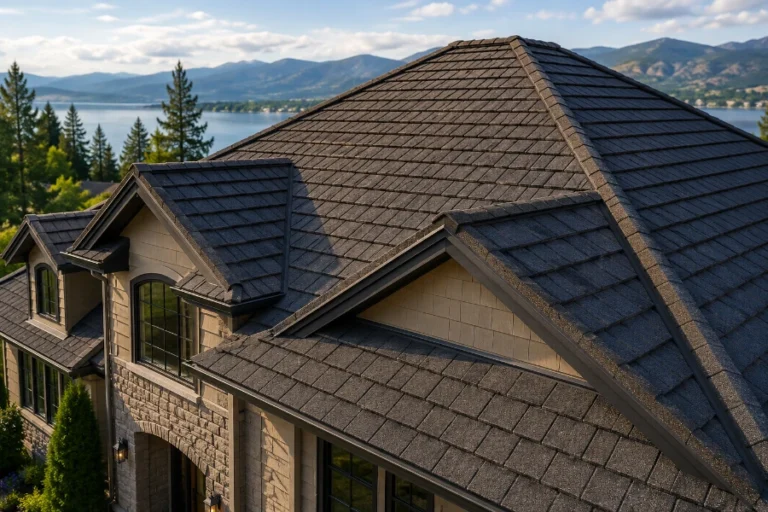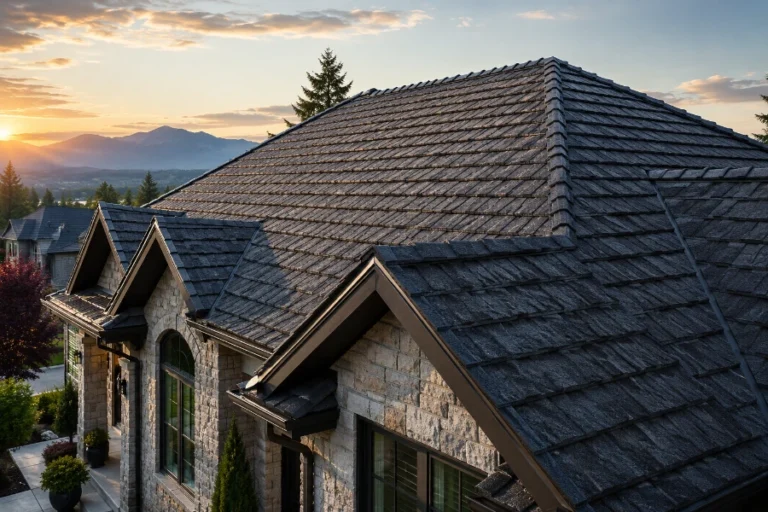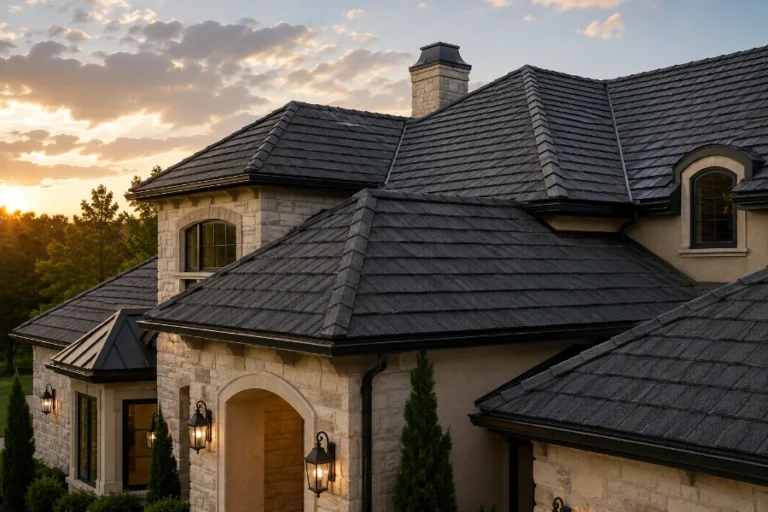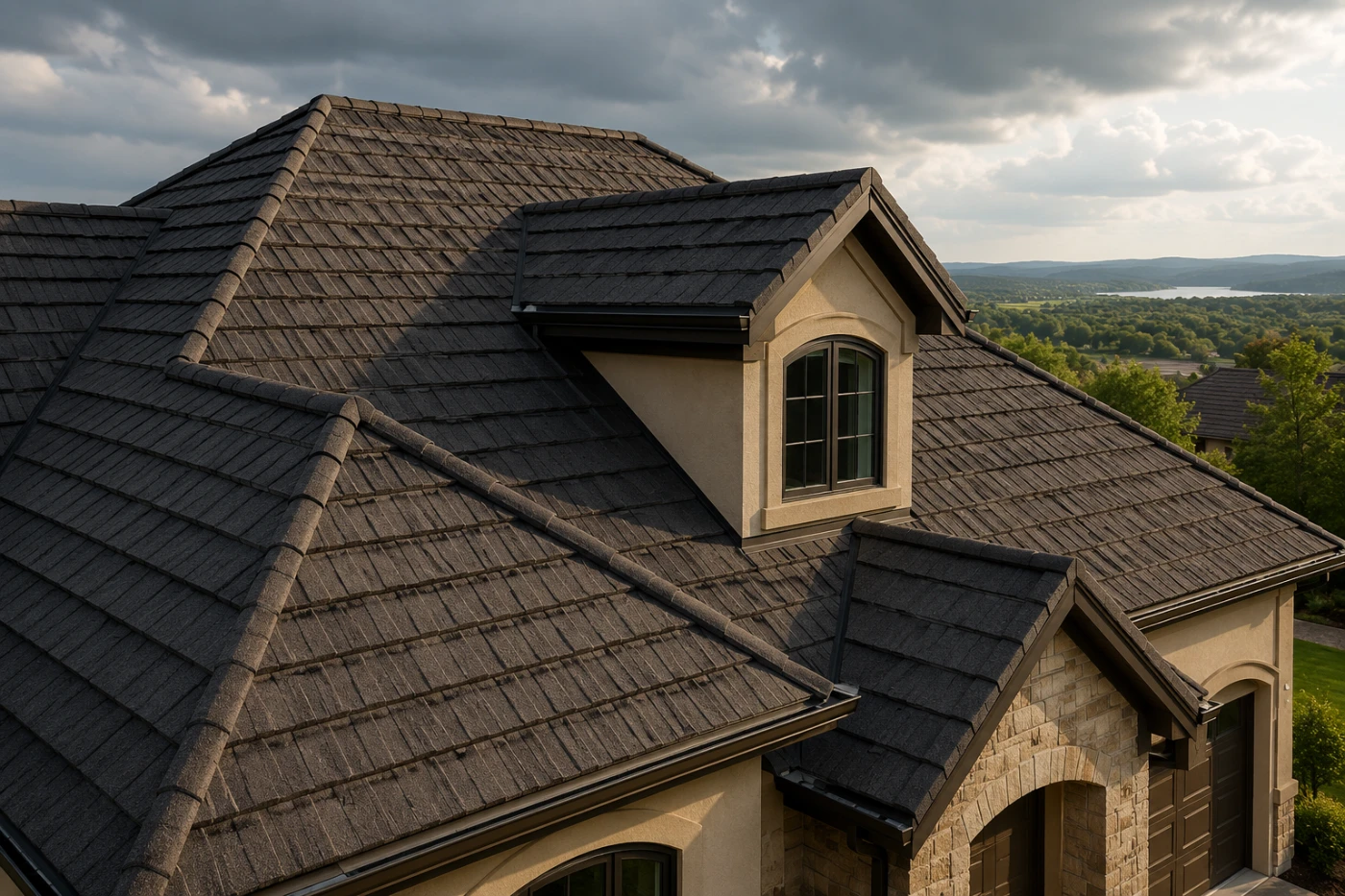
When homeowners start researching premium roofing systems, one name appears almost immediately: Decra. That is not an accident. A proper Decra stone-coated metal roofing review usually reveals the same thing over and over again — this is one of the most durable and visually versatile roofing systems available today.
And honestly? After looking at countless roofing materials over the years, I understand why Decra continues to dominate conversations around long-term roofing.
Most roofs are temporary solutions. Decra is designed more like a permanent building component.
That changes the conversation entirely.
Instead of asking, “How cheap can I replace my roof?” homeowners begin asking smarter questions:
How long will it last?
How well will it survive hail?
Will it help with insurance costs?
Will it still look good twenty years from now?
Those questions matter, especially in states where storms, heat, wind, and insurance issues constantly punish traditional shingles.
This article breaks down the real-world performance of Decra roofing systems. Not the marketing version. The practical version homeowners actually care about.
What Is Decra Stone-Coated Metal Roofing?
Decra is a stone-coated steel roofing system that combines metal durability with the appearance of traditional roofing materials.
At its core, the product uses steel panels. Those panels receive protective metallic coatings, followed by textured stone granules that create the finished appearance homeowners see from the street.
The result is interesting.
You get the structural strength of steel without the industrial look many people dislike about traditional exposed metal roofs.
That is one reason Decra remains so popular in residential neighborhoods and HOA-controlled communities.
The History Behind Decra
Decra is not new. In fact, it helped pioneer the stone-coated steel roofing category decades ago.
The company introduced its systems in the 1950s and built a reputation around long-term durability in harsh climates. Over time, the brand expanded globally and became especially respected in areas exposed to hurricanes, hail, salt air, and high heat.
Longevity matters in roofing.
A manufacturer surviving this long usually means the product has consistently performed in the field.
How Decra Roofing Is Made
A Decra roofing panel typically includes:
- Steel core
- Galvalume protective coating
- Acrylic bonding layer
- Stone granule surface
- Clear overglaze finish
That layered construction is designed to fight several common roofing problems simultaneously:
- Rust
- UV damage
- Wind uplift
- Impact damage
- Surface fading
The interlocking installation system also helps prevent panel movement during severe weather.
That becomes extremely important during high-wind events.
How It Differs From Traditional Metal Roofing
Many homeowners picture standing seam roofs when they hear “metal roofing.”
Decra is different.
Instead of long exposed metal panels, stone-coated steel uses textured stamped panels that mimic:
- Architectural shingles
- Wood shake
- Clay tile
- Slate roofing
That creates a much softer residential appearance.
It also changes acoustics. Properly installed Decra roofs are surprisingly quiet during rainstorms because the stone coating helps dampen sound.
Decra Roofing Profiles and Style Options
One of Decra’s biggest strengths is flexibility.
Some roofing systems perform well but limit design options. Decra manages to offer both durability and aesthetics.
Decra Shingle XD
This profile resembles dimensional asphalt shingles.
It works well for:
- Suburban homes
- Traditional architecture
- HOA neighborhoods
- Modern farmhouse styles
For homeowners transitioning away from asphalt, this is often the easiest upgrade visually.
Decra Shake XD
This profile mimics cedar shake roofing.
The texture looks impressive from the street. But unlike real wood shake, it does not create major fire risks or constant maintenance headaches.
That matters in dry climates and wildfire-prone areas.
Decra Tile and Villa Tile
These profiles target homeowners who love Mediterranean or Spanish-style homes.
Traditional clay tile looks beautiful. Unfortunately, it is extremely heavy and brittle.
Decra tile systems offer a similar appearance at a fraction of the weight.
That reduces structural concerns significantly.
Decra Roofing Durability Review
This is where the real value conversation begins.
A roof can look incredible. But if it fails after every major storm, appearance becomes irrelevant very quickly.
A proper Decra stone-coated metal roofing review has to focus heavily on durability because that is the product’s biggest selling point.
Hail Resistance
Hail destroys millions of asphalt roofs every year.
Stone-coated steel performs very differently.
Many Decra systems carry Class 4 impact ratings, which represent the highest commonly available residential impact classification.
That does not mean the roof becomes indestructible. Nothing is.
But it dramatically improves resistance against:
- Granule loss
- Shingle bruising
- Cracking
- Punctures
In hail-prone states, this can significantly reduce long-term repair frequency.
Wind Resistance
Wind damage is another major issue with traditional shingles.
Once shingles begin lifting, entire roofing systems can unravel surprisingly fast.
Decra panels interlock tightly across the roof deck, creating far stronger wind performance than many standard asphalt systems.
Some Decra systems are rated for winds exceeding 120 mph.
That is serious performance.
Fire Resistance
Decra roofing systems typically carry Class A fire ratings.
That is the highest fire-resistance classification available for roofing materials.
Steel simply does not burn the way wood or petroleum-based roofing products can.
For some homeowners, that peace of mind alone justifies the upgrade.
Corrosion Protection
People often worry about metal roofs rusting.
That concern usually comes from older exposed metal systems.
Modern Decra products use corrosion-resistant coatings designed specifically for long-term moisture exposure.
Proper installation still matters enormously. But when installed correctly, rust problems are uncommon.
Expected Lifespan
This is where the numbers become difficult to ignore.
| Roofing Material | Typical Lifespan |
|---|---|
| Asphalt shingles | 15–25 years |
| Wood shake | 20–30 years |
| Clay tile | 40–60 years |
| Decra stone-coated steel | 40–70+ years |
That changes the financial equation completely.
Some homeowners may replace asphalt roofs three times during the lifespan of one properly installed Decra roof.
Energy Efficiency and Environmental Benefits
Roofing affects more than weather protection.
It also impacts heat transfer and long-term energy use.
Heat Reflection
Decra roofing systems reflect solar heat more effectively than many darker asphalt surfaces.
That can help reduce attic heat buildup during extreme summer temperatures.
In hot regions, even small cooling improvements matter.
Lightweight Structure
Traditional tile roofing can place enormous stress on a home.
Stone-coated steel avoids that problem.
Most Decra systems weigh dramatically less than concrete or clay tile while still providing similar aesthetics.
That opens design possibilities for homes that otherwise could not support heavy roofing materials.
Sustainability
This part often gets overlooked.
Asphalt shingles generate enormous landfill waste because replacement cycles happen so frequently.
Steel roofing systems are far more recyclable and last substantially longer.
Longer lifespan usually means lower environmental impact over time.
How Decra Performs in Texas Weather
Texas is brutal on roofing systems.
Heat. Hail. Hurricanes. Wind. UV exposure. Sudden temperature swings.
Roofing materials fail quickly there if they are poorly designed.
That is one reason the demand for stone-coated steel continues growing.
Hailstorms
Texas homeowners know hail season can become financially exhausting.
A roof replacement every decade is not sustainable for many families anymore.
This is where Decra roofing gains a real advantage.
The steel structure underneath the stone coating helps absorb impacts much better than brittle asphalt shingles.
Heat and UV Exposure
Extreme UV exposure slowly destroys traditional roofing materials.
You see it constantly:
- Curling shingles
- Cracking
- Granule loss
- Premature aging
Decra systems generally handle prolonged sun exposure more effectively because steel itself does not dry out the way asphalt products do.
Coastal Wind Exposure
Along coastal regions, uplift resistance matters enormously.
Interlocking steel panels perform exceptionally well during severe wind events when installed properly.
That makes Decra especially attractive near hurricane-prone areas.
Decra Roofing Installation Review
A premium roof installed poorly becomes a problem very quickly.
Installation quality matters just as much as product quality.
Honestly, this is one of the biggest factors homeowners underestimate.
Why Specialized Installation Matters
Stone-coated steel is not installed the same way as shingles.
Fastening patterns, flashing details, ventilation systems, and panel alignment all require experience.
Hiring inexperienced crews can create:
- Leaks
- Noise issues
- Panel movement
- Warranty complications
That is why choosing a qualified installer is critical.
Installation Timeline
Most residential Decra installations take several days depending on:
- Roof complexity
- Weather
- Tear-off requirements
- Structural repairs
Complex rooflines naturally increase labor time.
Common Installation Mistakes
The most common issues include:
- Incorrect fasteners
- Poor flashing integration
- Inadequate attic ventilation
- Improper panel overlap
These mistakes are avoidable with experienced installers.
Decra Roof Cost Review
This is where many homeowners pause.
Decra roofing is expensive upfront compared to asphalt shingles.
There is no way around that.
But upfront cost alone rarely tells the full story.
Average Pricing
Costs vary significantly by:
- Roof size
- Roof pitch
- Profile choice
- Labor market
- Tear-off conditions
Still, most Decra systems generally cost several times more than standard asphalt shingles initially.
Roofing Cost Comparison
| Roofing Type | Approximate Cost Range |
|---|---|
| Asphalt shingles | Low |
| Decra stone-coated steel | Moderate to high |
| Clay tile | High |
| Slate roofing | Very high |
The real question becomes long-term ownership cost.
Long-Term Financial Value
A cheaper roof replaced repeatedly may cost more over time.
That is where many homeowners completely rethink roofing.
When evaluating lifetime ownership costs, homeowners should consider:
- Fewer replacements
- Reduced maintenance
- Potential insurance savings
- Higher resale value
- Better storm resistance
The numbers often look very different over 30–40 years.
Insurance and Resale Benefits
Insurance companies pay attention to roofing materials.
Especially in storm-prone states.
Potential Insurance Discounts
Some carriers offer discounts for impact-resistant roofing systems.
Availability varies by insurer and region, but Class 4 roofing systems frequently receive favorable treatment.
That can partially offset installation costs over time.
Buyer Appeal
A long-life roofing system can become a major selling feature.
Buyers understand roofing replacements are expensive.
A newer Decra roof often signals:
- Reduced future maintenance
- Better storm protection
- Premium construction quality
That improves buyer confidence.
Decra Roofing Pros and Cons
No roofing system is perfect.
A balanced Decra stone-coated metal roofing review should acknowledge both strengths and limitations.
Major Advantages
- Exceptional lifespan
- High hail resistance
- Strong wind ratings
- Attractive appearance
- Lightweight structure
- Low maintenance
- Fire resistance
- Potential insurance benefits
Potential Drawbacks
- Higher upfront investment
- Specialized installation requirements
- Fewer qualified contractors in some areas
- Repairs can require matching specialty materials
For many homeowners, the durability advantages outweigh the negatives.
But budget still matters.
Decra vs Other Stone-Coated Steel Brands
Decra is not alone in the market anymore.
Strong competitors now include:
- Tilcor
- Gerard
- Roser
- Boral
- Metro
Each manufacturer offers slightly different:
- Profiles
- Warranties
- Fastening systems
- Texture finishes
- Wind ratings
Still, Decra remains one of the most recognized names because of its long market history and broad installer network.
Who Should Consider a Decra Roof?
Decra roofing makes the most sense for homeowners planning long-term ownership.
It is particularly attractive for:
- Luxury homes
- Coastal homes
- Storm-prone regions
- High-value properties
- Homeowners tired of replacing shingles repeatedly
It may not be ideal for someone planning to move in two years.
But for long-term ownership? The value proposition becomes much stronger.
Final Verdict on Decra Stone-Coated Metal Roofing
After examining durability, performance, appearance, installation, and long-term value, the conclusion becomes fairly clear.
Decra roofing systems are premium products built for homeowners who prioritize longevity over short-term savings.
That distinction matters.
This is not bargain roofing.
It is performance-driven roofing designed to survive conditions that routinely destroy traditional shingles.
And while the upfront cost can feel intimidating initially, the long-term durability often changes the financial equation entirely.
A well-installed Decra roof can outlast multiple asphalt replacement cycles while providing better storm resistance, stronger curb appeal, and lower maintenance demands along the way.
That is why so many homeowners researching a Decra stone-coated metal roofing review eventually arrive at the same conclusion:
It costs more upfront.
But it may very well be the last roof they ever install.
FAQs
How long does a Decra roof typically last?A properly installed Decra roof can last 40 to 70 years or more depending on climate, maintenance, and installation quality.
Is Decra roofing better than asphalt shingles?Decra roofing generally offers better durability, wind resistance, and lifespan than asphalt shingles, though it costs more upfront.
Can Decra roofs handle hailstorms?Yes. Many Decra systems carry Class 4 impact ratings, which help resist hail damage better than traditional shingles.
Does a Decra roof rust over time?Modern Decra panels use protective coatings designed to resist corrosion and rust in normal residential environments.
Is Decra roofing noisy during rain?No. The stone coating and roof assembly help reduce the loud “tin roof” sound many homeowners expect from metal roofing.
Can Decra roofing improve home value?It can. Buyers often view long-life roofing systems as a premium upgrade that reduces future maintenance concerns.
Does Decra roofing require special installation?Yes. Stone-coated steel systems should be installed by experienced contractors familiar with the manufacturer’s specifications.
Are Decra roofs energy efficient?Decra roofs can help reduce attic heat buildup because the coated metal surface reflects solar heat more effectively than many asphalt roofs.
Is Decra roofing suitable for coastal homes?Yes. Its wind resistance and corrosion protection make it a strong option for many coastal environments when installed correctly.
Is Decra stone-coated metal roofing worth the cost?For homeowners planning long-term ownership, many find the durability, lifespan, and reduced maintenance worth the higher upfront investment.