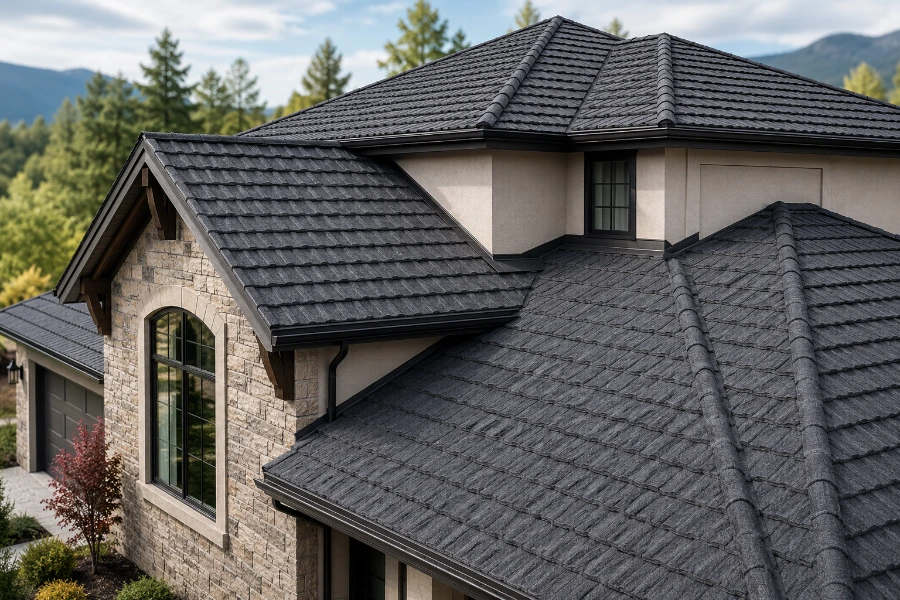
Dallas Stone Coated Roofs
Dallas homeowners are getting tired of replacing roofs every few years. One major hailstorm rolls through North Texas, shingles scatter across the yard, insurance adjusters start climbing ladders, and suddenly another expensive roof conversation begins. That cycle is exactly why more property owners are investing in Dallas stone coated roofs instead.
Not just because they look good. They absolutely do. But because they are built differently from the start.
Stone coated steel roofing combines the strength of metal with the appearance of traditional roofing styles like slate, tile, shake, and dimensional shingles. The result is a roof system designed to survive brutal Texas weather without making your home look industrial or commercial.
And in Dallas, that matters.
Between hailstorms, tornado threats, intense UV exposure, high winds, and long stretches of extreme heat, roofing materials in North Texas take a beating. Asphalt shingles often struggle to survive long-term under those conditions. Stone coated steel roofing changes that equation completely.
For homeowners planning to stay in their house long-term, or commercial property owners trying to reduce recurring roof costs, the appeal becomes very clear very fast.
Why Dallas Weather Destroys Ordinary Roofs
Dallas weather is relentless on roofing systems.
Summer temperatures regularly push roofing surfaces well beyond 150 degrees. Then storms arrive. Fast. Violent. Unpredictable.
North Texas properties deal with:
- Large hail events
- Straight-line winds
- Sudden temperature swings
- Tornadic activity
- Heavy rain exposure
- Prolonged UV radiation
Traditional shingles simply wear down faster in this environment.
Granules loosen. Tabs curl upward. Wind breaks adhesive seals. Water finds weak spots. Small issues slowly become expensive ones.
Many Dallas homeowners are surprised when their “30-year roof” begins failing closer to the 15-year mark. In Texas, roofing lifespan estimates often look very different from national averages.
That is one reason Dallas stone coated roofs continue gaining attention among homeowners who want durability instead of repeated repairs.
What Makes Stone Coated Roofing Different
Stone coated roofing is not the same as standard exposed-fastener metal roofing.
The system starts with a steel core. That steel receives protective coatings, then gets covered with stone granules that create texture, color depth, and visual appeal.
From the street, many people cannot even tell it is steel.
That matters in Dallas neighborhoods where homeowners want stronger roofing without sacrificing curb appeal.
Stone coated roofing systems are available in several styles:
| Profile Style | Appearance |
|---|---|
| Slate | Elegant high-end stone look |
| Shake | Traditional cedar-style texture |
| Tile | Mediterranean and Spanish-inspired profiles |
| Shingle | Architectural asphalt-style appearance |
The interlocking panel design is another major difference.
Instead of relying heavily on adhesive strips like asphalt shingles, stone coated panels mechanically interlock together. That improves wind performance dramatically.
For Dallas storms, that is a huge advantage.
Why Dallas Stone Coated Roofs Are Becoming More Popular
A few years ago, stone coated steel roofing felt like a niche premium product.
Not anymore.
Texas weather changed the conversation.
Insurance companies changed the conversation too.
Homeowners are realizing that replacing asphalt repeatedly can become far more expensive over time than installing a stronger roof once.
Here is where Dallas stone coated roofs stand out.
Long Lifespan
Many stone coated systems carry warranties reaching 50 years or longer. Some systems are expected to perform for 70 years under proper installation conditions.
That changes the math completely.
Instead of budgeting for multiple asphalt replacements over decades, homeowners may install one long-term roofing system and move on with life.
That simplicity has value.
Strong Hail Resistance
Dallas hailstorms are not minor inconveniences.
Some storms produce baseball-sized hail capable of destroying shingles, gutters, skylights, vents, and siding within minutes.
Stone coated steel systems are often rated Class 4 for impact resistance, which represents one of the highest available ratings in residential roofing.
That does not mean the roof becomes indestructible. No roof is.
But it does mean significantly improved resistance compared to traditional asphalt systems.
Better Wind Protection
High winds are a constant concern in North Texas.
Interlocking stone coated panels are commonly rated for winds exceeding 120 mph depending on the system and installation method.
That level of protection matters during severe thunderstorms and tornado-producing systems that move through Dallas every year.
Lightweight Construction
Natural slate and clay tile roofs look beautiful, but they are extremely heavy.
Stone coated steel achieves similar aesthetics at a fraction of the weight.
That means:
- Less structural stress
- Easier installation compatibility
- Fewer reinforcement concerns
- Greater flexibility for older homes
For many Dallas properties, lightweight strength is the perfect combination.
Energy Efficiency Benefits in Dallas
Dallas summers are brutal on cooling systems.
Roof surfaces absorb enormous amounts of heat throughout the day, pushing attic temperatures sky-high.
Stone coated roofing systems can help reduce that heat transfer.
Some systems include reflective properties and ventilation advantages that improve thermal performance compared to traditional shingles.
That may contribute to:
- More stable indoor temperatures
- Reduced HVAC strain
- Lower cooling costs
- Better overall energy efficiency
The savings vary by property. But in a climate like Dallas, every efficiency improvement matters.
Stone Coated Roof Styles That Work Well in Dallas Neighborhoods
One concern homeowners sometimes have about metal roofing is appearance.
They picture agricultural buildings or commercial warehouses.
Stone coated roofing completely changes that perception.
Stone Coated Slate
This style works beautifully on luxury homes and upscale neighborhoods.
It delivers the appearance of natural slate without the extreme weight and fragility.
Stone Coated Shake
Dallas homeowners who love rustic or traditional architecture often gravitate toward shake profiles.
The texture looks warm and dimensional while eliminating many issues associated with real wood shake roofing.
No rot. No insect damage. And no fire concerns.
Stone Coated Tile
Mediterranean and Spanish-style homes are extremely common across many Dallas communities.
Stone coated tile profiles preserve that aesthetic while offering significantly improved storm resistance.
Stone Coated Shingle
Some homeowners simply want a stronger version of a traditional roof appearance.
Shingle-style stone coated systems accomplish exactly that.
Clean. Familiar. Durable.
Why Insurance Companies Pay Attention to Roofing Materials
Insurance carriers care deeply about roofing risk.
And in Texas, roof claims are constant.
Aging roofs create more claims exposure for insurers. Storm-damaged roofs create even more.
That is why some homeowners receive non-renewal notices tied directly to roof condition.
Dallas stone coated roofs may help improve insurability because they generally offer:
- Better hail resistance
- Stronger wind performance
- Longer lifespan
- Lower fire risk
- Reduced maintenance exposure
Some homeowners also qualify for insurance discounts depending on the roofing system and carrier guidelines.
That does not happen automatically, of course. Every policy differs.
But stronger roofing systems often improve the overall insurance conversation.
Residential Stone Coated Roofing Services in Dallas
Every roof replacement starts with understanding the property itself.
Not all homes require the same installation approach.
Roof Inspections
A proper inspection should evaluate:
- Existing roof condition
- Deck integrity
- Ventilation performance
- Storm-related damage
- Flashing conditions
- Drainage concerns
Detailed inspections matter because hidden problems beneath old roofing systems can impact long-term performance.
Full Roof Replacement
The replacement process generally includes:
- Existing roof removal
- Deck inspection
- Underlayment installation
- Flashing upgrades
- Panel installation
- Ventilation adjustments
- Final system inspection
Good installation quality matters just as much as material quality.
Even premium roofing systems can fail under poor workmanship.
New Construction Roofing
Many Dallas homeowners building custom homes now choose stone coated steel from the start.
The long-term ownership benefits are attractive.
Instead of designing around future roof replacements, they install a system built for decades of performance immediately.
Commercial Dallas Stone Coated Roofs
Commercial properties benefit heavily from durable roofing systems.
Especially properties with visible sloped roof sections.
That includes:
- Apartment complexes
- Hotels
- Churches
- Retail centers
- Restaurants
- Medical offices
- Assisted living facilities
Repeated reroofing cycles create enormous long-term operational costs for commercial buildings.
Stone coated roofing helps reduce that maintenance cycle dramatically.
And because the systems look architectural instead of industrial, they work well for customer-facing properties where appearance matters.
Comparing Stone Coated Roofing to Asphalt Shingles
This comparison comes up constantly.
Here is a simple breakdown.
| Feature | Stone Coated Steel | Asphalt Shingles |
|---|---|---|
| Expected Lifespan | 50–70 years | 15–25 years in Texas |
| Hail Resistance | Class 4 available | Often lower ratings |
| Wind Resistance | 120+ mph | Lower uplift resistance |
| Weight | Lightweight | Moderate |
| Maintenance | Low | Higher over time |
| Fire Rating | Class A | Varies |
| Appearance Options | Extensive | Moderate |
The upfront cost for stone coated roofing is higher. No question.
But long-term value often tells a different story.
Installation Methods Matter
Not all stone coated roofing systems install the same way.
Dallas contractors may recommend different approaches depending on roof design and performance goals.
Batten System Installation
Battens create an airspace beneath the roofing panels.
Benefits may include:
- Improved ventilation
- Better thermal performance
- Enhanced drainage
Direct-to-Deck Installation
Panels install directly over the roof deck.
This method often reduces labor complexity and overall installation cost.
Foam-Set Systems
Some high-wind applications use foam-set systems instead of mechanical fastening approaches.
These systems are especially valuable in severe weather environments.
Signs It May Be Time to Replace Your Roof
Some roofing problems are obvious.
Others quietly worsen for years.
Dallas homeowners should pay attention to:
- Curling shingles
- Missing shingles
- Frequent leaks
- Granule buildup in gutters
- Soft decking
- Water stains
- Storm damage
- Rising repair frequency
Age matters too.
If your roof is approaching 15–20 years old in Dallas conditions, replacement discussions usually become worthwhile.
Especially after hailstorms.
Choosing the Right Roofing Contractor in Dallas
The roofing material matters.
The installer matters even more.
Stone coated systems require specialized installation knowledge. This is not identical to basic asphalt roofing work.
When evaluating contractors, ask about:
- Manufacturer certifications
- Stone coated installation experience
- Warranty coverage
- Storm restoration knowledge
- Dallas code familiarity
- Insurance claim experience
Look carefully at past projects too.
Quality installation shows in the details.
Why More Dallas Homeowners Are Thinking Long-Term
The old roofing mindset focused heavily on lowest upfront price.
That mentality is shifting.
Homeowners are increasingly asking bigger questions.
How long will this roof actually last?
How well will it survive storms?
And how often will repairs happen?
Will insurance become harder later?
Dallas stone coated roofs answer many of those concerns with a stronger long-term approach.
Yes, the investment is larger initially.
But many homeowners decide the stability, durability, appearance, and reduced replacement cycle justify the cost.
Especially in Texas weather.
The Future of Roofing in Dallas
Dallas continues growing rapidly.
New neighborhoods expand constantly. Existing homes age. Storm patterns remain aggressive.
Roofing systems need to evolve alongside those realities.
Stone coated steel roofing sits in a unique position because it combines:
- Architectural appearance
- Long-term durability
- Severe-weather resistance
- Energy efficiency
- Lightweight construction
- Insurance advantages
That combination fits Dallas extremely well.
And homeowners are noticing.
For many property owners, the goal is no longer finding the cheapest roof possible.
It is finding the last roof they want to install.
That is exactly why Dallas stone coated roofs continue becoming one of the fastest-growing premium roofing options across North Texas.
FAQs
1. How long do Dallas stone coated roofs last?Most stone coated steel roofing systems are designed to last 50–70 years with proper installation and maintenance.
2. Are stone coated roofs good for Dallas hailstorms?Yes. Many stone coated systems carry Class 4 impact ratings, which provide strong resistance against hail damage common in North Texas.
3. Do stone coated roofs look like metal roofs?Not usually. They are designed to resemble slate, tile, shake, or shingles while still offering the strength of steel roofing.
4. Are Dallas stone coated roofs noisy during rain?No. The stone granular coating helps reduce noise, making them much quieter than traditional exposed metal roofing systems.
5. Can stone coated roofing help lower insurance costs?Some insurance companies may offer discounts for impact-resistant roofing systems, though coverage and savings vary by carrier.
6. Are stone coated roofs more expensive than shingles?Yes upfront, but many homeowners consider the longer lifespan and lower maintenance costs worth the investment over time.
7. Can stone coated steel roofing handle high winds?Yes. Many systems are rated for winds exceeding 120 mph due to their interlocking panel design.
8. Do stone coated roofs work for commercial buildings?Absolutely. They are commonly installed on apartments, hotels, retail centers, churches, and other sloped commercial roofs.
9. What styles are available for stone coated roofing?Popular styles include slate, shake, tile, and dimensional shingle profiles to match different architectural designs.
10. Is stone coated roofing energy efficient?Many stone coated roofing systems help reflect heat and improve ventilation, which may reduce cooling strain during Dallas summers.