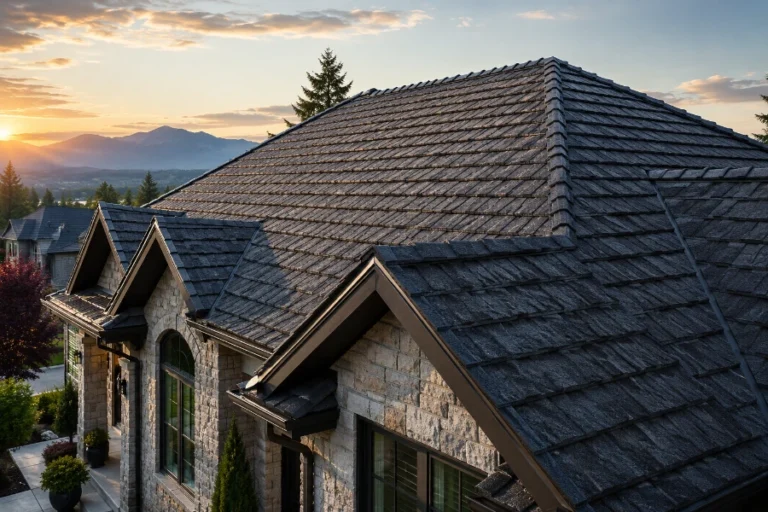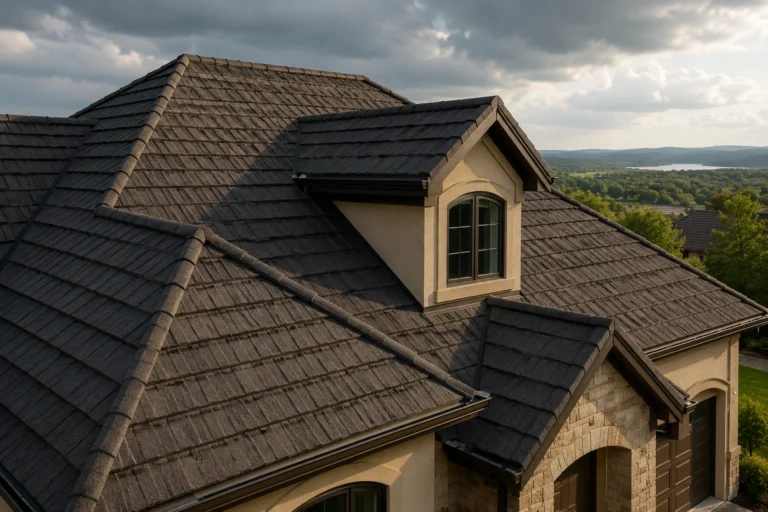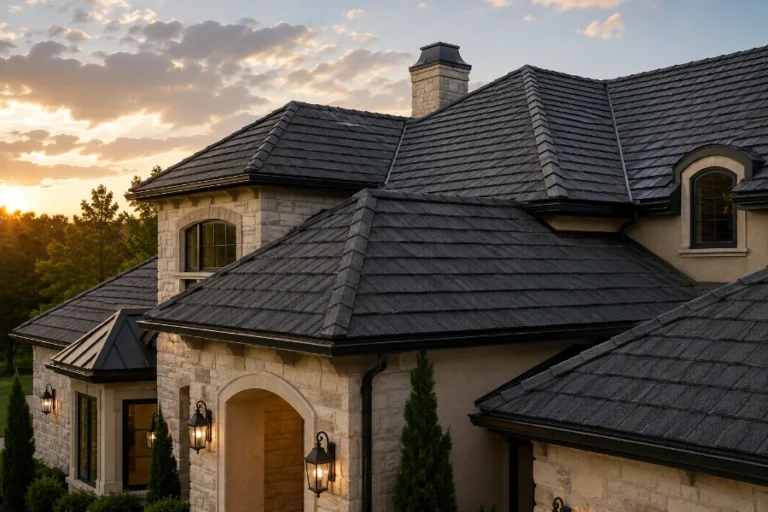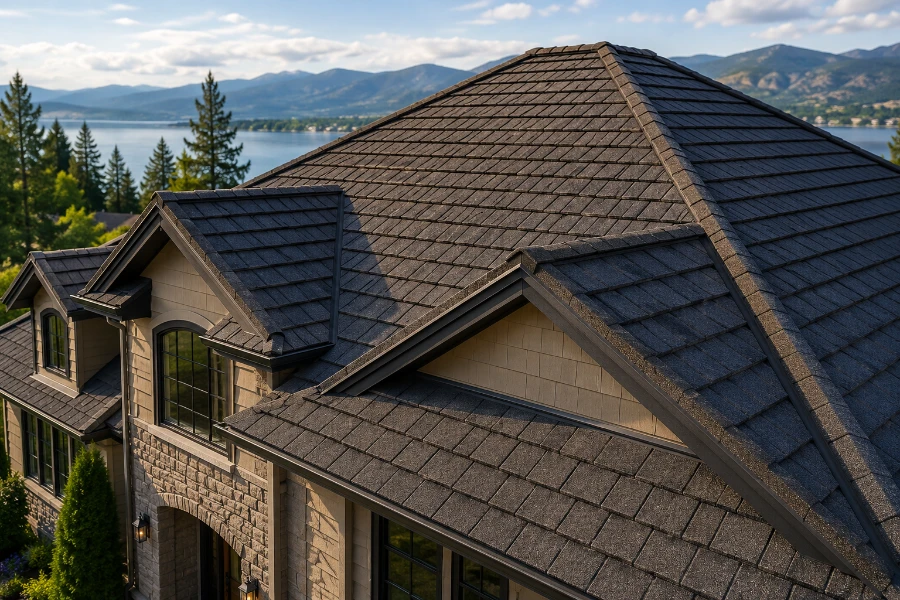
A Roser stone coated roof sits in a unique category. It looks premium. It performs like metal roofing. Yet it avoids the industrial appearance many homeowners dislike about traditional standing seam systems. That combination alone explains why more homeowners are researching stone coated steel roofing before replacing aging asphalt shingles.
And honestly? The interest makes sense.
People want roofs that survive storms, resist fading, improve curb appeal, and hopefully avoid another replacement 15 years later. Asphalt shingles often struggle with that long-term expectation, especially in areas exposed to heat, hail, coastal humidity, or high winds.
That’s where Roser enters the conversation.
A Roser stone coated roof combines steel strength with textured stone-coated finishes designed to mimic tile, wood shake, or dimensional shingles. The result feels more architectural and less commercial. Homeowners get durability without sacrificing appearance. That matters more than many roofing companies admit.
But no roofing product is perfect.
Some homeowners absolutely love their Roser roof. Others complain about installation mistakes, pricing confusion, or contractor inexperience. The real story sits somewhere in the middle, and that’s exactly what we’re covering here.
What Is a Roser Stone Coated Roof?
A Roser stone coated roof is a metal roofing system manufactured using steel panels coated with stone granules. Instead of looking shiny or industrial like exposed metal roofing, the stone coating creates a textured appearance that resembles traditional roofing materials.
The system typically includes:
- Galvalume steel panels
- Protective corrosion-resistant coatings
- Stone granule surfaces
- Acrylic finish layers
The steel provides structural strength. The stone coating improves appearance and weather resistance. Together, they create a roofing system designed for long-term performance.
This style of roofing became popular internationally before gaining traction in the United States. Homeowners wanted something stronger than asphalt shingles but more visually appealing than bare metal panels.
Roser capitalized on that demand.
Today, their products are commonly used for:
- Residential homes
- Coastal properties
- Storm-prone regions
- High-end remodels
- Light commercial projects
Why Homeowners Are Looking Beyond Asphalt Shingles
Traditional shingles still dominate the market. Mostly because they’re cheaper upfront.
But many homeowners are growing frustrated with recurring replacements, granule loss, curling edges, and storm damage claims. A severe hailstorm can shorten an asphalt roof’s lifespan dramatically. Extreme heat doesn’t help either.
Stone coated steel roofing addresses many of those frustrations.
Here’s a quick comparison homeowners often evaluate:
| Feature | Asphalt Shingles | Roser Stone Coated Roof |
|---|---|---|
| Lifespan | 15–30 years | 40–70 years |
| Wind Resistance | Moderate | High |
| Hail Resistance | Moderate | Strong |
| Weight | Moderate | Lightweight |
| Appearance | Standard | Premium |
| Maintenance | Moderate | Lower |
| Initial Cost | Lower | Higher |
That higher upfront price becomes the biggest obstacle for many buyers. Still, homeowners planning to stay in their homes long term often calculate value differently.
Replacing a roof once instead of twice changes the math considerably.
Understanding Roser Roofing Systems
Roser manufactures several roofing profiles designed to fit different architectural styles. This matters because appearance influences resale value more than many roofing discussions acknowledge.
A roof dominates curb appeal.
You notice it immediately.
Roser Stonewood Shake
This profile mimics traditional cedar shake roofing while avoiding wood’s maintenance headaches. It remains one of the most popular options because homeowners love the rustic appearance without dealing with rot, insects, or splitting.
Stonewood Shake works particularly well on:
- Craftsman homes
- Ranch-style homes
- Mountain properties
- Larger suburban homes
Roser Cleo Tile
Cleo Tile delivers a Mediterranean-inspired appearance. The profile resembles clay tile roofing but weighs significantly less.
That lightweight advantage becomes extremely important.
Heavy tile roofing sometimes requires structural reinforcement. A Roser stone coated roof typically avoids that issue while still delivering a high-end visual style.
Roser Piano Shingle
This option feels closest to architectural asphalt shingles. Homeowners transitioning from traditional roofing often prefer this style because it looks familiar while still upgrading performance.
It blends nicely with:
- Traditional suburban homes
- Colonial designs
- Modern residential architecture
What Makes Roser Roofing Durable?
The durability conversation matters because roofing replacement costs keep climbing. Labor costs alone have changed the industry dramatically over the last several years.
Roser roofing systems focus heavily on layered protection.
Steel Core Strength
The steel foundation gives the roof structural integrity that asphalt simply cannot match. Steel resists cracking, splitting, and severe warping better than many conventional materials.
That becomes valuable during:
- Hailstorms
- Wind events
- Falling debris
- Extreme temperature swings
Stone Granule Coating
The stone granules aren’t purely cosmetic.
They help:
- Protect against UV exposure
- Reduce glare
- Improve surface durability
- Create texture for appearance
Some homeowners worry about granule shedding. Minor shedding during installation or early weather exposure can happen. Excessive shedding, however, may indicate product or installation issues.
Corrosion Resistance
One concern homeowners raise with metal roofing involves rust.
Reasonable concern.
Roser systems use Galvalume steel coatings designed to resist corrosion far better than untreated steel. Coastal homeowners especially benefit from this protection because salty air destroys weaker roofing systems faster than many people realize.
Real Roser Roof Reviews From Homeowners
This is where things get interesting.
Homeowner reviews for a Roser stone coated roof vary widely, but several themes appear consistently.
What Homeowners Like
Positive reviews often focus on appearance first.
People love the upscale look.
Many homeowners also mention:
- Excellent curb appeal
- Better storm resistance
- Lightweight construction
- Reduced maintenance concerns
- Improved resale impressions
In storm-prone regions, the roof’s wind resistance becomes a major selling point. Some homeowners report surviving severe weather events with little visible damage while neighboring asphalt roofs required repairs.
That kind of real-world performance drives referrals quickly.
Common Complaints
No roof system escapes criticism.
Negative reviews usually involve one of these issues:
- Improper installation
- Contractor inexperience
- Higher-than-expected pricing
- Delays sourcing materials
- Concerns about walking on the roof
Interestingly, many complaints trace back to installers rather than the roofing panels themselves.
That distinction matters enormously.
A poorly installed premium roof can perform worse than a properly installed budget roof.
Why Installer Quality Matters So Much
This may be the single most important section in the entire article.
Stone coated steel roofing requires specialized installation knowledge. Homeowners sometimes assume any roofer can install it properly because “a roof is a roof.”
That assumption causes problems.
Improper installation can lead to:
- Water intrusion
- Panel movement
- Noise issues
- Poor ventilation
- Premature failure
- Warranty complications
Before hiring anyone, homeowners should ask:
- How many stone coated steel roofs have you installed?
- Can you provide project photos?
- Do you understand manufacturer fastening requirements?
- How will ventilation be handled?
- What underlayment system do you recommend?
A quality contractor should answer confidently and specifically.
Vague answers are a warning sign.
How Much Does a Roser Stone Coated Roof Cost?
Pricing varies significantly depending on location, roof complexity, and profile selection.
Still, homeowners should prepare for premium-level pricing.
Typical factors influencing cost include:
- Roof pitch
- Roof size
- Number of valleys and penetrations
- Labor market conditions
- Removal of existing roofing
- Underlayment upgrades
- Flashing complexity
Here’s a general comparison:
| Roofing Type | Approximate Cost Range |
|---|---|
| Asphalt Shingles | Lower |
| Standing Seam Metal | Moderate to High |
| Roser Stone Coated Roof | High |
| Clay Tile | Very High |
That premium pricing scares some homeowners away initially.
But many buyers view the investment differently after calculating long-term ownership costs, future replacements, maintenance savings, and potential insurance benefits.
Can a Roser Roof Handle Severe Weather?
This is one of the strongest arguments in favor of stone coated steel roofing.
Storm resistance matters. Especially in states regularly dealing with hurricanes, hailstorms, or high winds.
Wind Resistance
Many Roser systems are engineered for high wind conditions. Proper installation becomes critical here. Even strong materials fail under bad installation practices.
Hail Resistance
No roofing system is completely hail-proof.
Let’s be realistic.
But steel-based roofing generally handles impact better than asphalt shingles. Large hail can still dent metal roofing under extreme conditions, but stone coated systems often avoid the widespread tearing and granule destruction common with shingles.
Fire Resistance
Steel roofing systems typically offer strong fire resistance ratings. That can provide peace of mind in wildfire-prone regions or areas with dry seasonal conditions.
Energy Efficiency and Comfort
Many homeowners don’t initially connect roofing with energy efficiency.
They should.
Roofing affects attic temperatures, ventilation performance, and heat transfer more than most people realize.
A Roser stone coated roof may help improve energy efficiency through:
- Reflective properties
- Ventilation air gaps
- Reduced heat absorption
- Improved airflow systems
Homes in hotter climates often benefit the most.
Reduced attic heat can lessen strain on HVAC systems during peak summer months. That doesn’t magically eliminate cooling bills, of course, but incremental improvements matter over decades of ownership.
Comparing Roser to Other Roofing Brands
Homeowners rarely evaluate Roser in isolation.
They compare it against brands like:
- DECRA
- Tilcor
- Boral
- Unified Steel
Roser vs DECRA
DECRA maintains stronger name recognition in North America. Roser often competes through pricing and profile variety.
Roser vs Tilcor
Both brands emphasize durability and stone coated technology. Availability and installer familiarity sometimes influence the decision more than product differences themselves.
Roser vs Asphalt Roofing
This comparison becomes philosophical almost as much as financial.
Do you prioritize:
- Lower upfront cost?
or - Longer-term durability?
That’s really the core decision.
Maintenance Requirements
One reason homeowners explore a Roser stone coated roof is reduced maintenance expectations.
That said, “low maintenance” does not mean “maintenance free.”
Homeowners should still:
- Clean gutters regularly
- Remove heavy debris
- Schedule occasional inspections
- Monitor flashing areas
- Check for storm damage after severe weather
Walking on stone coated steel roofing also requires caution. Improper foot placement can damage panels or create safety hazards.
Professional inspections remain the safer option.
Is a Roser Stone Coated Roof Worth It?
For many homeowners, yes.
But not for everyone.
This roofing system makes the most sense for homeowners who:
- Plan to stay long term
- Want premium curb appeal
- Live in storm-prone regions
- Value durability over lowest upfront pricing
- Prefer lightweight roofing solutions
It may not be ideal for homeowners seeking the cheapest immediate replacement option.
That’s okay.
Every roofing decision involves tradeoffs.
The key is understanding them clearly before signing a contract.
Final Thoughts
A Roser stone coated roof occupies an interesting middle ground between luxury roofing and practical long-term performance. It delivers stronger durability than asphalt shingles while avoiding the ultra-heavy structural demands of traditional tile roofing.
The appearance stands out immediately. The durability story becomes more important over time.
Still, homeowners should approach the process carefully.
Choose experienced installers. Review warranties thoroughly. Ask detailed questions about ventilation and underlayment systems. And most importantly, think beyond upfront cost alone.
A roof isn’t just a purchase.
It’s long-term protection for everything underneath it.
FAQs
1. How long does a Roser stone coated roof last?A Roser stone coated roof can last 40 to 70 years depending on climate, installation quality, and maintenance.
2. Is Roser roofing better than asphalt shingles?Roser roofing typically offers better durability, wind resistance, and lifespan than asphalt shingles, though it costs more upfront.
3. Can a Roser roof handle hail storms?Yes, many Roser roofing systems are designed to resist hail and severe weather better than traditional shingles.
4. Does a Roser stone coated roof rust?Roser roofs use protective Galvalume steel coatings that help resist corrosion and rust for decades.
5. Is Roser roofing noisy during rain?Most homeowners report minimal noise because the stone coating and underlayment help reduce sound compared to exposed metal roofing.
6. How much does a Roser stone coated roof cost?Costs vary by roof size, complexity, and location, but Roser roofing is generally considered a premium roofing option.
7. Can Roser roofing be installed over old shingles?In some cases, yes, but a professional inspection is necessary to determine whether the roof structure and local codes allow it.
8. Does Roser roofing improve home value?A Roser stone coated roof may improve resale appeal because of its durability, appearance, and long lifespan.
9. Is maintenance required for Roser roofing?Yes, but maintenance is usually limited to inspections, gutter cleaning, and removing debris from the roof surface.
10. What styles are available for Roser stone coated roofs?Roser offers shake, tile, and shingle-style profiles designed to match different architectural styles and homeowner preferences.