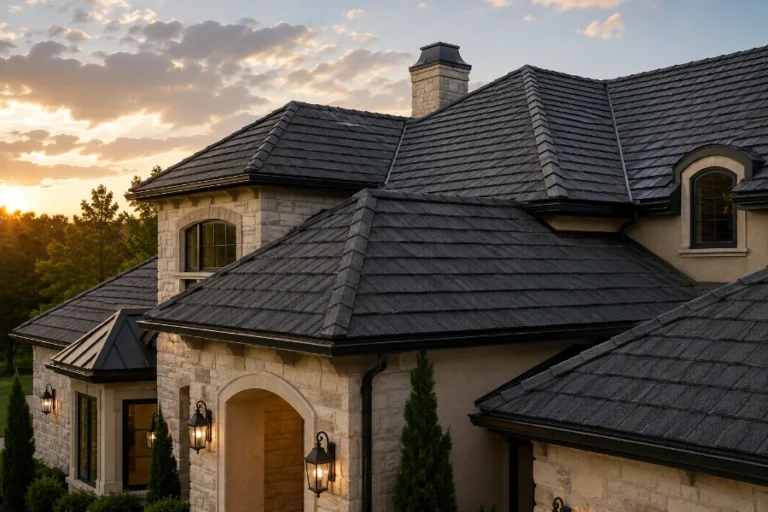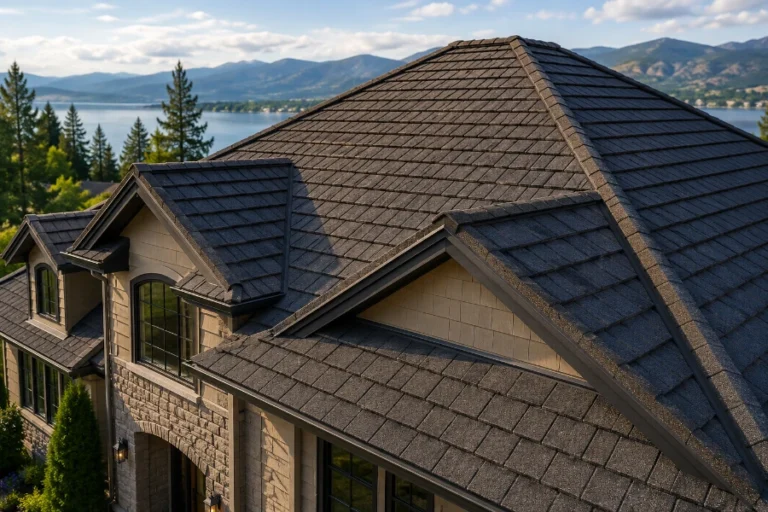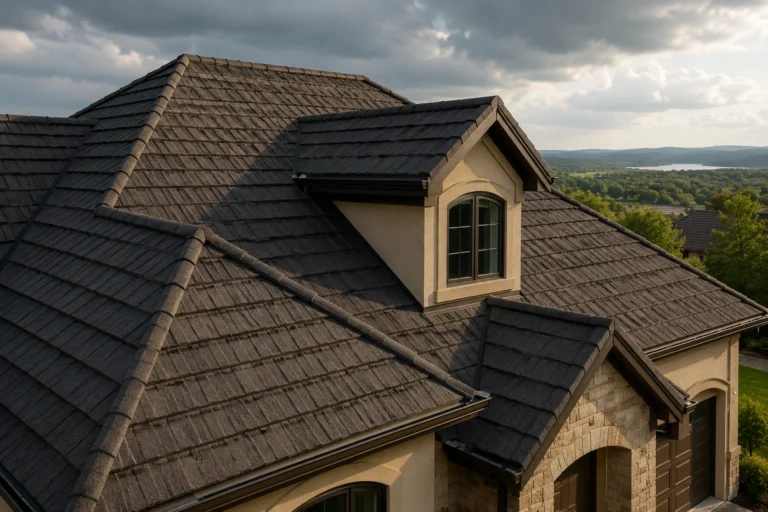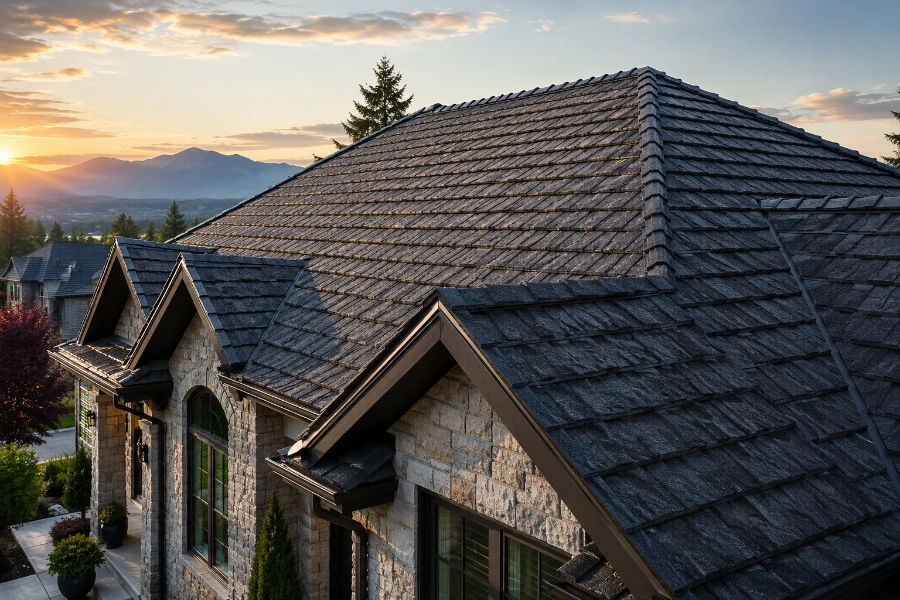
A TEK stone coated steel roof is no longer just an alternative roofing option tucked away in premium home catalogs. It has become one of the fastest-growing choices among homeowners who want durability, style, and long-term protection without constantly dealing with repairs. And honestly, that shift makes sense.
People are tired of replacing cracked shingles after storms. They’re frustrated with fading roofs, rising maintenance costs, and materials that look worn out after only a few years. Roofing has become less about the cheapest upfront price and more about long-term value.
That’s exactly where a TEK stone coated steel roof enters the conversation.
It combines the strength of steel with the visual appeal of traditional roofing styles. You get the appearance of shingles, shake, or tile without inheriting all the weaknesses that often come with those materials. Even better, these roofing systems are designed to handle brutal weather conditions while still looking sharp years later.
If you’re researching roofing upgrades, this guide breaks down everything you should know before investing in one.
What Is a TEK Stone Coated Steel Roof?
At its core, a TEK stone coated steel roof is a metal roofing system covered with protective stone granules. Those granules are not there just for appearance. They also help improve durability, reduce glare, and create a more textured, residential-friendly finish.
Unlike traditional exposed metal roofs that often have a sleek industrial look, stone coated steel systems are designed to blend into residential neighborhoods naturally.
Most systems include:
- A steel core for structural strength
- Protective metallic coatings to resist corrosion
- Acrylic bonding layers
- Stone granule finishes for durability and aesthetics
The result is a roof that looks refined while performing far beyond many standard roofing materials.
And here’s the part many homeowners appreciate immediately: it doesn’t scream “metal roof” from the street.
Why Homeowners Are Paying Attention to Stone Coated Steel Roofing
Roofing decisions have changed dramatically over the past decade.
Storm activity has increased in many regions. Insurance companies are paying closer attention to roof lifespan and material durability. Homeowners are also staying in their homes longer, which means they’re thinking more carefully about long-term replacement cycles.
A TEK stone coated steel roof addresses several of those concerns at once.
It’s Built for Long-Term Durability
Traditional asphalt shingles can deteriorate faster than many people expect, especially in areas with:
- Intense heat
- High humidity
- Heavy rain
- Strong wind
- Frequent hailstorms
Stone coated steel systems are engineered differently.
Steel provides structural integrity while the protective coatings help defend against corrosion, moisture intrusion, and environmental wear. Many systems are rated for decades of service life when installed properly.
That matters. A lot.
Because replacing a roof twice in 25 years can become far more expensive than investing in a stronger roofing system upfront.
How a TEK Stone Coated Steel Roof Is Constructed
The performance of these roofs starts with layered engineering.
Each layer serves a specific purpose.
| Component | Purpose |
|---|---|
| Steel Core | Structural strength |
| Protective Metallic Coating | Corrosion resistance |
| Acrylic Base Coat | Adhesion support |
| Stone Granules | Weather protection and appearance |
| Clear Overglaze | UV and color protection |
The layered construction is one reason a TEK stone coated steel roof performs well in extreme environments.
It isn’t relying on a single material to do all the work.
Instead, every layer contributes to longevity and performance.
Weather Resistance Is One of the Biggest Advantages
This is where stone coated steel roofing often separates itself from lower-end materials.
Weather destroys roofs slowly. Sometimes suddenly.
A strong roofing system needs to handle both.
Wind Resistance
High winds can peel up traditional shingles, especially as adhesives weaken with age.
Stone coated steel panels typically use interlocking installation systems designed to improve wind resistance significantly. Many systems are engineered to withstand severe storm conditions that would damage lighter materials.
That added security becomes especially important in hurricane-prone or tornado-prone regions.
Hail Protection
Hail damage creates massive roofing expenses every year.
One advantage of a TEK stone coated steel roof is its impact resistance. The steel base combined with the textured stone coating helps absorb and disperse impact energy better than many brittle roofing products.
No roofing material is completely indestructible. But stone coated steel often performs exceptionally well during hail events.
Fire Resistance
Fire ratings matter more than many homeowners realize.
Stone coated steel roofing systems are generally non-combustible, making them attractive in wildfire-prone areas or locations with strict fire codes.
That extra layer of protection can also influence insurance considerations in some markets.
Energy Efficiency Benefits That Add Up Over Time
Roofing affects more than leak prevention.
It also influences indoor temperature regulation.
A TEK stone coated steel roof can help reduce heat absorption compared to darker, heat-retaining roofing materials. Some systems include reflective properties that help reduce attic heat buildup during warmer months.
That can potentially lower:
- Cooling system strain
- Energy consumption
- Indoor temperature fluctuations
While energy savings vary by climate and home design, many homeowners notice improved comfort levels after upgrading roofing systems.
And comfort matters. Especially during brutal summer stretches.
The Lightweight Advantage
One overlooked benefit of stone coated steel roofing is weight.
Clay tile and concrete roofing products can place enormous structural loads on homes. Some houses require reinforcement before installation.
A TEK stone coated steel roof delivers the appearance of heavier materials while remaining relatively lightweight.
That creates several advantages:
- Easier transportation
- Faster installation
- Reduced structural stress
- Lower risk of framing complications
For older homes especially, reduced roof weight can become a major advantage.
Curb Appeal Still Matters
Performance is important. But homeowners also care about appearance.
Nobody wants a roof that looks industrial or awkward on a residential property.
That’s another reason TEK stone coated steel roof systems continue gaining popularity. They come in a wide range of profiles designed to mimic traditional roofing aesthetics.
Popular Design Styles
Shingle-Inspired Profiles
These resemble architectural shingles while delivering significantly stronger durability.
Shake-Style Designs
Great for homeowners wanting a rustic or textured appearance without dealing with wood maintenance issues.
Tile-Inspired Systems
Offer Mediterranean or upscale architectural styling without the extreme weight of clay tile.
Color options have also improved dramatically over the years. Modern systems provide finishes that complement brick, stucco, siding, stone, and contemporary exterior palettes.
Comparing TEK Stone Coated Steel Roof Systems to Other Roofing Materials
Homeowners often compare several roofing materials before making a final decision.
Here’s a practical breakdown.
| Roofing Material | Lifespan | Maintenance | Weight | Storm Resistance |
|---|---|---|---|---|
| Asphalt Shingles | 15–30 Years | Moderate | Moderate | Moderate |
| Wood Shake | 20–30 Years | High | Moderate | Lower |
| Clay Tile | 40–50 Years | Moderate | Heavy | High |
| Traditional Metal | 40–70 Years | Low | Lightweight | High |
| TEK Stone Coated Steel Roof | 40–70 Years | Low | Lightweight | Very High |
The combination of lightweight construction, visual flexibility, and storm resistance gives stone coated steel roofing a strong position in the market.
Installation Quality Matters More Than Many Realize
Even the best roofing materials can fail if installed poorly.
That’s why contractor selection matters almost as much as material selection.
A professional installation process typically includes:
Roof Evaluation
Contractors assess:
- Structural integrity
- Decking condition
- Ventilation performance
- Moisture issues
- Existing roof layers
Skipping this step creates problems later.
Underlayment Installation
Underlayment acts as a secondary moisture barrier beneath the roofing system.
High-quality underlayment improves:
- Water resistance
- Ice protection
- Thermal performance
- Roof longevity
Precision Panel Installation
Stone coated steel systems rely heavily on proper alignment and fastening techniques.
Poor installation can lead to:
- Water intrusion
- Noise issues
- Wind uplift problems
- Warranty complications
This is not the place to cut corners.
Is a TEK Stone Coated Steel Roof Noisy?
This question comes up constantly.
Many homeowners imagine rain pounding loudly against exposed metal surfaces.
In reality, properly installed stone coated steel roofing systems are often much quieter than people expect. Underlayment, attic insulation, decking materials, and installation methods all help minimize sound transfer.
For most homeowners, interior noise differences are minimal.
Long-Term Value Often Beats Short-Term Savings
Initial pricing for a TEK stone coated steel roof is usually higher than standard asphalt shingles.
That scares some buyers away initially.
But short-term pricing rarely tells the full story.
When evaluating roofing investments, consider:
- Expected lifespan
- Maintenance costs
- Storm repair frequency
- Energy efficiency
- Replacement cycles
- Insurance considerations
A lower-cost roof replaced multiple times can ultimately cost far more than one durable roofing system installed once and maintained properly.
That’s why many homeowners now focus on lifecycle value instead of upfront cost alone.
Signs It May Be Time to Replace Your Existing Roof
Some homeowners wait too long before upgrading.
That delay can create additional structural damage underneath the roofing system.
Here are common warning signs:
Curling or Missing Shingles
Aging shingles often lose flexibility and protective granules.
Frequent Leaks
Recurring water intrusion usually signals larger roofing deterioration.
Storm Damage
Repeated hail or wind exposure weakens roofing systems over time.
Rising Energy Bills
Poor roofing performance can increase attic heat buildup and HVAC strain.
Moss or Moisture Problems
Persistent moisture retention often accelerates roof aging.
If multiple signs appear together, replacement discussions become more urgent.
Maintenance Tips for Maximum Roof Life
One reason many homeowners prefer a TEK stone coated steel roof is the relatively low maintenance requirement.
Still, smart maintenance extends lifespan significantly.
Keep Gutters Clean
Overflowing gutters can redirect water improperly and create drainage issues.
Remove Debris Promptly
Leaves and branches can trap moisture against roofing surfaces.
Schedule Periodic Inspections
Professional inspections help identify minor issues before they become major repairs.
Check Flashing Areas
Roof penetrations and flashing zones deserve regular attention.
Simple maintenance habits protect long-term performance.
Choosing the Right Roofing Contractor
Not every roofing contractor specializes in stone coated steel systems.
That distinction matters.
When evaluating contractors, ask:
- Have you installed TEK stone coated steel roof systems before?
- Are you licensed and insured?
- What warranties are included?
- Can you provide references?
- How do you handle ventilation upgrades?
- What underlayment systems do you recommend?
Experience with the specific material matters because installation details directly affect durability and warranty coverage.
Why More Homeowners Are Moving Away From Standard Asphalt Roofs
The roofing industry is shifting.
Many homeowners are frustrated by:
- Frequent repairs
- Shorter lifespan expectations
- Storm vulnerability
- Rising replacement costs
As a result, stronger roofing systems are gaining traction rapidly.
A TEK stone coated steel roof provides an appealing middle ground. It delivers premium durability without sacrificing residential aesthetics. It offers long-term performance while still maintaining architectural flexibility.
That balance is hard to ignore.
Final Thoughts on TEK Stone Coated Steel Roof Systems
A roof should do more than simply cover a house.
It should protect the structure, improve efficiency, reduce maintenance stress, and maintain its appearance for years. That’s why many homeowners are reevaluating traditional roofing materials and exploring stronger alternatives.
A TEK stone coated steel roof combines durability, weather resistance, lightweight construction, and curb appeal into one system. It handles severe weather better than many conventional roofing products while still delivering the refined appearance homeowners want.
And perhaps most importantly, it offers peace of mind.
That matters more than ever.
Because when storms hit, temperatures climb, or roofing materials begin failing across the neighborhood, homeowners want confidence sitting above their heads — not uncertainty.
FAQs
1. How long does a TEK stone coated steel roof last?A TEK stone coated steel roof can last 40 to 70 years with proper installation and maintenance. Its steel core and protective coatings help extend its lifespan significantly.
2. Is a TEK stone coated steel roof better than asphalt shingles?It often offers better durability, weather resistance, and lifespan compared to asphalt shingles. Many homeowners also appreciate the lower maintenance requirements.
3. Can a TEK stone coated steel roof handle hail storms?Yes, these roofing systems are designed for strong impact resistance and typically perform well during hailstorms. The stone coating also helps absorb some impact energy.
4. Does a TEK stone coated steel roof make noise during rain?Not usually. Proper underlayment, insulation, and roof decking help reduce sound, making the roof quieter than many people expect.
5. Is a TEK stone coated steel roof energy efficient?Yes, many systems reflect heat and reduce attic temperature buildup, which may help improve indoor comfort and lower cooling costs.
6. Can stone coated steel roofing rust over time?Modern systems use corrosion-resistant coatings that help prevent rust. Proper installation and ventilation also play an important role in long-term protection.
7. Is a TEK stone coated steel roof lightweight?Yes, it is much lighter than materials like clay tile or concrete roofing, which reduces stress on the home’s structure.
8. Can a TEK stone coated steel roof be installed over existing shingles?In some cases, yes. However, a professional roof inspection is necessary to determine if the existing structure can support overlay installation safely.
9. Does a TEK stone coated steel roof increase home value?It can improve curb appeal and long-term durability, which may make the property more attractive to future buyers.
10. How much maintenance does a TEK stone coated steel roof require?Maintenance is generally minimal. Occasional inspections, gutter cleaning, and debris removal are usually enough to keep the roof performing well.