Shingle roofs remain one of the most popular roofing systems in America for a reason. They’re familiar, versatile, relatively affordable, and available in countless styles and colors. But the conversation around roofing has changed. Homeowners are no longer looking only at upfront price. They’re looking at durability. Storm resistance. Insurance concerns. Long-term value. And that’s where the discussion around shingle roofs becomes far more interesting.
In places where heat, hail, strong wind, and severe storms are common, roofing decisions carry real financial consequences. A roof is no longer just a finishing touch on a home. It’s protection. It’s energy performance. And it’s insurance leverage. It’s long-term maintenance cost.
That’s exactly why more homeowners are comparing traditional asphalt shingle roofs with newer systems like stone coated steel shingles. The look may feel familiar. The performance definitely does not.
What Is a Shingle Roof?
A shingle roof is a roofing system made from overlapping materials installed in layers across a roof deck. Each piece overlaps the next, creating a water-shedding surface designed to protect the home from moisture intrusion, UV exposure, and weather damage.
Simple concept. Massive impact.
Most residential homes use some form of shingle roofing because it adapts well to different architectural styles and installation methods.
The most common shingle roof materials include:
- 3-tab asphalt shingles
- Architectural shingles
- Luxury asphalt shingles
- Composite shingles
- Stone coated steel shingles
Traditional asphalt shingles dominate the market largely because they’re inexpensive and widely available. But cheaper upfront doesn’t always mean cheaper over time.
That difference matters more than ever.
Why Shingle Roofs Became So Popular
Shingle roofs exploded in popularity because they solved several homeowner concerns at once.
They were:
- Faster to install
- Easier to repair
- More affordable than tile or slate
- Available almost everywhere
- Flexible across many home styles
For decades, that was enough.
But roofing conditions have changed dramatically. Storm frequency has increased in many regions. Insurance carriers have become stricter. Heat exposure has intensified. Homeowners now expect more from their roofing systems than they did twenty years ago.
And many older roofing materials are struggling to keep up.
The Different Types of Shingle Roofs
Not all shingle roofs perform the same way. In fact, lifespan and durability can vary dramatically depending on material selection.
3-Tab Asphalt Shingles
These are the traditional flat-looking shingles seen on millions of homes.
Advantages:
- Lowest upfront cost
- Lightweight
- Simple installation
Disadvantages:
- Shorter lifespan
- Lower wind resistance
- More vulnerable to hail damage
- Faster granule loss
They work well for tight budgets. Long-term durability? Not their strongest category.
Architectural Shingles
Architectural shingles are thicker and more dimensional than standard 3-tab products.
Benefits include:
- Better curb appeal
- Improved durability
- Longer lifespan
- Better wind resistance
These are currently among the most common residential roofing materials in the U.S.
Luxury Asphalt Shingles
Luxury shingles are designed to mimic slate or cedar shake roofing.
They offer:
- Enhanced appearance
- Heavier construction
- Higher-end aesthetics
But they also cost more and still face many of the same long-term wear concerns associated with asphalt systems.
Stone Coated Steel Shingles
This is where the roofing conversation changes.
Stone coated steel shingles combine the appearance of traditional shingles with the strength of steel roofing systems. The panels are coated with stone granules to create texture and visual depth while maintaining the durability advantages of metal construction.
The result is a roofing system that looks residential but performs at an entirely different level.
How Long Do Shingle Roofs Last?
Roof lifespan depends heavily on climate, installation quality, attic ventilation, and material selection.
Here’s a realistic comparison:
| Shingle Type | Average Lifespan |
|---|---|
| 3-Tab Asphalt | 15–20 years |
| Architectural Asphalt | 20–30 years |
| Luxury Asphalt | 30–40 years |
| Stone Coated Steel | 40–70 years |
That gap becomes important when homeowners calculate total ownership cost.
Replacing a roof once is expensive.
Replacing it two or three times during the life of a home becomes a major financial issue.
Why Shingle Roofs Fail Earlier in Harsh Climates
Heat is brutal on roofing materials.
So is hail. So are high winds.
In hotter states especially, asphalt shingles often age faster than homeowners expect.
Common causes of premature failure include:
UV Exposure
Constant sunlight slowly dries out asphalt materials. Over time, shingles become brittle and lose flexibility.
That’s when cracking starts.
Granule Loss
The protective granules on asphalt shingles gradually wear away.
Once that protective layer disappears:
- UV damage accelerates
- Water resistance weakens
- Aging speeds up dramatically
If you’re seeing granules inside gutters, your roof is already warning you.
Wind Lift
Strong wind doesn’t always rip shingles off immediately.
Sometimes it simply loosens them.
That small movement breaks seals and allows moisture intrusion underneath the roofing system. The leak may not appear for months.
Hail Damage
Hail damage is one of the biggest threats to traditional asphalt shingle roofs.
Even moderate hail can:
- Fracture shingles
- Cause bruising
- Remove protective granules
- Create hidden moisture pathways
The roof may look fine from the ground while serious deterioration is already happening underneath.
The Biggest Problems With Traditional Asphalt Shingle Roofs
Many homeowners don’t realize how maintenance-heavy older roofing systems become over time.
The problems often start small.
Then they snowball.
Curling and Cracking
As shingles age, edges begin curling upward. Cracks form. Wind grabs exposed corners more easily.
Once that process begins, deterioration speeds up quickly.
Repeated Repairs
Aging shingle roofs often require:
- Patch repairs
- Leak repairs
- Flashing replacement
- Storm damage repairs
- Section replacements
Those repair bills add up faster than most homeowners anticipate.
Insurance Challenges
Insurance carriers have become far more aggressive regarding aging roofs.
Some homeowners now face:
- Higher deductibles
- Coverage limitations
- Roof depreciation schedules
- Non-renewals for older roofs
A deteriorating roof can directly affect insurability.
That surprises people every year.
Stone Coated Steel Shingles Explained
Stone coated steel shingles are designed for homeowners who want the appearance of shingles without accepting traditional asphalt weaknesses.
The structure is completely different.
Instead of asphalt mats, these systems use:
- Steel panels
- Protective coatings
- Stone granule finishes
- Interlocking installation systems
That combination creates exceptional durability while maintaining residential aesthetics.
The roof still looks refined and architectural.
It just performs much better.
Why Homeowners Are Upgrading to Stone Coated Steel
The shift toward stone coated steel shingles is happening for several reasons.
Longer Lifespan
This is one of the biggest factors.
Many homeowners simply do not want to replace another roof in fifteen years.
A longer-lasting roofing system changes the entire ownership equation.
Better Storm Resistance
Stone coated steel shingles typically offer:
- Higher wind resistance
- Better hail resistance
- Improved fire ratings
- Stronger structural performance
That matters enormously in storm-prone areas.
Reduced Maintenance
Fewer repairs.
Less cracking.
Lower risk of missing sections after storms.
Maintenance costs often decrease significantly over time.
Better Curb Appeal
One misconception about metal roofing is that it must look industrial.
Not true anymore.
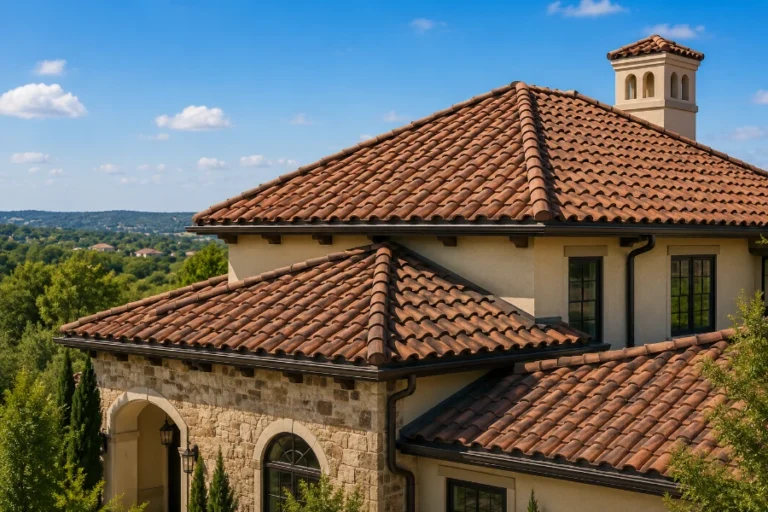
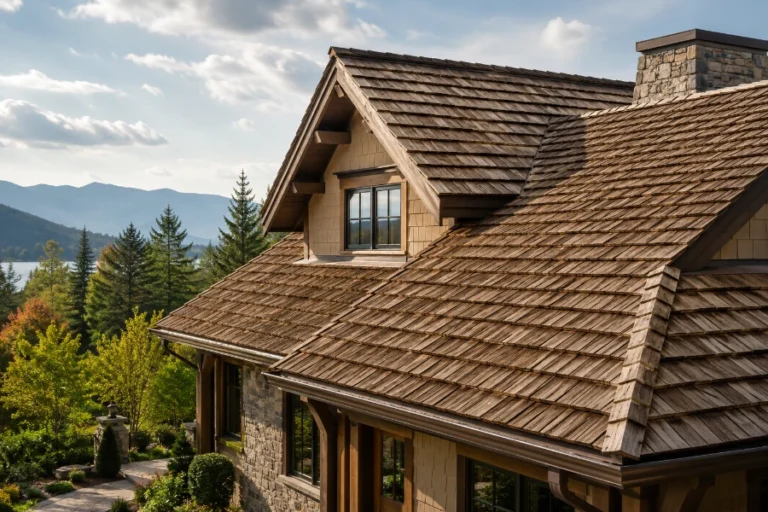
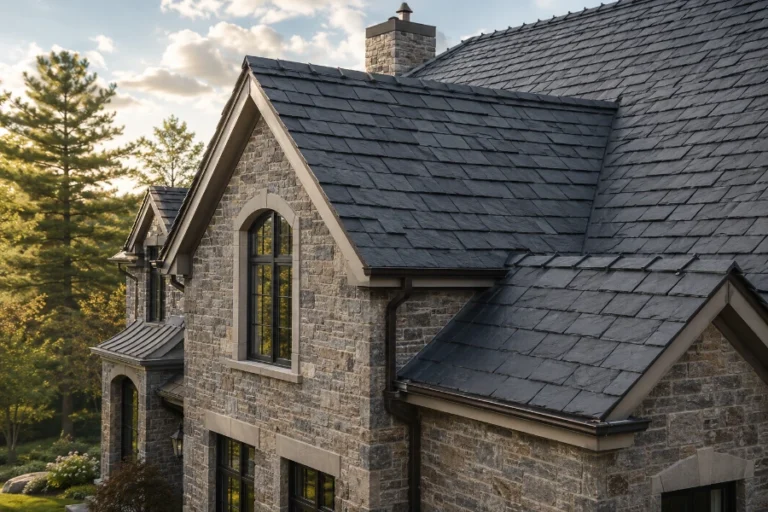
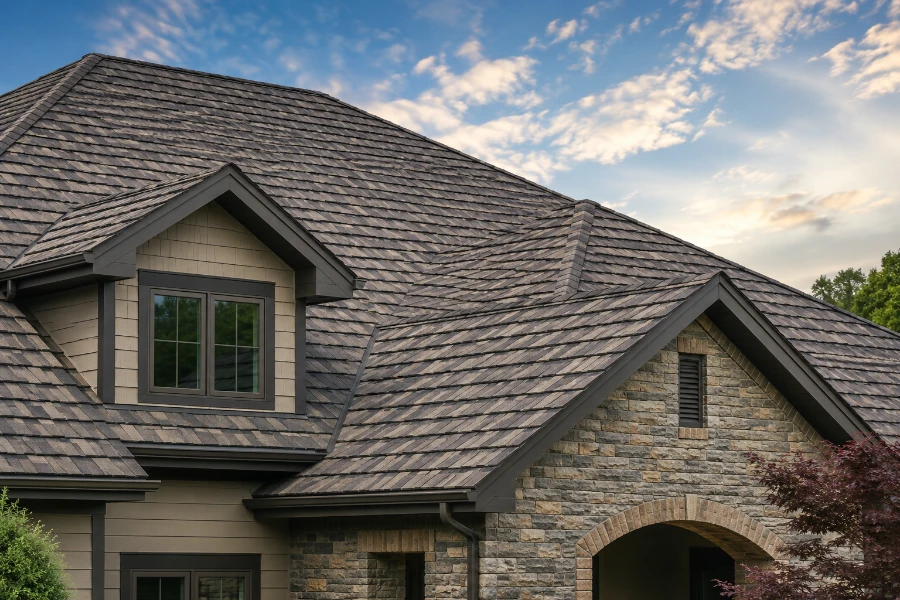
Modern stone coated steel shingles can mimic:
- Architectural shingles
- Slate
- Cedar shake
- Mediterranean tile
The appearance remains upscale and residential.
Asphalt Shingles vs Stone Coated Steel Shingles
Here’s where homeowners should really slow down and compare carefully.
| Feature | Asphalt Shingles | Stone Coated Steel Shingles |
|---|---|---|
| Lifespan | 15–30 years | 40–70 years |
| Wind Resistance | Moderate | Excellent |
| Hail Resistance | Moderate | High |
| Fire Rating | Varies | Class A |
| Maintenance | Higher | Lower |
| Insurance Discounts | Limited | Often Available |
| Replacement Frequency | Higher | Lower |
The upfront cost for stone coated steel is higher.
No point pretending otherwise.
But roofing decisions should not focus only on installation cost. They should focus on lifetime ownership cost.
That’s a completely different conversation.
Which Roofing System Costs Less Over Time?
This is where many homeowners change their perspective.
An asphalt roof may cost less initially. But if it requires replacement every 15–20 years, total expenses climb fast.
Long-term roofing expenses include:
- Full replacement labor
- Tear-off costs
- Disposal fees
- Interior water damage repairs
- Insurance deductibles
- Storm-related repairs
When homeowners calculate roofing expenses across decades instead of years, the math often shifts heavily toward premium systems.
Especially in severe-weather regions.
How to Know When a Shingle Roof Needs Replacement
Many roofs fail long before homeowners realize the severity of the problem.
Watch for warning signs like:
- Missing shingles
- Curled edges
- Bald spots
- Granules in gutters
- Water stains on ceilings
- Moss or algae growth
- Sagging roof sections
- Interior moisture smells
Roof age also matters.
If a roof is approaching 15–20 years old, a professional inspection becomes extremely important.
Waiting too long can create structural problems that extend beyond roofing materials alone.
Choosing the Right Roofing Contractor
Even the best roofing material performs poorly when installed incorrectly.
Installation quality matters just as much as product selection.
Sometimes more.
Ask These Questions Before Hiring
- Are you licensed and insured?
- Do you specialize in shingle roofs?
- Have you installed stone coated steel systems before?
- What warranties are included?
- How do you handle ventilation and flashing?
- Can you provide local project references?
A roofing contractor should explain systems clearly without relying on pressure tactics.
That’s a major green flag.
Why Proper Ventilation Matters
Many roofing failures start in the attic.
Poor ventilation traps heat and moisture underneath the roofing system, accelerating deterioration from below.
Good ventilation helps:
- Extend roof lifespan
- Reduce attic temperatures
- Improve energy efficiency
- Prevent moisture buildup
- Reduce shingle aging
Skipping ventilation upgrades during roof replacement is often a costly mistake.
Maintenance Tips for Shingle Roofs
Every roof lasts longer with proactive maintenance.
Here are practical ways homeowners can protect their investment.
Schedule Annual Roof Inspections
Professional inspections help identify:
- Loose shingles
- Flashing problems
- Moisture intrusion
- Storm damage
- Drainage concerns
Catching issues early saves enormous money later.
Clean Gutters Regularly
Blocked gutters trap water along roof edges.
That moisture eventually creates:
- Rot
- Mold
- Fascia damage
- Leak pathways
Simple maintenance prevents major repair bills.
Trim Overhanging Trees
Branches scraping roofing materials accelerate wear.
Trees also increase:
- Debris accumulation
- Moisture retention
- Impact damage risk during storms
Inspect After Severe Weather
Never assume a roof survived a storm simply because leaks haven’t appeared yet.
Hidden damage is extremely common.
Especially after hail events.
Are Shingle Roofs Still Worth It?
Absolutely. But the type of shingle roof matters more than ever.
Traditional asphalt shingles still make sense for:
- Budget-sensitive projects
- Short-term ownership
- Basic residential applications
But homeowners planning long-term ownership often want something more durable.
That’s why stone coated steel shingles continue gaining momentum.
They offer:
- The familiar look homeowners want
- The storm resistance many regions demand
- The lifespan modern buyers increasingly expect
And perhaps most importantly, they reduce the cycle of repeated roof replacement that frustrates so many homeowners.
Final Thoughts on Shingle Roofs
Shingle roofs are evolving.
The old approach of installing the cheapest roof possible and replacing it every fifteen years is becoming harder to justify, especially in areas with intense weather exposure.
Homeowners today are thinking differently. They’re asking smarter questions:
- How long will this roof really last?
- How will storms affect it?
- What happens to insurance costs?
- How many times will I need to replace it?
Those are the right questions.
Traditional asphalt shingle roofs still serve an important role in residential construction. But stone coated steel shingles are redefining what homeowners can expect from a roofing system.
The appearance remains timeless.
The durability changes everything.
FAQs
1. How long do shingle roofs usually last?Most asphalt shingle roofs last between 15 and 30 years, while stone coated steel shingles can last 40 to 70 years with proper installation.
2. Are shingle roofs good for storm-prone areas?Traditional asphalt shingles can struggle in severe hail and wind, but stone coated steel shingles offer much stronger storm resistance.
3. What are the signs a shingle roof needs replacement?Common warning signs include missing shingles, curling edges, granule loss, water stains, and visible sagging areas.
4. Do shingle roofs require a lot of maintenance?Shingle roofs need periodic inspections, gutter cleaning, and storm checks to maximize lifespan and prevent hidden damage.
5. What is the difference between architectural shingles and 3-tab shingles?Architectural shingles are thicker, more durable, and have a more dimensional appearance than standard 3-tab shingles.
6. Are stone coated steel shingles noisy during rain?No. When installed properly over roof decking and underlayment, stone coated steel shingles are typically no louder than asphalt roofs.
7. Can a shingle roof improve home value?Yes. A newer roof can improve curb appeal, buyer confidence, and overall property value, especially when using premium materials.
8. Do insurance companies prefer impact-resistant roofs?Many insurance carriers offer discounts for Class 4 impact-resistant roofing systems because they reduce storm-related claim risk.
9. How often should shingle roofs be inspected?Most roofing professionals recommend inspections at least once a year and after major storms.
10. Are stone coated steel shingles worth the higher upfront cost?For many homeowners, yes. The longer lifespan, lower maintenance needs, and improved durability can create better long-term value.