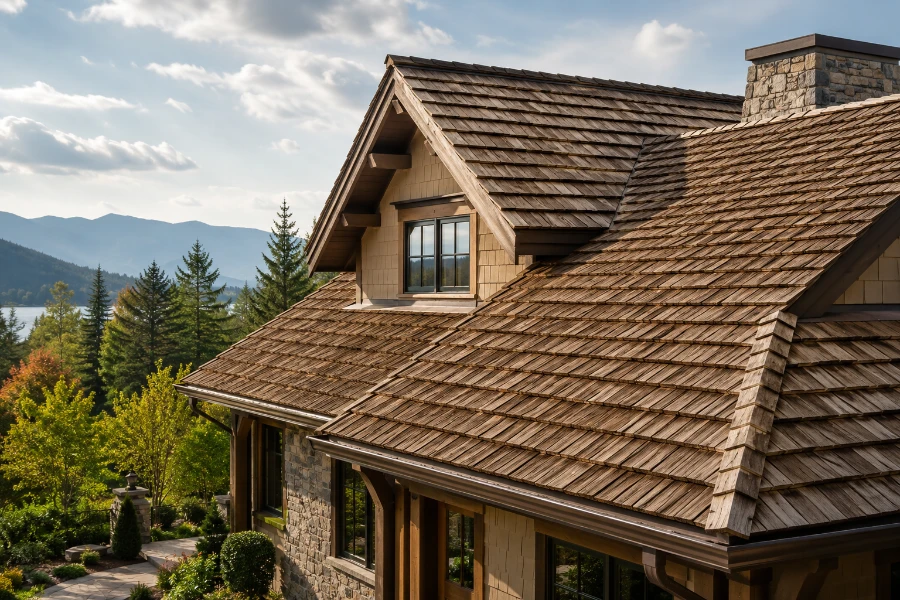
A wood shake roof still stops people in their tracks. That rugged texture. The deep shadow lines. The natural cedar appearance that instantly makes a home feel warmer, richer, and more custom-built. Few roofing systems create the same visual impact.
But here’s the reality many homeowners discover too late: beauty alone does not guarantee durability.
Traditional wood shake roofing can demand constant maintenance, struggle in storm-prone climates, and create insurance headaches in areas exposed to wildfire risks. That’s exactly why modern homeowners are now comparing traditional cedar shakes against newer alternatives like stone-coated steel shake roofing systems.
And honestly? It’s a smart comparison to make.
Today’s roofing market gives homeowners more options than ever before. You can still get the timeless look of cedar while dramatically improving fire resistance, storm performance, and long-term lifespan.
Before investing tens of thousands of dollars into a new roof, it’s worth understanding how a wood shake roof truly performs over time.
What Is a Wood Shake Roof?
A wood shake roof is a roofing system made from split wooden pieces, usually cedar, installed in overlapping rows across the roof deck.
Unlike wood shingles, which are machine-cut for a smoother appearance, wood shakes are often hand-split or textured to create a more rugged and dimensional look. That uneven surface is exactly what gives the roof its classic character.
Common materials include:
- Cedar
- Redwood
- Pine
- Cypress
Cedar remains the most popular choice because it naturally resists insects and moisture better than many other wood species.
Wood shakes have been used for centuries. They remain especially popular on:
- Craftsman homes
- Ranch homes
- Luxury estates
- Mountain cabins
- Coastal properties
- Historic restorations
The aesthetic appeal is undeniable. A properly installed wood shake roof immediately elevates curb appeal.
Why Homeowners Still Love Wood Shake Roofs
Some roofing materials are purely functional. Wood shakes are emotional.
People choose them because they create a feeling.
Natural Texture Creates Depth
Asphalt shingles can sometimes look flat from the street. Wood shakes create layers, shadows, and texture that make a home stand out immediately.
The roof feels alive.
As sunlight shifts throughout the day, the roof changes visually as well. That’s one reason architects continue using shake-style roofing on high-end homes.
Aging Can Add Character
One of the unique qualities of cedar is how it weathers over time.
Fresh cedar often starts with warm honey tones. Over the years, exposure to sun and moisture can create a silver-gray appearance many homeowners actually prefer.
Some people specifically want that weathered look.
Strong Insulation Performance
Wood naturally provides insulation benefits. Cedar shakes can help moderate attic temperatures because the material contains small air pockets that slow heat transfer.
That doesn’t replace proper attic insulation, of course. But it can contribute to overall energy efficiency.
Premium Appearance
Let’s be honest. A wood shake roof simply looks expensive.
It communicates craftsmanship and architectural quality in ways many synthetic roofing systems cannot fully replicate.
That visual value matters.
The Biggest Problems With Traditional Wood Shake Roofing
This is where the conversation changes.
A wood shake roof can look incredible during the first several years. But ownership becomes more complicated over time.
Especially in harsh climates.
Fire Risk Is a Serious Concern
Wood burns. That’s the issue.
Many untreated wood shake roofs carry lower fire ratings than metal or composite alternatives. In wildfire-prone areas, some municipalities even restrict or prohibit certain wood roofing systems altogether.
Insurance companies notice this too.
Some carriers charge higher premiums for wood roofs. Others may refuse coverage depending on the age and condition of the system.
That becomes a major long-term ownership consideration.
Maintenance Never Really Stops
Wood requires attention.
Without regular maintenance, homeowners may face:
- Moss growth
- Mold development
- Splitting
- Curling
- Rot
- Moisture absorption
- Insect activity
And maintenance is not optional.
A neglected wood shake roof can deteriorate surprisingly fast.
Storm Damage Can Be Expensive
Texas storms are brutal on roofing systems.
High winds can loosen shakes. Hail can crack or split wood surfaces. Heavy rain can exploit tiny gaps and create moisture problems underneath the system.
Over time, those repairs add up.
Lifespan Depends Heavily on Climate
A wood shake roof may perform well in dry regions with moderate weather.
But areas with:
- High humidity
- Intense UV exposure
- Heavy rainfall
- Frequent hail
- Freeze-thaw cycles
can shorten the lifespan dramatically.
That’s why homeowners must evaluate climate before choosing cedar shakes.
Wood Shake Roof Cost Breakdown
Roofing costs vary by region, labor availability, and roof complexity. Still, wood shakes generally sit in the premium pricing category.
Here’s a general comparison:
| Roofing Material | Average Cost Per Sq. Ft. | Typical Lifespan |
|---|---|---|
| Asphalt Shingles | $4–$8 | 15–25 years |
| Wood Shake Roof | $8–$15 | 20–35 years |
| Stone-Coated Steel Shake | $10–$16 | 40–70 years |
| Standing Seam Metal | $10–$18 | 40–70 years |
Several factors affect pricing:
Roof Complexity
Steep roofs, valleys, dormers, and custom architecture increase labor costs significantly.
Material Selection
Premium cedar costs more than lower-grade wood materials.
Local Labor Costs
Experienced shake installers are becoming harder to find in many regions. Specialized labor often increases project pricing.
Structural Requirements
Some older homes may require decking repairs or reinforcement before installation begins.
How Long Does a Wood Shake Roof Last?
This is the question homeowners care about most.
The average wood shake roof lasts between 20 and 35 years.
But lifespan depends heavily on:
- Climate
- Installation quality
- Maintenance frequency
- Ventilation
- Sun exposure
- Storm activity
Poor ventilation alone can shorten roof life dramatically.
Signs a Wood Shake Roof Is Failing
Watch for these warning signs:
- Curling edges
- Cracked shakes
- Dark moisture stains
- Moss accumulation
- Missing sections
- Soft or spongy decking
- Interior leaks
- Granular deterioration
Small issues can spread quickly once moisture enters the system.
That’s why annual inspections matter.
Wood Shake Roof Maintenance Checklist
A wood shake roof requires active ownership. Homeowners who ignore maintenance usually pay for it later.
Essential Maintenance Tasks
Remove Debris Regularly
Leaves and branches trap moisture against the wood surface.
That moisture accelerates decay.
Clean Moss and Algae
Moss growth may look harmless at first. It isn’t.
Moss retains moisture and can slowly damage the roofing structure underneath.
Inspect Flashing Areas
Roof penetrations are common leak points.
Pay close attention around:
- Chimneys
- Skylights
- Valleys
- Vents
Replace Damaged Shakes Quickly
One cracked shake can allow moisture underneath surrounding sections.
Fast repairs prevent larger problems.
Why Maintenance Costs Add Up
This surprises many homeowners.
The roof itself may survive for decades, but ongoing upkeep can become expensive over time.
Annual inspections, cleaning, repairs, and treatments create recurring ownership costs many people underestimate during the buying process.
Fire Ratings and Insurance Concerns
Insurance companies evaluate risk carefully.
A combustible roofing system increases exposure.
Why Wood Roofs Concern Insurers
Untreated wood can ignite from:
- Wind-blown embers
- Nearby structure fires
- Wildfire exposure
- Electrical sparks
That risk affects underwriting decisions.
Some homeowners discover their premiums rise significantly after installing cedar shakes.
Others face restrictions when renewing policies.
Understanding Fire Ratings
Roofing materials are commonly rated:
- Class A — highest fire resistance
- Class B
- Class C
Many stone-coated steel systems achieve Class A ratings because steel itself is non-combustible.
That difference matters.
The Rise of Stone-Coated Steel Shake Roofing
This is where the roofing industry has changed dramatically.
Homeowners no longer have to choose between beauty and durability.
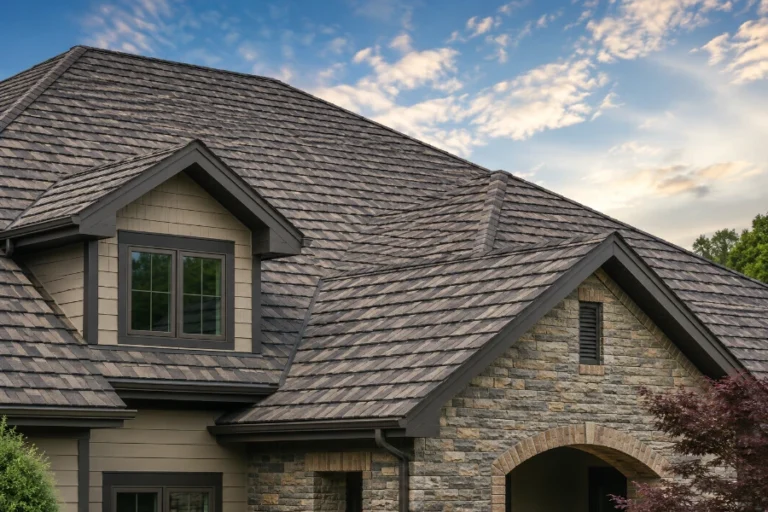
Stone-coated steel shake systems now mimic the appearance of cedar while solving many traditional wood roofing problems.
And the technology has improved enormously over the last decade.
Why Homeowners Are Switching
The appeal is easy to understand.
You Still Get the Shake Appearance
Modern stone-coated steel profiles replicate:
- Deep wood grain textures
- Shadow lines
- Rustic cedar appearance
- Multi-tone color variation
From the street, many people cannot immediately tell the difference.
Fire Resistance Improves Dramatically
Unlike natural cedar, stone-coated steel systems commonly achieve Class A fire ratings.
That alone becomes a deciding factor for many homeowners.
Better Storm Protection
Texas weather destroys weak roofing systems.
Stone-coated steel shake roofs are designed to handle:
- Hail
- High winds
- Heavy rain
- Intense UV exposure
Many systems also carry Class 4 impact ratings, the highest hail resistance classification available.
Lower Maintenance Requirements
This becomes a huge advantage long-term.
Unlike cedar, steel does not:
- Rot
- Split
- Absorb moisture
- Grow mold easily
- Attract insects
The maintenance difference over 30 years can be substantial.
Wood Shake Roof vs Stone-Coated Steel Shake
Here’s where the comparison becomes practical.
| Feature | Wood Shake Roof | Stone-Coated Steel Shake |
|---|---|---|
| Appearance | Natural cedar texture | Mimics cedar appearance |
| Fire Resistance | Moderate to low | Class A rated |
| Hail Resistance | Can crack or split | Often Class 4 rated |
| Wind Performance | Moderate | High wind-rated |
| Maintenance | High | Low |
| Lifespan | 20–35 years | 40–70 years |
| Moisture Resistance | Vulnerable | Excellent |
| Insurance Impact | Higher risk | Potential discounts |
| Weight | Moderate | Lightweight |
That table tells a big story.
Long-Term Value Often Changes the Equation
Traditional wood may cost slightly less initially in some markets.
But homeowners must also calculate:
- Maintenance
- Repairs
- Insurance costs
- Premature replacement risk
A roof is not just a purchase. It’s a decades-long ownership decision.
Best Homes for a Shake-Style Roof
The good news? Shake-inspired roofing works beautifully across many architectural styles.
Popular Home Styles
A wood shake roof or stone-coated shake profile works especially well with:
- Craftsman homes
- Rustic ranch properties
- Farmhouses
- Luxury estates
- Coastal homes
- Mountain-inspired architecture
The texture adds warmth and dimension that flat roofing systems often lack.
Color Options Matter More Than People Think
Modern shake-style roofing comes in:
- Natural cedar tones
- Weathered gray
- Espresso blends
- Charcoal finishes
- Multi-tone rustic combinations
The right color dramatically changes the personality of the home.
How to Choose the Right Roofing Contractor
Even the best roofing material can fail with poor installation.
That part matters tremendously.
Ask These Questions First
Before hiring a contractor, ask:
- How much experience do you have with shake-style roofing?
- Are you licensed and insured?
- What warranties are included?
- Do you install stone-coated steel systems?
- Can you provide local references?
- How do you handle ventilation design?
Good contractors welcome these questions.
Bad contractors avoid specifics.
Installation Quality Affects Everything
Proper installation impacts:
- Wind resistance
- Leak prevention
- Ventilation
- Lifespan
- Warranty validity
Shortcuts during installation usually become expensive later.
Very expensive.
Final Thoughts on Wood Shake Roof Systems
A wood shake roof remains one of the most beautiful roofing styles available. There’s no denying that.
The texture feels timeless. The curb appeal is exceptional. And for certain architectural styles, cedar shakes create a look few other materials can fully duplicate.
But beauty comes with tradeoffs.
Traditional wood roofing demands maintenance, faces fire concerns, and can struggle in severe weather conditions over time.
That’s why many homeowners are now turning toward stone-coated steel shake roofing systems instead. They want the same rich appearance without the constant upkeep and storm vulnerability.
And honestly, that shift makes sense.
Modern roofing technology allows homeowners to preserve architectural beauty while gaining better protection, longer lifespan, stronger fire ratings, and improved resistance against Texas weather.
A roof should do more than look good from the street.
It should protect the home for decades.
FAQs
1. How long does a wood shake roof last?A properly maintained wood shake roof typically lasts between 20 and 35 years depending on climate, maintenance, and installation quality.
2. Are wood shake roofs expensive?Yes. A wood shake roof usually costs more than asphalt shingles because of material pricing and specialized installation labor.
3. Do wood shake roofs require maintenance?Absolutely. Regular cleaning, inspections, moss removal, and damaged shake replacement are necessary to extend roof life.
4. Are wood shake roofs fire-resistant?Traditional untreated wood shakes are less fire-resistant than metal roofing systems, though some treated products improve fire performance.
5. Can a wood shake roof handle hail storms?Wood shakes can crack, split, or loosen during severe hailstorms, especially as the roof ages.
6. What is the difference between wood shakes and wood shingles?Wood shakes are typically thicker and more textured, while wood shingles are machine-cut for a smoother and more uniform appearance.
7. Are stone-coated steel shake roofs better than real wood?Many homeowners prefer stone-coated steel because it offers the look of cedar with better fire resistance, durability, and lower maintenance.
8. Does a wood shake roof increase home value?It can improve curb appeal and perceived luxury, which may positively influence resale value in certain markets.
9. Is a wood shake roof good for Texas weather?Wood shakes can struggle in extreme Texas heat, hail, and storms, which is why many homeowners explore more durable alternatives.
10. Which roofing material lasts longer than wood shake?Stone-coated steel and standing seam metal roofs generally last much longer than traditional wood shake roofing systems.