Tile roofs continue to dominate some of the most beautiful homes in America for one simple reason — they look incredible while offering serious durability. From Mediterranean villas to upscale Texas homes, tile roofs have built a reputation for elegance, longevity, and weather resistance that few roofing systems can match.
But modern roofing has changed.
Today, homeowners are no longer limited to heavy clay or fragile concrete materials. Modern tile roofs now include lightweight stone coated steel systems that deliver the same architectural appearance without many of the traditional drawbacks. That shift matters. Especially in Texas, where heat, hail, hurricanes, and wind place enormous pressure on roofing systems year after year.
At Stone Coated Roofs, tile-inspired stone coated steel roofing has become one of the most requested options for homeowners wanting premium aesthetics combined with long-term performance.
And honestly? It makes sense.
A roof should not only protect your home. It should elevate it.
What Are Tile Roofs?
Tile roofs are roofing systems designed with overlapping curved or flat tile materials that create a layered water-shedding surface. Traditional tile roofs are commonly made from:
- Clay
- Concrete
- Terracotta
- Composite materials
These roofs became popular in warmer climates because they handle heat exceptionally well while delivering a timeless architectural appearance.
You’ll commonly see tile roofs on:
- Mediterranean homes
- Spanish-style architecture
- Luxury custom homes
- Coastal properties
- Southwestern-style residences
The visual impact is immediate. Tile roofs create depth, texture, and shadow lines that standard asphalt shingles simply cannot replicate.
Modern roofing manufacturers, however, have pushed the category further.
Stone coated steel tile systems now mimic the appearance of traditional tile roofs while dramatically reducing weight and improving impact resistance.
That combination has changed the roofing industry.
Why Homeowners Choose Tile Roofs
Long Lifespan
Longevity remains one of the biggest reasons people invest in tile roofs.
Traditional clay and concrete systems can last decades when properly maintained. Some survive 50 years or more. Stone coated steel tile systems often carry long-term manufacturer warranties as well, making them attractive for homeowners planning to stay in their property long term.
Here’s the reality most homeowners eventually discover:
Cheap roofs become expensive roofs over time.
Frequent replacements, storm repairs, and ongoing maintenance costs add up quickly.
Tile roofs reduce that cycle.
Strong Curb Appeal
Appearance matters. Especially when roofing can account for nearly half of a home’s visible exterior.
Tile roofs instantly create a higher-end look.
The curved profiles, dimensional shadows, and textured finishes give homes a custom appearance that stands out from neighboring asphalt roofs. This is particularly important in luxury communities and HOA-regulated neighborhoods where architectural consistency influences property value.
Popular aesthetics include:
| Tile Style | Common Look |
|---|---|
| Spanish Barrel Tile | Curved Mediterranean appearance |
| Roman Tile | Traditional European profile |
| Flat Tile | Contemporary luxury design |
| Terracotta Tile | Warm Southwestern appearance |
A beautiful roof changes the entire feel of a property. Fast.
Heat Resistance
Texas heat punishes roofing materials.
Tile roofs perform well because the design naturally promotes airflow beneath the roofing surface. That ventilation helps reduce heat transfer into the attic.
Some modern stone coated tile systems also include reflective coatings that help minimize solar heat absorption.
That matters during brutal summer months when attic temperatures can become extreme.
Fire Resistance
Many tile roofs receive excellent fire-resistance ratings because clay, concrete, and steel materials are non-combustible.
For homeowners in wildfire-prone areas or regions with extreme heat exposure, that added protection becomes a serious advantage.
Tile Roofs vs Other Roofing Materials
Not every roofing system performs the same. Some prioritize cost. Others prioritize appearance. Tile roofs often balance both aesthetics and durability better than most alternatives.
Tile Roofs vs Asphalt Shingles
| Feature | Tile Roofs | Asphalt Shingles |
|---|---|---|
| Lifespan | 40–70 years | 15–25 years |
| Appearance | Premium architectural look | Standard residential appearance |
| Heat Resistance | Excellent | Moderate |
| Wind Resistance | Strong | Variable |
| Maintenance | Lower long-term | Higher replacement frequency |
Asphalt shingles remain popular because they’re affordable upfront.
But tile roofs often win long term.
Tile Roofs vs Traditional Metal Roofing
Standing seam metal roofs offer durability, but visually, they create a very different style.
Tile roofs tend to feel warmer, more residential, and more luxurious for Mediterranean or Southwestern homes.
Stone coated steel tile systems bridge both worlds by combining:
- Metal durability
- Tile aesthetics
- Lightweight performance
That hybrid approach has become extremely attractive in storm-heavy states.
Tile Roofs vs Concrete Tile
Concrete tile roofs are durable, but they come with one major problem.
Weight.
Traditional concrete systems can place enormous structural pressure on a home. Some properties require reinforcement before installation even begins.
Stone coated steel tile systems solve that issue while still delivering the same visual style.
The Biggest Challenges With Traditional Tile Roofs
Tile roofs are beautiful. But traditional systems are not perfect.
Heavy Weight
Concrete and clay tile roofs can weigh several times more than asphalt shingles.
That creates challenges like:
- Structural reinforcement requirements
- Higher installation costs
- Limited compatibility for older homes
Not every structure can safely support heavy roofing systems.
That’s a major consideration many homeowners overlook initially.
Fragility
Traditional tiles can crack.
Foot traffic, falling branches, hail impact, and improper maintenance can damage individual pieces over time.
And once tiles crack, water intrusion risks increase quickly.
Expensive Repairs
Matching older tile profiles can become difficult years later.
Some manufacturers discontinue styles or colors entirely. That forces homeowners into partial replacements that may not visually match the original roof.
Repairs can also require specialized labor.
Wind Vulnerability
Improperly installed tile roofs can struggle during severe wind events.
Texas storms are not forgiving.
Strong uplift pressure may loosen or shift tiles if installation standards are poor.
That’s why installation quality matters just as much as material quality.
Why Stone Coated Tile Roofs Are Becoming So Popular
The roofing industry has evolved rapidly.
Homeowners still want the beauty of tile roofs, but they also want better storm resistance, easier installation, and reduced structural concerns.
Stone coated steel tile systems answer those demands directly.
Lightweight But Durable
Stone coated steel roofing systems are dramatically lighter than concrete or clay.
That creates several advantages:
- Easier installation
- Reduced structural strain
- Faster project timelines
- Better compatibility with existing homes
Despite the lighter weight, these systems remain incredibly durable.
That combination surprises many homeowners.
Designed for Texas Weather
Texas roofing faces everything:
- Hail
- Wind
- Hurricanes
- Heat
- Heavy rain
- UV exposure
Modern stone coated tile roofs are specifically engineered to withstand harsh conditions while maintaining their appearance over time.
Many systems also carry high wind and impact ratings.
That matters when storm season arrives.
Tile Appearance Without the Drawbacks
This may be the biggest selling point.
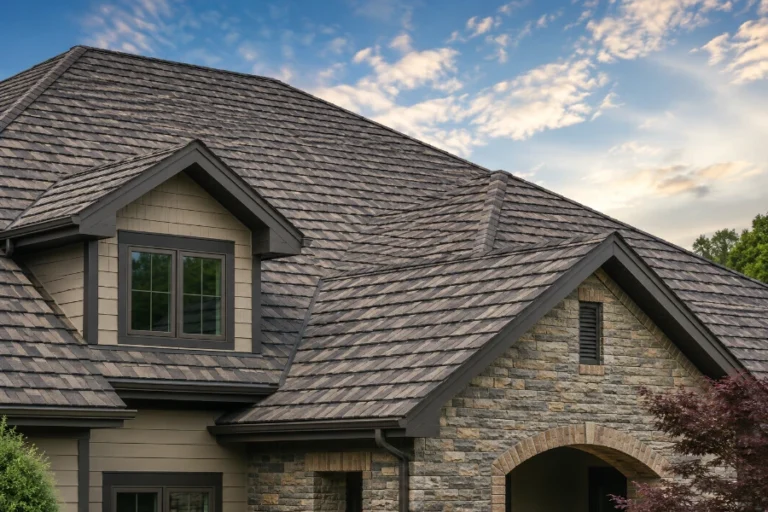
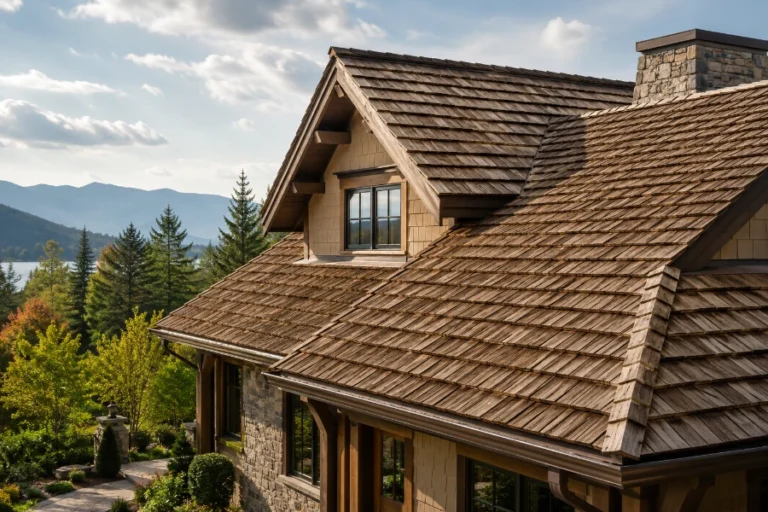
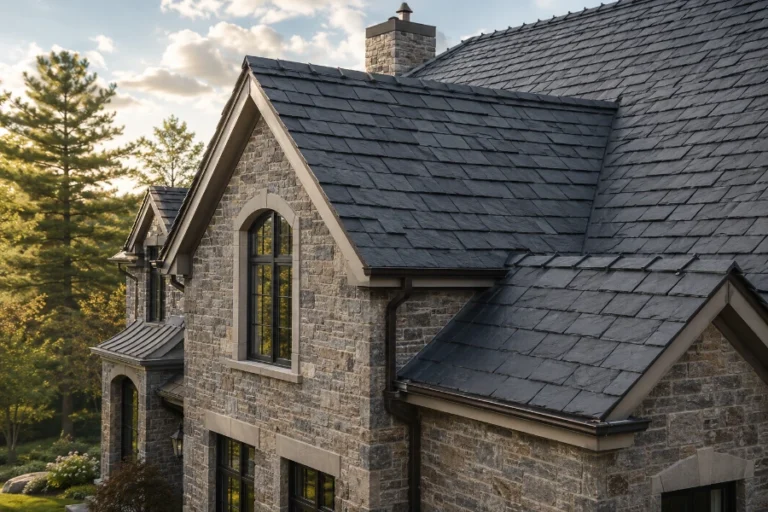
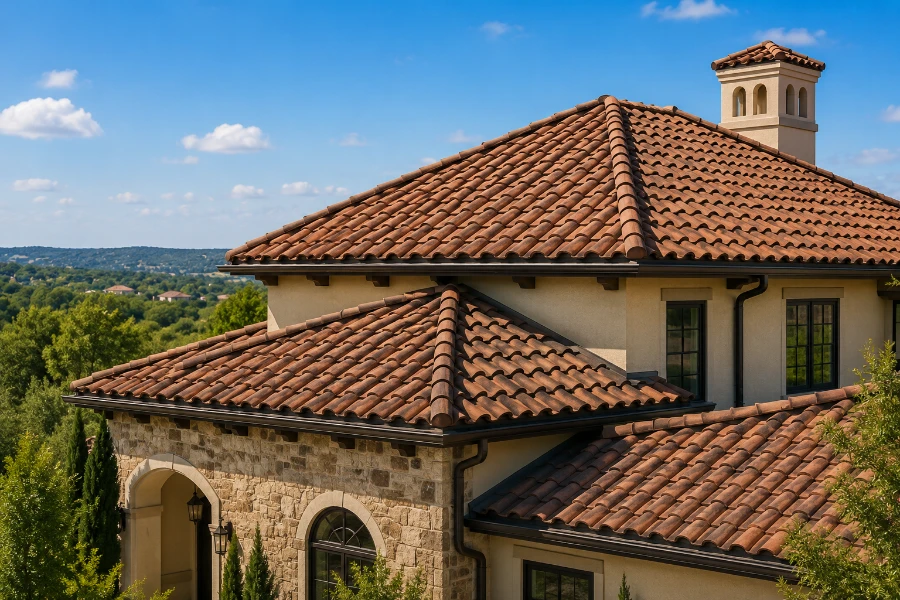
Modern stone coated steel can realistically replicate:
- Clay tile
- Mediterranean barrel tile
- Shake
- Slate
- Traditional tile textures
From the street, many people cannot tell the difference.
But structurally? The performance difference can be massive.
Lower Long-Term Maintenance
Traditional clay tiles often require careful walking procedures to avoid breakage.
Stone coated steel tile roofs eliminate much of that concern.
Homeowners typically benefit from:
- Fewer cracked materials
- Easier repairs
- Better impact resistance
- Improved long-term durability
That lowers maintenance headaches substantially.
Best Homes for Tile Roofs
Tile roofs work especially well on certain architectural styles.
Mediterranean Homes
This is the classic pairing.
Curved barrel tile profiles complement Mediterranean architecture naturally.
Spanish-Style Homes
Warm earth tones and tile roofing create a timeless Southwestern appearance that remains extremely popular across Texas.
Luxury Residential Properties
High-end homes benefit enormously from the upscale appearance tile roofs provide.
Roofing impacts curb appeal more than many homeowners realize.
Coastal Properties
Coastal weather can destroy weaker roofing systems quickly.
Properly installed tile-inspired steel roofing handles salt exposure, wind, and storms more effectively than many traditional materials.
Popular Tile Roof Styles
Spanish Barrel Tile
The iconic curved profile most people recognize immediately.
It creates deep shadow lines and dramatic visual texture.
Roman Tile
Roman tile systems use alternating flat and curved sections for a more structured appearance.
Flat Tile
Modern homes increasingly prefer flatter tile profiles for cleaner architectural lines.
Mediterranean Tile Designs
Warm terracotta finishes remain one of the most requested looks for luxury roofing.
How Tile Roof Installation Works
Roof installation is far more technical than many homeowners realize.
Step 1: Roof Inspection
Contractors evaluate:
- Structural integrity
- Deck condition
- Ventilation
- Existing roofing layers
This determines whether reinforcement or repairs are needed first.
Step 2: Underlayment Preparation
The underlayment protects against water intrusion beneath the visible roofing surface.
Quality underlayment matters enormously.
Step 3: Batten Systems and Ventilation
Many tile roofs use battens to create airflow beneath the roofing material.
Proper ventilation improves performance and longevity.
Step 4: Tile Installation
Installers carefully secure the roofing panels or tiles according to manufacturer specifications.
This step directly affects wind performance.
Step 5: Flashing and Waterproofing
Critical areas include:
- Valleys
- Chimneys
- Roof penetrations
- Ridge systems
Poor flashing work causes many roofing leaks.
Maintenance Tips for Tile Roofs
Even durable roofs need maintenance.
Schedule Routine Inspections
Professional inspections help identify:
- Loose materials
- Flashing problems
- Minor leaks
- Storm damage
Catching small issues early prevents expensive repairs later.
Keep Roof Valleys Clear
Leaves and debris trap moisture.
Regular cleaning helps maintain drainage performance.
Avoid Unnecessary Foot Traffic
Traditional tile roofs can crack under pressure.
Homeowners should avoid walking on the roof whenever possible.
Address Small Problems Quickly
Minor issues rarely stay minor for long.
Fast repairs protect the entire roofing system.
Are Tile Roofs Worth the Investment?
For many homeowners, yes.
Especially long term.
The upfront cost of tile roofs is higher than asphalt shingles. But roofing should be evaluated over decades, not just installation day.
Here’s why many homeowners believe tile roofs justify the investment:
| Benefit | Long-Term Impact |
|---|---|
| Longer lifespan | Fewer replacements |
| Better appearance | Increased curb appeal |
| Storm resistance | Reduced repair frequency |
| Energy efficiency | Potential cooling savings |
| Premium materials | Higher property value |
A cheap roof may save money today.
But replacing that roof multiple times over 30 years changes the equation completely.
Choosing the Right Tile Roofing Contractor
Not every roofer specializes in tile systems.
That matters more than many homeowners realize.
When evaluating contractors, ask about:
- Experience with tile roofs
- Manufacturer certifications
- Wind-rating installation methods
- Warranty coverage
- Insurance claim experience
- Local climate expertise
Texas roofing requires local knowledge.
Storm patterns, heat exposure, and regional building codes all influence installation requirements.
At Stone Coated Roofs, the focus remains on long-term roofing performance designed specifically for Texas conditions. The company installs multiple premium stone coated steel brands and tile-inspired roofing systems across residential and commercial properties statewide.
Why Tile Roofs Continue to Lead Premium Roofing
Some roofing trends fade quickly.
Tile roofs never really do.
The reason is simple. They combine beauty, durability, architectural character, and long-term value in a way few roofing systems can match.
And modern technology has only improved the category.
Today’s stone coated steel tile systems allow homeowners to achieve the classic Mediterranean appearance they love while avoiding many of the structural and maintenance concerns associated with traditional clay or concrete materials.
That shift is transforming roofing across Texas.
Especially for homeowners who are tired of replacing storm-damaged asphalt roofs every few years.
A roof should protect your home. Absolutely.
But it should also make the home feel complete.
That’s exactly why tile roofs continue to stand out year after year.
FAQs
1. How long do tile roofs typically last?Tile roofs can last 40–70 years or more depending on the material, installation quality, and maintenance routine.
2. Are tile roofs good for Texas weather?Yes. Tile roofs handle heat well and many modern systems are designed to resist strong wind, hail, and heavy rain.
3. Are tile roofs more expensive than shingles?Tile roofs usually cost more upfront than asphalt shingles, but they often last much longer and require fewer replacements.
4. Can tile roofs crack easily?Traditional clay and concrete tiles can crack under heavy impact or foot traffic, which is why proper maintenance matters.
5. What is the difference between clay tile and stone coated steel tile roofs?Clay tile is heavier and more fragile, while stone coated steel tile roofs are lightweight, durable, and designed to mimic the same appearance.
6. Do tile roofs improve home value?Yes. Many homeowners and buyers view tile roofs as a premium upgrade because of their appearance and longevity.
7. Are tile roofs energy efficient?Tile roofs can help reduce heat transfer into the attic by improving airflow and reflecting sunlight more effectively than some roofing materials.
8. Can tile roofs handle hurricanes and strong winds?Properly installed tile roofing systems, especially stone coated steel options, can perform very well in high-wind environments.
9. How often should tile roofs be inspected?Most professionals recommend inspecting tile roofs at least once a year and after major storms.
10. Are tile roofs heavy?Traditional concrete and clay tile roofs are heavy, but modern stone coated steel tile systems provide a similar look with far less weight.