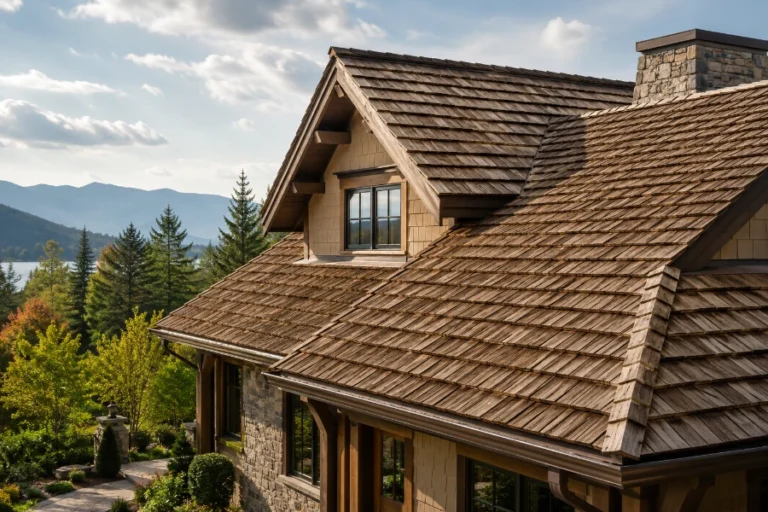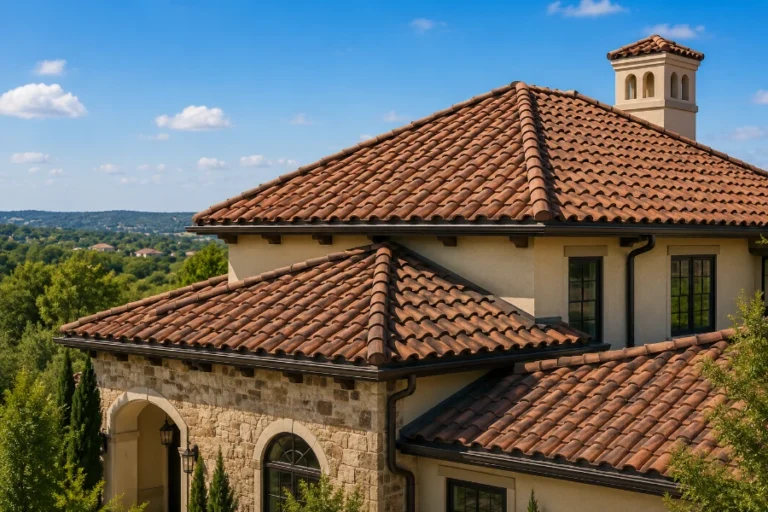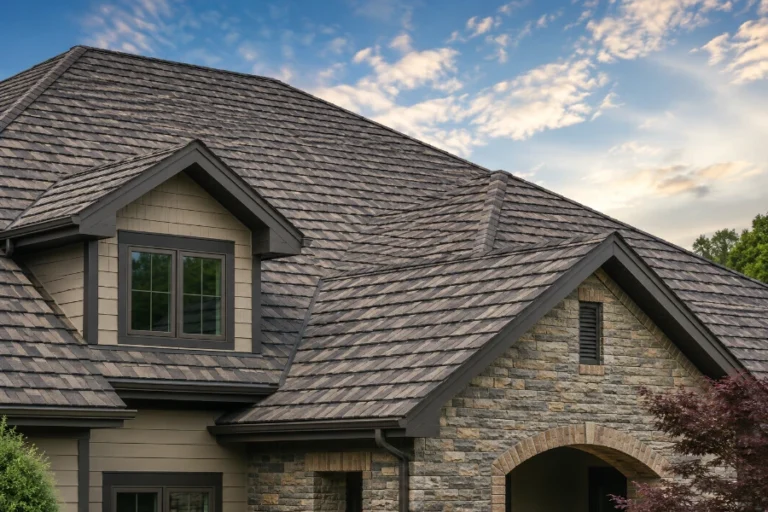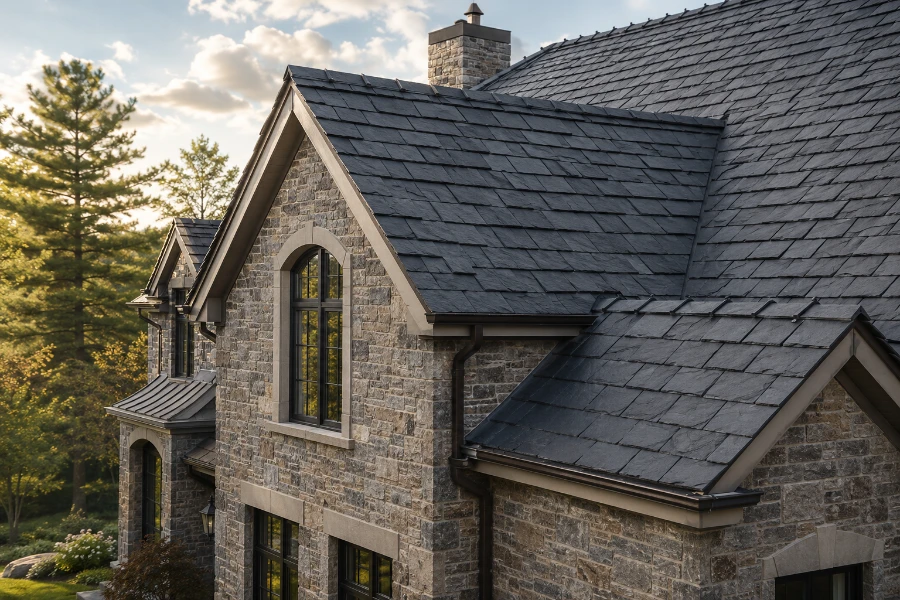
A slate roof has a reputation few roofing materials can match. It looks refined. Strong. Permanent. The kind of roof that instantly changes how a home feels from the street. And while roofing trends come and go, slate continues to sit in a category of its own.
But there’s a catch.
Traditional slate roofing is expensive, incredibly heavy, and difficult to install correctly. That’s exactly why modern homeowners are now exploring alternatives like stone coated steel slate roofing systems that deliver the same visual impact without many of the drawbacks.
For homeowners researching long-term roofing options, understanding how a slate roof performs in real-world conditions matters more than marketing promises. Lifespan, maintenance, storm resistance, installation requirements, and long-term value all deserve serious attention before making a decision.
Let’s break it all down.
What Is a Slate Roof?
A slate roof is a roofing system made from natural stone tiles or slate-inspired roofing materials designed to replicate the appearance of natural slate.
Traditional slate comes directly from quarried stone. Each tile is cut, shaped, and installed individually. The result? A roof with deep texture, dramatic character, and incredible longevity.
That luxurious appearance helped slate become a defining feature on:
- Historic estates
- Tudor-style homes
- Colonial architecture
- European-inspired luxury homes
- Churches and institutional buildings
Even today, few roofing materials create the same visual impression.
Modern roofing technology, however, has expanded the category. Homeowners can now choose between:
| Slate Roofing Type | Description |
|---|---|
| Natural Slate | Real quarried stone tiles |
| Synthetic Slate | Engineered polymer or composite materials |
| Stone Coated Steel Slate | Steel roofing panels designed to mimic slate |
That last category is growing rapidly. Especially in storm-heavy states where durability matters just as much as appearance.
Why Homeowners Love the Look of a Slate Roof
Some roofing systems simply cover a home.
A slate roof transforms it.
The layered texture creates depth that asphalt shingles struggle to imitate. Shadows shift throughout the day. Roof lines feel sharper. Architectural details become more dramatic.
And the visual versatility helps too.
Slate complements:
- Dark modern exteriors
- Brick homes
- Stone facades
- White colonial homes
- Luxury mountain-style designs
- Contemporary builds
Color options also play a major role.
Traditional slate often appears in:
- Charcoal gray
- Deep black
- Blue-gray
- Greenish weathered tones
- Purple undertones in rare stone varieties
Modern stone coated steel slate systems now replicate many of those same tones surprisingly well. From the ground, many homeowners can barely tell the difference.
That matters. Because most people want the look of a slate roof without inheriting all the complications that come with real stone.
The Biggest Advantages of a Slate Roof
Exceptional Lifespan
This is where slate becomes legendary.
A properly installed natural slate roof can last 75 to 150 years. Some historic structures have slate roofs still performing after more than a century.
Very few roofing materials even come close.
Even modern stone coated slate systems often carry warranties spanning decades, making them a major upgrade over standard asphalt roofing.
For homeowners planning to stay long term, that durability changes the math completely.
Fire Resistance
Natural slate is non-combustible.
That gives it one of the highest fire-resistance ratings available in residential roofing. In wildfire-prone regions or areas with extreme heat, that added protection matters more than many homeowners realize.
Stone coated steel systems also perform extremely well here because the steel substrate itself is non-combustible.
Weather Resistance
A high-quality slate roof handles harsh weather extremely well when properly installed.
Strong slate systems can resist:
- Heavy rain
- UV exposure
- Freeze-thaw cycles
- Wind-driven storms
- Snow accumulation
- Heat extremes
Some stone coated steel slate systems also achieve Class 4 impact ratings, which is particularly attractive in hail-prone regions.
Increased Home Value
Curb appeal sells homes.
And few roofing systems elevate curb appeal like slate.
Buyers often associate slate roofing with:
- Luxury construction
- Long-term durability
- Premium materials
- Historic quality
- Lower future replacement concerns
That perception alone can influence resale value significantly.
The Downsides of Traditional Slate Roofs
Slate looks incredible. No argument there.
But homeowners also need the full picture.
Extremely Heavy Weight
Natural slate is one of the heaviest roofing materials available.
Some slate roofs weigh between 800 and 1,500 pounds per square.
That creates major structural concerns.
Many homes require reinforcement before installation, which increases project costs dramatically.
This is one reason stone coated steel alternatives have become so popular. They replicate the appearance of slate while weighing only a fraction as much.
High Installation Costs
A slate roof is not a budget roofing system.
Not even close.
Costs rise because of:
- Material pricing
- Specialized labor
- Longer installation times
- Structural reinforcement
- Complex flashing work
- Difficult transportation and handling
Finding experienced slate installers can also be difficult depending on the market.
Fragility Concerns
Natural slate is durable against weather.
But surprisingly fragile under foot traffic.
Walking improperly on slate tiles can crack them. One careless repair technician can create expensive damage during unrelated work like chimney repairs or gutter servicing.
Repair Challenges
Repairing a slate roof requires skill.
Matching old slate tiles can become difficult over time because quarry sources and coloration change. Poor repairs stand out visually and can compromise waterproofing performance.
That’s another reason many homeowners now lean toward modern slate-look systems instead.
Stone Coated Steel Slate Roofs: A Modern Alternative
This is where the roofing industry has evolved dramatically.
Stone coated steel roofing combines:
- Steel panels
- Protective coatings
- Stone granule finishes
- Interlocking installation systems
The goal is simple.
Create the appearance of slate without the massive weight and fragility.
And honestly? The results are impressive.
Why Homeowners Are Switching
Many homeowners now choose stone coated slate roofing because it offers:
- Lightweight construction
- Strong wind resistance
- Better impact resistance
- Easier installation
- Lower structural stress
- Reduced maintenance
- Long-term durability
For storm-prone regions, that combination becomes very attractive.
Especially in places where hail, wind, and heat destroy traditional roofing systems repeatedly.
The Visual Gap Keeps Shrinking
Modern manufacturing has improved enormously.
Today’s stone coated slate systems replicate:
- Layered shadow lines
- Stone texture
- Color variation
- Dimensional appearance
From street level, many people cannot distinguish premium stone coated steel from natural slate.
That visual realism is helping drive major growth in the category.
Slate Roof vs Asphalt Shingles
This comparison matters because asphalt shingles remain the most common roofing system in America.
But the differences are massive.
| Feature | Slate Roof | Asphalt Shingles |
|---|---|---|
| Lifespan | 75–150+ years | 15–30 years |
| Appearance | Premium luxury look | Standard residential look |
| Weight | Very heavy | Lightweight |
| Storm Resistance | Excellent | Moderate |
| Fire Resistance | Excellent | Moderate |
| Maintenance | Low to moderate | Moderate |
| Replacement Frequency | Rare | Frequent |
| Cost | High upfront | Lower upfront |
Asphalt shingles cost less initially.
But replacement cycles add up over time.
That’s why many homeowners eventually explore premium systems like slate or stone coated steel after repeated asphalt failures.
Slate Roof vs Stone Coated Steel
This is one of the most important roofing comparisons happening today.
| Feature | Natural Slate | Stone Coated Steel Slate |
|---|---|---|
| Appearance | Authentic stone | Slate-inspired appearance |
| Weight | Extremely heavy | Lightweight |
| Fragility | Can crack | Highly impact resistant |
| Installation | Specialized | Easier and faster |
| Structural Reinforcement | Often required | Rarely required |
| Hail Resistance | Good | Often excellent |
| Cost | Very high | More manageable |
| Maintenance | Moderate | Lower |
For many homeowners, stone coated steel becomes the practical middle ground.
You still get the upscale slate appearance. But without the structural headaches and extreme installation costs.
How Long Does a Slate Roof Last?
Longevity depends heavily on installation quality.
A poorly installed slate roof can fail early despite premium materials.
A properly installed system can last generations.
Several factors influence lifespan:
- Roof ventilation
- Underlayment quality
- Flashing installation
- Climate conditions
- Maintenance practices
- Fastener quality
- Installer experience
One overlooked issue is underlayment aging.
Even when slate tiles remain functional, older waterproofing layers underneath may eventually require replacement. That’s why experienced installation crews matter so much.
Common Slate Roof Problems Homeowners Face
Even premium roofs develop issues over time.
Cracked Tiles
Impact damage, improper foot traffic, and aging can crack individual tiles.
Flashing Failure
Metal flashing around chimneys, valleys, and penetrations often fails before the slate itself.
Moisture Intrusion
Improper installation details can allow hidden moisture infiltration beneath the roofing system.
Poor Installation Work
This is more common than many homeowners realize.
Bad fastener placement, poor alignment, and improper flashing details shorten lifespan dramatically.
Aging Underlayment
The slate may still look beautiful while underlying waterproofing materials deteriorate quietly underneath.
Is a Slate Roof Good for Texas Weather?
This is where roofing decisions become regional.
Texas weather is brutal on roofs.
Extreme heat. Hailstorms. High winds. UV exposure. Hurricanes near the coast. Sudden temperature swings.
A slate roof performs well in many of those conditions, but weight and hail concerns push some homeowners toward alternatives.
Stone coated steel slate systems are becoming increasingly popular across Texas because they combine:
- Lightweight construction
- Strong wind ratings
- Impact resistance
- Heat durability
- Slate-style appearance
That combination fits Texas conditions surprisingly well.
Especially for homeowners tired of replacing asphalt shingles after every major storm season.
How Much Does a Slate Roof Cost?
Pricing varies enormously.
Natural slate sits at the premium end of residential roofing.
Factors affecting price include:
- Roof size
- Roof pitch
- Material type
- Structural upgrades
- Accessibility
- Flashing complexity
- Regional labor costs
Here’s a general comparison:
| Roofing Type | Typical Cost Range |
|---|---|
| Asphalt Shingles | Lower |
| Stone Coated Steel Slate | Moderate to High |
| Natural Slate | Very High |
The key question isn’t just installation cost.
It’s lifetime value.
A cheaper roof replaced multiple times may ultimately cost more than a longer-lasting premium system.
Choosing the Right Slate Roof for Your Home
Not every homeowner needs natural slate.
And honestly, many homes are better suited for modern slate-inspired systems.
Before choosing a roofing system, ask:
- Can the structure support real slate?
- Is long-term durability a priority?
- How important is storm resistance?
- What is the long-term maintenance expectation?
- Is resale value a major goal?
- How long do you plan to stay in the home?
For many homeowners, stone coated steel slate roofing delivers the strongest balance of:
- Appearance
- Longevity
- Structural practicality
- Storm durability
- Lower maintenance
- Better long-term value
That’s especially true in storm-heavy regions where roofing performance matters just as much as aesthetics.
Final Thoughts
A slate roof remains one of the most admired roofing systems ever created. The visual depth, architectural character, and long-term durability are difficult to match.
But modern homeowners now have more choices than ever.
Traditional slate still delivers unmatched authenticity. Yet stone coated steel slate roofing systems are proving that homeowners no longer need to choose between beauty and practicality.
That’s a major shift.
Today, it’s possible to achieve the upscale appearance of slate while gaining better impact resistance, lower structural stress, and easier long-term maintenance.
And for many homeowners, that balance makes all the difference.
FAQs
1. How long does a slate roof last?A properly installed natural slate roof can last 75 to 150 years or more. Stone coated steel slate roofs also offer decades of durability with lower maintenance requirements.
2. Is a slate roof worth the money?For homeowners focused on longevity, curb appeal, and premium performance, a slate roof can be a strong long-term investment despite the higher upfront cost.
3. Are slate roofs heavy?Yes. Traditional slate roofing is extremely heavy and may require structural reinforcement before installation.
4. Can a slate roof handle hail storms?Natural slate handles weather well, but some tiles can crack from severe impacts. Many stone coated steel slate systems offer better hail resistance and Class 4 impact ratings.
5. What is the difference between natural slate and stone coated steel slate roofing?Natural slate uses real stone tiles, while stone coated steel uses lightweight steel panels designed to mimic the appearance of slate.
6. Does a slate roof require a lot of maintenance?Slate roofs generally require less maintenance than asphalt shingles, but damaged tiles and flashing should still be inspected periodically.
7. Can you walk on a slate roof?Walking on natural slate can crack tiles if done incorrectly. Repairs and inspections should be handled by experienced roofing professionals.
8. Is a slate roof energy efficient?Slate roofing can help regulate indoor temperatures because of its density and durability, especially when paired with proper attic ventilation.
9. Does a slate roof increase home value?Yes. Many buyers view slate roofing as a premium feature that improves curb appeal and long-term durability.
10. Is stone coated steel a good alternative to slate?For many homeowners, yes. Stone coated steel delivers the appearance of slate with lighter weight, better impact resistance, and easier installation.