Choosing between stone coated vs cedar shake roofing is not just about looks. It is about durability, maintenance, weather resistance, long-term value, and how much work you want your roof to demand over the years. Both roofing systems are premium options. Both can dramatically improve curb appeal. But they perform very differently once heat, storms, moisture, and aging start putting pressure on the roof. Some homeowners love the natural beauty of cedar shake. Others prefer the low-maintenance durability of stone coated steel roofing. The right choice depends on your priorities, your climate, and how long you plan to stay in your home. Let’s break it all down from beginning to end.
What Is a Stone Coated Roof?
Stone coated roofing is a steel roofing system covered with stone granules designed to create the appearance of traditional roofing materials like cedar shake, tile, or shingles. Underneath the textured surface is a durable metal core engineered for strength and longevity. Most systems include:
- Galvanized steel or galvalume steel
- Corrosion-resistant protective coatings
- Stone granule finish
- Interlocking panels
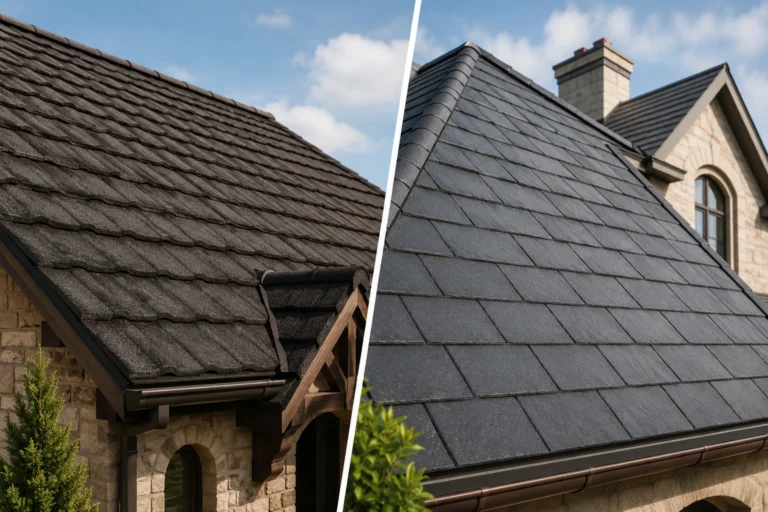
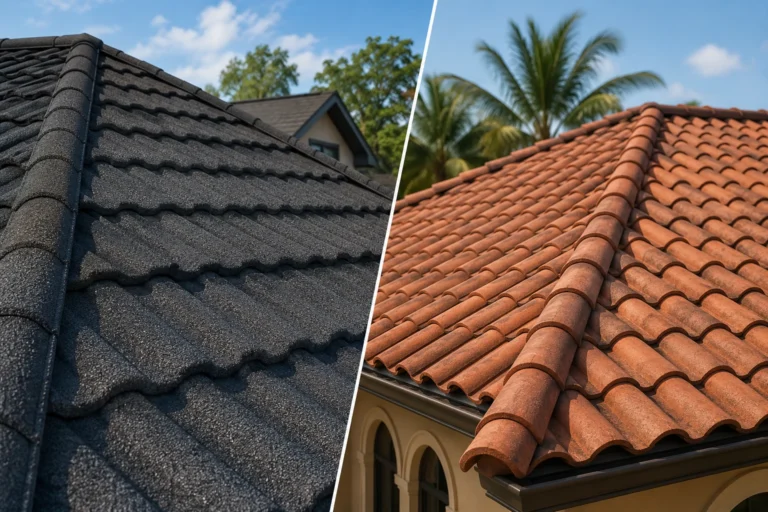
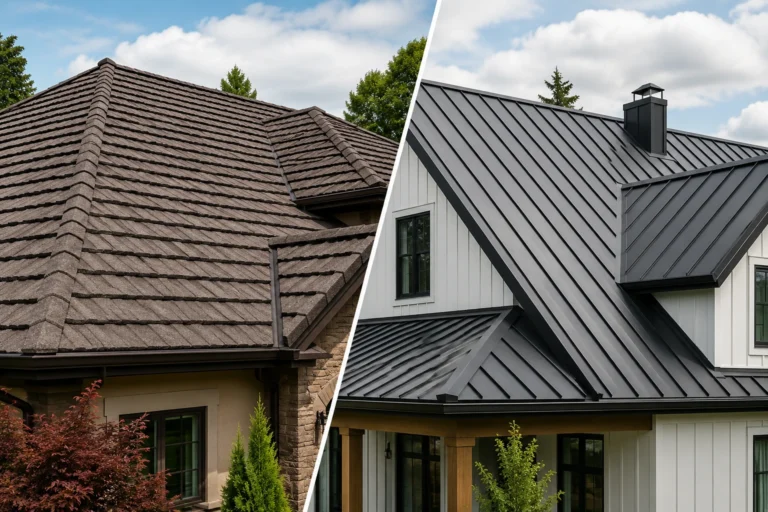
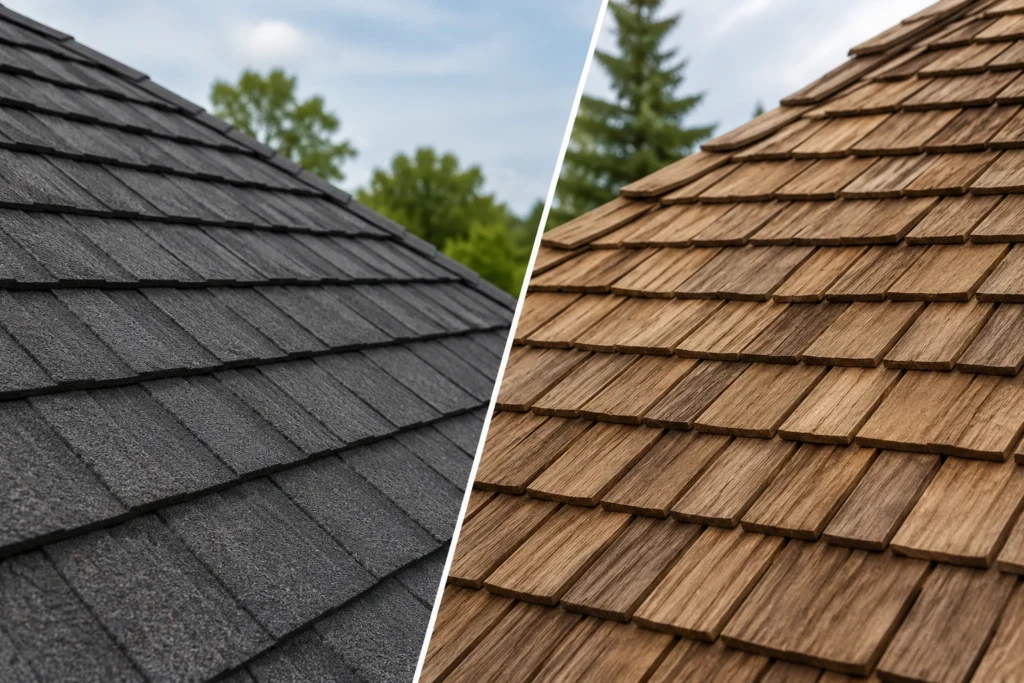
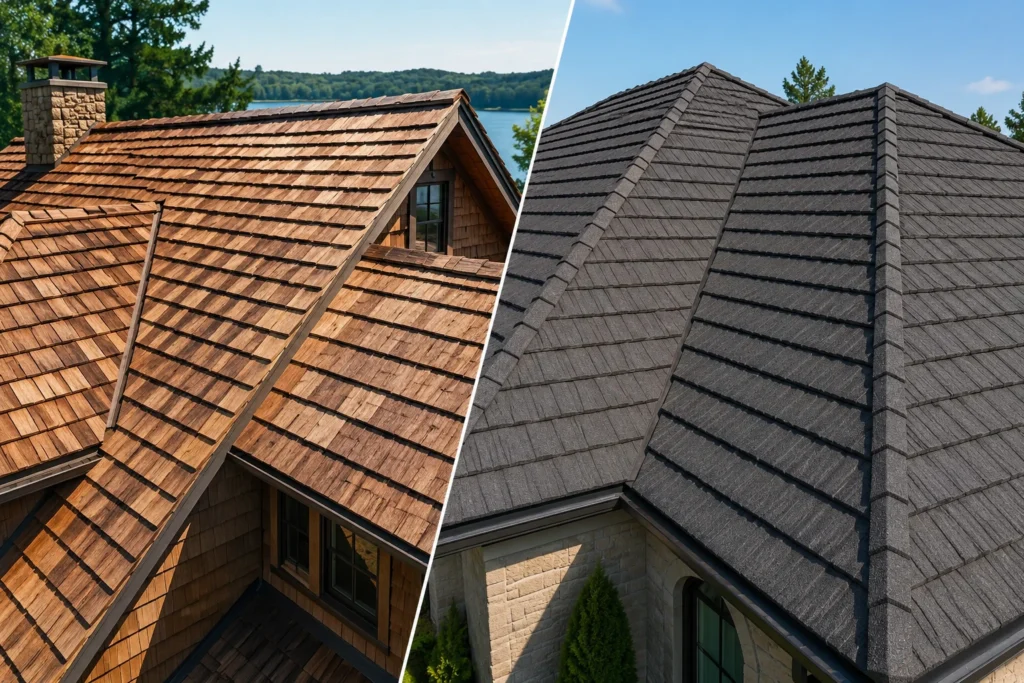
One reason homeowners compare stone coated vs cedar shake is because modern stone coated roofing can closely imitate real cedar shake while offering much better durability. Popular stone coated roofing styles include:
| Style | Appearance |
|---|---|
| Shake Profile | Mimics cedar shake |
| Tile Profile | Looks like clay tile |
| Shingle Profile | Resembles asphalt shingles |
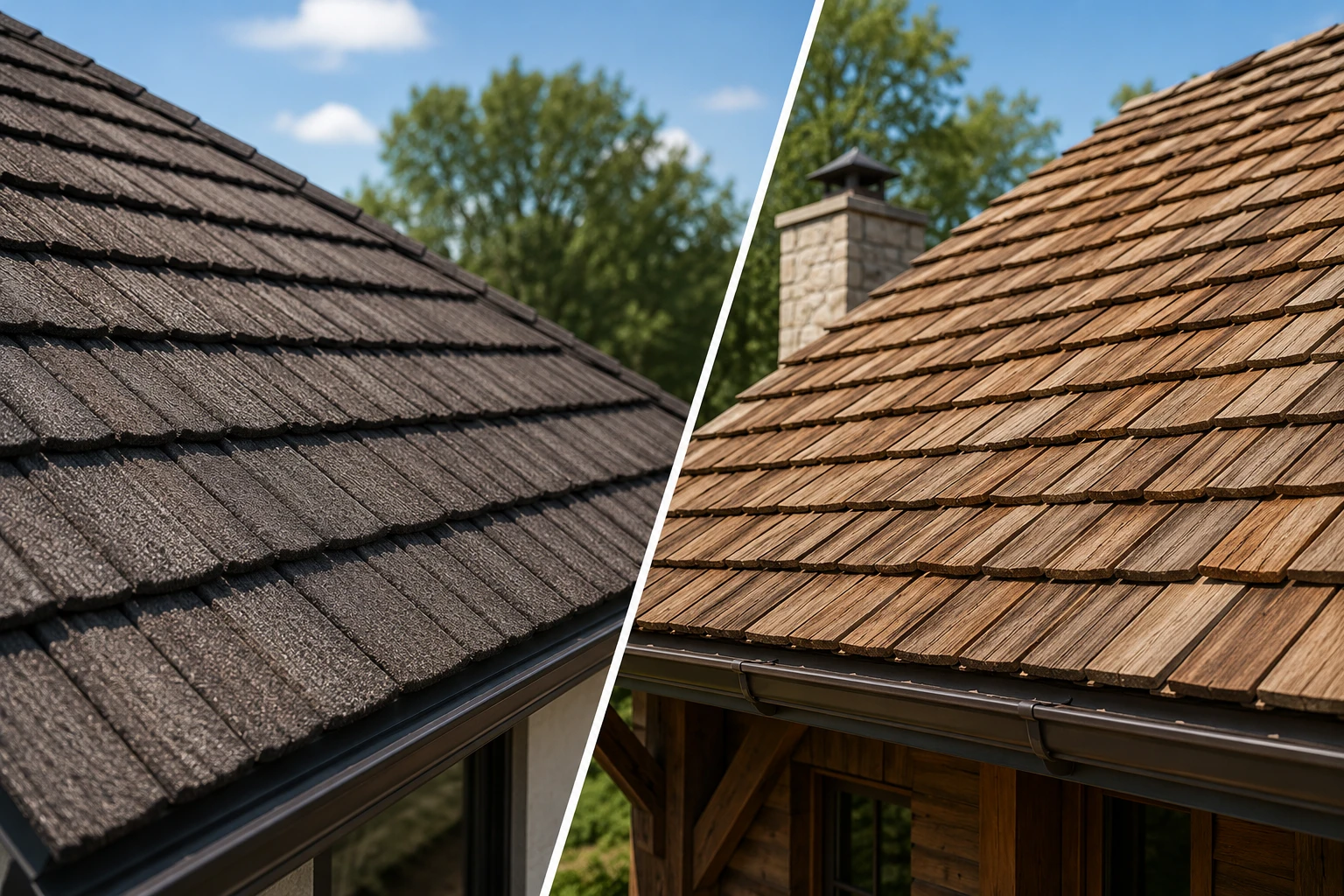
The visual realism has improved tremendously over the years. From street level, many stone coated roofs look remarkably similar to real wood shake roofs.
What Is a Cedar Shake Roof?
Cedar shake roofing is made from natural cedar wood split into thick roofing pieces. Unlike cedar shingles, which are machine-cut and smoother, cedar shakes have a rougher, more rustic appearance. That texture is part of the appeal. Most cedar shake roofs use:
- Western Red Cedar
- Alaskan Yellow Cedar
Cedar shake roofing has been used for generations because of its warmth, character, and traditional appearance. It creates a natural architectural style that many homeowners still love. But wood is still wood. It reacts to moisture, sunlight, heat, and aging much differently than steel. That becomes important when evaluating stone coated vs cedar shake roofing performance over time.
Appearance and Curb Appeal
This category often comes down to personal taste. Cedar shake roofing offers a classic, natural appearance that feels authentic and high-end. The irregular texture creates visual depth that changes throughout the day as lighting shifts across the roof. Stone coated roofing takes a different approach. It provides a more engineered appearance while still capturing the look of cedar shake. Many modern systems now replicate wood textures surprisingly well. Cedar shake advantages include:
- Natural beauty
- Rustic character
- Organic texture
- Traditional luxury appearance
Stone coated roofing advantages include:
- Consistent appearance
- Multiple color choices
- Cleaner lines
- Better long-term color retention
- Less visible aging
In the stone coated vs cedar shake debate, homeowners who want authentic natural texture often lean toward cedar. Homeowners wanting a similar appearance with less maintenance often choose stone coated roofing.
Durability and Lifespan
This is where the differences become more dramatic. Cedar shake roofs generally last:
- 20–30 years with proper maintenance
- Less in harsh climates
- Longer with exceptional upkeep
Stone coated steel roofs commonly last:
- 40–70 years
- Sometimes longer depending on installation quality
Steel simply handles environmental stress better than natural wood over time. Here is a quick comparison:
| Feature | Stone Coated Roofing | Cedar Shake |
|---|---|---|
| Lifespan | 40–70 Years | 20–30 Years |
| Rot Resistance | Excellent | Poor |
| Hail Resistance | High | Moderate |
| Wind Resistance | Excellent | Moderate |
| Fire Resistance | Excellent | Limited |
| Maintenance | Low | High |
One major reason homeowners compare stone coated vs cedar shake is because they want premium curb appeal without replacing or repairing roofing materials as frequently.
Weather Performance in Texas
Texas weather is unforgiving. Extreme heat. Intense UV exposure. Hailstorms. Heavy rain. Strong wind. Sudden temperature swings. Roofing materials must survive all of it. Cedar shake roofing can struggle under prolonged moisture exposure. Over time, wood may:
- Crack
- Warp
- Curl
- Rot
- Develop mold or mildew
Heat accelerates the aging process even further. Stone coated roofing performs much better in severe weather conditions because steel does not absorb moisture like wood. Interlocking systems also help improve wind resistance during storms. This is a major reason many homeowners choose stone coated roofing in hail-prone regions. When comparing stone coated vs cedar shake in Texas climates, stone coated roofing usually provides stronger long-term performance with fewer weather-related issues.
Maintenance Requirements
Maintenance is one of the biggest differences between these roofing systems. Cedar shake roofing requires ongoing care to remain in good condition. Typical cedar maintenance includes:
- Cleaning debris
- Preventing moss growth
- Replacing damaged shakes
- Treating moisture issues
- Routine inspections
- Preserving wood surfaces
Without regular maintenance, deterioration accelerates quickly. Stone coated roofing is far less demanding. Most homeowners only need:
- Occasional inspections
- Basic debris removal
- Minor flashing or fastener maintenance
That lower maintenance burden becomes a huge advantage over time.
Homeowners comparing stone coated vs cedar shake often realize they love the appearance of cedar but do not want the ongoing upkeep responsibilities that come with it.
Energy Efficiency
Both roofing systems offer energy-related benefits, but in different ways. Cedar naturally provides insulation because wood slows heat transfer. That can help stabilize indoor temperatures. Stone coated roofing systems often include reflective technology designed to reduce heat absorption. Many systems now feature:
- Reflective coatings
- Ventilation channels
- Heat-deflecting finishes
- Energy-efficient underlayment’s
In hot climates, reflective roofing performance matters enormously. A roof absorbing excessive heat increases attic temperatures and forces HVAC systems to work harder. Stone coated steel roofing frequently performs very well in hot weather because it reflects more solar radiation than many traditional roofing systems.
Fire Resistance and Safety
This category heavily favors stone coated roofing. Cedar is wood. Even treated cedar shake roofing can still present fire concerns compared to non-combustible roofing systems. Stone coated steel roofing commonly carries Class A fire ratings, which is the highest residential fire classification available. That offers major advantages involving:
- Fire protection
- Insurance considerations
- Building code compliance
- Long-term safety
Insurance companies sometimes charge higher premiums for wood roofing systems depending on location and wildfire exposure risks. This becomes an important consideration for homeowners evaluating long-term ownership costs.
Weight and Structural Considerations
Many homeowners assume steel roofing systems are extremely heavy. Actually, stone coated roofing is relatively lightweight compared to concrete tile or slate. Cedar shake roofing is also fairly lightweight. That means both systems can work well structurally for many homes without major reinforcement requirements. Some stone coated roofing systems may even be installed over existing roofing materials, reducing tear-off labor and disposal costs.
Installation Process
Both roofing systems require experienced installers. This is not an area where shortcuts pay off. Cedar shake installation involves careful spacing, layering, ventilation, and moisture management. Improper installation can create serious moisture retention problems later. Stone coated roofing installation focuses heavily on:
- Proper fastening
- Interlocking panel alignment
- Flashing details
- Ventilation design
- Underlayment quality
Poor installation ruins premium roofing materials fast. When homeowners compare stone coated vs cedar shake, contractor experience matters just as much as the roofing material itself.
Cost Comparison
Neither roofing system is inexpensive. Both cedar shake and stone coated roofing belong in the premium roofing category. But upfront cost is only part of the story. Long-term ownership costs matter more.
| Cost Category | Stone Coated Roofing | Cedar Shake |
|---|---|---|
| Initial Cost | High | High |
| Maintenance Cost | Low | High |
| Repair Frequency | Lower | Higher |
| Long-Term Value | Excellent | Moderate |
Cedar shake roofing often becomes significantly more expensive over time because maintenance accumulates year after year. Stone coated roofing typically requires fewer repairs and lasts much longer, improving long-term value for many homeowners.
Environmental Impact
This topic is more complicated than many people assume. Cedar is natural and biodegradable, which sounds environmentally friendly. However, harvesting practices and replacement frequency also matter. Stone coated steel roofing is recyclable and highly durable. Longer lifespan reduces landfill waste associated with repeated roof replacements. Some manufacturers also use recycled steel content during production. Longevity plays a major role in sustainability. A roof lasting 60 years may ultimately create less waste than one requiring replacement after 20 years. During discussions about corrosion-resistant finishes, many stone coated systems use advanced protective technologies similar to concepts explained in passivation processes.
Common Cedar Shake Problems
Cedar shake roofing is beautiful, but homeowners should understand its weaknesses before committing. Common issues include:
Cracking and Splitting
Wood naturally expands and contracts over time.
Rot
Moisture eventually damages aging cedar.
Mold and Mildew
Humid environments encourage biological growth.
Curling
Older shakes may warp or curl at edges.
Pest Damage
Insects sometimes target aging wood materials. Wood roofing materials also experience gradual movement caused by repeated moisture absorption cycles, a phenomenon related to Hygroscopy in natural materials.
Common Stone Coated Roofing Problems
Stone coated roofing is highly durable, but problems still happen when poor products or poor installation are involved. Potential issues include:
Fastener Mistakes
Improper fastening can create wind uplift vulnerabilities.
Inferior Products
Cheap imitation systems may fail prematurely.
Coating Damage
Low-quality finishes can lose granules over time.
Poor Flashing Work
Water intrusion often begins around transitions and penetrations. Again, installation quality matters enormously.
Which Roof Is Better?
The answer depends entirely on homeowner priorities.
Stone Coated Roofing May Be Better For:
- Long-term durability
- Lower maintenance
- Better hail resistance
- Fire-resistant protection
- Severe weather regions
- Long ownership timelines
Cedar Shake May Be Better For:
- Natural wood aesthetics
- Traditional architecture
- Rustic luxury appearance
- Historic-style homes
- Homeowners comfortable with maintenance
This is why the stone coated vs cedar shake decision is highly personal.
Final Verdict
After comparing stone coated vs cedar shake roofing across durability, maintenance, weather resistance, fire protection, and long-term value, stone coated roofing generally delivers stronger overall performance for most homeowners. It lasts longer. Requires less maintenance. Handles storms better. Provides superior fire resistance. And modern profiles now closely replicate cedar aesthetics. That combination is hard to beat. Still, cedar shake roofing continues to attract homeowners who value authentic natural beauty above everything else. The warmth and character of real cedar remain difficult to fully duplicate. Ultimately, the best roof depends on your goals. If you want lower maintenance and long-term durability, stone coated roofing is usually the smarter investment. If natural wood character matters more than maintenance demands, cedar shake may still be worth considering.
FAQs
Is stone-coated roofing better than cedar shake?Stone coated roofing is usually better for durability, storm resistance, and lower maintenance. Cedar shake is often preferred for its natural appearance and rustic character.
How long does a stone coated roof last?Most stone coated roofing systems last between 40 and 70 years depending on climate, installation quality, and maintenance.
Does cedar shake roofing require a lot of maintenance?Yes, cedar shake roofing requires regular inspections, cleaning, and moisture management to prevent rot, mold, and insect damage.
Which roof handles hail better?Stone coated roofing generally handles hail much better because many systems carry Class 4 impact resistance ratings.
Is cedar shake roofing energy efficient?Cedar shake offers natural insulation properties that can help regulate indoor temperatures, especially in moderate climates.
Does stone coated roofing look like real cedar shake?Many modern stone coated roofing systems are designed to closely resemble cedar shake while offering significantly better durability.
Which roofing material is more fire resistant?Stone coated roofing is far more fire resistant than cedar shake, making it a safer choice in wildfire-prone regions.
Is stone-coated roofing noisy during rain?Not usually. Proper installation with quality underlayment and attic insulation keeps indoor noise levels surprisingly low.
Which roof costs more over time?Cedar shake often costs more long term because of higher maintenance, more frequent repairs, and a shorter lifespan.
Can cedar shake roofing work in humid climates?It can, but humid environments increase the risk of rot, mold, and moss growth, which means maintenance becomes even more important.