Choosing a new roof is a major financial decision. And for many homeowners comparing roofing systems today, the debate often comes down to stone coated vs asphalt shingle options. Both materials are popular. Both can protect a home effectively. But they deliver very different experiences over time. One focuses on affordability and simplicity. The other prioritizes durability, longevity, and premium performance. That difference matters more than most people expect. If you are planning a roof replacement, understanding the real-world strengths and weaknesses of stone coated vs asphalt shingle roofing can help you avoid expensive mistakes later.
What Is a Stone-Coated Roof?
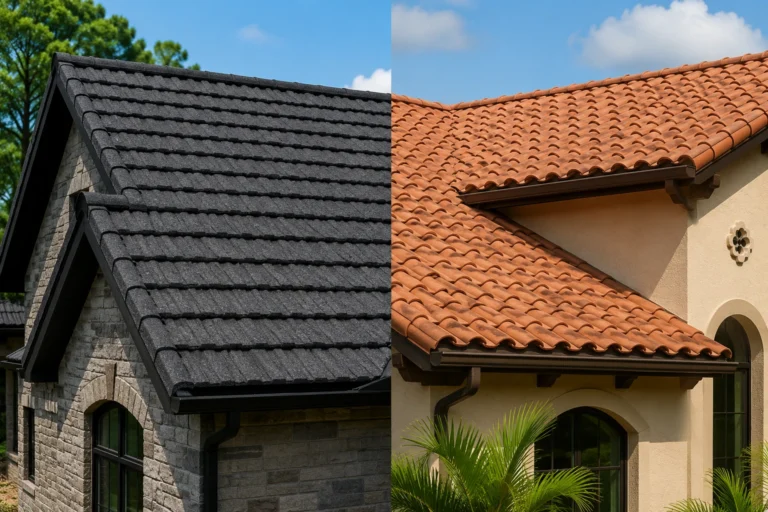
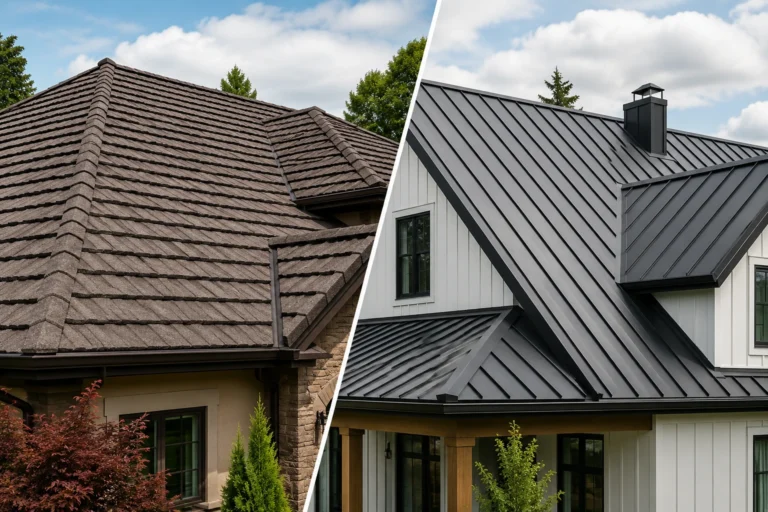
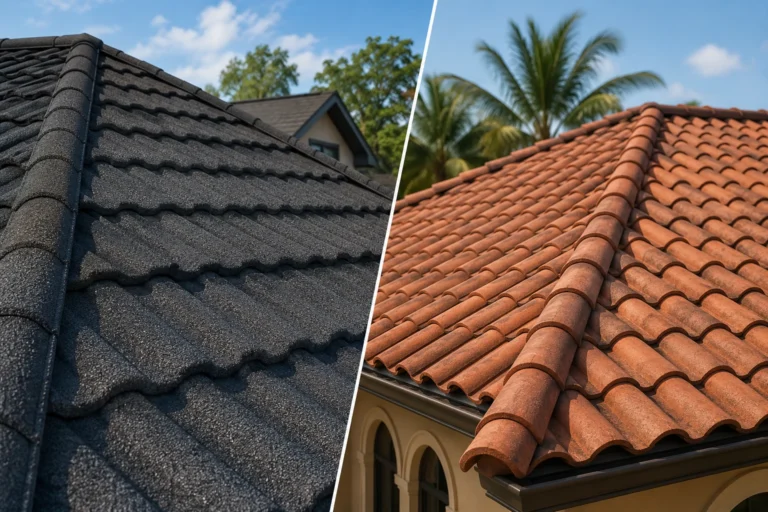
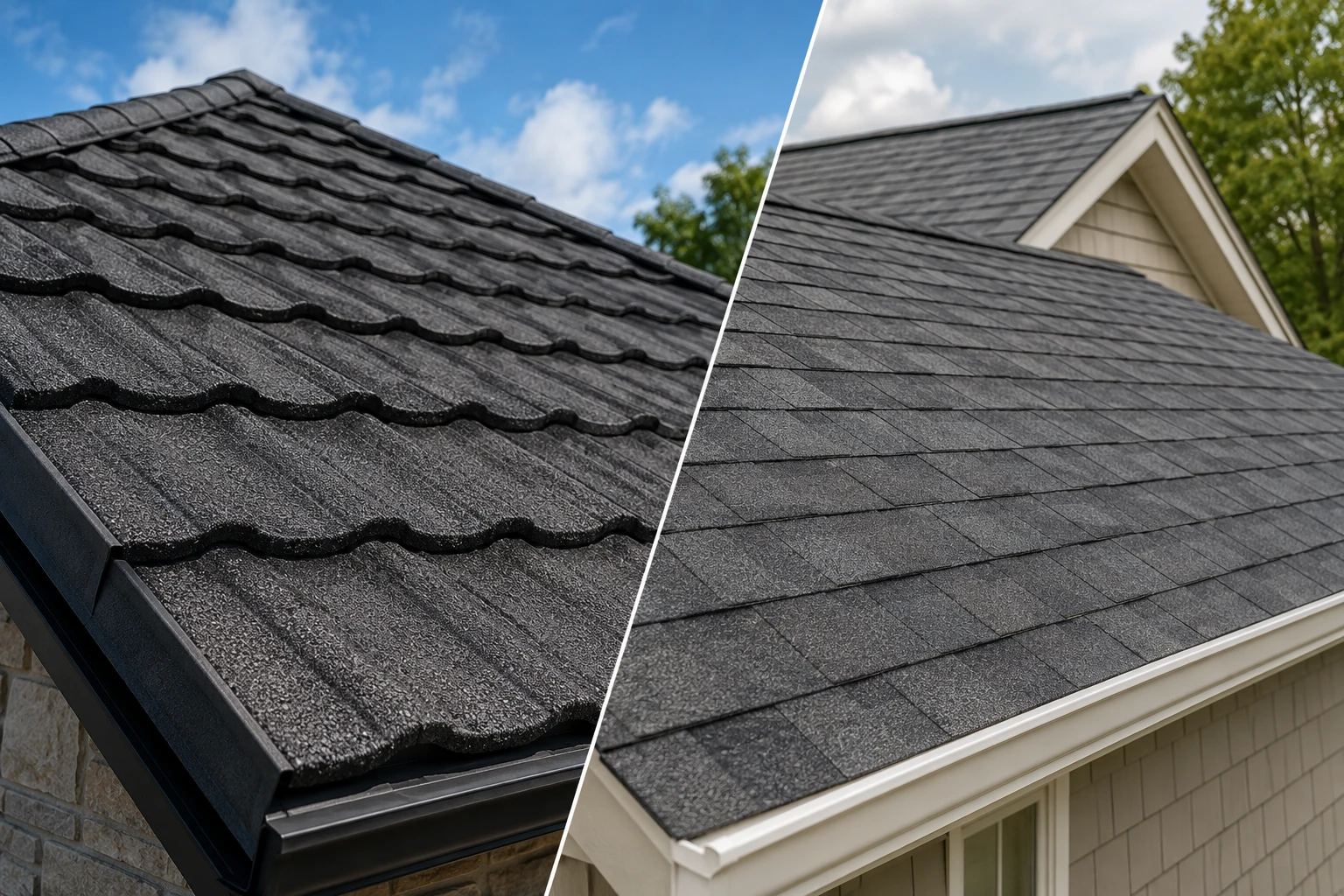
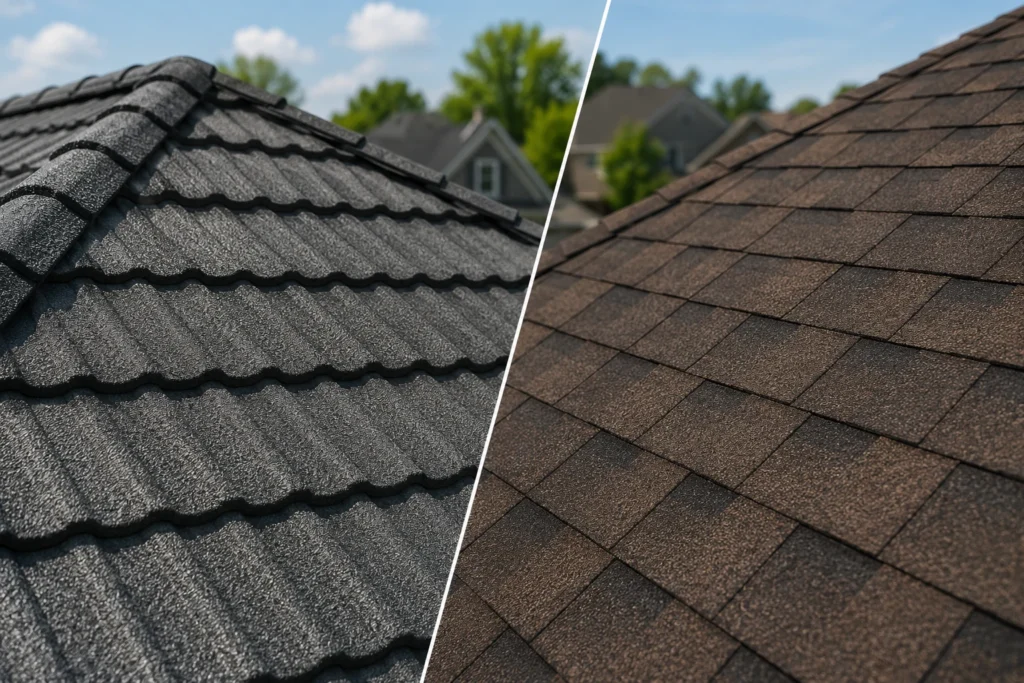
Stone-coated roofing is a metal roofing system covered with stone granules. Beneath the textured coating is usually galvanized steel or aluminum. The goal is simple. Deliver the strength of metal roofing while maintaining the appearance of traditional residential materials like tile, slate, or shingles. Many homeowners are surprised the first time they see one up close because it does not look industrial at all.
Common Stone-Coated Roofing Styles
Stone-coated roofs come in several designs:
- Shake-style panels
- Tile-inspired profiles
- Slate-look systems
- Shingle-style panels
This flexibility makes them suitable for both modern and traditional homes.
Why Homeowners Choose Stone-Coated Roofing
Stone-coated roofs continue gaining popularity because they offer:
- Long lifespan
- Strong hail resistance
- Excellent wind performance
- Lower maintenance needs
- Better energy efficiency
- Premium curb appeal
For homeowners planning long-term ownership, these benefits become extremely attractive.
What Are Asphalt Shingles?
Asphalt shingles remain the most common residential roofing material in the United States. Why? Because they are affordable, widely available, and relatively easy to install. Most asphalt shingles use a fiberglass mat coated with asphalt and topped with mineral granules for protection and appearance.
Main Types of Asphalt Shingles
3-Tab Shingles
Basic and budget-friendly.
Architectural Shingles
Thicker, layered, and more durable.
Luxury Shingles
Designed to mimic slate or cedar shake roofing. Architectural shingles dominate the market today because they balance price and appearance reasonably well.
Stone Coated vs Asphalt Shingle: Quick Comparison
| Feature | Stone-Coated Roofing | Asphalt Shingles |
|---|---|---|
| Lifespan | 40–70 years | 15–30 years |
| Wind Resistance | Excellent | Moderate |
| Hail Resistance | High | Moderate |
| Maintenance | Low | Moderate |
| Upfront Cost | Higher | Lower |
| Energy Efficiency | Better | Average |
| Appearance | Premium | Traditional |
| Replacement Frequency | Rare | More frequent |
The chart tells part of the story. The long-term ownership experience tells the rest.
Lifespan Comparison
Lifespan is one of the biggest reasons homeowners research projects stone coated vs asphalt shingle roofing systems. Replacing a roof twice is expensive. Replacing it three times becomes painful.
Stone-Coated Roof Lifespan
A properly installed stone-coated roof can last 40 to 70 years. Some manufacturers even offer warranties approaching 50 years. That changes the economics of roofing completely. Instead of budgeting for another replacement in 20 years, many homeowners may never replace the roof again during ownership.
Asphalt Shingle Lifespan
Asphalt shingles generally last:
- 15–20 years for standard shingles
- 20–30 years for architectural shingles
Climate matters heavily though. Extreme heat, hailstorms, strong winds, and poor ventilation can significantly shorten shingle life. Granule loss becomes one of the biggest long-term problems. Once shingles begin losing protective granules, aging accelerates quickly.
Which Roof Lasts Longer?
Stone-coated roofing clearly wins in longevity. For homeowners planning to stay in the property long term, that advantage becomes hard to ignore.
Durability and Weather Resistance
Roof durability matters more today than ever before. Storms are stronger. Insurance claims are rising. Weather extremes are becoming more common. A durable roof is no longer just a luxury feature. It is protection.
Hail Resistance
Hail causes major damage to asphalt shingles every year. Common problems include:
- Cracked shingles
- Granule displacement
- Bruising
- Exposed fiberglass mats
Some damage appears immediately. Some slowly develops into leaks later. Stone-coated roofing generally performs much better during hailstorms because the steel substrate beneath the coating adds structural strength. That does not make it indestructible. But it often survives storms with far less damage. This is one major reason many homeowners comparing stone coated vs asphalt shingle systems lean toward stone-coated roofing in hail-prone regions.
Wind Resistance
Many stone-coated roofing systems can withstand winds exceeding 120 mph. That is impressive performance for residential roofing. Asphalt shingles can also perform well initially, especially architectural products, but aging eventually weakens adhesive bonds and increases uplift risks. Older shingle roofs are especially vulnerable during major storms.
Fire Resistance
Stone-coated roofing naturally resists combustion better than asphalt-based products. Both systems can achieve strong fire ratings when installed correctly, but metal-based roofing generally provides stronger fire resistance overall. That matters in wildfire-prone areas.
Energy Efficiency Comparison
Roofing directly affects attic temperature and indoor comfort. Unfortunately, many homeowners overlook this during roof selection.
How Stone-Coated Roofs Improve Efficiency
Many stone-coated systems help reduce heat transfer into the attic. Benefits may include:
- Lower cooling costs
- Reduced attic heat buildup
- Less HVAC strain
- Improved indoor comfort
This becomes particularly valuable in hot climates. In some situations, homeowners approach roofing decisions almost like a form of Actuarial science balancing long-term maintenance costs, durability, and energy savings before choosing a material.
Asphalt Shingle Energy Performance
Traditional asphalt shingles absorb more heat, especially darker colors. That can increase attic temperatures during summer months. Cool roof shingle products exist, but standard shingles generally retain more heat than stone-coated systems.
Appearance and Curb Appeal
Appearance matters. Homeowners may not always admit it openly, but curb appeal strongly influences satisfaction and resale value.
Stone-Coated Roofing Appearance
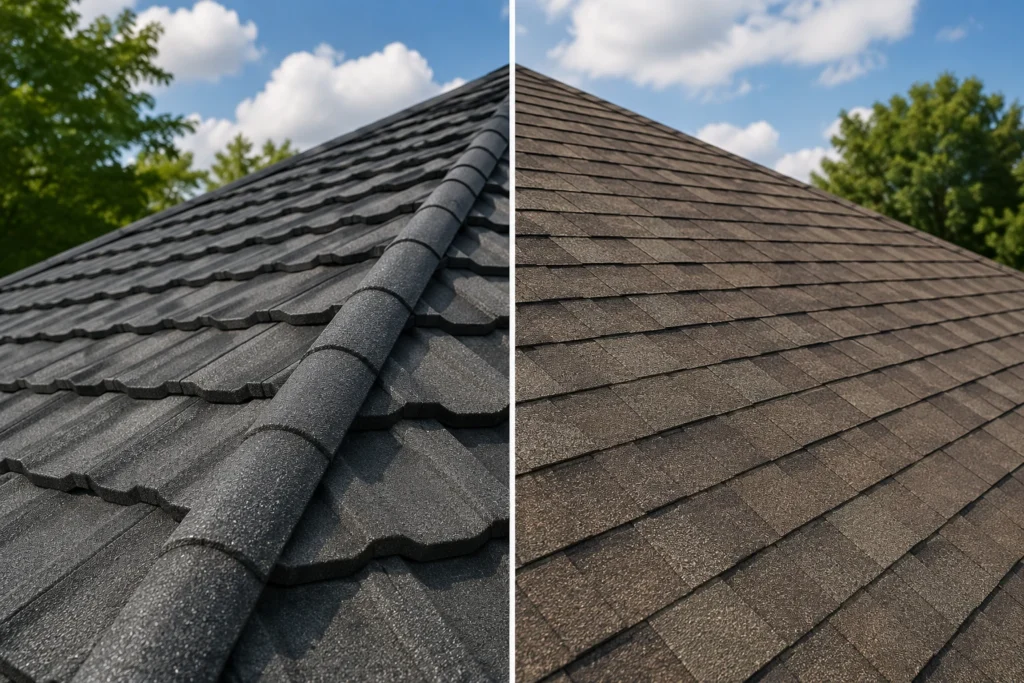
Stone-coated roofing often delivers a more upscale appearance. It can imitate:
- Cedar shake
- Slate
- Clay tile
- Premium shingles
Many people do not even realize it is metal roofing from the ground. That premium appearance helps certain homes stand out significantly.
Asphalt Shingle Appearance
Modern architectural shingles look far better than older 3-tab systems. Manufacturers now offer:
- Layered textures
- Blended colors
- Enhanced shadow lines
- Dimensional profiles
Still, asphalt shingles remain visually common because they are used so widely.
Installation Process
Installation quality matters just as much as material quality. Even premium roofing products fail under poor workmanship.
Installing Stone-Coated Roofing
Stone-coated roofing requires specialized installation experience. Contractors must understand:
- Interlocking panel systems
- Flashing integration
- Ventilation design
- Fastener placement
- Trim installation
This is not a roofing product you want installed by inexperienced crews.
Installing Asphalt Shingles
Asphalt shingles install more quickly and simply. That helps reduce labor costs and improves contractor availability. However, shortcuts during installation still create major problems later. Poor nailing patterns, inadequate ventilation, and rushed workmanship can shorten roof lifespan dramatically.
Maintenance Requirements
Nobody wants constant roof repairs. Maintenance expectations matter.
Stone-Coated Roofing Maintenance
Stone-coated roofs generally require very little maintenance. Typical upkeep includes:
- Occasional inspections
- Debris removal
- Gutter cleaning
- Flashing checks
Because the panels resist cracking, shrinking, and curling, maintenance costs usually stay lower over time.
Asphalt Shingle Maintenance
Asphalt shingles typically require more attention as they age. Common issues include:
- Missing shingles
- Curling edges
- Granule loss
- Algae growth
- Storm damage repairs
Those repair costs may seem manageable individually, but they add up over decades.
Cost Comparison
This is where the stone coated vs asphalt shingle discussion becomes most intense. Because the upfront pricing difference is substantial.
Upfront Costs
Stone-coated roofing costs more initially. Sometimes much more. Factors affecting price include:
- Material quality
- Specialized labor
- Installation complexity
- Accessory systems
Asphalt shingles remain the lower-cost option upfront, which explains their popularity. For budget-conscious homeowners, that affordability matters.
Long-Term Cost Analysis
Long-term ownership changes the equation entirely. A cheaper roof replaced multiple times may ultimately cost more than a premium roof installed once. Homeowners should consider:
- Repair frequency
- Replacement cycles
- Insurance deductibles
- Maintenance expenses
- Energy efficiency
Proper attic airflow also becomes critical during long-term roof performance discussions because roofing systems interact heavily with insulation and Thermodynamics inside the home.
Insurance Considerations
Insurance companies pay close attention to roofing materials. Roof durability affects claim frequency. Claim frequency affects premiums.
Stone-Coated Roof Insurance Benefits
Some insurers offer discounts for impact-resistant roofing systems. Durable roofs often generate fewer claims, especially in hail-prone regions. Homeowners considering stone coated vs asphalt shingle systems should absolutely ask insurance providers about possible premium reductions.
Asphalt Shingle Claim Issues
Asphalt shingles generate large numbers of storm-related insurance claims annually. Common claim issues include:
- Hail bruising
- Wind uplift
- Granule loss
- Water intrusion
Frequent repairs can eventually become frustrating for homeowners in severe-weather regions.
Which Roof Is Best for Different Homeowners?
There is no universal winner. The best roof depends on the homeowner’s goals.
Stone-Coated Roofing Is Best For:
- Long-term homeowners
- Luxury homes
- Storm-prone regions
- Homeowners prioritizing durability
- People seeking lower maintenance
Asphalt Shingles Are Best For:
- Budget-focused projects
- Rental properties
- Short-term ownership
- Faster roof replacements
That distinction matters enormously. A forever home and an investment property rarely require the same roofing strategy.
Common Roofing Mistakes Homeowners Make
Roofing mistakes are expensive. Sometimes painfully expensive.
Choosing Based Only on Price
The cheapest roof upfront is not always the cheapest long-term solution.
Hiring Inexperienced Contractors
Poor installation ruins even premium roofing materials. Always verify:
- Licensing
- Insurance
- References
- Manufacturer certifications
Ignoring Ventilation
Improper attic ventilation shortens roof lifespan significantly. No roofing material performs well under constant trapped heat and moisture.
Overlooking Climate Conditions
Hail zones, high winds, coastal environments, and extreme heat should heavily influence roofing selection.
Final Verdict: Stone Coated vs Asphalt Shingle
So which roofing system wins the stone coated vs asphalt shingle debate? It depends on priorities. If affordability and installation simplicity matter most, asphalt shingles remain a practical option. They are widely available, cost-effective, and familiar to most homeowners. But if durability, longevity, weather resistance, and lower long-term maintenance matter more, stone-coated roofing becomes incredibly compelling. Especially for homeowners planning to stay in their property for decades. Personally, I think many homeowners underestimate the emotional value of durability. There is real peace of mind in knowing your roof can withstand storms, heat, wind, and time with fewer problems. That peace of mind has value. At the same time, not every homeowner needs a premium roofing system. Some simply need reliable protection within a limited budget. The smartest roofing decisions happen when homeowners honestly evaluate:
- Budget
- Ownership timeline
- Climate exposure
- Maintenance expectations
- Long-term goals
Because the best roof is not automatically the most expensive roof. It is the roof that fits the homeowner’s real priorities best.
FAQs
Is stone-coated roofing better than asphalt shingles?Stone-coated roofing generally offers better durability, storm resistance, and lifespan, while asphalt shingles are usually more affordable upfront.
How long does a stone-coated roof last?Most stone-coated roofing systems last between 40 and 70 years when properly installed and maintained.
How long do asphalt shingles typically last?Standard asphalt shingles usually last 15 to 30 years depending on climate, installation quality, and maintenance.
Are stone-coated roofs more expensive?Yes, stone-coated roofing typically costs more initially because of higher material quality and specialized installation requirements.
Which roof performs better during hailstorms?Stone-coated roofing usually performs better against hail impact because steel provides stronger structural resistance than asphalt shingles.
Are stone-coated roofs noisy during rain?Not usually. Proper insulation, roof decking, and attic space help reduce sound significantly inside the home.
Do asphalt shingles require more maintenance?Yes, asphalt shingles often need more repairs over time due to curling, granule loss, and storm-related damage.
Which roofing system is more energy efficient?Stone-coated roofing often reflects heat more effectively, which may help reduce attic temperatures and cooling costs.
Can stone-coated roofing increase home value?In many cases, yes. Buyers often view stone-coated roofing as a premium upgrade because of its durability and appearance.
Which roofing option is best for long-term homeowners?Stone-coated roofing is usually better for long-term ownership because it lasts longer and typically requires fewer repairs over time.