Choosing the right roofing system is a major investment. And when homeowners start comparing premium materials, the conversation often comes down to stone coated vs synthetic slate. Both offer impressive durability, upgraded curb appeal, and longer lifespans than traditional asphalt shingles. But they perform very differently once weather, maintenance, energy efficiency, and long-term ownership enter the picture. Some homeowners prioritize luxury aesthetics. Others care more about storm protection. Some want the lightest roof possible. Others focus entirely on resale value. That is why understanding the real differences matters before making a final roofing decision.
What Is Stone Coated Roofing?
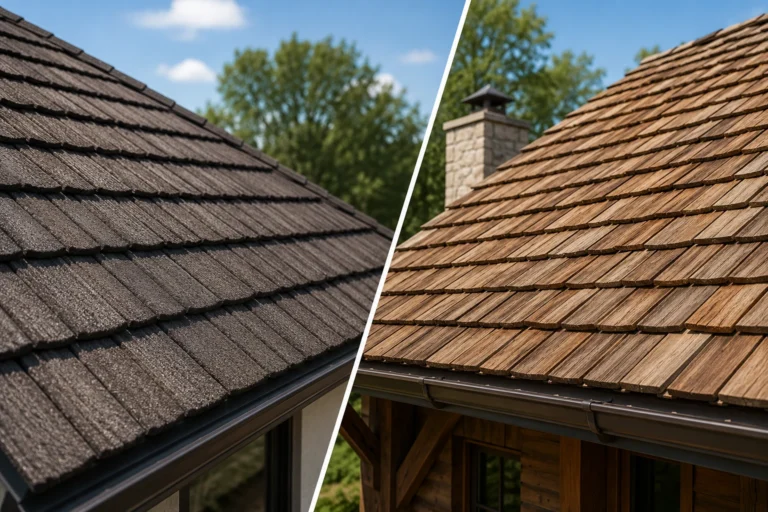
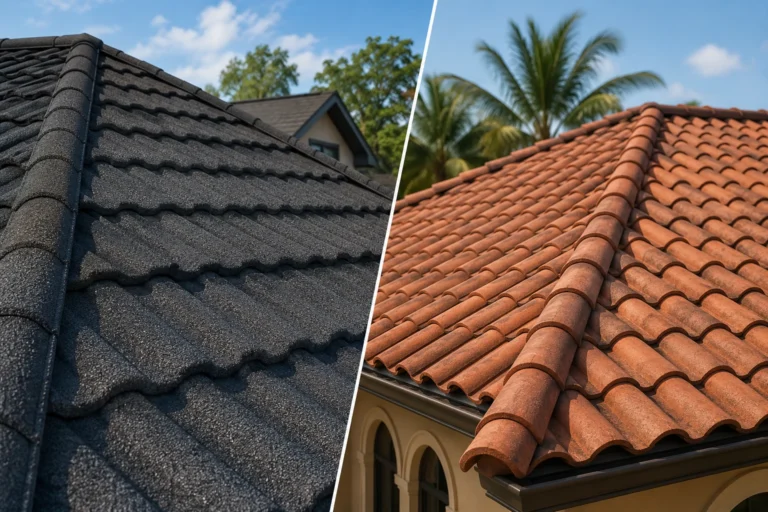
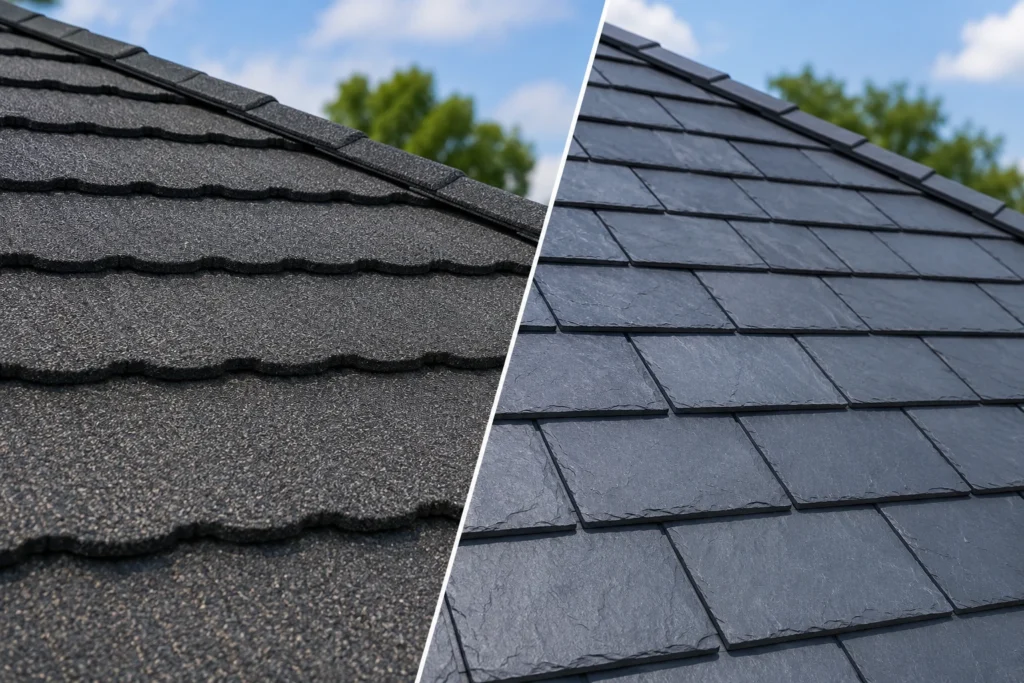
Stone coated roofing is a steel-based roofing system covered with stone granules designed to improve both appearance and durability. Unlike exposed metal roofing, these systems are engineered to resemble traditional roofing materials while maintaining the strength of steel underneath. Stone coated roofing commonly mimics:
- Slate
- Shake
- Clay tile
- Architectural shingles
The steel core delivers structural strength while the stone coating softens the appearance and adds texture. This type of roofing has become increasingly popular in areas exposed to severe weather because it combines lightweight construction with strong impact resistance.
What Is Synthetic Slate Roofing?
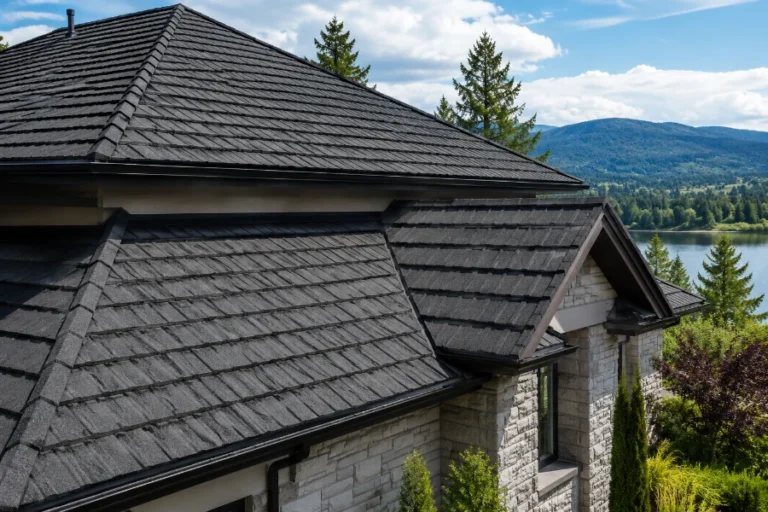
Synthetic slate roofing is a manufactured alternative to natural slate tiles. Instead of quarried stone, these systems use engineered materials such as polymers, rubber compounds, and composite blends to recreate the appearance of slate roofing. The goal is simple. Deliver the luxury look of slate without the extreme weight or high installation costs associated with natural stone. Many modern synthetic slate products look remarkably realistic from the ground. Some homeowners cannot even distinguish them from authentic slate until standing directly on the roof. That visual appeal is a major reason synthetic slate continues gaining popularity in upscale residential markets.
Stone Coated vs Synthetic Slate: Appearance Comparison
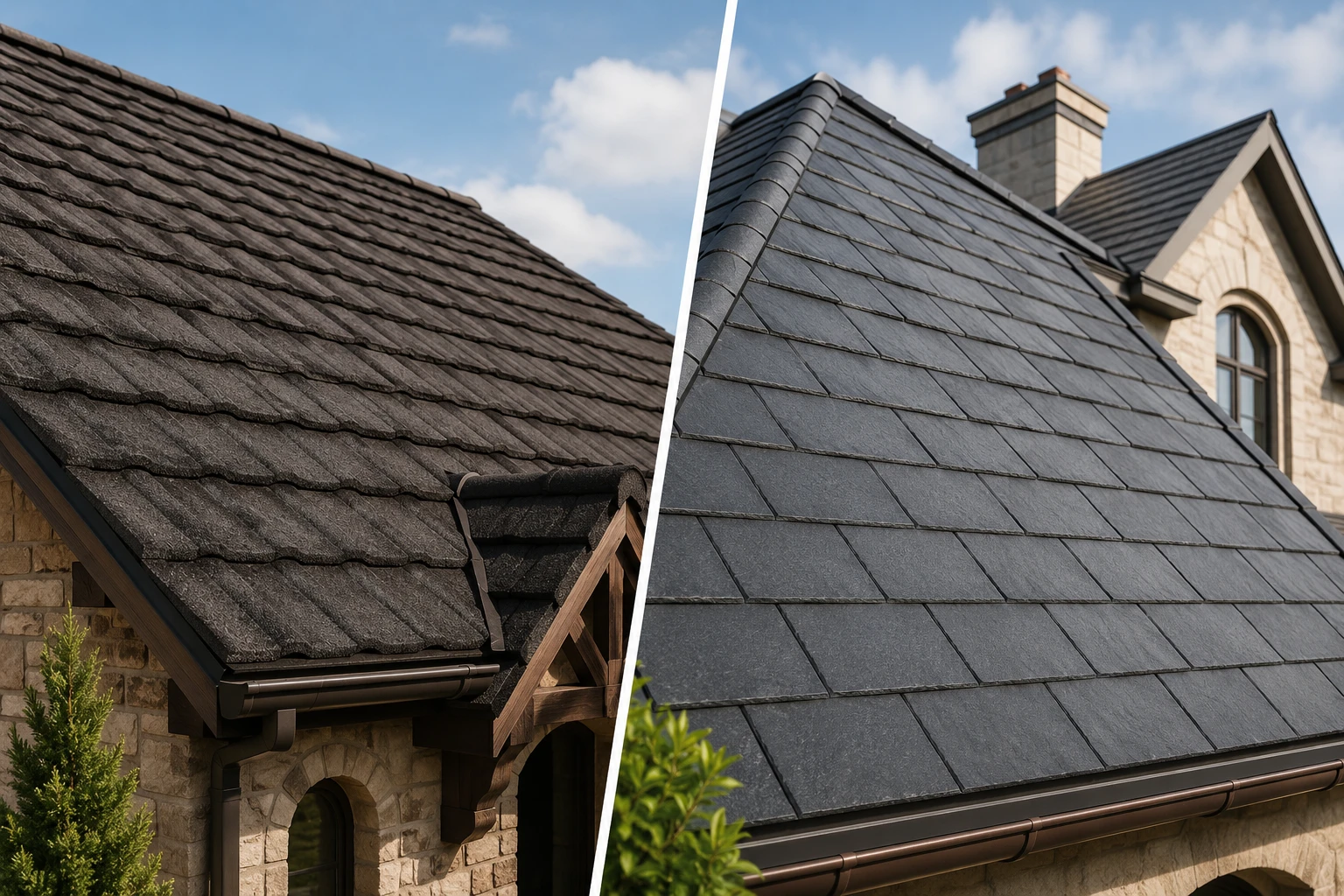
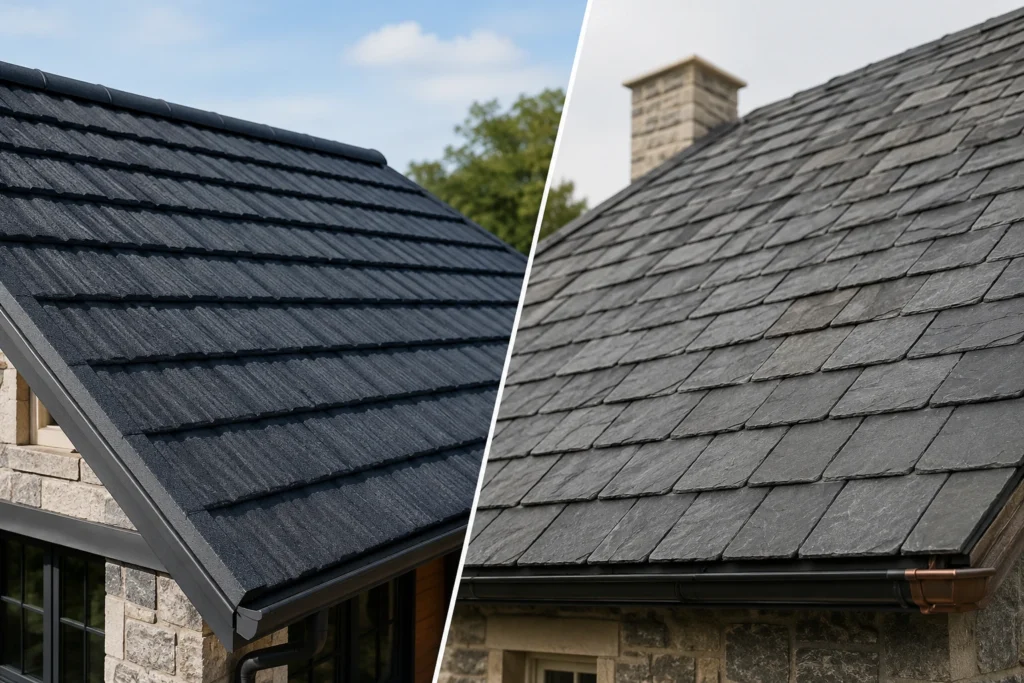
Appearance is often the first thing homeowners evaluate when comparing roofing systems. And honestly, both options look fantastic when installed correctly. Synthetic slate tends to create a more classic luxury appearance. It closely resembles natural slate and works beautifully on:
- Colonial homes
- Tudor homes
- Luxury estates
- Historic-style architecture
Stone coated roofing offers more flexibility. Depending on the profile selected, it can replicate:
- Wood shake
- Slate
- Tile
- Dimensional shingles
That versatility gives homeowners more design freedom.
Appearance Comparison Table
| Feature | Stone Coated Roofing | Synthetic Slate |
|---|---|---|
| Design Variety | Excellent | Good |
| Authentic Slate Look | Very Good | Excellent |
| Modern Style Compatibility | Excellent | Moderate |
| Texture Depth | Moderate | High |
| Color Options | Extensive | Extensive |
Synthetic slate usually wins if pure luxury aesthetics are the top priority. Stone coated roofing often wins for versatility and broader architectural compatibility.
Durability and Lifespan
Durability becomes critical once storms arrive. A roof may look beautiful on installation day, but performance over the next 30 to 50 years matters much more. Stone coated roofing systems are built around steel panels, which provide exceptional structural strength. Many systems achieve Class 4 impact resistance ratings, the highest available classification for hail resistance. These roofs are designed to handle:
- Hailstorms
- High winds
- Heavy rain
- Fire exposure
- UV radiation
Synthetic slate also performs significantly better than asphalt shingles in most situations. However, product quality varies more widely between manufacturers. Some lower-quality synthetic products may become brittle after prolonged exposure to intense heat and UV rays. That can create cracking concerns over time.
Lifespan Comparison
| Roofing Material | Expected Lifespan |
|---|---|
| Stone Coated Roofing | 40–70 years |
| Synthetic Slate | 30–50 years |
For homeowners prioritizing maximum longevity and weather durability, stone coated roofing often holds the edge.
Storm Resistance Is a Huge Factor
This is where the stone coated vs synthetic slate discussion becomes extremely important for homeowners living in severe weather regions. Storm damage destroys thousands of roofs every year. Stone coated roofing performs exceptionally well because steel resists punctures and impact damage better than many composite materials. These systems are commonly engineered for high wind resistance as well. Some products are rated to withstand winds exceeding 120 mph. Synthetic slate performs well too, especially premium products. However, repeated hail exposure may eventually create cracking or edge damage depending on the material composition.
Wind and Impact Resistance Comparison
| Feature | Stone Coated Roofing | Synthetic Slate |
|---|---|---|
| Hail Resistance | Excellent | Good–Very Good |
| Wind Resistance | Excellent | Very Good |
| Fire Resistance | Excellent | Good |
| Crack Resistance | Excellent | Moderate–Good |
For areas exposed to frequent hailstorms, hurricanes, or extreme weather, stone coated roofing often provides greater peace of mind.
Weight and Structural Considerations
Natural slate roofing is extremely heavy. That is one reason synthetic slate became popular in the first place. Both synthetic slate and stone coated roofing are considered lightweight roofing systems compared to natural slate or clay tile. This creates several benefits:
- Reduced structural stress
- Easier installation
- Lower reinforcement costs
- Better compatibility with older homes
Stone coated roofing is often lighter than synthetic slate depending on the specific product selected. That reduced weight can simplify installation while placing less strain on the home’s framing system.
Energy Efficiency and Heat Performance
Roofing materials absorb enormous amounts of heat every day. Poor-performing roofs increase attic temperatures and force cooling systems to work harder. Stone coated roofing performs surprisingly well in hot climates because metal naturally reflects radiant heat when properly installed. Many systems also include reflective coatings designed to improve thermal efficiency. Synthetic slate can also perform well, particularly lighter-colored products, but it generally absorbs more heat than reflective metal systems.
Ways to Improve Roof Energy Efficiency
- Choose reflective roof colors
- Improve attic ventilation
- Install radiant barriers
- Use quality underlayment systems
- Ensure ridge ventilation is functioning properly
Long-term energy efficiency depends heavily on installation quality, not just roofing material alone.
Installation Differences
Installation quality can make or break a roofing system. Seriously. Even premium materials fail when installed incorrectly. Stone coated roofing requires specialized fastening methods, flashing integration, and panel alignment techniques. Contractors experienced with metal roofing systems usually perform best with these installations. Synthetic slate installation also requires precision. Improper spacing or fastening can lead to long-term performance issues.
Common Installation Mistakes
Stone Coated Roofing
- Incorrect fastener placement
- Poor flashing integration
- Improper overlap alignment
Synthetic Slate
- Uneven spacing
- Weak fastening systems
- Incorrect underlayment use
Always hire contractors with proven experience installing the exact roofing system being selected. That matters more than many homeowners realize.
Maintenance Requirements
One reason premium roofing systems attract homeowners is reduced maintenance. Fortunately, both systems outperform asphalt shingles in this category. Stone coated roofing resists:
- Cracking
- Splitting
- Rot
- Insect damage
- Moisture deterioration
Synthetic slate also eliminates many problems associated with natural slate, including brittle stone breakage. Still, no roof is truly maintenance free.
Smart Maintenance Tips
- Clean valleys regularly
- Remove debris after storms
- Inspect flashing annually
- Check roof penetrations
- Keep gutters clear
Routine inspections can dramatically extend roof lifespan.
Are Stone Coated Roofs Loud During Rain?
This myth never seems to disappear. Many people assume all metal roofs sound excessively noisy during storms. Modern stone coated roofing systems are very different from old exposed barn roofing. Proper decking, insulation, underlayment, and stone granule coatings significantly reduce sound transfer. In many homes, interior noise differences are barely noticeable. Synthetic slate also performs quietly during rainfall. Both systems offer excellent sound performance when installed properly.
Cost Comparison
Premium roofing comes with premium pricing. That is simply reality. However, focusing only on upfront installation costs can be shortsighted. Long-term durability and reduced repairs often create significant long-term value.
General Cost Overview
| Roofing Material | Relative Cost |
|---|---|
| Asphalt Shingles | Low |
| Stone Coated Roofing | High |
| Synthetic Slate | High |
| Natural Slate | Very High |
Synthetic slate installation can become labor intensive because individual tile placement often requires more installation time. Stone coated roofing may deliver stronger long-term value due to durability and reduced maintenance requirements. The cheapest roofing bid is rarely the best long-term investment.
Environmental Impact and Sustainability
Sustainability plays a growing role in roofing decisions. Stone coated roofing offers excellent recyclability because steel is one of the most recyclable construction materials available. Many systems also contain recycled content. Some manufacturers evaluate long-term material wear using principles similar to Tribology especially when assessing coated steel performance under severe environmental exposure. Synthetic slate products vary more widely depending on manufacturing methods. Some use recycled polymers and rubber compounds, while others rely more heavily on virgin materials. Longevity itself also improves sustainability. A roof lasting 50 years creates less landfill waste than a roof replaced every 15 years. Certain roofing coatings also improve water shedding and moisture resistance by enhancing Hydrophobic helping reduce long-term moisture retention after heavy storms.
Insurance and Home Value Benefits
High-quality roofing systems often improve resale value. Buyers notice premium roofs immediately. Insurance carriers do too. Stone coated roofing may qualify for insurance discounts in some areas because of strong impact resistance ratings. Synthetic slate can also increase resale appeal because of its upscale appearance. Homeowners should evaluate:
- Manufacturer warranties
- Impact ratings
- Wind certifications
- Contractor reputation
- Maintenance expectations
These factors influence both long-term performance and future resale value.
Best Applications for Stone Coated Roofing
Stone coated roofing works especially well for homeowners prioritizing durability and weather resistance. Ideal applications include:
- Hail-prone regions
- Coastal environments
- High-wind zones
- Large residential roofs
- Homes needing lightweight strength
For homeowners seeking maximum storm performance, stone coated roofing is extremely difficult to beat.
Best Applications for Synthetic Slate
Synthetic slate performs exceptionally well when luxury aesthetics become the primary goal. It works beautifully for:
- Luxury homes
- Historic-style homes
- HOA-sensitive neighborhoods
- Upscale residential communities
- Homeowners wanting authentic slate appearance
For architectural elegance, synthetic slate remains one of the strongest premium roofing options available.
Common Myths About Both Roofing Systems
“Metal Roofs Rust Quickly”
Modern stone coated systems include advanced protective coatings specifically engineered to resist corrosion.
“Synthetic Slate Looks Artificial”
Low-end products sometimes do. Premium products can look remarkably close to authentic slate.
“Premium Roofs Are Too Expensive”
Long-term durability, lower repair frequency, and potential insurance savings often offset higher upfront costs over time. Cheap roofs can become expensive roofs very quickly.
Stone Coated vs Synthetic Slate: Side-by-Side Summary
| Feature | Stone Coated Roofing | Synthetic Slate |
|---|---|---|
| Durability | Excellent | Very Good |
| Luxury Appearance | Very Good | Excellent |
| Storm Resistance | Excellent | Good–Very Good |
| Weight | Lightweight | Lightweight |
| Maintenance | Low | Low |
| Lifespan | Longer | Long |
| Energy Efficiency | Excellent | Good |
| Noise Reduction | Very Good | Excellent |
| Sustainability | Excellent | Good |
| Best Overall Strength | Excellent | Moderate |
How to Choose the Right Roof
The right roofing system depends entirely on your priorities. Ask yourself:
- Is storm protection my top concern?
- Do I prioritize aesthetics over durability?
- How long will I stay in the home?
- Does my region experience hail or hurricanes?
- Is energy efficiency important to me?
If maximum durability and weather resistance matter most, stone coated roofing often becomes the stronger option. If achieving a luxury slate appearance is the primary goal, synthetic slate may be the better fit.
Final Verdict on Stone Coated vs Synthetic Slate
The debate around stone coated vs synthetic slate ultimately comes down to balancing durability, aesthetics, budget, and long-term goals. Stone coated roofing delivers exceptional weather resistance, impressive lifespan, lightweight construction, and outstanding long-term value. It is one of the strongest premium roofing systems available for homeowners dealing with harsh climates and severe storms. Synthetic slate offers sophisticated architectural beauty with far less weight than natural slate. For homeowners focused heavily on upscale curb appeal, it remains an outstanding option. Both systems outperform traditional asphalt shingles in many categories. Both can dramatically improve a home. The smartest choice comes from understanding your priorities before installation begins. Because once the roof is installed, you will likely live with that decision for decades.
FAQs
Is stone-coated roofing better than synthetic slate?Stone coated roofing is usually better for extreme weather durability, while synthetic slate is often preferred for luxury appearance and traditional aesthetics.
Which roof lasts longer: stone coated or synthetic slate?Stone coated roofing generally lasts longer, with many systems reaching 40 to 70 years depending on installation quality and climate conditions.
Is synthetic slate cheaper than natural slate?Yes, synthetic slate is typically far less expensive than genuine slate while still delivering a similar upscale appearance.
Does stone coated roofing rust over time?High-quality stone coated roofing systems are designed with protective coatings that help prevent rust and corrosion for decades.
Which roof performs better during hailstorms?Stone coated roofing usually performs better during hailstorms because of its steel core and strong impact resistance.
Does synthetic slate crack easily?Premium synthetic slate products are designed to resist cracking, but lower-quality materials may become brittle over time in harsh climates.
Which roofing material requires less maintenance?Stone coated roofing generally requires less maintenance because it resists moisture damage, cracking, and structural wear very effectively.
Is stone-coated roofing noisy during rain?No, properly installed stone coated roofing systems are usually much quieter than people expect due to underlayment and insulation layers.
Does synthetic slate add home value?Synthetic slate can improve curb appeal significantly, especially on luxury or historic-style homes where appearance strongly influences resale value.
Which roofing option is more energy efficient?Stone coated roofing often delivers stronger energy efficiency because reflective coatings can reduce heat absorption and lower cooling demands.