Choosing between stone coated vs concrete tile roofing can completely change the long-term performance, maintenance, and appearance of your home. Both are premium roofing systems built for durability and curb appeal, but they are designed very differently. One offers lightweight strength and modern weather resistance. The other delivers heavy-duty architectural beauty with a traditional feel. The challenge is knowing which one actually fits your home, climate, and budget. Some homeowners prioritize aesthetics first. Others care more about storm resistance, lifespan, or maintenance costs. The good news? Once you understand the real-world differences between stone coated vs concrete tile roofing, the right choice becomes much clearer.
What Is Stone Coated Roofing?
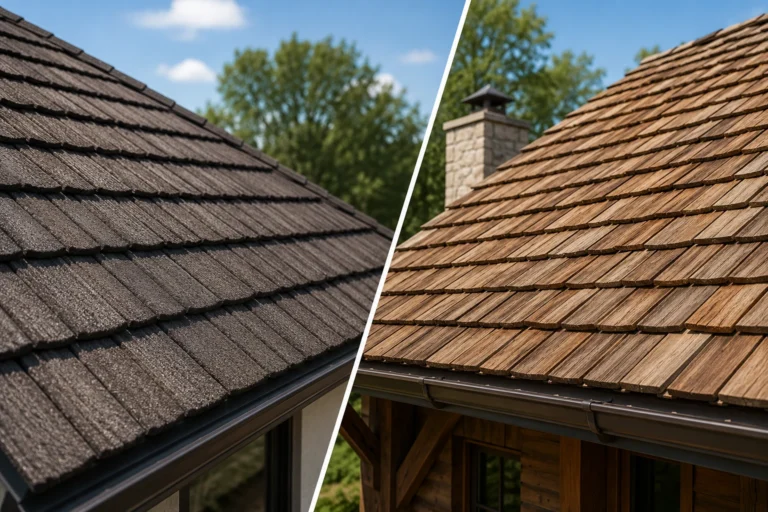
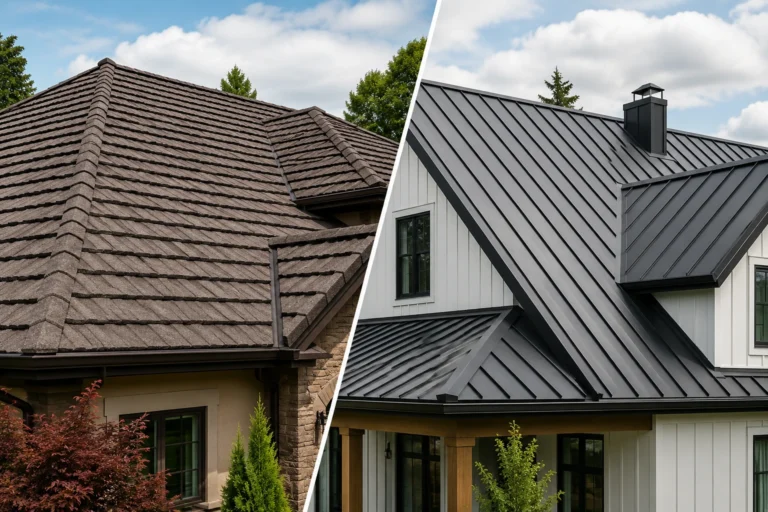
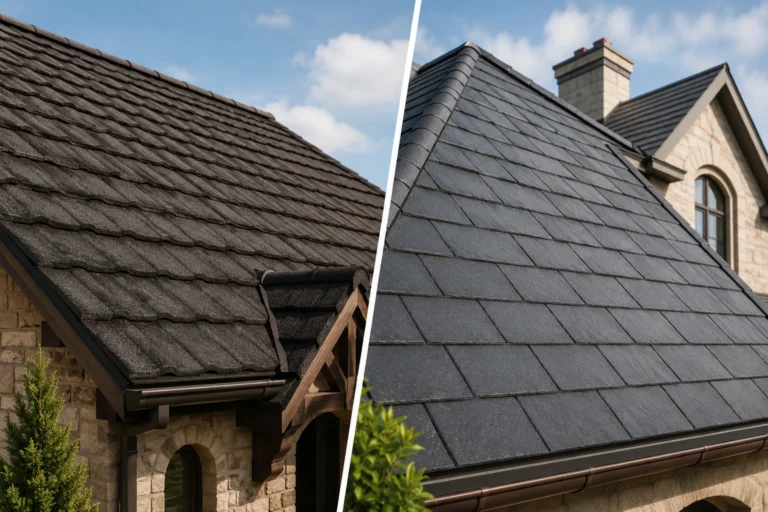
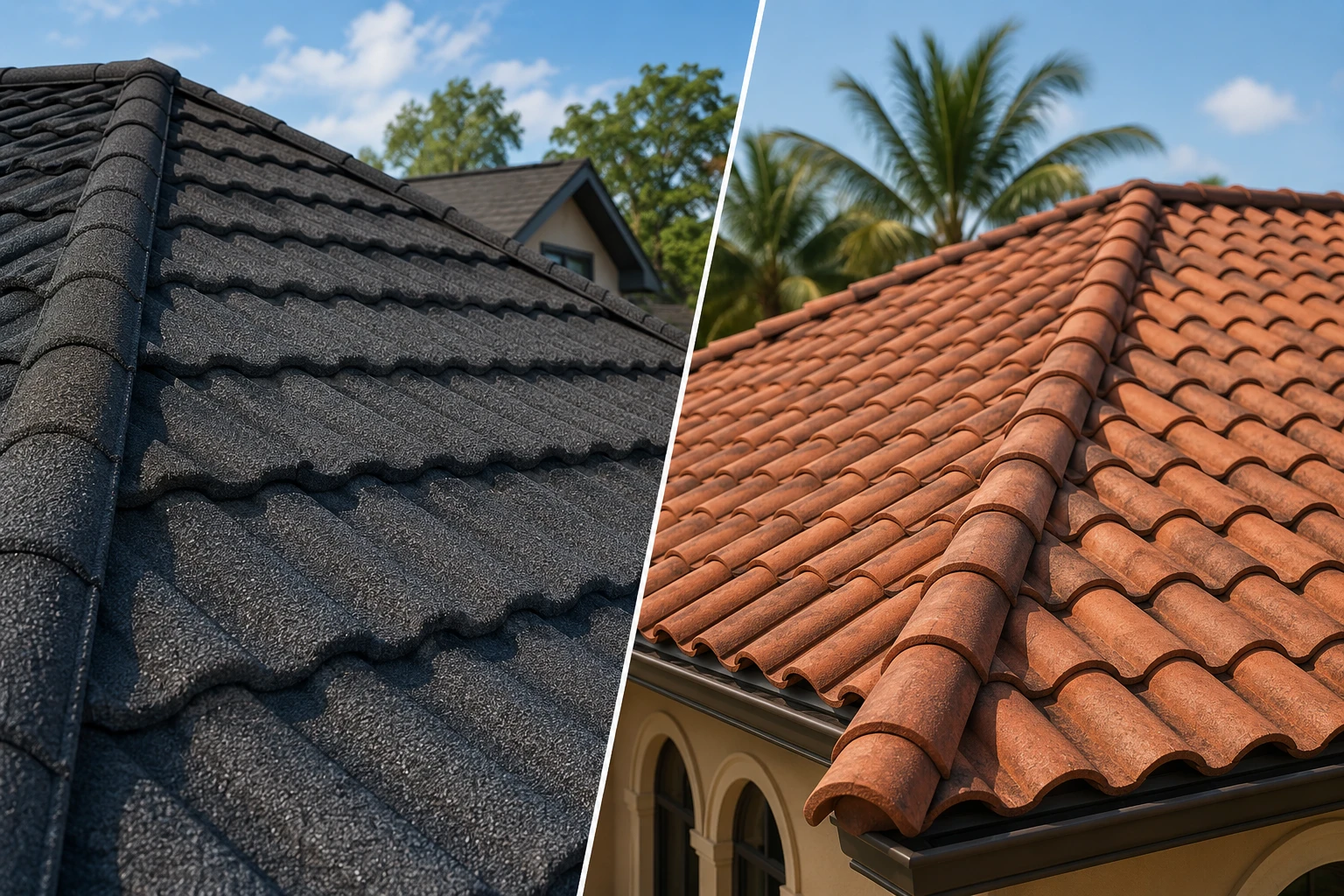
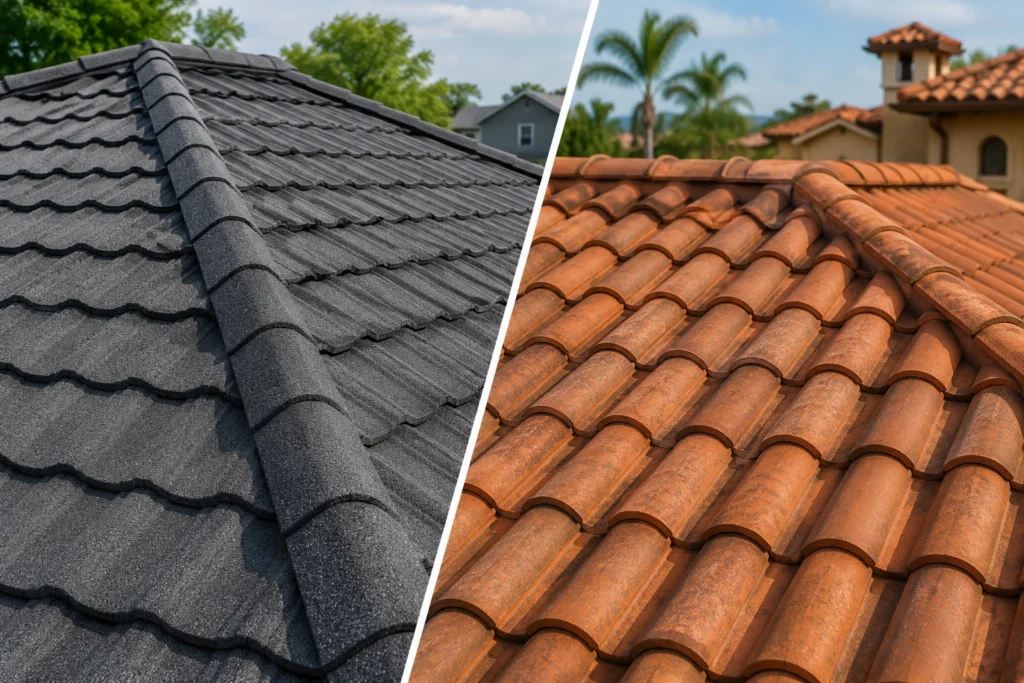
Stone coated roofing is a metal roofing system covered with stone granules to create the appearance of traditional roofing materials like tile, shake, or shingles. Under the textured surface sits a steel core designed for strength and corrosion resistance. The outer coating improves durability while also giving the roof a more natural appearance. One reason homeowners love stone coated roofing is flexibility. It delivers the upscale look of tile roofing without adding excessive structural weight to the home. Popular styles include:
- Barrel tile profiles
- Shake-inspired textures
- Slate-style finishes
- Traditional shingle designs
From the street, many people cannot even tell the roof is metal.
What Is Concrete Tile Roofing?
Concrete tile roofing is made from cement, sand, and water molded into durable roofing tiles. These roofs are known for their thick appearance, strong texture, and long lifespan. They are especially popular on Mediterranean, Spanish-style, and luxury homes. Concrete tile creates a bold architectural look that instantly stands out. But unlike lightweight roofing systems, concrete tile depends heavily on structural support because of its massive weight. That changes installation requirements significantly.
Stone Coated vs Concrete Tile: Quick Comparison
| Feature | Stone Coated Roofing | Concrete Tile Roofing |
|---|---|---|
| Weight | Lightweight | Very heavy |
| Lifespan | 40–70 years | 50+ years |
| Wind Resistance | Excellent | Very good |
| Hail Resistance | Strong | Moderate |
| Maintenance | Low | Moderate |
| Installation Speed | Faster | Slower |
| Structural Reinforcement | Usually, unnecessary | Often required |
| Fire Resistance | Excellent | Excellent |
| Energy Efficiency | High | High |
| Appearance | Versatile | Traditional luxury |
Appearance and Curb Appeal
Roofing dramatically affects the appearance of a home. That is why this part of the stone coated vs concrete tile discussion matters so much.
Stone Coated Roofing Appearance
Stone coated roofing is extremely versatile. Manufacturers design these roofs to mimic:
- Clay tile
- Wood shake
- Slate
- Asphalt shingles
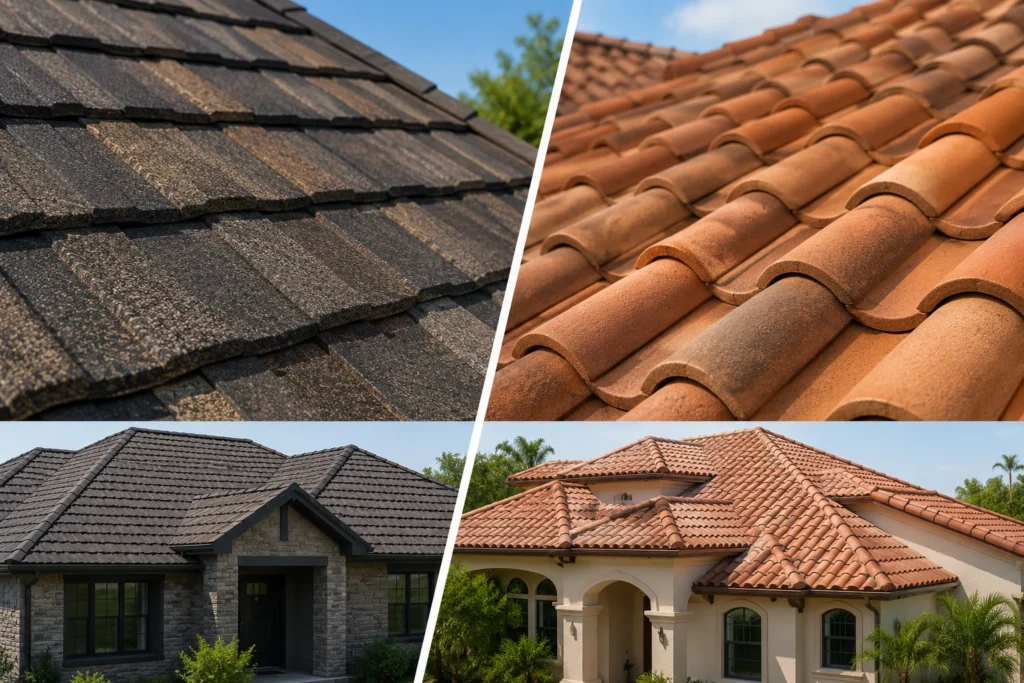
That flexibility allows homeowners to match many architectural styles without sacrificing performance. Modern homes look clean and sharp with stone coated roofing. Ranch homes work beautifully too. Coastal properties benefit from the sleek appearance and weather-resistant construction. The roof keeps a premium look while remaining lightweight and practical.
Concrete Tile Appearance
Concrete tile roofing creates a heavy, dimensional appearance that feels substantial and luxurious. The deep profiles and textured finishes give homes a classic Mediterranean aesthetic that many homeowners love. For Spanish-style architecture especially, concrete tile often feels visually perfect. Still, the appearance comes with tradeoffs involving weight, installation complexity, and maintenance.
Durability and Lifespan
Both roofing systems are built to last a long time. But they age differently.
Stone Coated Roofing Durability
Stone coated roofing performs exceptionally well in severe weather. Because the system uses steel underneath the stone coating, it resists:
- High winds
- Heavy rain
- Freeze-thaw cycles
- Impact damage
Many stone coated roofing systems carry wind ratings above 120 mph. That matters in hurricane-prone areas. The lightweight structure also reduces stress on the home over time. Less structural strain often means fewer long-term issues. Some advanced roofing coatings also rely on protective principles similar to Passivation to improve corrosion resistance in harsh environments.
Concrete Tile Durability
Concrete tile roofs can absolutely last decades with proper maintenance. However, individual tiles can crack from:
- Foot traffic
- Falling branches
- Hailstorms
- Structural shifting
- Freeze-thaw expansion
That is one of the biggest concerns homeowner’s underestimates. Replacing cracked tiles years later can become difficult if matching materials are discontinued. Concrete tile tends to perform best in warm, dry climates with limited freezing temperatures.
Why Roof Weight Matters
Many homeowners underestimate how important roof weight really is. But weight affects:
- Structural engineering
- Installation costs
- Long-term framing stress
- Retrofit possibilities
Stone Coated Roofing Weight Advantages
Stone coated roofing is lightweight compared to concrete tile. That creates several advantages:
- Faster installation
- Easier transportation
- Reduced structural stress
- Lower labor complexity
In some cases, stone coated roofing can even be installed over existing roofing systems depending on local building codes and roof conditions. For older homes, lightweight roofing often becomes the safer and more cost-effective solution.
Concrete Tile Weight Challenges
Concrete tile roofing is extremely heavy. Some homes require structural reinforcement before installation can even begin. That may involve:
- Engineering inspections
- Reinforced roof framing
- Additional support systems
- Increased labor costs
Once structural modifications are added to the project, roofing costs can rise quickly. Roof load distribution can also become important in regions affected by long-term soil movement or Isostatic related settling conditions.
Installation Process Comparison
Installation complexity directly affects labor costs, project timelines, and repair difficulty later.
Installing Stone Coated Roofing
Stone coated roofing systems install relatively efficiently. The lightweight materials are easier for crews to handle, move, and secure on the roof. Benefits often include:
- Faster project completion
- Reduced labor expenses
- Less structural preparation
- Fewer installation delays
This becomes especially helpful in regions with unpredictable weather.
Installing Concrete Tile Roofing
Concrete tile installation takes more time and precision. Each tile must be carefully positioned and secured. Improper handling can lead to breakage during installation. Contractors also need to carefully manage:
- Tile spacing
- Underlayment systems
- Structural loading
- Waterproofing details
Finding experienced tile roofing installers is critical because mistakes can become expensive later.
Energy Efficiency and Insulation
Both roofing systems can improve energy efficiency when installed correctly.
Stone Coated Roofing Energy Performance
Modern stone coated roofing systems often include reflective finishes that reduce heat absorption. Combined with proper ventilation, they help lower attic temperatures and reduce cooling demands during hot weather. Benefits may include:
- Lower energy bills
- Reduced attic heat buildup
- Improved indoor comfort
That performance becomes especially valuable in southern climates.
Concrete Tile Energy Performance
Concrete tile naturally creates airflow beneath the tiles. That air gap helps reduce heat transfer into the home. Concrete also absorbs heat slowly because of its thermal mass properties, which can help stabilize indoor temperatures in hot climates. Still, insulation and ventilation remain essential regardless of roofing material.
Maintenance Requirements
Maintenance costs can change the long-term value of any roof.
Stone Coated Roofing Maintenance
Stone coated roofs are generally low maintenance. Most homeowners mainly deal with:
- Debris removal
- Gutter cleaning
- Occasional inspections
Because the panels resist cracking and corrosion, repair frequency usually stays low. That simplicity is one reason many homeowners prefer stone coated systems over heavier roofing materials.
Concrete Tile Roofing Maintenance
Concrete tile roofs often require more ongoing attention. Common issues include:
- Cracked tiles
- Moss growth
- Tile shifting
- Underlayment deterioration
One major issue homeowner sometimes miss is underlayment aging beneath the tiles. Even if the tiles themselves still look good, the waterproofing layer underneath may eventually require replacement. That process can involve partial tile removal and higher labor costs.
Noise Levels During Storms
Many homeowners worry that metal roofing will sound noisy during rainstorms. Modern stone coated roofing systems are very different from exposed metal barn roofing. When installed properly with quality underlayment and attic insulation, noise levels are often similar to traditional roofing systems. Concrete tile naturally dampens sound slightly better because of its thickness and mass, but the difference inside most modern homes is smaller than many people expect.
Fire Resistance and Safety
Both roofing systems perform very well against fire exposure.
Stone Coated Roofing Fire Resistance
Stone coated metal roofing is non-combustible and commonly carries excellent fire ratings. This makes it attractive in wildfire-prone regions and dry climates.
Concrete Tile Fire Resistance
Concrete tile also offers strong fire resistance because the material itself does not ignite easily. Both roofing systems outperform many traditional roofing materials in terms of fire safety.
Cost Comparison
Premium roofing systems cost more upfront than standard shingles. But long-term value matters more than initial pricing alone.
Stone Coated Roofing Costs
Stone coated roofing is considered a premium product, but installation costs often remain more manageable because homeowners may avoid structural reinforcement expenses. Long-term maintenance costs also tend to stay relatively low.
Concrete Tile Roofing Costs
Concrete tile roofing can become significantly more expensive once labor and structural modifications are included. Additional costs may involve:
- Engineering evaluations
- Framing reinforcement
- Specialized installation crews
- Longer project timelines
Repair expenses may also rise over time if cracked tiles become frequent.
Best Roofing Choice by Climate
Climate should heavily influence your decision.
Best Roof for Storm-Prone Regions
Stone coated roofing usually performs better in:
- Hurricane zones
- High-wind regions
- Hail-prone areas
Its lightweight strength and impact resistance provide major advantages.
Best Roof for Hot Dry Climates
Concrete tile performs exceptionally well in warm, dry environments where freezing temperatures are rare. That is why it remains popular throughout the Southwest.
Best Roof for Cold Climates
Stone coated roofing generally handles freeze-thaw cycles more effectively because metal panels flex without cracking like rigid tiles sometimes can.
Final Verdict: Stone Coated vs Concrete Tile
The stone coated vs concrete tile debate ultimately comes down to priorities. If you want lightweight durability, strong storm resistance, lower maintenance, and versatile appearance options, stone coated roofing often delivers the better overall value. It combines premium aesthetics with modern engineered performance. That balance makes it one of the most practical premium roofing systems available today. Concrete tile roofing still offers undeniable beauty. For Mediterranean or Spanish-style homes in warm climates, it can create a timeless architectural look that many homeowners love. But the extra weight, installation complexity, and long-term maintenance requirements are important considerations. For many modern homeowners, stone coated roofing provides the smarter combination of beauty, durability, efficiency, and long-term practicality.
FAQs
Is stone-coated roofing better than concrete tile?Stone coated roofing is often better for homeowners who want lighter weight, lower maintenance, and stronger storm resistance.
Does concrete tile crack easily?Concrete tile is durable overall, but individual tiles can crack from hail, falling branches, or heavy foot traffic over time.
Which roof is more energy efficient?Both roofing systems offer strong energy performance, but concrete tile naturally creates ventilation gaps while stone coated roofing often uses reflective coatings to reduce heat absorption.
Is stone-coated roofing noisy during rain?Modern stone coated roofing is much quieter than traditional exposed metal roofs because the stone granules help absorb sound.
Does concrete tile require structural reinforcement?Some homes may require structural upgrades before installing concrete tile because the material is significantly heavier than most roofing systems.
Which roofing system handles hail better?Stone coated roofing generally performs better in hail-prone areas because the metal panels flex instead of cracking under impact.
Is concrete tile more expensive than stone coated roofing?Concrete tile installation often costs more because of heavier materials, structural reinforcement needs, and longer installation times.
Can stone coated roofing look like traditional tile?Yes. Many stone coated roofing products are specifically designed to mimic the appearance of clay tile, slate, or wood shake roofing.
Which roof requires less maintenance?Stone coated roofing usually requires less maintenance because there are fewer individual pieces vulnerable to cracking or displacement.
How long does a stone coated roof last?Most stone coated roofing systems last between 40 and 70 years depending on installation quality, climate, and maintenance.