Texas homeowners know that a roof is more than just a finishing touch. It is the first line of defense against scorching heat, hailstorms, high winds, heavy rain, and everything else the Lone Star State throws at a home. That is exactly why so many property owners eventually ask the same question: Is Stone Coated Roofing Worth the Cost in Texas?
The short answer is often yes—but the real answer depends on your goals, budget, and how long you plan to stay in your home.
At first glance, stone coated roofing costs more than traditional asphalt shingles. Consequently, many homeowners hesitate when they see the initial price tag. However, focusing only on upfront cost can be misleading. A roof is a long-term investment, and the true value comes from durability, maintenance requirements, lifespan, energy performance, and protection against severe weather.
For many Texans, stone coated roofing delivers advantages that continue paying off for decades. Therefore, understanding both the costs and benefits is essential before making a decision.
Let’s take a closer look.
What Is Stone Coated Roofing?
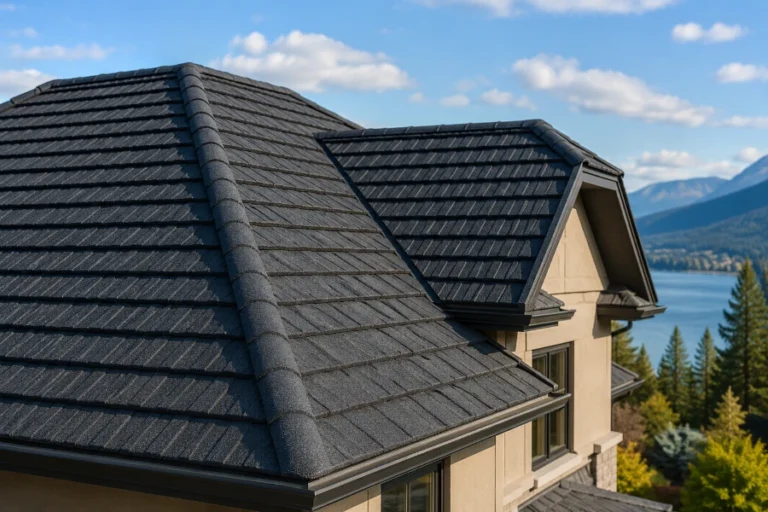
Stone coated roofing combines the strength of steel with the visual appeal of traditional roofing materials.
Rather than using standard exposed metal panels, manufacturers create steel roofing panels that are coated with protective layers and finished with stone granules. As a result, the roof resembles slate, tile, shake, or asphalt shingles while maintaining the strength of metal roofing.
The basic structure typically includes:
- Galvanized or Galvalume steel core
- Corrosion-resistant protective coatings
- Acrylic bonding layer
- Natural stone granule surface
- Clear protective overglaze
This layered design creates a roofing system that is both attractive and highly durable. The interaction between coatings and surfaces can be partially explained through tribology, the science that studies friction, wear, and long-term material performance.
Common Stone Coated Roofing Styles
One reason stone coated roofing has become increasingly popular is its versatility.
Homeowners can choose from several architectural styles:
| Profile | Appearance |
|---|---|
| Tile | Mimics traditional clay tile |
| Shake | Replicates cedar shake roofing |
| Shingle | Resembles architectural shingles |
| Slate | Looks similar to natural slate |
Because of these options, homeowners can achieve a premium appearance without sacrificing durability.
Why Stone Coated Roofing Is Gaining Popularity in Texas
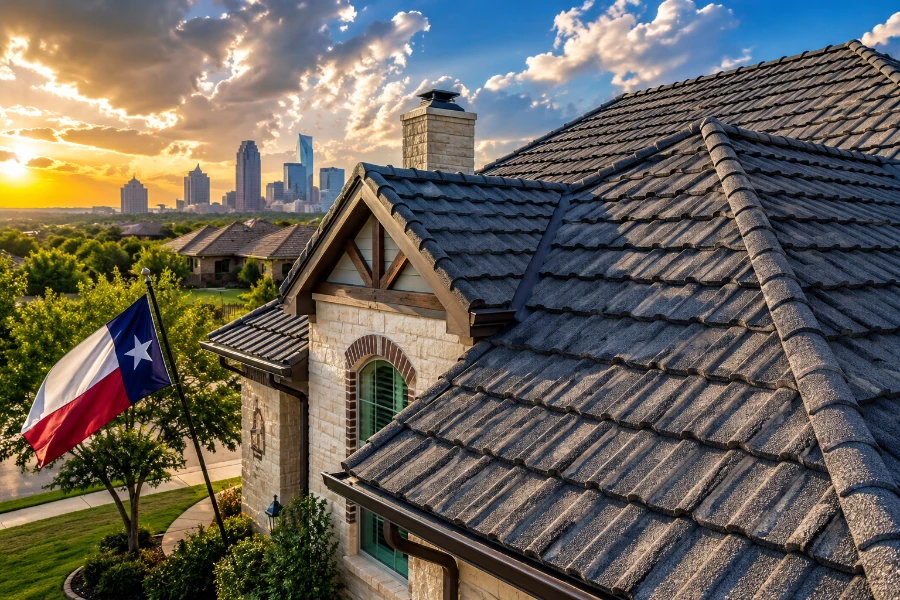
Texas creates unique challenges for roofing materials.
One season may bring triple-digit temperatures. The next may produce damaging hail. Meanwhile, strong thunderstorms, tornadoes, and hurricane-force winds affect many parts of the state.
As a result, homeowners increasingly seek roofing materials that can handle extreme conditions.
Stone coated roofing addresses many of these concerns.
Key benefits include:
- Long lifespan
- High wind resistance
- Hail impact resistance
- Fire resistance
- Energy efficiency
- Minimal maintenance
- Premium curb appeal
Consequently, many homeowners view stone coated roofing as a long-term solution rather than a temporary roof replacement.
Understanding the Cost of Stone Coated Roofing in Texas
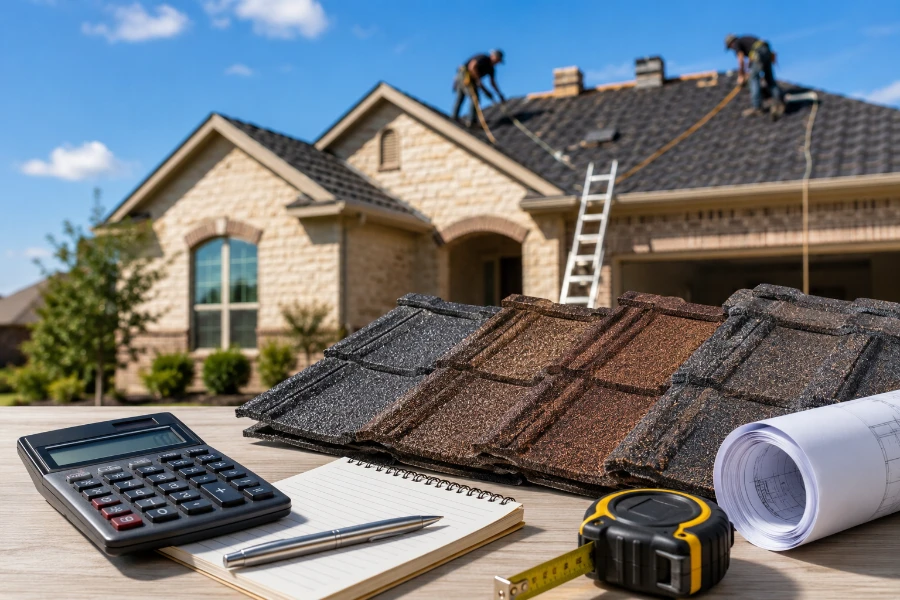
Before determining whether Is Stone Coated Roofing Worth the Cost in Texas, we need to understand the financial side. For homeowners seeking a more detailed breakdown of pricing, our guide on stone coated roofing cost in Texas provides additional insights into materials and installation expenses.
The average installed cost of stone coated roofing in Texas generally ranges from $9 to $16 per square foot depending on:
- Roof complexity
- Roofing profile selected
- Labor market conditions
- Geographic location
- Existing roof removal requirements
- Manufacturer specifications
For a typical home, total project costs often range from $18,000 to $45,000 or more.
That number certainly exceeds the cost of many asphalt shingle roofs.
However, cost alone never tells the entire story.
Factors That Influence Installation Costs
Every roof is different.
Several factors can significantly affect pricing.
Roof SizeLarger roofs require more materials and labor.
Simple enough.
Yet square footage is only part of the equation.
Roof PitchSteeper roofs increase installation difficulty.
Consequently, labor costs typically rise.
Roof ComplexityValleys, dormers, skylights, chimneys, and multiple roof sections all increase installation time.
More complexity generally means higher costs.
Existing Roof RemovalSome homes require complete tear-offs before installation begins.
Disposal fees and labor expenses can add several thousand dollars to the project.
Product SelectionPremium profiles and specialty finishes often command higher prices.
While the visual upgrade can be impressive, homeowners should evaluate whether the aesthetic benefit aligns with their budget.
Comparing Stone Coated Roofing to Other Roofing Materials
One of the best ways to answer Is Stone Coated Roofing Worth the Cost in Texas is to compare it against competing materials.
Roofing Material Comparison
| Roofing Type | Typical Lifespan | Relative Cost | Maintenance Level |
| Asphalt Shingles | 15–30 Years | Low | Moderate |
| Standing Seam Metal | 40–70 Years | High | Low |
| Clay Tile | 50–100 Years | High | Moderate |
| Concrete Tile | 40–60 Years | High | Moderate |
| Stone Coated Roofing | 40–70 Years | Moderate-High | Low |
Although stone coated roofing costs more initially than shingles, it frequently lasts two to three times longer.
That difference matters.
A homeowner may replace an asphalt roof multiple times during the lifespan of one stone coated roof.
Why Texas Weather Changes the Equation
Weather is often the deciding factor.
Many roofing systems perform adequately under normal conditions. Texas, however, rarely offers normal conditions for very long.
This is where stone coated roofing begins to separate itself from lower-cost alternatives.
Extreme Heat and UV Exposure
Texas summers are brutal.
Prolonged ultraviolet exposure gradually breaks down many roofing materials.
Over time, shingles may:
- Fade
- Crack
- Curl
- Lose granules
- Become brittle
Stone coated roofing performs differently.
The steel core remains structurally stable, while the stone-coated surface helps protect against continuous UV degradation.
As a result, homeowners often experience fewer heat-related roofing issues.
Hail Resistance
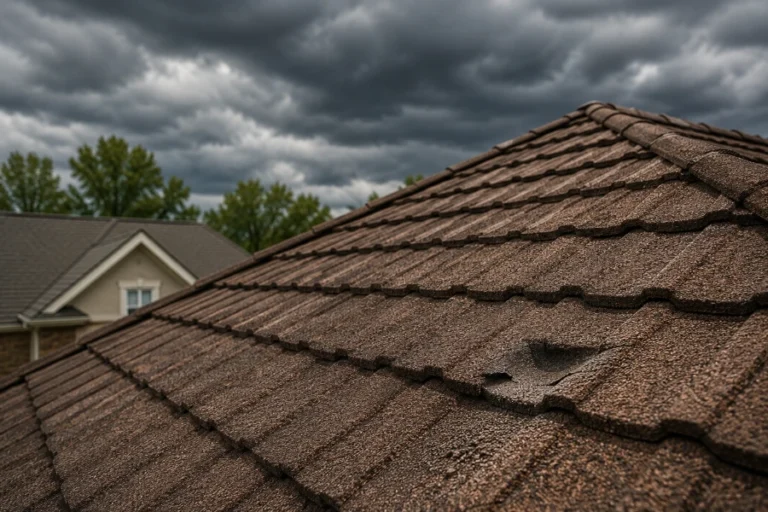
Hail is a major concern throughout Texas.
Storms can strike with little warning and leave substantial roof damage behind.
Stone coated roofing systems are specifically engineered to withstand impact.
While no roofing material is completely hail-proof, stone coated roofing generally performs exceptionally well compared to traditional shingles.
This improved durability can reduce repair costs after severe weather events.
Wind Performance
Wind damage represents another significant threat throughout Texas.
Whether you live in West Texas, North Texas, or along the Gulf Coast, strong winds can put enormous stress on a roofing system. Unfortunately, traditional shingles may loosen, lift, or even detach during severe storms.
Stone coated roofing is engineered differently.
Many systems are tested to withstand winds exceeding 120 miles per hour. Some premium products are rated even higher. Consequently, homeowners gain an extra layer of confidence when storm season arrives.
When evaluating Is Stone Coated Roofing Worth the Cost in Texas, wind resistance often becomes one of the strongest arguments in its favor.
Energy Efficiency Benefits
Cooling costs are a reality for Texas homeowners.
In many parts of the state, air conditioners run for months at a time. Therefore, even small improvements in roofing efficiency can make a noticeable difference.
Stone coated roofing offers several potential advantages:
- Improved solar reflectivity
- Reduced heat absorption
- Better attic temperature management
- Lower cooling demands
Additionally, roofing performance is often influenced by solar reflectance and thermal emittance, both of which affect how effectively a roof manages heat in warm climates.
Although energy savings vary from home to home, many property owners report improved comfort levels during peak summer months.
Furthermore, reduced heat buildup can lessen strain on HVAC equipment, potentially extending the life of expensive mechanical systems.
Key Benefits That Make Stone Coated Roofing Worth Considering
The initial investment is significant.
However, long-term performance is where stone coated roofing truly shines.
Exceptional Lifespan
One of the biggest selling points is longevity.
Most stone coated roofing systems are designed to last between 40 and 70 years when properly installed and maintained.
In comparison, many asphalt roofs require replacement after 15 to 25 years in Texas due to weather exposure.
That means a homeowner may install two or even three asphalt roofs during the lifespan of one stone coated roof.
For those researching stone coated roof lifespan, this long-term durability is often the deciding factor.
Lower Maintenance Requirements
Maintenance costs can quietly add up over time.
Shingle repairs, storm damage corrections, granule loss, and aging-related deterioration all contribute to ongoing expenses.
Stone coated roofing generally requires less maintenance because:
- Steel resists cracking
- Panels resist curling
- Surface coatings protect against weathering
- Interlocking designs enhance durability
As a result, homeowners often spend less time and money addressing roofing issues.
Enhanced Curb Appeal
A roof occupies a large portion of a home’s exterior appearance.
Therefore, roofing material significantly influences curb appeal.
Stone coated roofing offers the appearance of premium materials such as:
- Slate
- Clay tile
- Cedar shake
- Architectural shingles
Yet it does so without many of the structural limitations associated with those materials.
The result is a high-end appearance that can complement virtually any architectural style.
Increased Home Value
Many buyers appreciate durable, low-maintenance upgrades.
When prospective buyers learn a roof may last decades longer than traditional shingles, that feature can become a meaningful selling point.
Although resale value varies by market, premium roofing materials often help homes stand out from competing listings.
Consequently, homeowners planning to sell within the next decade may still benefit from the investment.
Fire Resistance
Fire resistance remains another often-overlooked benefit.
Many stone coated roofing systems achieve high fire ratings, helping provide additional protection against external fire exposure.
While fire risk varies across Texas, increased protection is never a disadvantage.
When Stone Coated Roofing May Not Be Worth the Cost
Despite its many strengths, stone coated roofing is not the ideal choice for every homeowner.
Being realistic about your situation is important.
Short-Term Homeownership Plans
If you expect to move within a few years, recovering the full value of the investment may be difficult.
While a premium roof can improve marketability, not every buyer will pay substantially more for it.
Therefore, short-term owners may find traditional roofing materials more practical.
Extremely Tight Budgets
The upfront cost is significant.
For homeowners facing immediate budget constraints, asphalt shingles often remain the more accessible option.
Financial flexibility matters.
A roof should strengthen your home’s financial position, not create unnecessary strain.
Certain Investment Properties
Rental properties frequently prioritize affordability and functionality over long-term premium upgrades.
Depending on investment goals, a lower-cost roofing solution may produce a better return.
Long-Term Cost Comparison: Stone Coated Roofing vs Asphalt Shingles
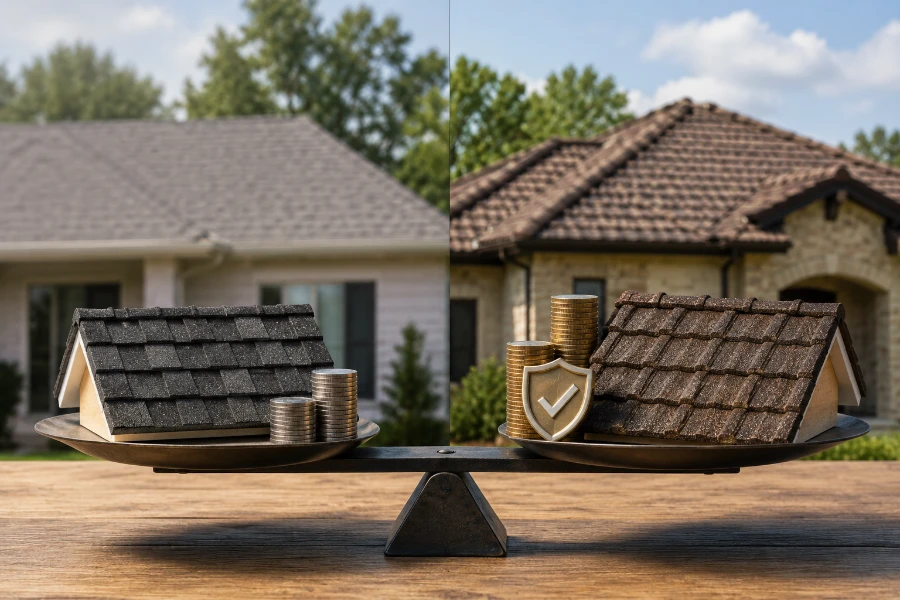
This is where the conversation becomes particularly interesting.
Instead of focusing solely on installation costs, consider total ownership costs over several decades.
Example 50-Year Ownership Scenario
| Expense Category | Asphalt Shingles | Stone Coated Roofing |
|---|---|---|
| Initial Installation | Lower | Higher |
| Replacement Frequency | 2–3 Times | 1 Time |
| Maintenance Costs | Moderate to High | Low |
| Storm Repair Risk | Higher | Lower |
| Lifetime Ownership Cost | Potentially Higher | Potentially Lower |
While exact numbers vary, many homeowners discover that stone coated roofing becomes surprisingly competitive when viewed through a long-term ownership lens.
The cheapest roof today is not always the least expensive roof over fifty years.
Is Stone Coated Roofing a Good Investment in Texas?
For many homeowners, absolutely.
However, certain situations make the investment especially attractive.
Homeowners in Hail-Prone Areas
Texas hailstorms cause billions of dollars in damage annually.
If your area frequently experiences hail events, investing in a more durable roofing system may provide substantial long-term value.
Luxury Homes
High-end properties often benefit from roofing materials that complement premium architectural features.
Stone coated roofing offers both performance and appearance.
Long-Term Homeowners
The longer you stay in your home, the more likely you are to benefit from the roof’s extended lifespan.
Many homeowners planning to remain in place for 15 years or longer find the investment easier to justify.
Energy-Conscious Homeowners
Reducing cooling demands can create meaningful savings over time.
Although energy efficiency should not be the sole reason for choosing a roof, it can certainly contribute to the overall value equation.
Questions to Ask Before Choosing Stone Coated Roofing
Before making a final decision, ask your contractor several important questions:
- What manufacturer do you recommend?
- What warranty coverage is included?
- What wind ratings does the system offer?
- Has your crew installed stone coated roofing before?
- Are there local references available?
- What maintenance is required?
- How will the roof perform in hail-prone areas?
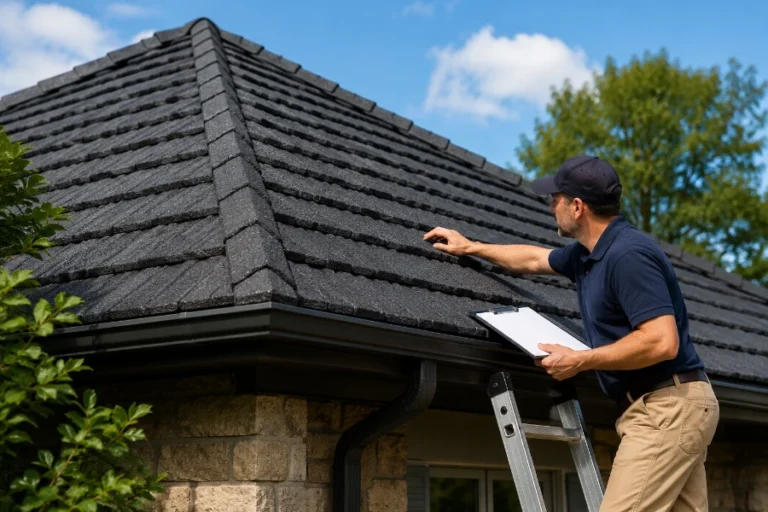
The quality of installation matters just as much as the quality of the product.
A premium roofing system installed improperly may fail to deliver its expected benefits.
Final Verdict: Is Stone Coated Roofing Worth the Cost in Texas?
After examining the costs, benefits, lifespan, weather performance, and long-term ownership value, the answer for many homeowners is yes.
Is Stone Coated Roofing Worth the Cost in Texas? If you plan to remain in your home for years, want superior protection against Texas weather, appreciate premium curb appeal, and prefer a roofing system that may last decades longer than traditional shingles, the investment often makes excellent financial sense.
The upfront cost is undeniably higher.
However, the combination of durability, energy efficiency, reduced maintenance, storm resistance, and long service life frequently offsets that initial expense over time.
Ultimately, stone coated roofing is not simply a roofing purchase. It is a long-term investment in protection, performance, and peace of mind. For many Texas homeowners, that value makes every dollar worthwhile.
FAQs
Is stone coated roofing worth the cost in Texas?For many homeowners, yes. The longer lifespan, weather resistance, and lower maintenance requirements often justify the higher upfront investment.
How long does a stone coated roof last in Texas?Most stone coated roofing systems can last 40 to 70 years when properly installed and maintained.
Is stone coated roofing better than asphalt shingles?Stone coated roofing generally offers greater durability, longer lifespan, and better resistance to severe weather than asphalt shingles.
Can stone coated roofing withstand Texas hailstorms?Yes. Many stone coated roofing systems are engineered to resist hail impacts and often perform better than traditional shingles during severe storms.
Does stone coated roofing help lower energy bills?It can. Reflective properties and improved heat management may reduce cooling demands during hot Texas summers.
Is stone coated roofing noisy during rain?No. The stone granule coating and roof deck beneath the panels help minimize noise, making it comparable to many traditional roofing systems.
Does stone coated roofing increase home value?It can enhance curb appeal and appeal to buyers who value durability and low maintenance, which may positively influence resale value.
What maintenance does a stone coated roof require?Maintenance is typically minimal and includes periodic inspections, debris removal, and addressing any issues identified after major storms.
Can stone coated roofing be installed over an existing roof?In some cases, yes. However, a professional roofing contractor should evaluate the existing roof structure and local building code requirements first.
Is stone coated roofing suitable for all Texas climates?Yes. It performs well in hot, windy, hail-prone, and coastal regions, making it a versatile roofing option across Texas.