Choosing between stone coated vs standing seam metal roofing comes down to more than appearance. Homeowners today want durability, lower maintenance, energy efficiency, and long-term value. They also want a roof that actually fits the style of the home instead of looking forced or overly commercial. That is where this comparison becomes important. Both roofing systems are premium options. Both outperform standard asphalt shingles in lifespan and weather resistance. But they create very different results visually, structurally, and financially. Some homeowners want the sleek, modern lines of standing seam metal roofing. Others prefer the textured, residential look of stone coated steel roofing. Neither option is automatically better. The right choice depends on your priorities, climate, home style, and long-term goals. This guide breaks down the real differences between stone coated vs standing seam metal roofing so you can make a smart decision before investing thousands into a new roof.
What Is Stone Coated Metal Roofing?
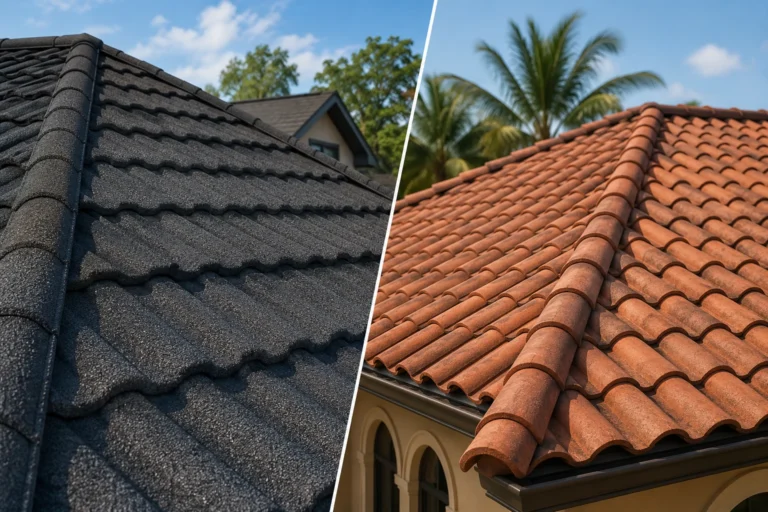
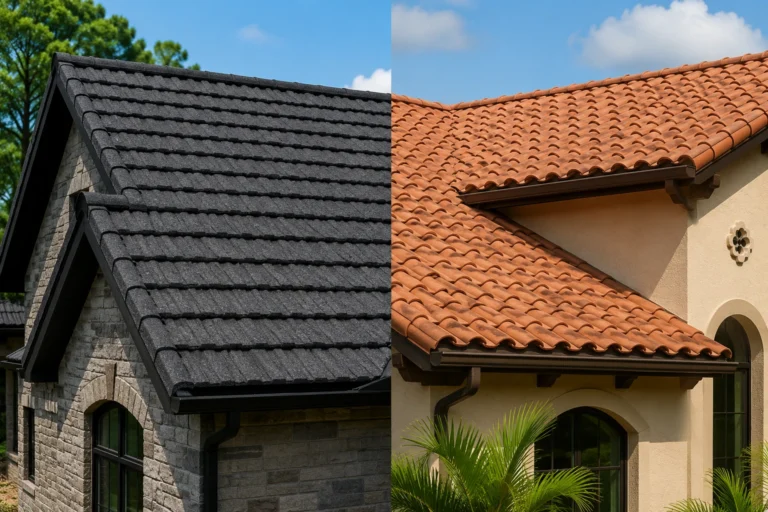
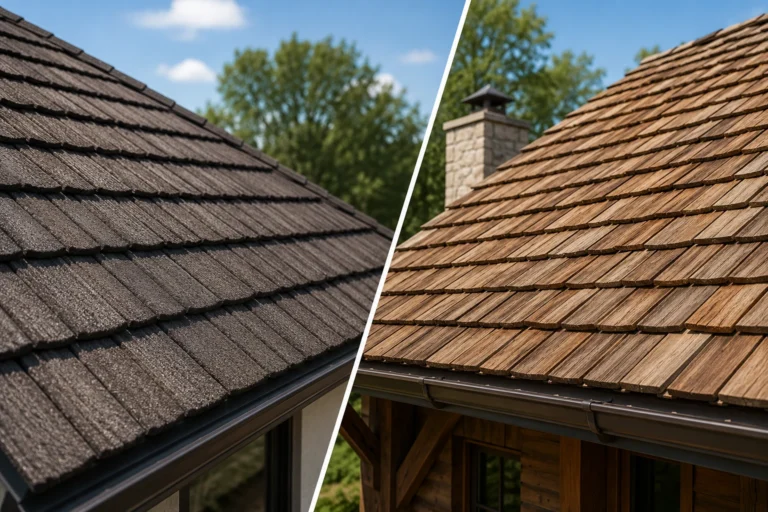
Stone coated roofing combines steel strength with the appearance of traditional roofing materials. The panels are typically made from galvanized steel or Galvalume steel and then coated with stone granules bonded to the surface. The result is a roofing system that looks less industrial and more residential. Many homeowners choose stone coated roofing because it can mimic:
- Clay tile
- Cedar shake
- Asphalt shingles
- Slate roofing
From the street, most people do not even realize the roof is metal. That visual flexibility gives stone coated roofs a huge advantage in neighborhoods where homeowners want durability without sacrificing curb appeal. Stone coated roofing systems are also significantly lighter than concrete tile or natural slate. That reduces structural stress while still providing a high-end appearance. Most quality systems are engineered for:
- High wind resistance
- Fire resistance
- Impact resistance
- Long-term corrosion protection
- Improved energy efficiency
For homeowners who want a traditional aesthetic with modern performance, stone coated roofing offers an excellent balance.
What Is Standing Seam Metal Roofing?
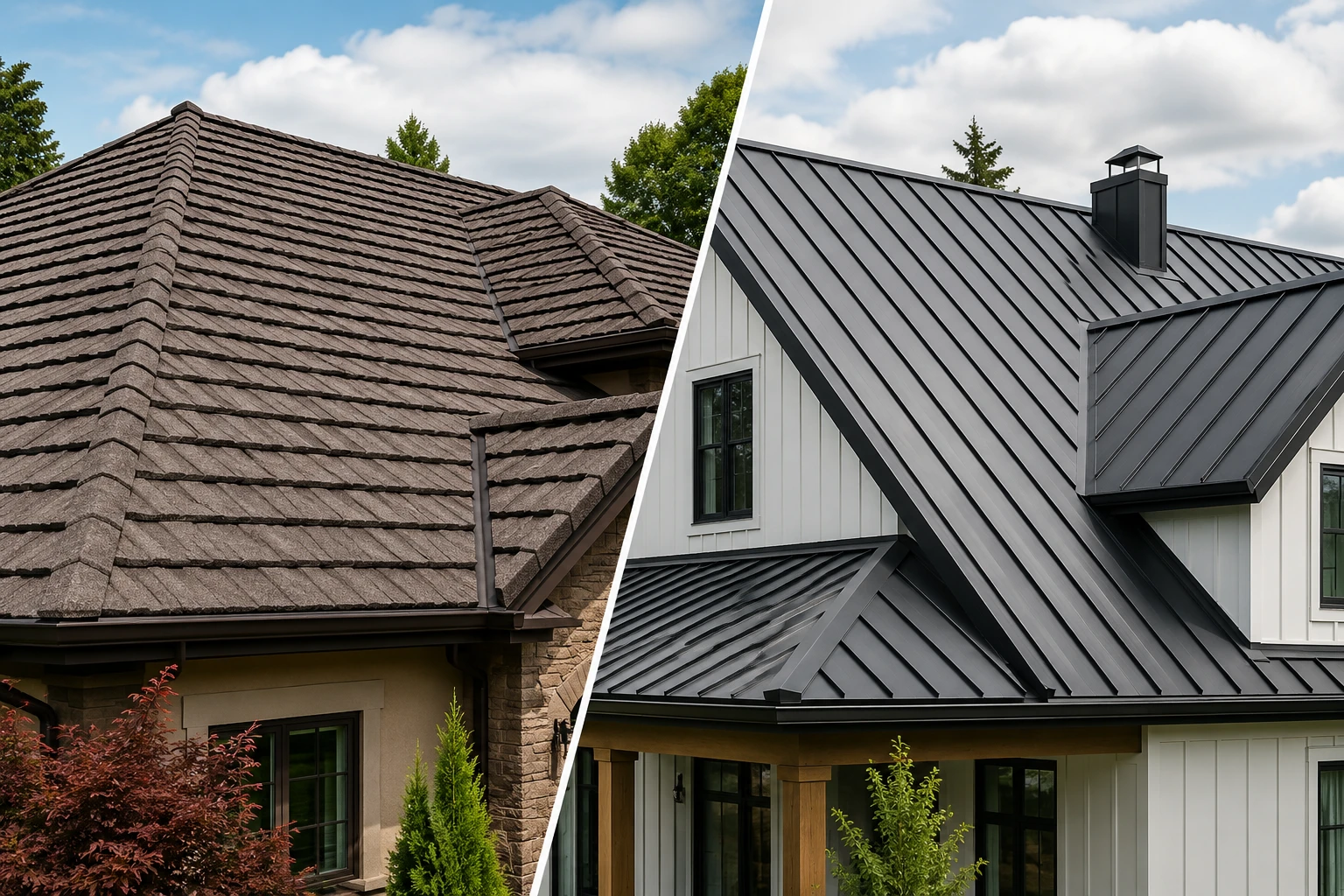
Standing seam roofing takes a completely different design approach. Instead of textured panels, standing seam systems use large vertical metal panels connected by raised seams. These seams lock together while hiding the fasteners underneath the panels. That concealed-fastener design is one reason standing seam roofs last so long. Fewer exposed screws mean fewer opportunities for leaks and weather-related deterioration over time. Standing seam roofs are known for:
- Modern appearance
- Exceptional durability
- Clean architectural lines
- Superior water shedding
- Minimal maintenance needs
This roofing style has exploded in popularity on:
- Contemporary homes
- Luxury custom builds
- Farmhouse-style homes
- Mountain properties
- Coastal homes
The appearance is sharp and intentional. Some homeowners absolutely love that modern look. Others feel it appears too commercial for traditional neighborhoods. That alone makes aesthetics one of the biggest factors in the stone coated vs standing seam metal debate.
Stone Coated vs Standing Seam Metal: Quick Comparison Table
| Feature | Stone Coated Metal | Standing Seam Metal |
|---|---|---|
| Appearance | Traditional textured look | Modern sleek look |
| Lifespan | 40–70 years | 50–80+ years |
| Maintenance | Low | Very low |
| Wind Resistance | Excellent | Exceptional |
| Energy Efficiency | Strong | Excellent |
| HOA Friendly | Usually yes | Sometimes restricted |
| Noise Levels | Quiet | Quiet with insulation |
| Installation Complexity | Moderate | High |
| Solar Compatibility | Good | Excellent |
| Cost | Premium | Higher premium |
Appearance and Curb Appeal
This is where stone coated vs standing seam metal roofing becomes a very personal decision. The two systems create completely different visual impressions.
Stone Coated Roofing Appearance
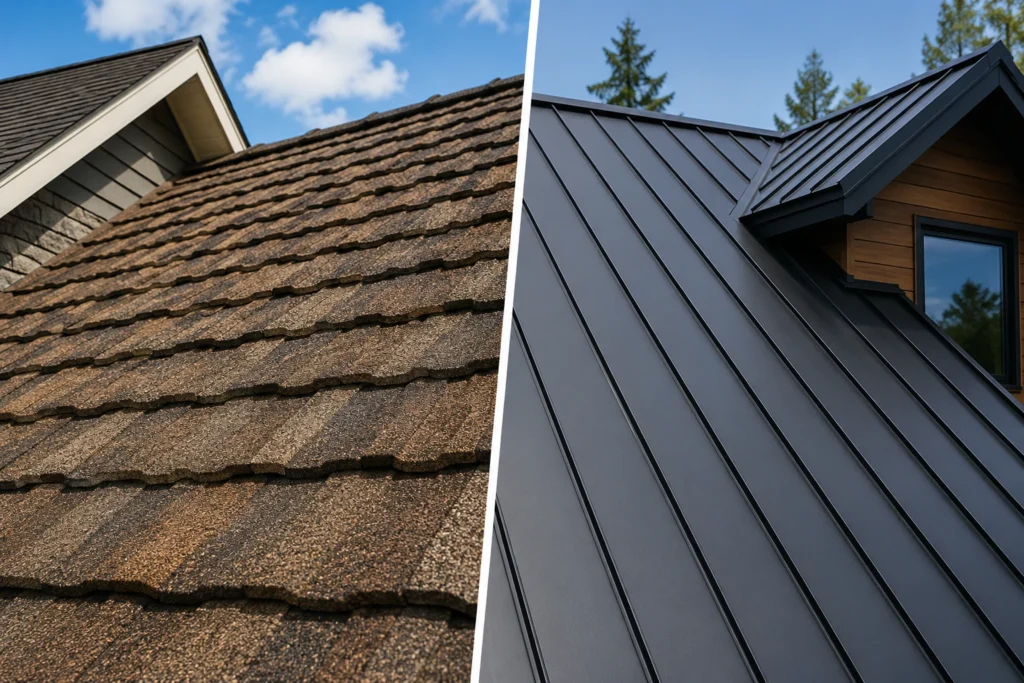
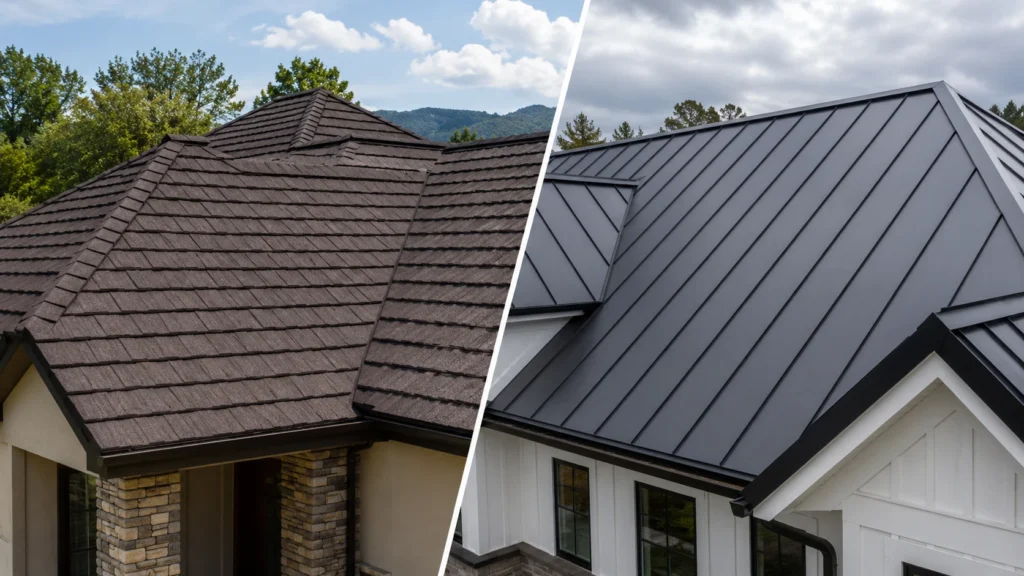
Stone coated roofing looks more familiar and residential. The textured surface softens the appearance of metal while blending naturally with traditional architecture. That makes it a strong choice for:
- Craftsman homes
- Mediterranean designs
- Colonial architecture
- Ranch-style homes
- Traditional suburban neighborhoods
Homeowners often appreciate that stone coated roofing offers premium durability without dramatically changing the home’s overall character. You still get steel protection, but the roof feels warmer and less industrial. That balance matters.
Standing Seam Roofing Appearance
Standing seam roofing creates bold visual lines immediately. The vertical panels produce a clean, minimalist appearance that works especially well on modern architecture. Black standing seam roofs have become particularly popular because of their dramatic contrast and upscale appearance. Standing seam roofing pairs well with:
- Modern farmhouse homes
- Contemporary architecture
- Large glass windows
- Minimalist exterior designs
- Mountain-style homes
The roof becomes part of the home’s design statement rather than simply serving as protection. For homeowners seeking modern curb appeal, standing seam roofing delivers serious impact.
Durability and Weather Resistance
Premium metal roofing systems exist for one major reason. They survive harsh weather exceptionally well. Both roofing systems outperform asphalt shingles in severe climates, but they do it differently.
Stone Coated Roofing Performance
Stone coated roofs are engineered to resist impacts, wind, and fire. The stone granule surface helps disperse force during hailstorms while reducing visible damage compared to some smooth metal panels. Many systems carry impressive ratings for:
- Wind uplift resistance
- Fire protection
- Impact resistance
- Freeze-thaw durability
This makes stone coated roofing especially attractive in storm-prone regions. Some homeowners also prefer the textured surface because it tends to hide dirt, minor dents, and wear more effectively than smooth metal.
Standing Seam Roofing Performance
Standing seam roofing is one of the toughest residential roofing systems available today. The continuous vertical panels allow water to shed rapidly while reducing vulnerable seams across the roof surface. Since the fasteners remain hidden beneath the panels, there are fewer exposed areas vulnerable to leaks over time. Standing seam systems perform exceptionally well in:
- Heavy rain climates
- Snow regions
- Coastal environments
- High-wind zones
- Extreme temperature conditions
The roof’s ability to expand and contract efficiently also reduces long-term stress damage. That flexibility becomes important in regions with large temperature swings. Some manufacturers even incorporate engineering concepts similar to Anisotropy when analyzing how materials respond to directional stress and expansion under changing weather conditions.
Which Roof Lasts Longer?
Longevity is one of the biggest reasons homeowner’s upgrades to premium metal roofing systems. Nobody wants to replace a roof every 15 to 20 years.
Stone Coated Roof Lifespan
Most stone coated roofing systems last between 40 and 70 years depending on:
- Installation quality
- Ventilation
- Climate exposure
- Material thickness
- Maintenance practices
That lifespan already far exceeds traditional asphalt roofing systems.
Standing Seam Roof Lifespan
Standing seam roofing often lasts 50 to 80 years or longer when installed correctly. The concealed-fastener system dramatically reduces one of the most common roofing failure points: exposed screws and gasket deterioration. Fewer exposed penetrations generally mean fewer future leak risks. If your primary goal is maximum lifespan, standing seam roofing usually holds the advantage in the stone coated vs standing seam metal comparison.
Energy Efficiency and Cooling Performance
Metal roofing systems are widely known for improving energy efficiency. But some systems perform better depending on climate and coating technology.
Stone Coated Roofing Energy Benefits
Stone coated roofs help reduce heat absorption through reflective coatings and air gaps beneath the panels. Benefits may include:
- Reduced attic heat buildup
- Lower cooling demand
- Improved indoor comfort
- Better summer HVAC efficiency
The textured finish can also help diffuse sunlight differently than smooth metal surfaces.
Standing Seam Roofing Energy Benefits
Standing seam systems are highly reflective and often qualify as cool roofing materials. They also work exceptionally well with solar panel installations because clamps can attach directly to the seams without penetrating the roof surface. That reduces leak risks while simplifying installation. Protective coatings on many standing seam systems functions through chemical processes similar to passivation, helping improve corrosion resistance and long-term durability. For homeowners planning future solar upgrades, standing seam roofing often becomes the more strategic long-term investment.
Installation Complexity Matters
A premium roof installed poorly becomes a very expensive problem. This is one area where homeowners should never cut corners.
Installing Stone Coated Roofing
Stone coated roofing installation is specialized but generally less complex than standing seam fabrication and locking systems. The smaller panels can be easier to handle, especially on roofs with complicated layouts, dormers, or multiple roof penetrations. Still, installation precision remains critical. Improper fastening or poor flashing details can reduce the roof’s long-term performance significantly.
Installing Standing Seam Roofing
Standing seam roofing requires highly skilled installers. The panel fabrication process, seam locking systems, expansion spacing, and flashing work demand advanced expertise. Mistakes can create serious issues later, especially around thermal movement and water intrusion. This is not a roofing system you want installed by an inexperienced contractor. Always verify:
- Manufacturer certifications
- Project references
- Insurance coverage
- Warranty qualifications
- Experience with standing seam systems specifically
Maintenance Requirements
Neither roofing system requires excessive maintenance, which is one reason homeowners love premium metal roofs. Still, there are differences.
Stone Coated Roof Maintenance
Stone coated roofs typically need:
- Debris removal
- Gutter cleaning
- Storm inspections
- Occasional fastener checks
The textured surface can hide dirt and wear effectively, which helps maintain appearance over time.
Standing Seam Roof Maintenance
Standing seam roofs are among the lowest-maintenance roofing systems available. Homeowners usually only need:
- Periodic inspections
- Debris removal
- Sealant checks near penetrations
- Basic cleaning
The concealed-fastener design eliminates many common long-term maintenance concerns. That simplicity is a major reason standing seam roofing remains popular in both residential and commercial construction.
Noise Levels During Rain
This myth refuses to disappear. Many homeowners still assume metal roofs sound extremely loud during rainstorms. In reality, modern metal roofing systems installed over solid decking with quality underlayment and insulation are surprisingly quiet. Both roofing systems perform well acoustically when installed correctly. Standing seam panels may create slightly more sound reflection because of their smoother surface profile, but proper attic insulation minimizes this significantly. For most homeowners, the noise difference becomes negligible.
Cost Comparison
Premium roofing systems come with premium pricing. That is unavoidable.
Stone Coated Roofing Costs
Stone coated roofing generally costs less than standing seam roofing while still delivering excellent durability and lifespan. Pricing depends on:
- Roof complexity
- Material quality
- Panel style
- Labor rates
- Geographic location
For homeowners wanting premium performance without reaching the highest metal roofing price tier, stone coated roofing often provides excellent value.
Standing Seam Roofing Costs
Standing seam roofing typically costs more because:
- Fabrication is specialized
- Labor requires advanced skill
- Installation takes longer
- Materials are more expensive
However, the added cost often delivers longer lifespan potential and reduced maintenance needs. Over several decades, the higher upfront investment may become financially worthwhile.
Which Roof Is Better for Your Home?
The answer depends entirely on your priorities.
Stone Coated Roofing Is Better If:
- You prefer traditional curb appeal
- HOA restrictions matter
- You want textured aesthetics
- You want premium performance at a slightly lower cost
- Your home design leans classic rather than modern
Standing Seam Roofing Is Better If:
- You prefer sleek modern architecture
- You want maximum lifespan
- You plan to install solar panels
- You prioritize ultra-low maintenance
- You want bold architectural impact
Neither roof is universally superior. The best roofing system is the one that aligns with your home’s design, your climate, and your long-term ownership goals.
Final Verdict on Stone Coated vs Standing Seam Metal
The stone coated vs standing seam metal decision ultimately comes down to balance. Both roofing systems deliver exceptional durability, weather resistance, and long-term value. Both outperform traditional asphalt shingles by a wide margin. But they create very different experiences visually and structurally. Stone coated roofing offers homeowners a more traditional appearance while still delivering steel strength and impressive longevity. Standing seam roofing delivers bold architectural style, maximum durability, and one of the lowest-maintenance roofing systems available today. There is no universal winner. Only the right fit for your home. Focus on quality materials. Prioritize experienced installers. Think long-term rather than simply choosing the cheaper upfront option.Because a premium roof installed correctly can protect your home beautifully for decades.
FAQs
Which lasts longer, stone coated or standing seam metal roofing?Standing seam metal roofing typically lasts slightly longer, often reaching 50 to 80 years with proper installation and maintenance.
Is stone-coated roofing quieter than standing seam metal roofing?Stone coated roofing may soften rain noise slightly because of its textured surface. However, proper insulation and roof assembly matter more than the roofing material itself.
Which roofing system is better for hail-prone areas?Both systems perform well during hailstorms, but stone coated roofing often hides cosmetic damage better due to its textured finish.
Does standing seam metal roofing increase home value?Yes, many buyers view standing seam roofing as a premium upgrade because of its durability, energy efficiency, and modern appearance. It can improve resale appeal in the right market.
Is stone-coated roofing more affordable than standing seam metal?In many cases, yes. Stone coated roofing usually costs less upfront than standing seam metal, though pricing depends heavily on roof complexity and local labor rates.
Which roofing system is better for modern homes?Standing seam metal roofing is usually the preferred option for modern and contemporary architecture because of its clean lines and minimalist appearance.
Can solar panels be installed on both roofing systems?Yes, but standing seam roofing often makes solar installation easier because clamp systems can attach directly to the seams without roof penetrations.
Do both roofing systems resist fire?Yes, both stone coated and standing seam metal roofing offer excellent fire resistance because they are made from non-combustible materials.
Which roof requires less maintenance over time?Both systems are considered low maintenance compared to asphalt shingles. Standing seam roofing may require slightly less surface cleaning due to its smoother design.
Is stone coated roofing good for traditional-style homes?Absolutely. Stone coated roofing blends naturally with traditional residential architecture and offers the appearance of shingles, tile, or shake with added durability.