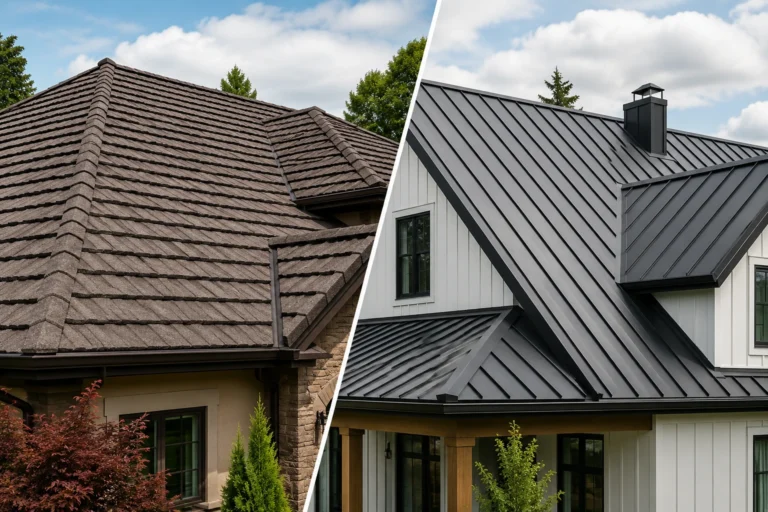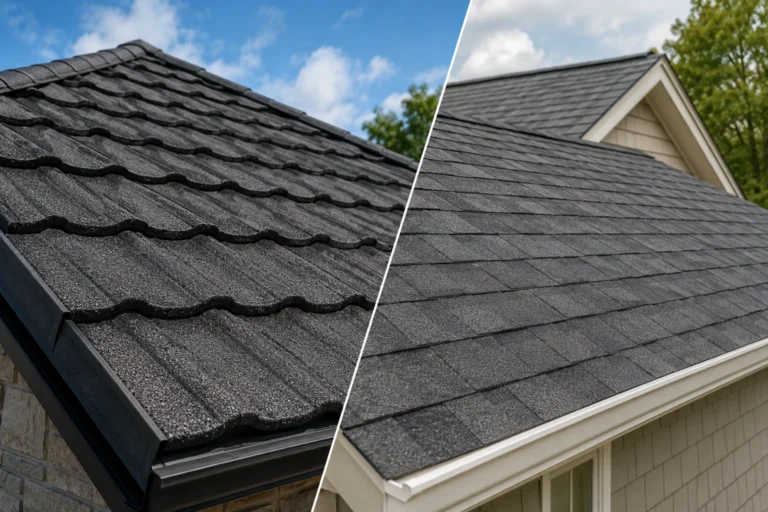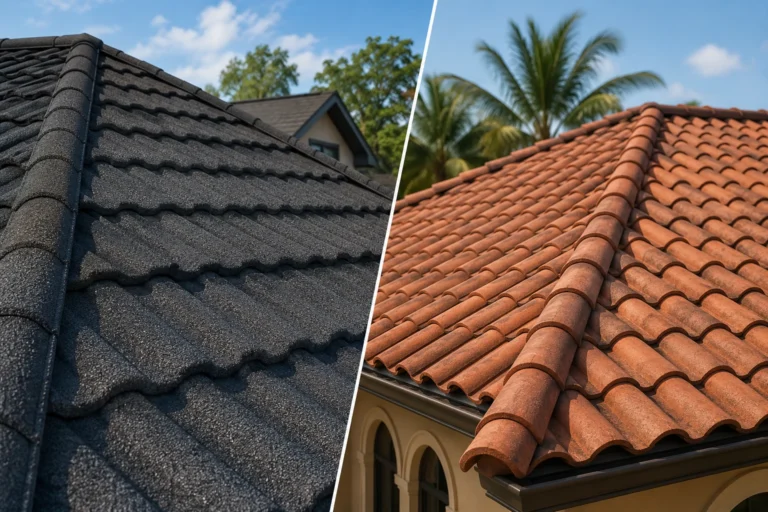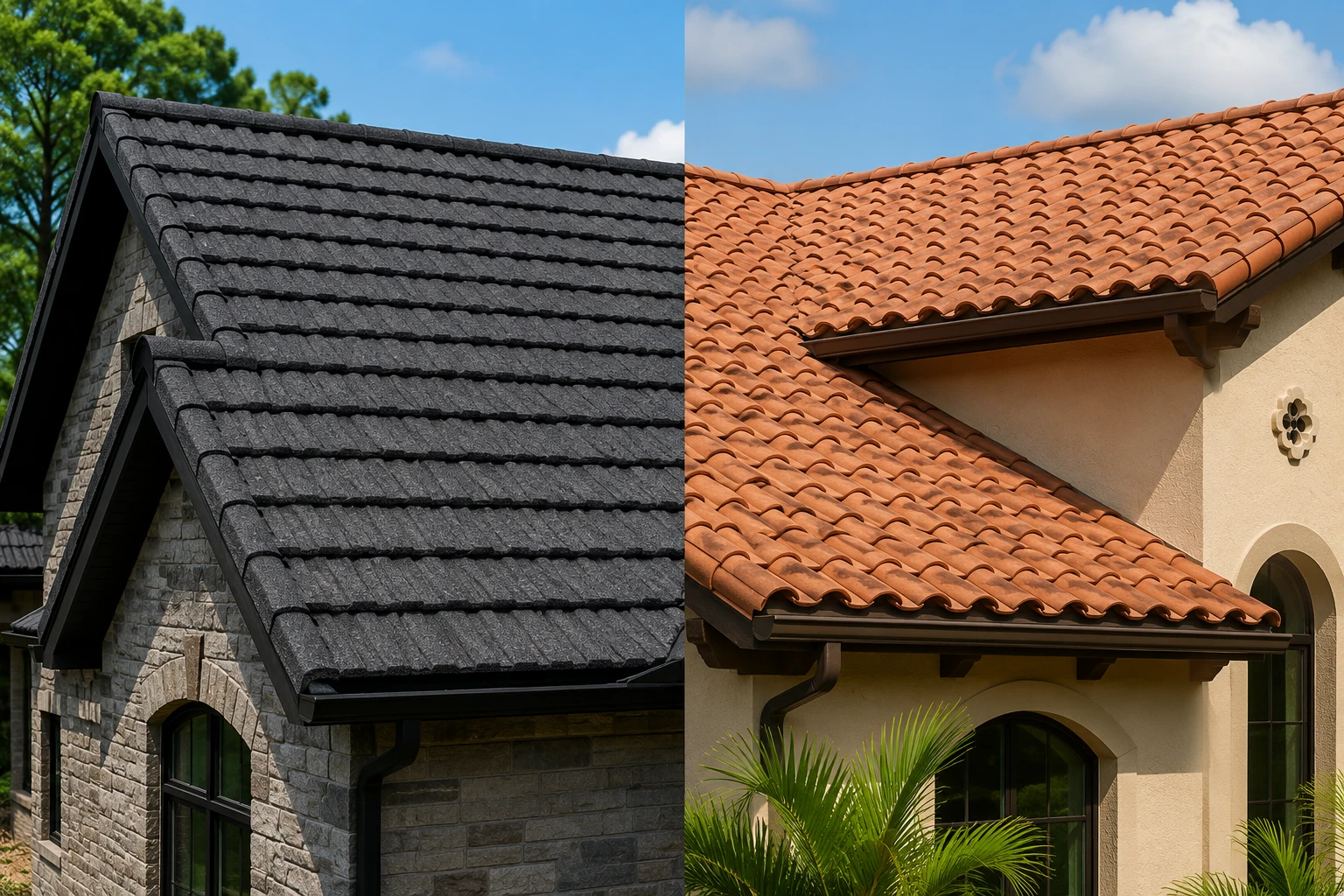
Choosing between stone coated vs clay tile roofing comes down to more than appearance. Homeowners today want durability, energy efficiency, weather protection, and long-term value. The challenge is that both roofing systems offer impressive benefits while performing very differently once climate, maintenance, and installation costs enter the picture. Some homeowners love the timeless Mediterranean look of clay tile. Others prefer the lightweight durability and storm resistance of stone coated steel roofing. Both are premium roofing systems. But the better option depends on your home, your environment, and your priorities. This guide breaks down the real-world differences between stone coated vs clay tile roofing so homeowners can make a smarter investment with confidence.
What Is Stone Coated Roofing?
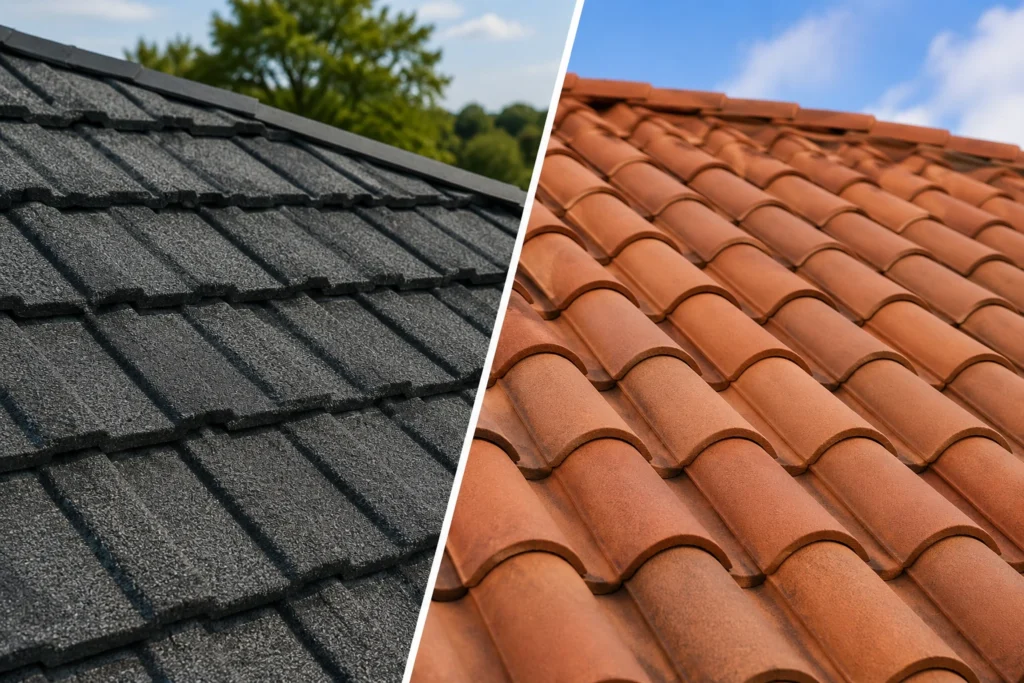
Stone coated roofing is a steel roofing system covered with stone granules for added protection and visual appeal. It combines the strength of metal roofing with the appearance of more traditional materials like tile, slate, or shingles. The steel core gives the roof exceptional durability. Meanwhile, the textured stone coating helps reduce glare and creates a more natural appearance. Modern stone coated roofing systems are designed to resist:
- High winds
- Hail damage
- Fire exposure
- Heavy rain
- UV deterioration
One of the biggest reasons homeowners choose stone coated roofing is versatility. It can mimic the appearance of clay tile without adding extreme structural weight to the home. That advantage becomes important very quickly during installation.
What Is Clay Tile Roofing?
Clay tile roofing has existed for centuries and remains one of the most recognizable roofing styles in residential construction. Clay tiles are made from natural clay that is molded and kiln-fired at high temperatures. The result is a dense, durable roofing material known for its distinctive shape and warm, natural colors. Clay tile is especially popular on:
- Mediterranean homes
- Spanish-style architecture
- Southwestern properties
- Luxury custom homes
The visual appeal is undeniable. Many homeowners choose clay tile simply because nothing else looks quite the same. It creates character instantly. But clay tile roofing is also extremely heavy. And that changes everything from structural requirements to installation costs.
Stone Coated vs Clay Tile: Quick Comparison
| Feature | Stone Coated Roofing | Clay Tile Roofing |
|---|---|---|
| Material | Steel with stone coating | Natural fired clay |
| Weight | Lightweight | Very heavy |
| Lifespan | 40–70 years | 50–100 years |
| Storm Resistance | Excellent | Moderate |
| Hail Resistance | High | Can crack |
| Maintenance | Low | Moderate |
| Installation | Faster | More specialized |
| Energy Efficiency | Good | Excellent |
| Cost | Moderate to high | High |
Appearance and Curb Appeal
Roofing plays a huge role in how a home feels visually. And homeowners care about that.
Stone Coated Roofing Appearance
Stone coated roofing has evolved dramatically over the years. Modern systems no longer look industrial or commercial. Instead, they replicate premium roofing styles surprisingly well. Homeowners can choose profiles that resemble:
- Barrel tile
- Slate
- Shake roofing
- Traditional shingles
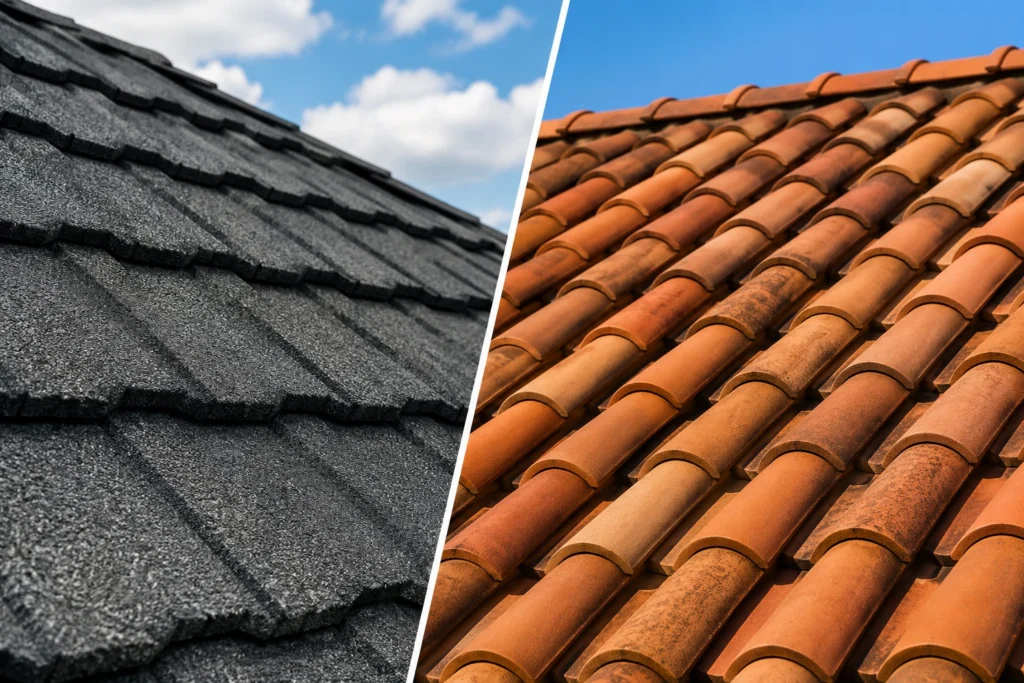
Some stone coated tile profiles closely imitate real clay tile from ground level. That creates flexibility for homeowners who want the appearance of tile without the structural burden.
Clay Tile Appearance
Clay tile still holds a unique place in luxury architecture. The natural texture, earthy color variation, and curved shapes create a timeless appearance that manufactured products often struggle to fully replicate. Authentic clay tile adds depth and architectural identity to a home. In upscale neighborhoods, that aesthetic can significantly improve curb appeal and perceived value.
Durability and Longevity
The stone coated vs clay tile debate becomes far more practical once durability enters the conversation.
Stone Coated Roofing Durability
Stone coated steel roofing is engineered for severe weather performance. The steel core provides impressive structural strength while resisting cracking and impact damage. Many systems carry high wind ratings exceeding 120 mph. Some are also rated for Class 4 impact resistance, which is the highest hail resistance classification available for roofing materials. That matters in storm-prone regions. Unlike brittle roofing materials, stone coated steel typically absorbs impact rather than cracking under pressure.
Clay Tile Durability
Clay tile can last for decades. In some climates, properly maintained clay tile roofs exceed 75 years. But durability has limits. Clay handles sun exposure exceptionally well. Heat and UV radiation rarely create major problems. However, clay tile is vulnerable to impact damage. Large hailstones, falling branches, or improper foot traffic can crack individual tiles. And once cracking occurs, repairs are necessary to prevent water intrusion.
Weight and Structural Requirements
This is one of the biggest differences between stone coated vs clay tile roofing.
Stone Coated Roofing Weight Advantages
Stone coated roofing is lightweight compared to clay tile. That creates several important advantages:
- Easier installation
- Less structural stress
- Lower transportation costs
- Faster reroofing projects
- Reduced need for structural reinforcement
Many homes can install stone coated roofing without modifying the existing framing. That saves substantial money.
Clay Tile Weight Challenges
Clay tile is extremely heavy. Some systems weigh multiple times more than traditional roofing materials. Because of that, homeowners may need:
- Structural engineering inspections
- Reinforced roof framing
- Additional support systems
Older homes especially may not safely support clay tile without modifications. This often surprises homeowners during the bidding process because structural upgrades can dramatically increase total project costs.
Weather Resistance Comparison
Roof performance during severe weather matters more than most homeowners realize. Especially after the first major storm.
Wind Resistance
Stone coated roofing performs exceptionally well in high winds because the panels interlock tightly and fasten securely to the roof deck. Clay tile can also resist wind effectively when installed properly, but strong wind uplift may loosen or crack tiles over time.
Hail Resistance
This category strongly favors stone coated roofing. Steel handles impact far better than brittle clay. That makes stone coated roofing especially attractive in hail-prone areas where repeated storms can damage traditional tile systems.
Heat and UV Resistance
Clay tile excels in hot climates. The curved shape naturally creates airflow beneath the tiles, helping reduce heat transfer into the attic. This passive ventilation system improves thermal efficiency during extreme heat. Stone coated roofing also performs well when reflective coatings are used, but clay tile often maintains a slight advantage in desert climates. During discussions about industrial heat resistance and Pyrolysis roofing manufacturers have also explored improved thermal processing systems that reduce environmental stress during production.
Energy Efficiency
Energy efficiency is becoming a major roofing consideration for homeowners trying to reduce cooling costs.
Stone Coated Roofing Energy Performance
Modern stone coated roofing systems often include reflective coatings that reduce solar heat absorption. When paired with proper attic ventilation and insulation, they can significantly improve indoor comfort during hot weather. Lighter roof colors generally perform best in warm climates.
Clay Tile Energy Performance
Clay tile roofing naturally creates an air pocket beneath the tiles. This space helps dissipate heat before it transfers into the attic. That design has helped clay tile remain popular in hot regions for generations. In warm climates, homeowners may notice lower cooling demand with properly ventilated clay tile roofing systems.
Installation Process
Installation quality matters just as much as the roofing material itself. Sometimes more.
Installing Stone Coated Roofing
Stone coated roofing generally installs faster because the material is lightweight and easier to handle. Some systems may even install over existing roofing materials depending on local building codes. Faster installation often reduces labor costs and minimizes project disruption.
Installing Clay Tile Roofing
Clay tile installation requires specialized experience. The tiles are heavy and fragile. Improper handling can easily crack materials before installation is even complete. Underlayment quality is especially important because the tiles themselves are not completely waterproof barriers. And finding highly experienced clay tile installers is not always easy in every market.
Maintenance and Repairs
Every roofing system eventually requires maintenance. The difference is frequency and cost.
Stone Coated Roofing Maintenance
Stone coated roofing is relatively low maintenance. Most homeowners only need:
- Routine inspections
- Gutter cleaning
- Debris removal
- Occasional fastener checks
Repairs are usually limited unless severe storm damage occurs.
Clay Tile Maintenance
Clay tile roofs require more attention over time. Common issues include:
- Cracked tiles
- Slipped tiles
- Broken pieces from foot traffic
- Moss buildup
- Aging underlayment
One important reality many homeowners overlook is that the underlayment beneath clay tile often wears out before the tiles themselves. That can create expensive repair projects later.
Cost Comparison
Roofing costs vary significantly depending on labor, region, roof complexity, and material quality. Still, broad differences exist.
Stone Coated Roofing Costs
Stone coated roofing falls into the premium roofing category but generally costs less than authentic clay tile systems. Because it is lightweight, homeowners also avoid many structural upgrade expenses.
That improves overall project value.
Clay Tile Roofing Costs
Clay tile roofing is expensive. Material costs are high. Labor costs are high. Structural reinforcement can increase expenses even further. But homeowners choosing clay tile are often investing heavily in appearance and architectural prestige.
Environmental Impact
Sustainability matters to many modern homeowners.
Stone Coated Roofing Sustainability
Many stone coated roofing systems use recyclable steel, reducing landfill waste over time. The long lifespan also minimizes replacement frequency. In coastal regions, manufacturers continue studying moisture exposure and Electrochemistry related corrosion processes to improve long-term performance.
Clay Tile Sustainability
Clay tile uses natural materials, which appeals to environmentally conscious homeowners. However, the kiln-firing process requires substantial energy during manufacturing. Still, the long lifespan offsets part of the environmental impact.
Common Homeowner Concerns
Is Stone-Coated Roofing Noisy?
Not usually. Modern underlayment systems and attic insulation reduce sound significantly. Most homeowners notice very little difference during rainstorms.
Does Clay Tile Crack Easily?
Clay tile is durable during normal weather conditions but vulnerable to impact damage. Walking improperly on the roof or experiencing severe hailstorms can crack individual tiles.
Which Roof Adds More Home Value?
Both roofing systems can improve resale value. Clay tile may appeal more to luxury buyers focused on aesthetics, while stone coated roofing often attracts buyers looking for durability and lower maintenance.
How to Choose Between Stone Coated vs Clay Tile
The right roof depends on your priorities. Choose stone coated roofing if you want:
- Strong storm resistance
- Lightweight construction
- Lower maintenance
- Faster installation
- Better hail performance
Choose clay tile if you want:
- Authentic Mediterranean aesthetics
- Premium architectural appearance
- Excellent heat performance
- Traditional luxury styling
Always evaluate the structural capacity of the home before making a final decision. That step matters more than many homeowners realize.
Final Verdict on Stone Coated vs Clay Tile
The stone coated vs clay tile comparison ultimately comes down to performance versus tradition. Stone coated roofing offers modern durability, strong weather resistance, lighter weight, and lower maintenance requirements. It performs exceptionally well in storm-prone regions and gives homeowners the appearance of tile without extreme structural demands. Clay tile remains one of the most visually striking roofing materials available. Its timeless appearance and natural thermal performance make it a favorite for luxury homes and warm climates. Neither roofing system is universally better. The smartest choice is the one that matches your climate, budget, architectural style, and long-term maintenance expectations. Because the best roof is not simply the one that looks impressive today. It is the one that continues protecting your home decades from now.
FAQs
Is stone-coated roofing better than clay tile?Stone coated roofing is often better for storm resistance and lower maintenance, while clay tile excels in traditional aesthetics and long-term visual appeal.
Which roof lasts longer: stone coated or clay tile?Clay tile can last longer under ideal conditions, sometimes exceeding 75 years, but stone coated roofing still offers excellent longevity with fewer cracking concerns.
Does clay tile crack easily?Clay tile is durable but can crack from heavy impacts, falling branches, hail, or improper foot traffic during maintenance.
Is stone-coated roofing noisy during rain?Most properly installed stone coated roofs are not excessively noisy because underlayment and attic insulation help absorb sound effectively.
Which roofing system is better for hurricanes?Stone coated roofing generally performs better in high-wind environments because interlocking steel panels resist uplift more effectively than individual tiles.
Does clay tile require extra structural support?Many homes require structural evaluation or reinforcement before installing clay tile because of its significant weight.
Is stone-coated roofing energy efficient?Yes. Many systems use reflective coatings that help reduce heat absorption and improve indoor temperature control.
Which roof costs more to maintain?Clay tile usually requires more maintenance over time due to cracked tiles, underlayment concerns, and more delicate repair work.
Can stone coated roofing look like clay tile?Yes. Many stone coated roofing systems are specifically designed to mimic the appearance of traditional clay tile roofs.
Which roofing system adds more resale value?Both can improve resale value, but clay tile often adds stronger luxury appeal while stone coated roofing attracts buyers focused on durability and lower maintenance.