Choosing a new roof is rarely a small decision. It affects your home’s appearance, durability, energy efficiency, maintenance costs, and long-term value. That’s why understanding the pros and cons of stone coated steel roofing is essential before investing thousands of dollars into a roofing system.
Over the past decade, stone coated steel roofs have gained significant attention among homeowners looking for something stronger than asphalt shingles but more attractive than traditional metal roofing. They promise durability, longevity, and impressive weather resistance. However, like any roofing material, they are not perfect.
In this guide, we’ll explore the real pros and cons of stone coated steel roofing, compare it to other popular roofing materials, and help you determine whether it makes sense for your home and budget.
What Is Stone Coated Steel Roofing?
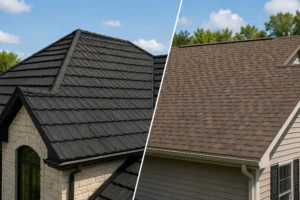
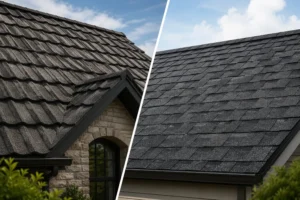
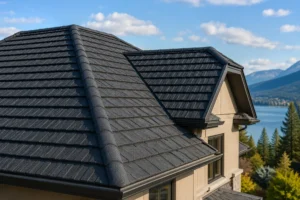
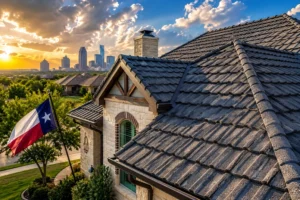
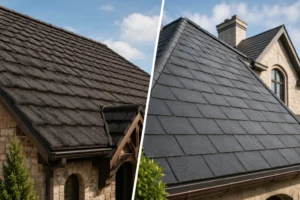
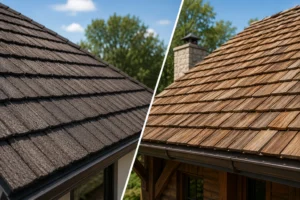
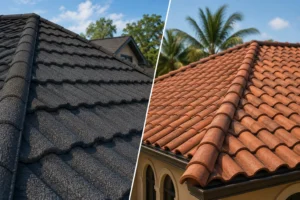
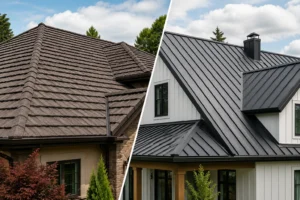
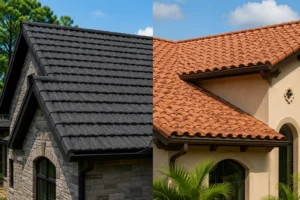
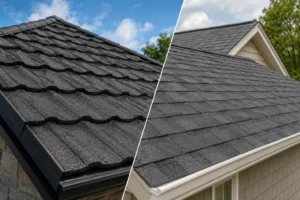
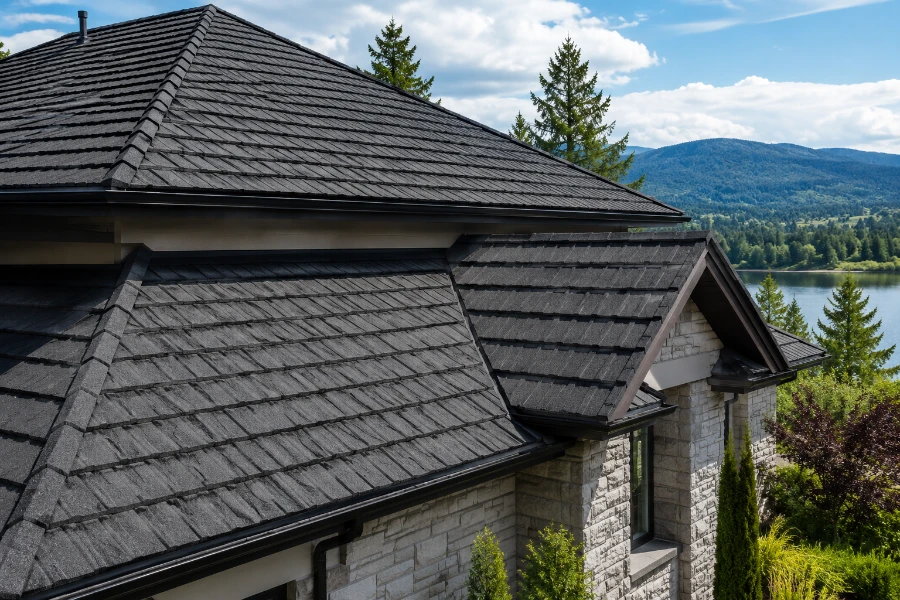
Stone coated steel roofing combines the strength of metal with the visual appeal of traditional roofing materials.
Unlike traditional exposed metal roofs, stone coated steel roofing combines the strength of steel with the appearance of shingles, shakes, or tile. If you’re new to this roofing system, our guide on what is stone coated steel roofing explains how the material is constructed and why it has become increasingly popular among homeowners.
At its core, each roofing panel consists of steel. That steel receives protective coatings designed to prevent corrosion. The surface is then covered with stone granules that create texture, color, and a more traditional appearance.
The result is a roofing system that can resemble:
- Asphalt shingles
- Wood shakes
- Clay tiles
- Concrete tiles
- Slate roofing
From the street, many homeowners cannot immediately tell they are looking at a metal roof.
That’s a major advantage.
Common Styles Available
Manufacturers offer several design options to match different architectural styles.
| Style | Appearance |
| Shake Profile | Mimics cedar shake roofing |
| Tile Profile | Resembles Mediterranean clay tile |
| Shingle Profile | Looks similar to asphalt shingles |
| Slate Profile | Recreates natural slate appearance |
This versatility allows homeowners to achieve almost any look without sacrificing durability.
How Stone Coated Steel Roofing Works
The performance of stone coated steel roofing comes from multiple layers working together.
Core Components
A typical panel includes:
- Steel base layer
- Corrosion-resistant coating
- Stone granule coating
- Protective acrylic finish
Each layer serves a purpose.
The steel provides strength.
The coating protects against rust.
The stone granules improve aesthetics and UV resistance.
The acrylic layer helps preserve color and durability.
Interlocking Design
Most stone coated steel roofing systems use interlocking panels.
This matters.
Rather than relying solely on exposed fasteners, the panels connect to create a stronger roofing surface capable of handling severe weather conditions.
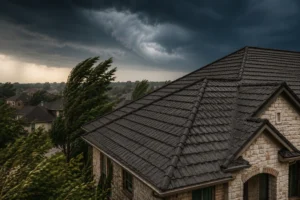
For homeowners living in hurricane-prone or hail-prone regions, this design can provide valuable peace of mind.
Pros of Stone Coated Steel Roofing
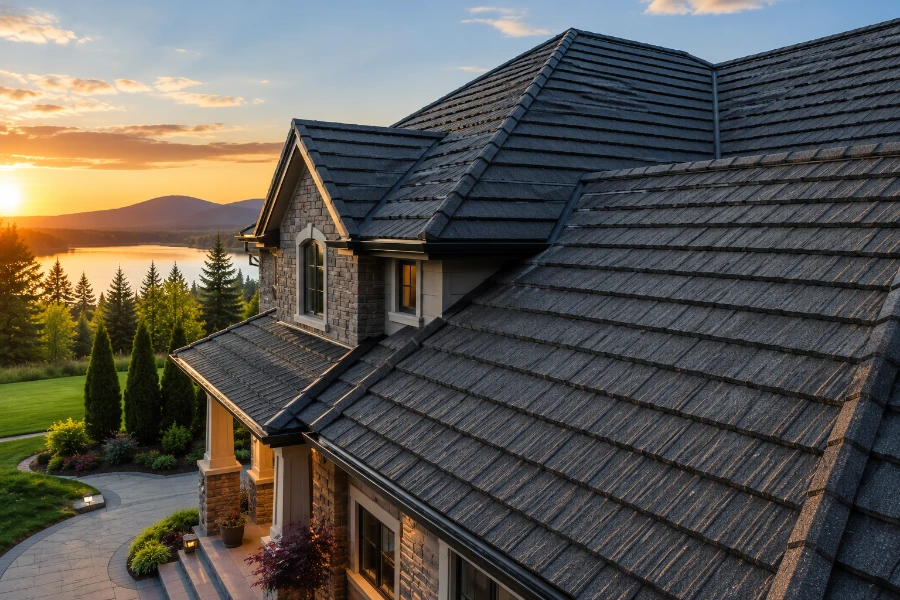
Now let’s examine why so many homeowners choose this roofing material.
Exceptional Durability
Durability is often the first selling point.
And for good reason.
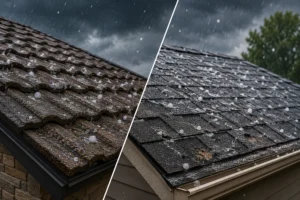
Stone coated steel roofing can withstand weather conditions that may quickly damage conventional asphalt shingles.
Many systems are rated to resist:
- Winds exceeding 120 mph
- Hail impacts
- Heavy rainfall
- Snow accumulation
- Fire exposure
When severe storms hit, roofing performance becomes critical.
A roof that survives one major storm can save thousands of dollars in repairs.
Long Lifespan
One of the strongest arguments when discussing the pros and cons of stone coated steel roofing is longevity.
A typical asphalt shingle roof may last 15 to 30 years depending on climate and maintenance.
Stone coated steel roofing often lasts 40 to 70 years.
Consider the difference:
| Roofing Material | Typical Lifespan |
| Asphalt Shingles | 15–30 Years |
| Wood Shakes | 20–40 Years |
| Concrete Tile | 40–50 Years |
| Stone Coated Steel | 40–70 Years |
For homeowners planning to stay in their home for decades, that lifespan can dramatically improve long-term value.
Energy Efficiency Benefits
Energy efficiency is another major advantage.
Many stone coated steel roofing products reflect solar heat rather than absorbing it.
This can reduce attic temperatures and decrease air conditioning demand during hot weather.
While savings vary by climate, homeowners in sunny regions often notice reduced cooling costs over time.
The roof works harder.
Your HVAC system works less.
That’s a welcome trade-off.
Energy-efficient roofing systems can help reduce heat transfer into a home, potentially lowering cooling costs during warmer months. This concept is closely related to thermal radiation, which describes how heat energy moves and interacts with surfaces.
Lightweight Yet Strong
Clay and concrete tiles offer excellent durability.
They are also extremely heavy.
Stone coated steel provides a similar appearance while weighing significantly less.
This lighter weight offers several benefits:
- Reduced structural stress
- Easier installation
- Lower transportation costs
- Greater compatibility with existing homes
In some situations, homeowners can avoid expensive structural modifications entirely.
Attractive Appearance
Let’s be honest.
Performance matters.
Appearance matters too.
A roof accounts for a significant portion of a home’s exterior appearance.
Stone coated steel roofing provides a premium look without limiting homeowners to one design style.
Whether you own:
- A farmhouse
- A coastal property
- A Mediterranean home
- A craftsman-style residence
There is likely a stone coated steel profile that complements the architecture.
Low Maintenance Requirements
Many roofing systems require regular attention.
Cracked shingles.
Broken tiles.
Warping.
Curling.
Missing pieces after storms.
Stone coated steel roofing generally experiences fewer of these issues.
Routine maintenance often consists of:
- Clearing debris
- Inspecting flashing
- Cleaning gutters
- Periodic visual inspections
That’s a relatively short maintenance checklist compared to many alternatives.
Environmentally Friendly Roofing Option
Sustainability has become increasingly important.
Fortunately, stone coated steel roofing performs well in this category.
Many products contain recycled steel and can be fully recycled at the end of their lifespan.
Compare that to asphalt shingles, which frequently end up in landfills after replacement.
Even better, the longer service life means fewer roofing replacements over time.
Less waste.
Fewer materials consumed.
Greater overall efficiency.
Sustainability efforts often focus on long-term material use and waste reduction. These goals align closely with the concept of resource conservation, which involves managing materials responsibly to minimize environmental impact.
Strong Weather Performance
Weather is where stone coated steel roofing truly shines.
Severe weather events continue to increase across many regions.
Homeowners want protection.
Stone coated steel delivers it.
Benefits include:
- Excellent wind resistance
- Resistance to hail damage
- Fire resistance
- Improved snow shedding
- Reduced risk of moisture infiltration
If your area experiences frequent storms, this factor alone may justify the investment.
Potential Increase in Home Value
Buyers often appreciate premium roofing systems.
A durable roof signals lower future maintenance costs.
It also provides confidence.
When prospective buyers learn the roof may last decades longer than standard shingles, that can positively influence purchasing decisions.
While no roofing material guarantees a specific increase in resale value, stone coated steel roofing can strengthen a property’s overall appeal.
Cons of Stone Coated Steel Roofing
A balanced discussion of the pros and cons of stone coated steel roofing requires examining the drawbacks as well.
Every roofing material involves compromises.
Stone coated steel is no exception.
Higher Initial Cost
This is usually the biggest concern.
Stone coated steel roofing costs significantly more upfront than asphalt shingles.
The total project cost depends on:
- Roof size
- Roof complexity
- Material selection
- Geographic location
- Contractor rates
However, homeowners should evaluate roofing costs over the entire lifespan of the roof, not simply the installation day invoice.
A roof that lasts twice as long may ultimately provide better value despite the higher purchase price.
Specialized Installation Requirements
Installation quality directly impacts roofing performance.
Stone coated steel roofing requires specialized knowledge.
Not every roofing contractor has experience with these systems.
This creates two challenges:
- Finding qualified installers
- Potentially paying higher labor rates
Homeowners should always verify contractor certifications, references, and previous installation projects before signing a contract.
Noise Concerns During Heavy Rain
One of the most common questions surrounding the pros and cons of stone coated steel roofing involves noise.
People often imagine rain pounding loudly on metal panels.
In reality, modern stone coated steel roofing is typically installed over underlayment and roof decking, which significantly reduces sound.
Still, during intense storms, some homeowners may notice slightly more noise compared to certain other roofing materials.
Whether that becomes an issue depends largely on installation quality and personal sensitivity.
Repair Complexity
Repairs can be more involved than replacing a few asphalt shingles.
Depending on the roof design, damaged panels may require specialized replacement techniques.
Finding matching materials years later can occasionally present challenges as well.
Fortunately, major repairs tend to occur less frequently because the material itself is highly durable.
Potential Denting Under Extreme Impact
Although stone coated steel roofs perform exceptionally well against hail, no roofing material is indestructible.
Extreme impacts from:
- Large tree limbs
- Severe hailstorms
- Flying debris
may cause dents or cosmetic damage.
Structural failure remains uncommon, but homeowners should understand that visible damage can still occur under extreme conditions.
Limited Contractor Availability
Another consideration when evaluating the pros and cons of stone coated steel roofing is installer availability.
In some markets, finding an experienced contractor may be easy.
In others, it may take additional research.
The roofing system itself is not the challenge.
The challenge is ensuring the installation team understands the manufacturer’s requirements and best practices.
Upfront Investment May Not Fit Every Budget
While the long-term value proposition is strong, not every homeowner can comfortably absorb a higher initial expense.
If your primary goal is minimizing upfront costs, alternative roofing materials may provide a more practical solution.
Budget matters.
The best roof is often the one that balances performance with financial reality.
Stone Coated Steel Roofing vs Other Roofing Materials
Understanding the pros and cons of stone coated steel roofing becomes easier when comparing it directly with competing roofing options.
Stone Coated Steel vs Asphalt Shingles
Asphalt shingles remain the most common residential roofing material.
They are affordable and widely available.
However, they generally require replacement sooner.
| Feature | Stone Coated Steel | Asphalt Shingles |
| Lifespan | 40–70 Years | 15–30 Years |
| Wind Resistance | Excellent | Moderate |
| Maintenance | Low | Moderate |
| Energy Efficiency | Better | Average |
| Upfront Cost | Higher | Lower |
For homeowners seeking long-term durability, stone coated steel often provides superior value.
Stone Coated Steel vs Clay Tile
Clay tile delivers exceptional aesthetics but can place substantial weight on a home’s structure.
Stone coated steel offers:
- Similar visual appeal
- Reduced structural load
- Easier installation
- Lower reinforcement requirements
Many homeowners appreciate getting a tile-like appearance without the associated weight concerns.
Stone Coated Steel vs Concrete Tile
Concrete tile is known for durability but shares many of the same weight-related limitations as clay tile.
Stone coated steel often provides:
- Better weight efficiency
- Faster installation
- Strong weather resistance
- Greater flexibility for retrofit projects
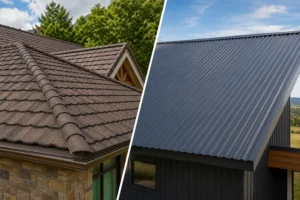
Stone Coated Steel vs Standing Seam Metal Roofing
Both roofing systems are metal-based, but their appearance differs significantly.
Standing seam roofs offer a sleek, modern aesthetic.
Stone coated steel roofing provides a more traditional residential appearance.
The choice often comes down to architecture and personal preference rather than performance.
Who Should Consider Stone Coated Steel Roofing?
Not every homeowner needs a premium roofing system.
However, stone coated steel roofing can be an excellent choice for specific situations.
Ideal Homeowners
This roofing system may be a strong fit if you:
- Plan to remain in your home long-term
- Live in a severe weather region
- Want lower maintenance requirements
- Value energy efficiency
- Prefer premium building materials
- Focus on long-term return on investment
These homeowners often gain the greatest benefit from the durability and longevity stone coated steel roofing provides.
Situations Where It May Not Be the Best Choice
Stone coated steel roofing may not be ideal if:
- You plan to move within a few years
- Budget constraints are significant
- Qualified installers are difficult to find locally
- The lowest possible upfront cost is your priority
Every roofing decision should be based on individual circumstances rather than trends alone.
Factors to Consider Before Buying
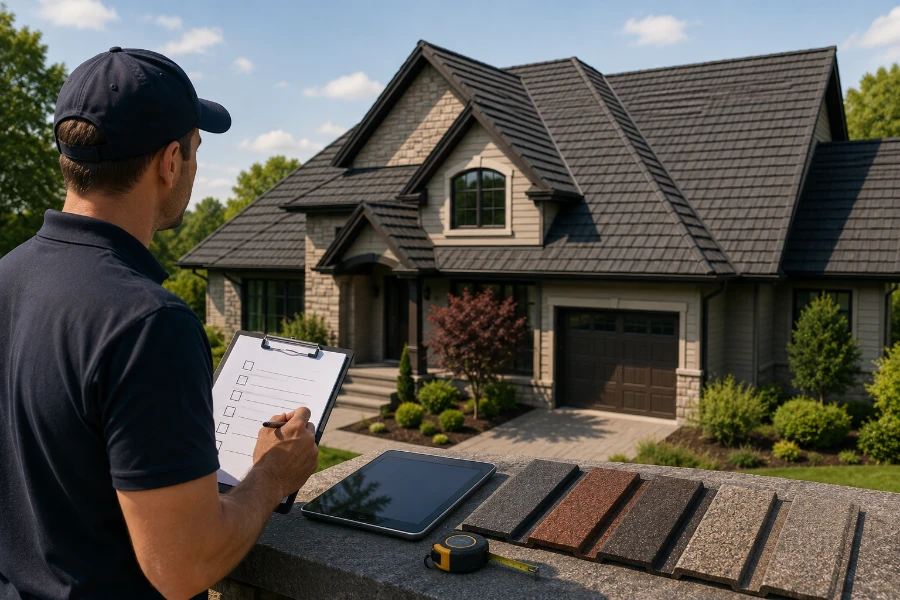
Before making a final decision, evaluate several important variables.
Local Climate
Climate plays a major role in roofing performance.
| Climate Condition | Stone Coated Steel Performance |
| High Winds | Excellent |
| Heavy Snow | Excellent |
| Hail Exposure | Excellent |
| Intense Sun | Excellent |
| Humid Conditions | Very Good |
Regions with frequent storms often benefit the most from durable roofing systems.
Roofing Budget
Ask yourself:
- What is my installation budget?
- How long will I own the property?
- What maintenance costs am I willing to accept?
- Is long-term value more important than upfront savings?
Answering these questions helps narrow the options considerably.
Home Architecture
A roofing system should complement the home’s design.
Fortunately, stone coated steel products are available in styles that suit:
- Traditional homes
- Contemporary homes
- Mediterranean homes
- Craftsman homes
- Farmhouses
This flexibility is one reason the material continues to gain popularity.
HOA Requirements
Before selecting a roofing material, verify:
- Approved roofing styles
- Color requirements
- Material restrictions
- Installation standards
A quick review of HOA guidelines can prevent costly delays later.
Warranty Coverage
Not all roofing warranties are equal.
Review:
- Material coverage
- Wind coverage
- Hail coverage
- Transferability
- Workmanship protection
A strong warranty adds another layer of confidence to your investment.
Contractor Experience
Contractor selection may be the single most important decision in the entire project.
Look for:
- Manufacturer certifications
- Positive reviews
- Completed project references
- Proper licensing
- Adequate insurance coverage
An excellent roof installed poorly can still fail.
An excellent roof installed correctly can perform for decades.
Cost Breakdown of Stone Coated Steel Roofing
Cost is one of the most discussed aspects of the pros and cons of stone coated steel roofing.
Let’s examine the bigger picture.
Material Costs
Material pricing varies based on:
- Roof design
- Product profile
- Manufacturer
- Color selection
- Local market conditions
Premium profiles generally cost more than standard options.
Installation Costs
Labor costs are influenced by:
- Roof complexity
- Roof pitch
- Accessibility
- Regional labor rates
- Contractor expertise
Simple roof designs generally cost less to install than highly complex roofing systems.
Long-Term Ownership Costs
This is where stone coated steel roofing frequently excels.
Homeowners often experience reduced costs related to:
- Maintenance
- Repairs
- Premature replacement
- Storm damage
- Energy consumption
Those savings can accumulate substantially over several decades.
Return on Investment
While every market is unique, stone coated steel roofing may provide value through:
- Longer lifespan
- Better durability
- Enhanced curb appeal
- Lower maintenance expenses
- Improved weather performance
Looking beyond installation costs often reveals a much stronger value proposition.
Conclusion
After reviewing the pros and cons of stone coated steel roofing, one thing becomes clear.
This roofing system is designed for homeowners who prioritize long-term performance.
The benefits are substantial.
You gain impressive durability, strong weather resistance, energy efficiency, low maintenance requirements, and a lifespan that can far exceed traditional roofing materials.
There are trade-offs, of course.
The higher upfront investment and specialized installation requirements deserve careful consideration.
However, many homeowners ultimately determine that the long-term value outweighs the initial cost.
If you’re still weighing the pros and cons of stone coated steel roofing, it may help to evaluate the broader investment picture. Our guide on are stone coated roofs worth it takes a deeper look at costs, lifespan expectations, maintenance requirements, and long-term return on investment.
Ultimately, the right roof is not simply the cheapest option.
It’s the roofing system that delivers the best combination of protection, appearance, durability, and value for your specific home.
For many homeowners, stone coated steel roofing checks all of those boxes.
FAQs
Yes, stone coated steel roofing typically costs more upfront than asphalt shingles, but its longer lifespan can provide better value over time.
Most stone coated steel roofing systems last between 40 and 70 years when installed correctly and maintained properly.
Quality stone coated steel roofing is manufactured with protective coatings that help prevent rust and corrosion for decades.
Most homeowners find noise levels comparable to other roofing materials because modern installations include underlayment and roof decking that absorb sound.
Many stone coated steel roofing systems are designed to resist high winds and severe weather, making them a popular choice in hurricane-prone areas.
Yes, many products reflect solar heat, which may help reduce attic temperatures and lower cooling costs in warmer climates.
In some cases, it can be installed over an existing roof, but local building codes and manufacturer requirements should always be reviewed first.
No, maintenance is generally limited to routine inspections, gutter cleaning, and removing debris from the roof surface.
A durable, long-lasting roof can make a property more attractive to buyers and may contribute to stronger resale appeal.
Yes, many stone coated steel roofing products contain recycled materials and are fully recyclable at the end of their service life.