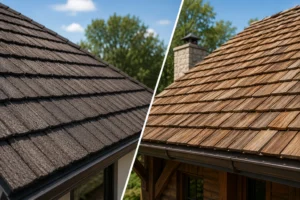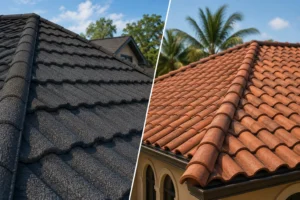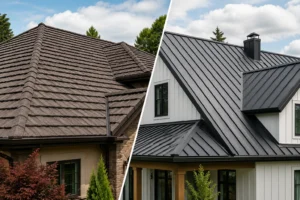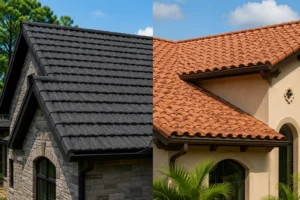
Choosing a new roof isn’t something most homeowners do often. In fact, it’s one of the biggest investments you’ll make for your property. That makes stone coated roof vs corrugated metal more than just a design decision—it’s a long-term financial decision that affects durability, maintenance, energy efficiency, and even your home’s resale value.
At first glance, both roofing systems appear similar because they’re made from metal. However, once you look beneath the surface, the differences become surprisingly significant. One focuses on blending exceptional strength with timeless residential beauty. The other emphasizes affordability, simplicity, and practicality.
If you’re also comparing other metal roofing systems, our guide to stone coated vs standing seam metal explores another premium roofing option and explains how concealed-fastener roofing differs from stone coated steel in terms of appearance, durability, and long-term maintenance.
So which one should you choose?
The answer depends on your budget, location, architectural style, and long-term expectations. Let’s break everything down so you can confidently decide which roofing system delivers the greatest value.
Understanding the Two Roofing Systems
Although both products use metal as their structural foundation, they are built very differently.
What Is a Stone Coated Roof?
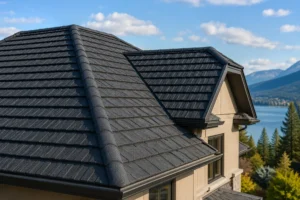
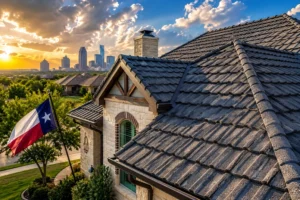
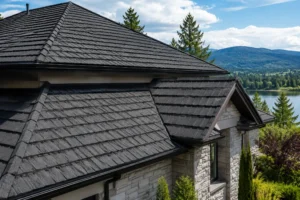
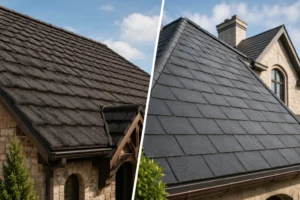
A stone coated roof begins with a steel panel, typically protected by zinc-aluminum coatings that resist corrosion. Manufacturers then apply an acrylic bonding layer before embedding natural stone granules across the surface.
Those stone granules do far more than improve appearance.
They provide additional UV protection, reduce glare, absorb sound, and help create a roof that resembles traditional shingles, slate, clay tile, or cedar shake without sacrificing the strength of steel.
The result is a premium roofing system that combines beauty with outstanding durability.
What Is Corrugated Metal Roofing?
Corrugated metal roofing uses ribbed steel or aluminum panels designed primarily for strength and efficient water drainage.
Its distinctive wave-shaped profile increases structural rigidity while allowing large panels to span significant distances.
Most corrugated roofing systems use exposed fasteners, making installation relatively fast and affordable.
Although once associated mostly with barns, workshops, and agricultural buildings, corrugated metal has become increasingly popular in modern residential architecture thanks to its minimalist appearance.
Quick Comparison Table
| Feature | Stone Coated Roof | Corrugated Metal |
| Appearance | Traditional residential styles | Modern or industrial |
| Lifespan | 50–70+ years | 40–60 years |
| Wind Resistance | Excellent | Excellent |
| Hail Resistance | Outstanding | Very Good |
| Noise During Rain | Quiet | Louder without insulation |
| Maintenance | Low | Moderate |
| Installation Cost | Higher | Lower |
| Long-Term Value | Excellent | Good |
| Best For | Homes prioritizing aesthetics | Budget-conscious projects |
Appearance and Curb Appeal
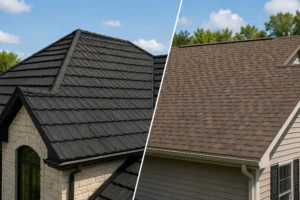
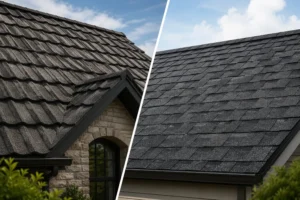
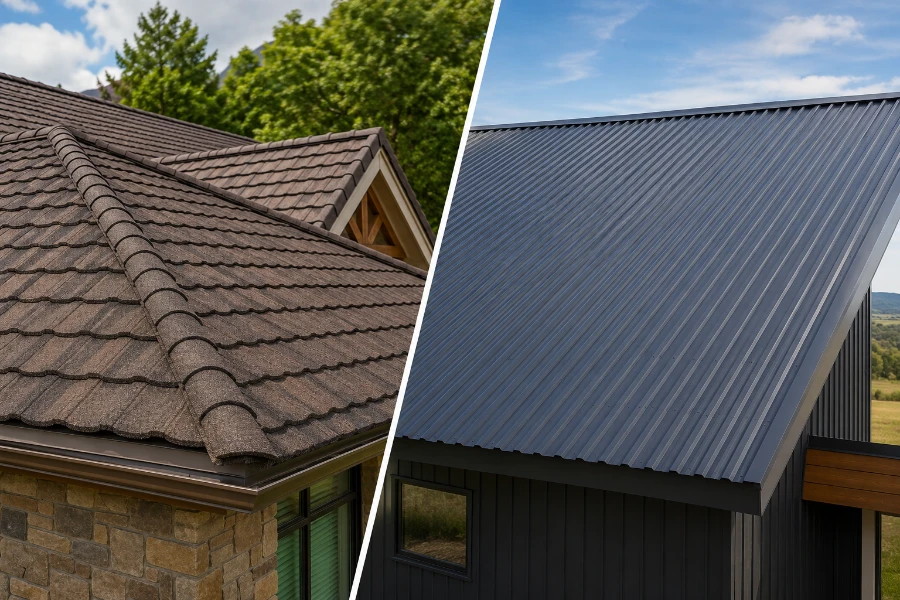
One of the biggest differences in the stone coated roof vs corrugated metal debate comes down to visual appeal.
Stone Coated Roofing Delivers Traditional Beauty
Many homeowners want the durability of metal without making their home look commercial.
Stone coated roofing solves that challenge beautifully.
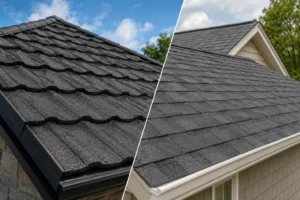
Instead of looking like exposed steel panels, these roofs replicate classic roofing materials with remarkable realism. Whether your home features craftsman architecture, Mediterranean influences, or contemporary design, there’s usually a matching profile available.
Color choices are extensive as well.
Rather than a flat painted finish, the textured stone surface creates depth and dimension that remains attractive for decades.
Corrugated Metal Creates a Modern Statement
Corrugated metal roofing has a completely different personality.
Its clean vertical lines create a sleek, contemporary appearance that’s perfect for:
- Modern homes
- Farmhouses
- Cabins
- Workshops
- Agricultural buildings
- Barndominiums
For homeowners seeking minimalist architecture, corrugated panels can look stunning. However, they may appear out of place on more traditional suburban homes.
Material Composition and Construction
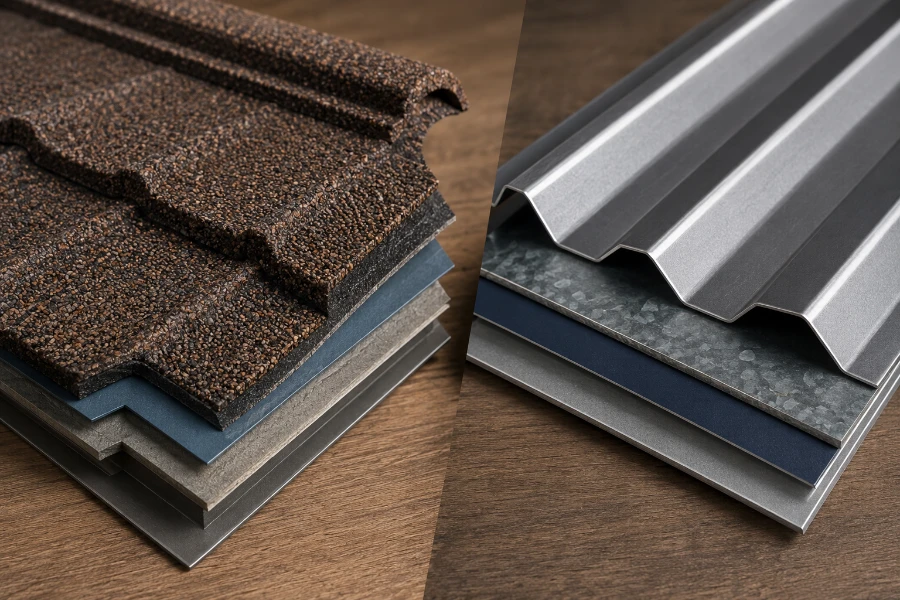
The way each roofing system is built directly affects its performance.
Stone Coated Roof Structure
A typical stone coated roofing panel consists of:
- Steel core
- Zinc-aluminum protective coating
- Acrylic adhesive layer
- Natural stone granules
- Protective clear overglaze
Each layer serves a purpose, creating multiple barriers against moisture, corrosion, UV rays, and physical damage.
Corrugated Metal Construction
Corrugated roofing is simpler.
Most systems include:
- Steel or aluminum panel
- Galvalume coating or galvanized finish
- Factory-applied paint finish
- Protective clear coating
This straightforward construction keeps costs lower while still providing impressive durability. The protective metallic coating significantly improves corrosion resistance, helping the roof withstand years of exposure to rain, sunlight, and changing temperatures.
Durability Comparison
Durability often becomes the deciding factor when comparing stone coated roof vs corrugated metal.
Fortunately, both products outperform traditional asphalt shingles.
However, there are important differences.
Hail Resistance
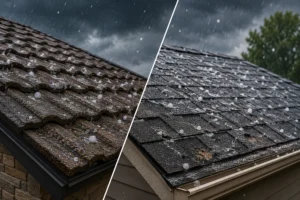
Stone coated roofing excels during hailstorms.
The textured stone surface helps disperse impact energy before it reaches the steel beneath, reducing the likelihood of visible dents.
Corrugated metal performs well too.
However, large hailstones may leave cosmetic dents that don’t necessarily compromise structural integrity but can affect appearance.
Wind Performance
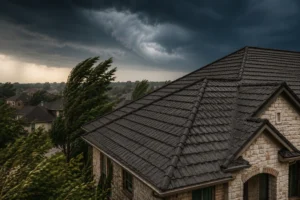
Both roofing systems can withstand severe weather when installed correctly.
Many premium stone coated systems carry wind ratings exceeding 120 mph.
Corrugated panels also achieve impressive wind resistance, although performance depends heavily on proper fastener placement and installation quality.
Corrosion Protection
Modern coatings significantly improve corrosion resistance.
Stone coated roofing benefits from multiple protective layers, while high-quality corrugated panels rely on galvanized or Galvalume finishes combined with durable paint systems.
In coastal environments, proper material selection becomes especially important.
Lifespan: Which Roof Lasts Longer?
Most homeowners only want to replace a roof once.
Here’s how the two compare.
| Roofing Type | Typical Lifespan |
| Stone Coated Roof | 50–70+ years |
| Corrugated Metal | 40–60 years |
Actual longevity depends on several factors:
- Climate
- Installation quality
- Maintenance
- Roof ventilation
- Material thickness
- Exposure to salt air
When installed by experienced professionals, either roofing system can protect a home for decades.
Weather Performance
Mother Nature doesn’t care how attractive your roof looks.
Performance matters.
Heavy Rain
Both roofing systems shed water exceptionally well.
Corrugated panels channel water quickly along their ribs, while stone coated roofs use overlapping panel designs that prevent water intrusion.
Snow and Ice
Metal naturally encourages snow to slide away.
Stone coated roofing provides slightly more surface texture, slowing snow movement and reducing sudden snow slides.
Extreme Heat
Reflective coatings help both systems reduce heat absorption compared to conventional asphalt roofing.
Lighter colors perform especially well in warmer climates.
Noise Levels During Rain and Storms
One concern homeowners often raise when comparing stone coated roof vs corrugated metal is noise. Many people imagine every metal roof sounding like a drum during heavy rain. Fortunately, that isn’t always the case.
The amount of sound you hear depends on far more than the roofing material itself. Roof decking, insulation, underlayment, attic ventilation, and installation quality all play major roles.
Stone Coated Roof
Stone coated roofing has a distinct advantage.
The layer of natural stone granules helps absorb and diffuse the sound of rainfall before it reaches the interior of the home. Combined with solid roof decking and modern insulation, many homeowners report that the noise level feels comparable to traditional asphalt shingles.
If comfort is high on your priority list, this is a meaningful benefit.
Corrugated Metal Roof
Corrugated metal roofs can be louder, particularly when installed over open framing or structures like barns, sheds, or workshops.
Fortunately, residential installations usually include:
- Solid roof decking
- Synthetic underlayment
- Attic insulation
- Air barriers
These components significantly reduce sound transmission.
In other words, a properly installed corrugated metal roof doesn’t have to be noisy, although stone coated roofing generally performs better in this category.
Energy Efficiency
Energy efficiency has become a major factor for homeowners looking to reduce monthly utility bills while creating a more comfortable indoor environment.
Fortunately, both roofing systems perform better than many conventional roofing materials.
Reflective Properties
Metal naturally reflects a large percentage of solar radiation.
Many manufacturers also produce cool roofs designed to reflect more sunlight and absorb less heat. According to the U.S. Department of Energy, these roofing systems can help lower roof surface temperatures and reduce cooling demands during hot weather.
Heat Transfer
Stone coated roofing often creates small ventilation spaces beneath the panels.
These air gaps help reduce heat transfer into the attic while allowing warm air to escape more efficiently.
Corrugated metal roofing also performs well when paired with an adequately ventilated roof assembly.
Cooling Cost Savings
Depending on your climate and insulation levels, homeowners may experience benefits such as:
- Lower attic temperatures
- Reduced air conditioning usage
- Improved indoor comfort
- Lower energy bills during summer
- Reduced HVAC workload
Although roofing alone won’t eliminate high cooling costs, it contributes significantly to overall energy performance.
Maintenance Requirements
One reason metal roofing has grown in popularity is its relatively low maintenance.
However, no roofing system is completely maintenance-free.
Stone Coated Roof Maintenance
Stone coated roofs generally require very little attention beyond routine inspections.
Recommended maintenance includes:
- Removing leaves and debris
- Cleaning gutters
- Inspecting flashing around penetrations
- Checking valleys after major storms
- Scheduling professional inspections every few years
The stone coating itself rarely requires special treatment.
Corrugated Metal Maintenance
Corrugated roofing also performs well with minimal maintenance, but exposed fastener systems deserve periodic attention.
Homeowners should inspect for:
- Loose screws
- Aging rubber washers
- Damaged sealant
- Minor scratches
- Surface corrosion
- Debris buildup
Addressing small issues early helps prevent larger repairs later.
Installation Differences
The quality of installation directly affects how well any roofing system performs over the next several decades.
Stone Coated Roofing Installation
Stone coated roofs involve a more specialized installation process.
Installers typically complete the following steps:
- Roof deck inspection
- Underlayment installation
- Batten installation when required
- Precise panel layout
- Interlocking panel fastening
- Ridge and trim installation
- Final inspection
Because each panel must align perfectly, experienced installers are essential.
Corrugated Metal Installation
Corrugated panels generally install more quickly.
Large sheets cover more surface area, reducing labor time while lowering installation costs.
However, speed should never replace precision.
Incorrect fastener placement, inadequate flashing, or improper overlap can eventually create leaks regardless of the roofing material.
Cost Comparison
Cost often becomes the first question homeowners ask.
Yet the initial estimate only tells part of the story.
| Expense | Stone Coated Roof | Corrugated Metal |
| Initial Installation | Higher | Lower |
| Maintenance | Low | Moderate |
| Repair Frequency | Very Low | Low to Moderate |
| Lifespan | Longer | Long |
| Overall Lifetime Value | Excellent | Good |
Stone coated roofing typically carries a higher purchase price because of its premium materials and more complex installation.
Corrugated metal remains attractive for buyers seeking dependable performance while managing a tighter budget.
Still, lower installation costs don’t always translate into lower ownership costs over the life of the roof.
Best Applications for Each Roofing Type
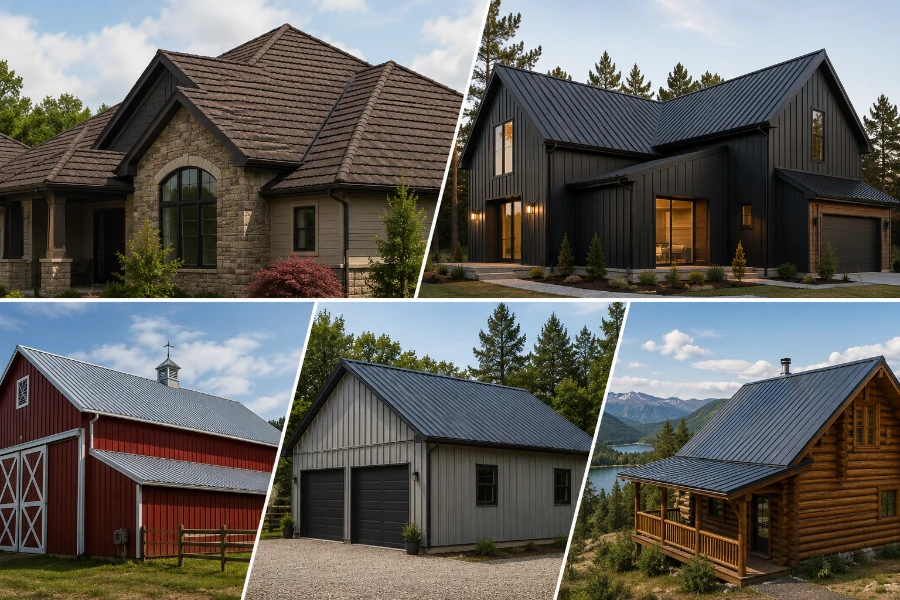
Every home has different priorities.
Understanding where each roofing system performs best helps simplify the decision.
Stone Coated Roof Is Ideal For
- Traditional residential homes
- Luxury properties
- Coastal homes
- HOA communities
- High-wind regions
- Hail-prone climates
- Homeowners focused on long-term value
Corrugated Metal Is Ideal For
- Contemporary architecture
- Barns
- Garages
- Workshops
- Cabins
- Agricultural buildings
- Budget-conscious residential projects
Matching the roofing system to the property’s design and purpose often produces the best overall outcome.
Environmental Impact
Today’s homeowners increasingly consider sustainability when selecting building materials.
Fortunately, both roofing options offer meaningful environmental advantages.
Recyclability
Steel remains one of the world’s most recycled construction materials.
At the end of their service life, both stone coated roofing panels and corrugated metal sheets can typically be recycled instead of ending up in landfills.
Long Service Life
Long-lasting roofing naturally reduces waste.
Replacing one roof every 60 years creates far less environmental impact than replacing several asphalt roofs over the same period.
Energy Performance
By reflecting more sunlight and reducing heat absorption, both roofing systems may help decrease household energy consumption throughout warmer months.
That benefits both homeowners and the environment.
Pros and Cons
Stone Coated Roof
Pros
- Beautiful residential appearance
- Excellent impact resistance
- Outstanding wind performance
- Quiet during rain
- Minimal maintenance
- Long lifespan
- Excellent resale value
Cons
- Higher upfront investment
- Installation requires specialized expertise
Corrugated Metal
Pros
- Lower installation cost
- Lightweight construction
- Fast installation
- Durable
- Excellent water drainage
Cons
- Industrial appearance may not suit every home
- Louder without proper insulation
- Exposed fasteners require periodic inspection
- Cosmetic dents may occur after severe hailstorms
Which Roofing Option Offers Better Long-Term Value?
When evaluating stone coated roof vs corrugated metal, it’s important to think beyond today’s estimate.
Instead, ask yourself:
- How long will I own this home?
- Do I value curb appeal?
- Is my region prone to hail or hurricanes?
- How much maintenance am I willing to perform?
- Will a premium roof improve resale value?
If your goal is maximizing long-term performance while maintaining an attractive exterior, stone coated roofing often delivers outstanding value.
Before making a final decision, it’s also worth reviewing the pros and cons of stone coated steel roofing. Understanding both the advantages and potential limitations provides a more complete picture before investing in a premium roofing system.
Corrugated metal, meanwhile, remains an excellent solution for workshops, agricultural buildings, garages, and homeowners who prioritize affordability while still wanting dependable weather protection.
Ultimately, both systems represent significant upgrades over conventional asphalt shingles.
Common Myths About Stone Coated Roofs and Corrugated Metal
Myth 1: They’re Basically the Same Roof
Although both use steel, their construction, appearance, installation methods, and long-term performance differ considerably.
Myth 2: Metal Roofs Are Always Loud
Not true.
Proper roof decking, insulation, and underlayment dramatically reduce interior noise. Stone coated roofing naturally provides additional sound absorption because of its textured stone surface.
Myth 3: Corrugated Metal Always Costs Less Over Time
Lower installation costs don’t always mean lower lifetime costs.
Maintenance, repairs, longevity, and resale value all contribute to the true cost of ownership.
Myth 4: Stone Coated Roofs Only Improve Appearance
Their attractive appearance certainly helps, but homeowners also benefit from superior durability, weather resistance, energy efficiency, and exceptionally long service life.
Final Verdict: Stone Coated Roof vs Corrugated Metal
Choosing between stone coated roof vs corrugated metal isn’t about finding a universally better roofing system. It’s about selecting the one that aligns with your home’s architecture, your budget, and your long-term goals.
If premium curb appeal, exceptional durability, quiet performance, and decades of reliable protection matter most, a stone coated roof stands out as an outstanding investment. Although the upfront cost is higher, many homeowners find that the reduced maintenance, longer lifespan, and enhanced property value justify the expense.
Corrugated metal roofing, however, remains a dependable and practical solution for homeowners who prioritize affordability, fast installation, and structural performance. It performs exceptionally well on agricultural buildings, workshops, garages, cabins, and modern homes where clean architectural lines are part of the overall design.
In the end, the smartest investment isn’t always the least expensive one. Consider your local climate, maintenance expectations, resale goals, and the appearance you want your home to project. By evaluating the complete picture instead of focusing solely on installation costs, you’ll choose a roofing system that protects your home, supports its value, and delivers reliable performance for decades to come.
FAQs
Stone coated roofs offer better curb appeal and durability, while corrugated metal is typically more affordable.
Stone coated roofs generally last 50–70+ years, while corrugated metal roofs last 40–60 years.
Yes. It usually costs more upfront than corrugated metal roofing.
Stone coated roofing typically provides better resistance to hail impacts and dents.
They can be, but proper insulation greatly reduces noise.
No. Routine inspections and basic cleaning are usually sufficient.
Both can improve energy efficiency with reflective coatings and proper insulation.
Yes. It’s a popular choice for modern homes, cabins, and farmhouses.
Stone coated roofing generally offers greater resale value due to its premium appearance.
Compare your budget, climate, home style, and long-term goals before deciding.