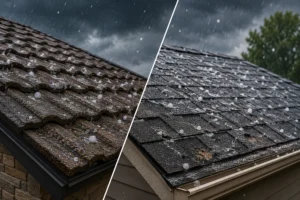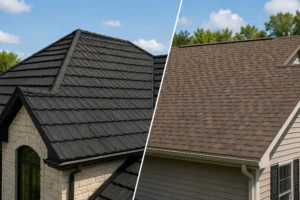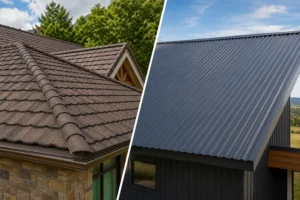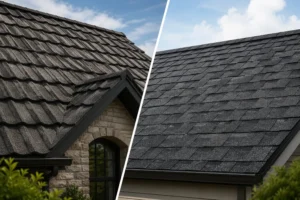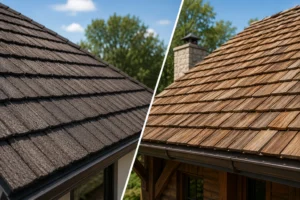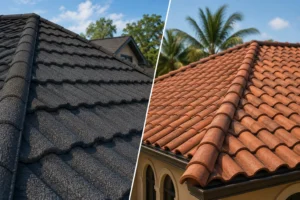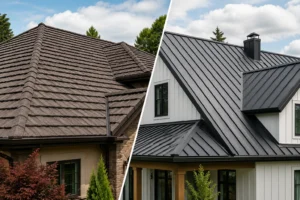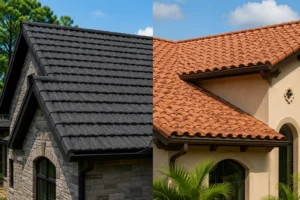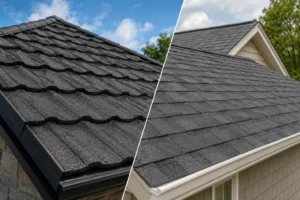
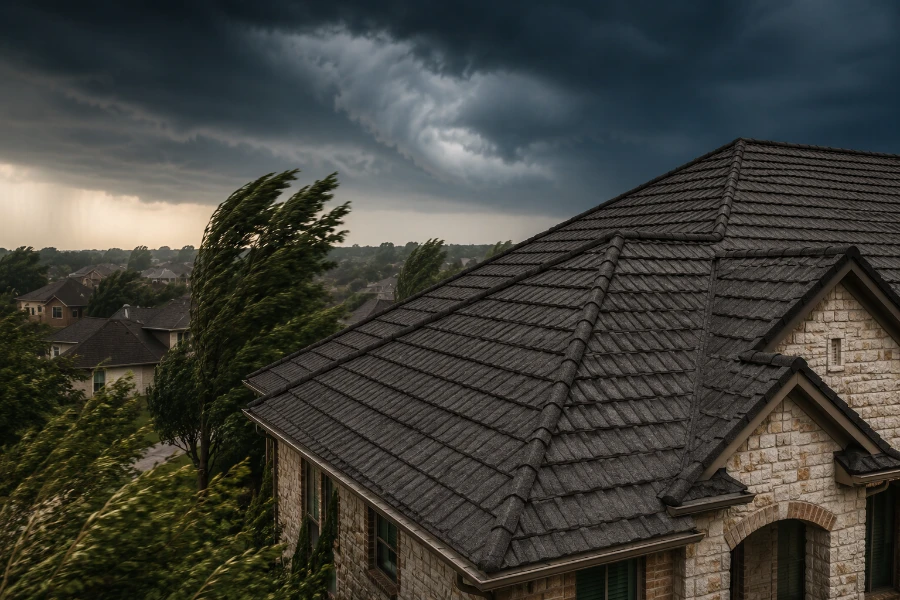
Texas weather can change in a hurry. A calm afternoon can quickly give way to powerful thunderstorms, damaging straight-line winds, or even a tornado warning. That’s why so many homeowners ask, what roof performs best during Texas windstorms? It’s one of the most important questions you can answer before investing in a new roofing system. The right roof doesn’t just improve curb appeal—it can help protect your home, reduce repair costs, and provide greater peace of mind when severe weather rolls in.
I’ve seen many homeowners focus on color, style, or price while overlooking how a roof will perform once wind speeds start climbing. That’s when roofing materials reveal their true strengths—or weaknesses. Some systems remain firmly in place, while others lose shingles, develop leaks, or require costly repairs after a single storm.
In this guide, we’ll explore how Texas windstorms affect roofs, compare today’s most common roofing materials, and explain which roofing systems offer the best long-term protection for homes across the Lone Star State.
Understanding Texas Windstorms
Texas experiences some of the most varied weather conditions in the United States. Depending on where you live, your roof could face severe thunderstorms, tornadoes, hurricanes, tropical storms, or prolonged periods of high winds.
Homeowners can also review storm preparedness guidance published by the Federal Emergency Management Agency (FEMA), which provides practical recommendations for protecting homes before severe weather strikes.
Choosing the right roofing material begins with understanding exactly what your home may encounter.
Why Texas Experiences Extreme Wind Events
Texas spans multiple climate regions, creating ideal conditions for volatile weather. Warm, humid air from the Gulf of Mexico frequently collides with cooler northern air masses, producing storms capable of generating destructive wind speeds.
Some of the most common wind-producing weather events include:
- Severe thunderstorms
- Straight-line wind events
- Tornadoes
- Tropical storms
- Hurricanes affecting the Gulf Coast
- Powerful cold fronts
- Supercell thunderstorms
Because these weather systems occur throughout much of the year, Texas roofs often experience repeated stress rather than a single isolated storm.
Wind Speeds Commonly Seen Across Texas
Not every storm reaches hurricane strength, but even moderate winds can gradually weaken roofing materials over time.
| Wind Speed | Potential Roof Impact |
| 40–55 mph | Minor shingle lifting, loose flashing |
| 55–75 mph | Missing shingles, damaged gutters, loosened ridge caps |
| 75–100 mph | Significant roof covering damage and exposed underlayment |
| Over 100 mph | Structural roof damage, flying debris impacts, widespread failures |
Many homeowners underestimate how repeated exposure to moderate winds slowly weakens roofing systems, making them more vulnerable during future storms.
How Wind Actually Damages Roofs
Wind rarely destroys an entire roof all at once. Instead, it looks for weaknesses.
As air flows across a roof, it creates lifting forces governed by the principles of aerodynamics, similar to the way airplane wings generate lift. When roofing materials aren’t securely attached, these uplift forces can gradually loosen edges and corners before peeling larger sections away.
Common forms of wind damage include:
- Lifted shingles
- Broken fasteners
- Detached flashing
- Ridge cap failures
- Water intrusion
- Flying debris damage
- Exposed roof decking
Even losing one or two shingles can expose the underlayment, allowing rainwater to enter the roofing system and create much larger problems.
That’s why understanding what roof performs best during Texas windstorms involves more than choosing the strongest-looking material. Every part of the roofing system must work together.
What Makes a Roof Perform Well During Windstorms?
A roof’s ability to survive severe weather depends on far more than the roofing material itself. Engineering, installation quality, roof design, and maintenance all contribute to overall wind performance.
Let’s examine the factors that matter most.
Wind Resistance Ratings Explained
Quality roofing systems undergo extensive testing before reaching the market. These tests evaluate how well materials resist wind uplift and whether they remain securely attached under extreme conditions.
When comparing roofing products, look for:
- Wind speed ratings
- Wind uplift testing
- Independent laboratory certifications
- Manufacturer wind warranties
- Compliance with building code requirements
Many premium roofing systems today are rated to withstand winds exceeding 120 mph, while some engineered products carry ratings approaching 170 mph when installed according to manufacturer specifications.
Always verify that the published rating applies to the complete roofing assembly rather than individual components.
Installation Quality Matters as Much as Materials
Here’s something many homeowners don’t realize.
The best roofing material in the world can still fail if it’s installed incorrectly.
Proper installation affects nearly every aspect of wind resistance, including:
- Fastener placement
- Nail depth
- Roof deck preparation
- Underlayment installation
- Flashing installation
- Ridge cap attachment
- Edge detailing
Experienced contractors follow manufacturer installation requirements carefully because even small mistakes can significantly reduce a roof’s ability to withstand high winds.
That’s one reason neighboring homes with similar roofs often experience completely different outcomes after the same storm.
Roof Shape Can Influence Wind Performance
Roof geometry also plays an important role.
Hip roofs generally perform better during high-wind events because every side slopes downward, allowing wind to flow more evenly across the structure.
Gable roofs remain popular throughout Texas, but their vertical end walls often experience greater wind pressure during severe storms.
Roof pitch also affects performance. Extremely steep or unusually shallow roofs may react differently depending on wind direction, storm intensity, and surrounding terrain.
Although homeowners cannot always change a roof’s design, understanding these factors helps when planning a replacement or new construction project.
Comparing Popular Roofing Materials for Texas Windstorms
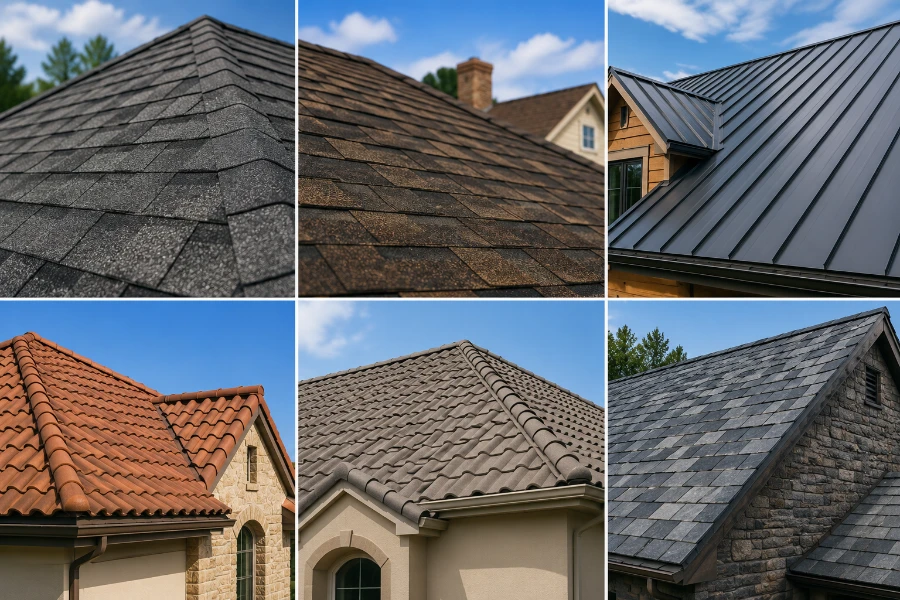
Every roofing material has strengths and weaknesses. Some prioritize affordability, while others focus on longevity, aesthetics, or severe weather performance.
If you’re deciding what roof performs best during Texas windstorms, comparing these materials side by side provides a useful starting point.
| Roofing Material | Typical Wind Rating | Average Lifespan | Windstorm Performance | Maintenance |
| Three-Tab Asphalt Shingles | 60–70 mph | 15–20 years | Fair | Moderate |
| Architectural Shingles | 110–130 mph | 25–30 years | Good | Moderate |
| Standing Seam Metal | 140–160+ mph | 40–70 years | Excellent | Low |
| Stone-Coated Steel | Up to 120–170 mph (varies by system) | 40–70 years | Excellent | Low |
| Clay Tile | High when properly secured | 50+ years | Good | Moderate |
| Concrete Tile | High when properly secured | 50+ years | Good | Moderate |
| Slate | High | 75–100+ years | Excellent | Low |
Keep in mind that installation quality remains just as important as the roofing material itself.
Asphalt Shingles
Traditional asphalt shingles remain the most widely installed residential roofing material in Texas.
Their popularity comes from several advantages:
- Lower upfront cost
- Wide product availability
- Numerous color choices
- Straightforward installation
- Relatively simple repairs
However, they also have limitations during severe windstorms.
Individual shingles depend on adhesive seal strips and properly placed nails to remain secure. Over time, years of intense Texas sunlight, temperature swings, and repeated storms weaken those adhesive bonds.
Once shingles begin lifting, wind can quickly remove additional sections of the roof.
This chain reaction often explains why relatively modest storms leave scattered patches of missing shingles across older homes.
Homeowners comparing premium alternatives may also find our guide on stone coated vs asphalt shingle helpful for understanding the long-term differences in durability, wind resistance, and maintenance.
Architectural Shingles
Architectural shingles improve upon traditional three-tab shingles by using multiple layers that increase thickness and structural strength.
Benefits include:
- Better wind resistance
- Longer service life
- Improved appearance
- Increased durability
- Enhanced dimensional design
Many premium architectural shingles carry wind ratings exceeding 110 mph when installed correctly.
Even so, they remain individual shingle systems. If wind breaks the adhesive seal or loosens fasteners, localized damage can still spread across portions of the roof.
For homeowners seeking better protection without moving into premium roofing categories, architectural shingles offer a noticeable improvement over standard asphalt products.
Metal Roofing
Metal roofing has earned an excellent reputation for surviving severe weather.
Standing seam metal systems feature concealed fasteners and continuous panels that minimize opportunities for wind to penetrate beneath the roofing surface.
Advantages include:
- Outstanding wind resistance
- Long lifespan
- Fire resistance
- Low maintenance
- Excellent energy efficiency
- Lightweight construction
Metal roofing also sheds rain quickly, reducing opportunities for standing water to contribute to leaks.
However, overall performance still depends heavily on panel engineering, fastening methods, and installation quality. Even premium metal roofing can underperform if installed improperly.
Some homeowners also prefer roofing systems that maintain the traditional appearance of shingles while offering comparable durability.
If you’re comparing premium metal roofing systems, our article on stone coated vs standing seam metal explains how the two options differ in appearance, weather performance, longevity, and overall value.
Stone-Coated Steel Roofing
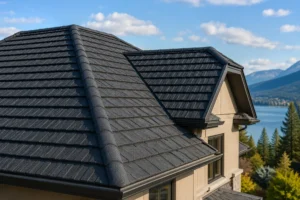
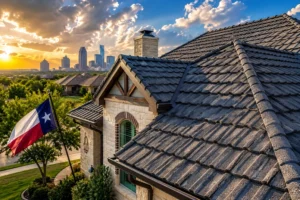
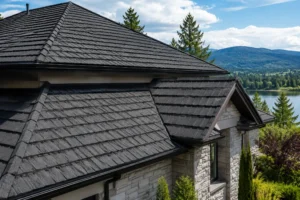
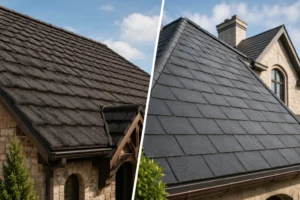
For many homeowners researching what roof performs best during Texas windstorms, stone-coated steel roofing consistently ranks among the strongest options available.
Unlike conventional metal panels, stone-coated steel combines a corrosion-resistant steel core with a durable stone-granule finish that replicates the appearance of traditional shingles, wood shake, or tile. The result is a roofing system that delivers both architectural appeal and engineered strength.
Several characteristics make stone-coated steel especially well suited for severe Texas weather:
- Interlocking panel construction that helps resist wind uplift
- Lightweight design that reduces structural stress
- Excellent resistance to cracking, warping, and splitting
- Outstanding durability through repeated storm seasons
- Long service life with minimal maintenance
- Attractive profiles that complement many home styles
Because the panels interlock securely, wind has fewer opportunities to lift individual sections compared to many traditional roofing materials. That design can significantly improve roof stability during severe storms.
For homeowners planning to invest in a roof that offers long-term performance rather than simply meeting minimum standards, stone-coated steel has become one of the leading choices across Texas.
Clay Tile Roofing
Clay tile roofs have protected homes for centuries and remain a popular option for homeowners who appreciate their distinctive appearance and long lifespan. They also perform well in hot climates because the material naturally resists heat.
When properly installed, clay tiles can withstand impressive wind speeds. However, wind isn’t their only challenge.
Flying debris generated during Texas storms can crack individual tiles. Even if the roof structure remains intact, replacing broken tiles may become necessary after severe weather.
Pros include:
- Long lifespan
- Excellent heat resistance
- Strong wind performance when installed correctly
- Attractive architectural appearance
Potential drawbacks include:
- Brittle under heavy impacts
- Higher installation costs
- Greater structural weight
- More specialized repairs
For homeowners in hail-prone areas, impact resistance deserves just as much consideration as wind resistance.
Concrete Tile Roofing
Concrete tile offers many of the same advantages as clay while providing slightly different design options.
Its substantial weight helps resist wind uplift, making it a solid performer during severe storms. However, that same weight requires a home capable of supporting the additional structural load.
Benefits include:
- Excellent durability
- Strong wind resistance
- Long service life
- Wide range of styles
Challenges include:
- Heavy weight
- Higher installation costs
- Potential cracking from large debris
- Repairs that may require matching older tiles
Concrete tile remains an excellent roofing option, but homeowners should ensure their home’s framing is suitable before installation.
Slate Roofing
Natural slate is often considered one of the most durable roofing materials available.
A properly installed slate roof can last well over a century while resisting fire, moisture, insects, and severe weather. Its density also helps it perform exceptionally well against high winds.
Still, slate isn’t the right fit for every home.
Its cost, weight, and installation complexity make it one of the most expensive roofing systems on the market.
Advantages include:
- Exceptional longevity
- Outstanding durability
- Excellent wind performance
- Timeless appearance
Limitations include:
- High upfront investment
- Heavy structural load
- Specialized installation requirements
- Costly repairs if damaged
While slate performs remarkably well, many Texas homeowners seek roofing systems that offer comparable durability with less weight and lower installation costs.
Why Stone-Coated Steel Roofs Excel During Texas Windstorms
When comparing roofing systems, few materials offer the combination of strength, longevity, appearance, and storm resistance found in stone-coated steel roofing.
That’s one reason it continues gaining popularity throughout Texas.
Interlocking Panels Resist Wind Uplift
Traditional shingles function as thousands of individual pieces attached to the roof.
Stone-coated steel works differently.
Its panels interlock with one another, creating a more unified roofing system that helps resist uplift forces during high-wind events.
Instead of relying solely on adhesive strips, the interlocking design provides additional mechanical stability that can improve performance during severe storms.
Lightweight Yet Extremely Strong
One of the greatest advantages of steel is its impressive strength-to-weight ratio.
Unlike concrete or clay tile, stone-coated steel adds relatively little weight to the home’s structure while still delivering outstanding durability.
This combination allows homeowners to enjoy premium protection without placing unnecessary stress on the roof framing.
Better Resistance to Flying Debris
Texas storms rarely involve wind alone.
Tree branches, hail, outdoor furniture, and other airborne debris frequently accompany severe weather.
Stone-coated steel roofing is designed to withstand repeated exposure to harsh conditions, helping reduce the likelihood of damage from everyday storm debris compared to more brittle roofing materials.
Built for Repeated Storm Seasons
Texas homeowners don’t experience just one storm.
Roofs often endure years of thunderstorms, hailstorms, strong winds, and intense summer heat.
Stone-coated steel is engineered for long-term performance, making it well suited for regions where roofs face repeated weather-related stress.
Lower Long-Term Maintenance
Every roofing system requires occasional inspections and maintenance.
However, durable materials often require fewer repairs over their lifespan.
Because stone-coated steel resists cracking, splitting, and many common forms of weather-related deterioration, homeowners frequently experience fewer maintenance issues than with many conventional roofing materials.
Wind Ratings Homeowners Should Look For
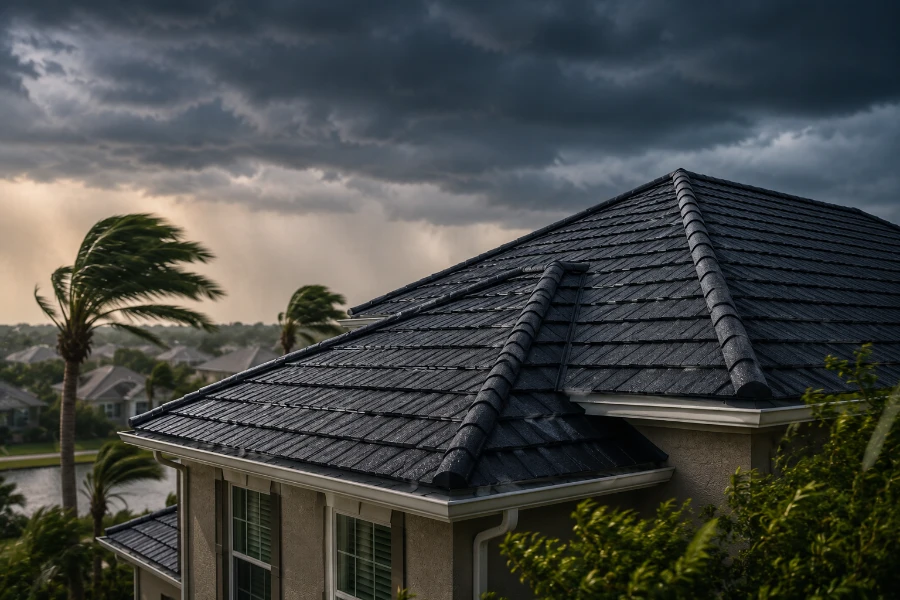
Not every roofing product is engineered to withstand the same wind conditions.
Before selecting a roof, ask your contractor about documented wind ratings rather than relying on marketing claims alone.
Look for roofing systems offering:
- Wind ratings of at least 120 mph
- Higher ratings for hurricane-prone regions
- Independent laboratory testing
- Manufacturer-backed wind warranties
- Complete system certifications
Also remember that a published rating generally assumes proper installation.
Even premium roofing products cannot achieve their full performance potential without following manufacturer specifications.
Quick Homeowner Checklist
Before signing a roofing contract, verify:
1. Published wind rating
2. Warranty coverage
3. Independent testing
4. Certified installation methods
5. High-quality underlayment
6. Proper flashing system
7. Experienced contractor
These questions help separate premium roofing systems from products that simply advertise impressive performance.
Roof Features That Improve Windstorm Performance
The roofing material itself tells only part of the story.
Several supporting components significantly improve overall wind resistance.
High-Quality Underlayment
Modern synthetic underlayments provide an additional layer of protection if the outer roofing material becomes damaged.
This secondary barrier helps reduce water intrusion following severe storms.
Proper Roof Deck Attachment
The roof covering depends on a secure foundation.
Properly fastened roof decking helps distribute wind loads more effectively across the entire roofing structure.
Reinforced Flashing
Flashing protects vulnerable areas around:
- Chimneys
- Skylights
- Roof valleys
- Plumbing vents
- Wall intersections
Poor flashing installation remains one of the most common sources of post-storm leaks.
Secure Ridge Caps
Because ridge caps sit at the highest point of the roof, they’re often exposed to some of the strongest wind pressures.
Proper fastening helps prevent premature failure.
Starter Strips
Starter strips provide additional support along roof edges where uplift forces are often strongest.
They’re small components that play a surprisingly important role.
Proper Ventilation
Adequate attic ventilation helps regulate moisture and temperature while contributing to the overall health of the roofing system.
Although ventilation doesn’t directly increase wind resistance, it supports long-term roof performance.
Common Reasons Roofs Fail During Texas Windstorms
Storm damage isn’t always caused by extreme weather alone.
Often, failures begin years before the storm arrives.
Some of the most common causes include:
- Aging roofing materials
- Improper installation
- Missing fasteners
- Poor repairs
- Loose flashing
- Inferior products
- Deferred maintenance
- Existing water damage
Regular inspections can identify many of these issues before severe weather exposes them.
Choosing the Right Roof for Different Parts of Texas
Texas is enormous.
Weather conditions vary significantly from one region to another, making local climate an important consideration when selecting roofing materials.
North Texas
Homeowners frequently encounter:
- Hailstorms
- Tornadoes
- Straight-line winds
- Rapid weather changes
Impact resistance and wind performance should both be priorities.
Central Texas
This region experiences:
- Severe thunderstorms
- High temperatures
- Strong seasonal winds
Roofs need to balance durability with energy efficiency.
West Texas
Persistent winds characterize much of West Texas.
Lightweight roofing systems with strong wind ratings often perform exceptionally well here.
East Texas
Heavy rainfall combines with seasonal storms, making moisture protection particularly important.
Proper flashing and underlayment become critical.
Gulf Coast Texas
Hurricanes, tropical storms, salt exposure, and prolonged high winds create one of the state’s harshest roofing environments.
Premium wind-rated roofing systems can provide additional confidence for coastal homeowners.
Questions to Ask Before Replacing Your Roof
A roof replacement represents a significant investment.
Don’t hesitate to ask detailed questions before choosing a contractor or roofing system.
Consider asking:
- What wind rating does this roofing system carry?
- Has it been independently tested?
- What warranty covers wind damage?
- How is the system installed?
- Does your crew follow manufacturer specifications?
- Could this roof qualify for insurance discounts?
- What maintenance will it require over the years?
Clear answers help homeowners make informed decisions rather than relying solely on marketing materials.
How Regular Maintenance Improves Wind Performance
Even the best roofing system benefits from routine care.
Annual inspections allow homeowners to identify small problems before they become expensive repairs.
A good maintenance plan includes:
- Removing debris
- Inspecting flashing
- Checking ridge caps
- Looking for loose fasteners
- Examining sealants
- Cleaning gutters
- Scheduling professional inspections after major storms
Preventive maintenance often costs far less than emergency repairs following severe weather.
Is a Stone-Coated Steel Roof Worth It for Texas Homes?
For many homeowners, the answer comes down to value rather than initial cost.
Stone-coated steel roofing generally requires a larger upfront investment than traditional asphalt shingles. However, the long-term benefits often outweigh the higher purchase price.
Potential advantages include:
- Exceptional wind resistance
- Long service life
- Lower maintenance requirements
- Excellent curb appeal
- Improved durability
- Resistance to harsh Texas weather
- Potential insurance savings depending on the roofing system and insurer
When evaluating lifetime ownership costs instead of installation price alone, many homeowners find premium roofing systems deliver greater value over several decades.
If you’re still asking what roof performs best during Texas windstorms, stone-coated steel consistently ranks among the strongest choices because it combines engineered performance, attractive appearance, and long-lasting durability in a single roofing system.
Conclusion
Texas weather doesn’t give homeowners many second chances. High winds, severe thunderstorms, hail, and even hurricanes can test a roof long before it reaches the end of its expected lifespan.
So, what roof performs best during Texas windstorms? While several roofing materials offer impressive wind resistance, the best results come from combining a high-quality roofing product with expert installation and regular maintenance. A roof is only as strong as the system supporting it.
For homeowners looking for a balance of durability, longevity, curb appeal, and proven performance in demanding weather, stone-coated steel roofing stands out as one of the most dependable options available. Its interlocking design, lightweight strength, and resistance to wind uplift make it well suited for the challenges of Texas storms.
Before making your final decision, compare wind ratings, review manufacturer warranties, and choose an experienced roofing contractor who follows installation best practices. Investing in the right roof today can help protect your home for decades—no matter what the Texas forecast has in store.
FAQs
Stone-coated steel roofing is widely considered one of the best options because of its interlocking panels, high wind ratings, and long-lasting durability.
Many premium roofing systems are rated for winds between 120 and 170 mph when installed according to the manufacturer’s specifications.
Architectural asphalt shingles offer better wind resistance than standard three-tab shingles, but they may still be more vulnerable than premium roofing systems during extreme storms.
Both perform well in high winds, but stone-coated steel offers the appearance of traditional roofing materials while providing excellent wind resistance through its interlocking panel design.
Yes. Even the highest-rated roofing material can fail if it’s not installed correctly using the manufacturer’s recommended methods.
Some impact-resistant or wind-rated roofing systems may qualify for insurance discounts, depending on your insurer and policy.
Roof edges, ridge caps, flashing, and loose or aging shingles are often the first areas to experience wind damage.
Most roofing professionals recommend a yearly inspection and an additional inspection after major storms to identify damage early.
Yes. Hip roofs generally perform better than gable roofs because their sloped design helps reduce wind uplift forces.
A professionally installed stone-coated steel roof can often last 40 to 70 years with proper maintenance, making it one of the longest-lasting residential roofing options.