When homeowners start researching premium roofing systems, one question almost always comes up first: how long do stone coated roofs last?
It’s a fair question. After all, a roof is one of the largest investments you’ll make in your home. You want something that not only looks great today but also continues protecting your property decades from now.
The good news is that stone coated roofing has built a reputation for exceptional longevity. Unlike traditional asphalt shingles that may require replacement every couple of decades, a properly installed stone coated roof can often protect a home for 40 to 70 years or more.
However, lifespan isn’t determined by materials alone.
Installation quality, climate conditions, maintenance habits, and product selection all play important roles in how long a roofing system performs.
Let’s take a closer look at what makes stone coated roofs so durable and what homeowners can realistically expect from their investment.
What Is a Stone Coated Roof?
Before discussing lifespan, it’s important to understand what makes this roofing system unique.
A stone coated roof combines the strength of steel with the appearance of traditional roofing materials. Rather than exposing bare metal, manufacturers apply protective coatings and stone granules to the surface.
The result is a roof that can resemble:
- Clay tile
- Wood shake
- Architectural shingles
- Slate roofing
At its core, the system typically consists of:
- Steel substrate
- Protective metallic coating
- Acrylic bonding layer
- Natural stone granules
- Clear protective finish
Each layer serves a specific purpose. Together, they create a roofing system designed to withstand decades of weather exposure.
The steel used in many roofing systems relies on corrosion-resistant processes similar to those discussed in this Wikipedia article on galvanization. These protective treatments help extend the service life of metal roofing products in demanding environments.
Common Stone Coated Roofing Styles
One of the biggest advantages is design flexibility.
Homeowners can choose styles that complement virtually any architectural design.
| Style | Appearance |
|---|---|
| Tile Profile | Mimics traditional clay tile |
| Shake Profile | Resembles hand-split cedar shakes |
| Shingle Profile | Similar to dimensional asphalt shingles |
| Slate Profile | Emulates natural slate roofing |
This versatility allows homeowners to enjoy premium aesthetics without sacrificing durability.
How Long Do Stone Coated Roofs Typically Last?
The short answer is simple.
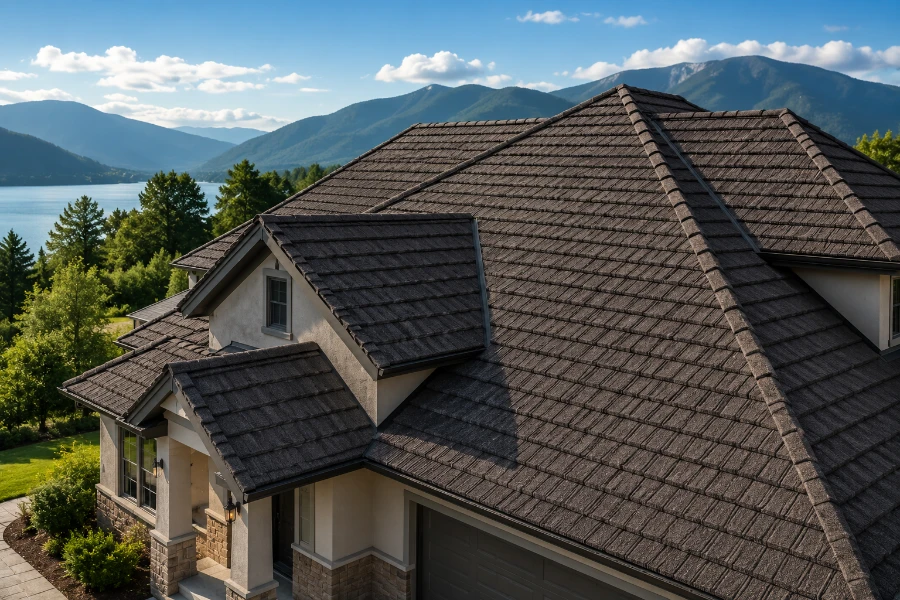
Most stone coated roofing systems have an expected lifespan of 40 to 70 years.
In some cases, roofs exceed that range when properly installed and maintained.
This longevity explains why many homeowners view stone coated roofing as a long-term investment rather than a short-term roofing solution.
Typical Lifespan Expectations
Here’s how stone coated roofing compares with other popular roofing materials.
| Roofing Material | Average Lifespan |
| Asphalt Shingles | 15–30 Years |
| Wood Shake | 20–40 Years |
| Concrete Tile | 40–75 Years |
| Clay Tile | 50–100 Years |
| Standing Seam Metal | 40–70 Years |
| Stone Coated Roofing | 40–70+ Years |
As you can see, stone coated roofing competes with some of the longest-lasting roofing systems available today.
That’s impressive considering it often provides greater versatility and lower maintenance requirements than other premium options.
Homeowners looking for a deeper breakdown of longevity factors can also review our guide on stone coated steel roof lifespan.
Real-World Performance Matter
Manufacturer estimates are useful.
However, actual field performance tells the real story.
Stone coated roofs have been installed throughout regions that experience:
- Severe hailstorms
- Coastal salt exposure
- Heavy snowfall
- High humidity
- Intense UV radiation
- Hurricane-force winds
Because steel remains structurally stable under a wide range of environmental conditions, these roofs often perform exceptionally well where other materials deteriorate more quickly.
This real-world durability helps explain why homeowners frequently ask, how long do stone coated roofs last, and why the answer is often measured in generations rather than decades.
Factors That Affect Stone Coated Roof Lifespan
Not every roof reaches its maximum life expectancy.
Several factors influence long-term performance.
Quality of Installation
A premium roofing product cannot overcome poor installation.
I’ve seen situations where roofing systems with excellent materials experienced premature issues simply because installation shortcuts were taken.
Common installation problems include:
- Improper fastening
- Incorrect flashing installation
- Poor ridge detailing
- Inadequate underlayment placement
- Improper ventilation design
Even minor mistakes can create vulnerabilities that shorten roof life.
For this reason, choosing an experienced stone coated roofing contractor is one of the most important decisions homeowners make.
Climate and Weather Conditions
Every roof faces environmental stress.
Some climates are more demanding than others.
Factors that affect longevity include:
High WindsStone coated roofing systems often achieve impressive wind ratings.
Many products withstand winds exceeding 120 mph when properly installed.
As a result, they perform exceptionally well in hurricane-prone and tornado-prone regions.
Hail ExposureHail remains one of the leading causes of roof damage nationwide.
Fortunately, steel-based roofing systems generally offer excellent impact resistance.
While severe hail can damage virtually any roof, stone coated roofing frequently outperforms traditional asphalt shingles during storm events.
Intense Sun ExposureUV radiation gradually degrades many roofing materials.
However, stone granules help shield the underlying structure from direct sunlight, reducing deterioration over time.
Proper Ventilation
Ventilation is often overlooked.
Yet it plays a critical role in roof longevity.
Poor attic ventilation can contribute to:
- Excessive heat buildup
- Moisture accumulation
- Mold growth
- Premature material degradation
A properly ventilated attic helps maintain stable temperatures and reduces stress on roofing components.
When evaluating how long does a stone coated steel roof last, ventilation should never be ignored.
Ongoing Maintenance
Even durable roofs benefit from periodic care.
Fortunately, maintenance requirements are relatively minimal.
Simple maintenance practices include:
- Annual inspections
- Gutter cleaning
- Debris removal
- Flashing inspections
- Prompt storm damage assessments
Small issues rarely stay small forever.
Addressing concerns early can significantly extend service life.
For homeowners who want to maximize their investment, following a regular stone coated roof maintenance plan can help preserve both appearance and performance:
https://stonecoatedroofs.com/blog/stone-coated-roof-maintenance/
Why Stone Coated Roofs Last Longer Than Asphalt Shingles
Many homeowners compare stone coated roofing directly to asphalt shingles.
The differences are substantial.
Steel Provides Structural Strength
Traditional shingles rely heavily on fiberglass mats and asphalt compounds.
Stone coated roofing relies on steel.
That distinction matters.
Steel resists:
- Cracking
- Splitting
- Curling
- Warping
As a result, the roofing system maintains structural integrity for much longer periods.
Superior Weather Resistance
Weather destroys roofs one season at a time.
Stone coated roofing is specifically designed to resist those challenges.
Key advantages include:
- Impact resistance
- Fire resistance
- Wind resistance
- Freeze-thaw durability
- Moisture resistance
These benefits contribute significantly to overall stone coated roof lifespan.
Reduced UV Deterioration
Sunlight slowly breaks down many roofing materials.
The stone granule coating acts as a protective shield. Additionally, limiting long-term ultraviolet exposure is important for many building materials, a topic discussed by the U.S. Environmental Protection Agency.
Rather than absorbing direct UV exposure, the granules help disperse solar radiation, preserving the roof’s underlying structure.
Over decades, this protection adds up.
That’s one reason stone coated roofing longevity consistently exceeds many conventional roofing materials.
Signs Your Stone Coated Roof Is Aging
Even the best roofs eventually show signs of wear.
The key is identifying issues before they become expensive problems.
What Homeowners Should Watch For
Look for:
- Damaged flashing
- Loose roof panels
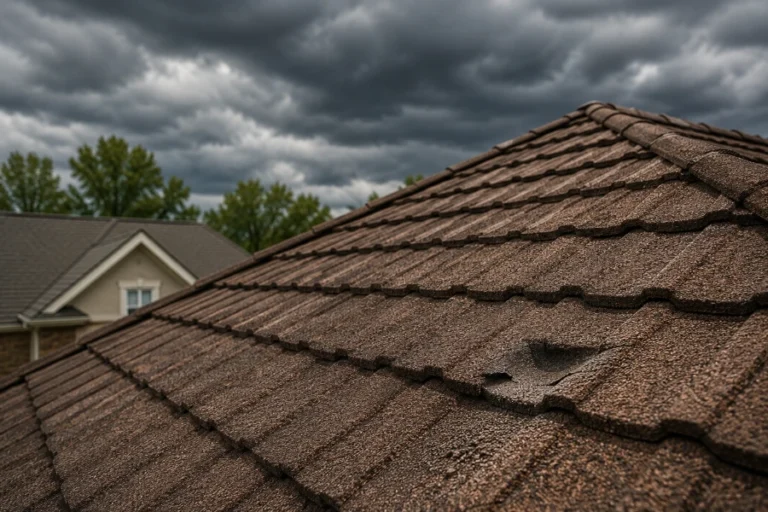
- Granule loss in isolated areas
- Rust around penetrations
- Storm-related impact damage
- Water stains inside the attic
Most stone coated roofs age gradually rather than suddenly.
Regular inspections help catch concerns early.
When to Schedule a Professional Inspection
Many roofing professionals recommend inspections:
- Once per year
- After major storms
- Before buying or selling a home
- After severe hail events
Professional evaluations provide peace of mind and often uncover issues that homeowners might miss.
Can a Stone Coated Roof Last More Than 70 Years?
In some cases, yes.
While manufacturers commonly advertise lifespans between 40 and 70 years, many factors influence actual performance.
Conditions That Support Maximum Longevity
A stone coated roof may exceed expectations when it has:
- High-quality installation
- Proper ventilation
- Routine maintenance
- Minimal storm damage
- Good drainage
- Premium roofing materials
When these factors work together, exceptional service life becomes much more realistic.
Long-Term Performance Records
Metal roofing systems have a long history of durability.
Because stone coated roofing utilizes steel as its structural foundation, many of the same longevity advantages apply.
While every home is different, it’s not uncommon for homeowners to enjoy decades of reliable protection without facing a full roof replacement.
That’s one reason the question how long do stone coated roofs last often receives such impressive answers.
How Manufacturer Warranties Reflect Lifespan Expectations
Manufacturers generally don’t offer long warranties unless they have confidence in their products.
Stone coated roofing is no exception.
Typical Warranty Coverage
Depending on the manufacturer, warranties may include:
- Limited lifetime coverage
- Transferable warranties
- Wind warranties
- Hail resistance coverage
- Material defect protection
Warranty terms vary significantly.
Therefore, homeowners should always review the details carefully.
What to Review Before Purchasing
Pay close attention to:
- Installation requirements
- Maintenance obligations
- Coverage limitations
- Transferability rules
- Excluded causes of damage
A warranty is valuable, but understanding the fine print is equally important.
Is a Stone Coated Roof Worth the Investment?
Many homeowners initially focus on upfront costs.
That’s understandable.
However, roofing decisions should be evaluated over decades rather than years.
Looking Beyond Initial Installation Costs
Stone coated roofing generally costs more than standard asphalt shingles.
Yet replacement frequency tells a different story.
Consider this comparison:
| Roofing Type | Approximate Replacements Over 60 Years |
|---|---|
| Asphalt Shingles | 2–4 Replacements |
| Stone Coated Roofing | 0–1 Replacement |
When viewed through a long-term lens, the economics often become much more attractive.
Additional Value Factors
Homeowners may also benefit from:
- Increased curb appeal
- Improved resale value
- Reduced maintenance costs
- Better weather resistance
- Potential insurance advantages
These benefits contribute to the overall value proposition.
Maintenance Tips to Maximize Stone Coated Roof Lifespan
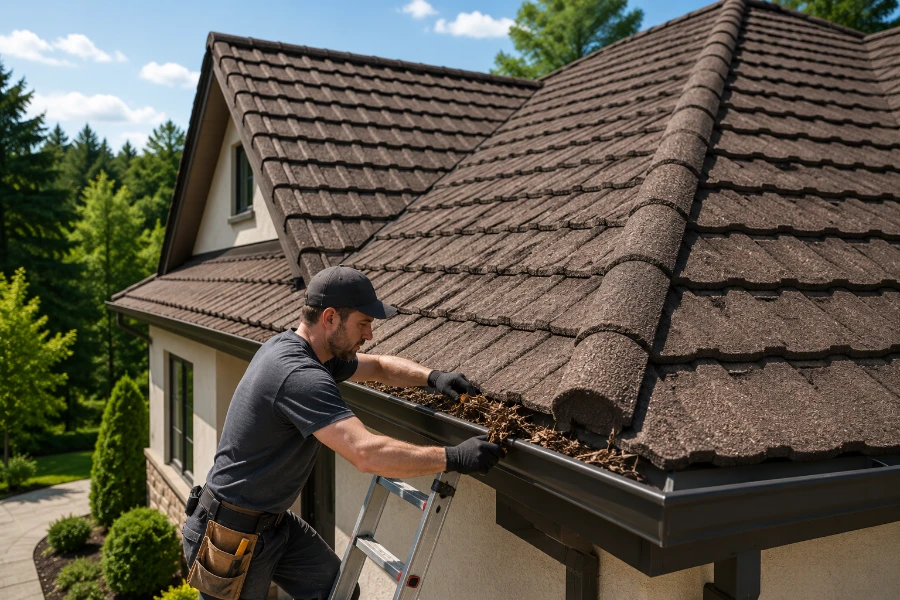
Want your roof to last as long as possible?
Focus on prevention.
Annual Maintenance Checklist
Each year:
- Inspect roof surfaces
- Remove debris from valleys
- Clean gutters
- Check flashing integrity
- Trim overhanging branches
- Look for storm-related damage
These simple steps can significantly improve long-term performance.
After Severe Weather Events
Always inspect after:
- Hailstorms
- Hurricanes
- Windstorms
- Heavy snow accumulation
Early detection often prevents larger repairs later.
Common Myths About Stone Coated Roof Longevity
Misconceptions still exist.
Let’s clear up a few of the most common ones.
Myth: Metal Roofs Rust Quickly
Modern stone coated roofing systems include multiple protective layers designed to resist corrosion.
Rust is far less common than many people assume.
Myth: Stone Granules Fall Off Easily
Some granule shedding immediately after installation can occur.
However, quality products are engineered to retain granules for decades.
Myth: Long Lifespans Are Just Marketing Claims
Real-world performance consistently supports the reputation of stone coated roofing.
While individual results vary, many systems deliver decades of reliable service.
Final Thoughts
So, how long do stone coated roofs last?
For most homeowners, the answer is between 40 and 70 years, with some roofs lasting even longer under ideal conditions.
That’s an impressive lifespan in any roofing category.
More importantly, longevity isn’t achieved through luck.
Proper installation, quality materials, routine maintenance, and good ventilation all play important roles.
If you’re searching for a roofing system that combines durability, curb appeal, weather resistance, and long-term value, stone coated roofing remains one of the strongest options available today.
When maintained properly, it may very well be the last roof your home ever needs.
FAQs
How long do stone coated roofs last on average?Most stone coated roofs last between 40 and 70 years when installed correctly and maintained properly.
Can a stone coated roof last longer than 70 years?Yes. Some stone coated roofing systems can exceed 70 years under favorable conditions with regular maintenance and minimal storm damage.
Are stone coated roofs better than asphalt shingles?Stone coated roofs typically offer greater durability, longer lifespans, and better resistance to wind, hail, and fire than asphalt shingles.
Do stone coated roofs require a lot of maintenance?No. They generally require only periodic inspections, gutter cleaning, and prompt attention to any storm-related damage.
How often should a stone coated roof be inspected?Most roofing professionals recommend a thorough inspection at least once a year and after major weather events.
Can hail damage shorten the lifespan of a stone coated roof?Severe hail can cause damage, but stone coated roofs are generally more impact-resistant than many traditional roofing materials.
Are stone coated roofs resistant to rust?Yes. Modern stone coated roofing systems include protective coatings that help prevent corrosion and rust over time.
Do stone coated roofs improve home value?Many homeowners find that a durable, long-lasting roof can enhance curb appeal and increase overall property value.
What kind of warranty comes with a stone coated roof?Many manufacturers offer limited lifetime warranties, although coverage details vary by product and installer.
Is a stone coated roof worth the higher upfront cost?For many homeowners, the long lifespan, reduced maintenance needs, and durability make stone coated roofing a worthwhile long-term investment.