If you’re researching stone coated roofing cost Texas, you’re probably trying to balance two important goals. First, you want a roof that can handle Texas weather. Second, you want to know whether the investment actually makes financial sense.
That’s understandable.
Roof replacement is one of the largest home improvement expenses most homeowners will ever face. While asphalt shingles remain the most common roofing material across Texas, many property owners are increasingly turning toward stone coated steel roofing because of its durability, appearance, and long-term value.
However, the upfront cost often surprises people.
The good news is that understanding what drives pricing can help you make a more informed decision and avoid costly mistakes. In this guide, we’ll break down average costs, pricing factors, weather considerations, and whether a stone coated roof is worth the investment for Texas homeowners.
What Is Stone Coated Roofing?
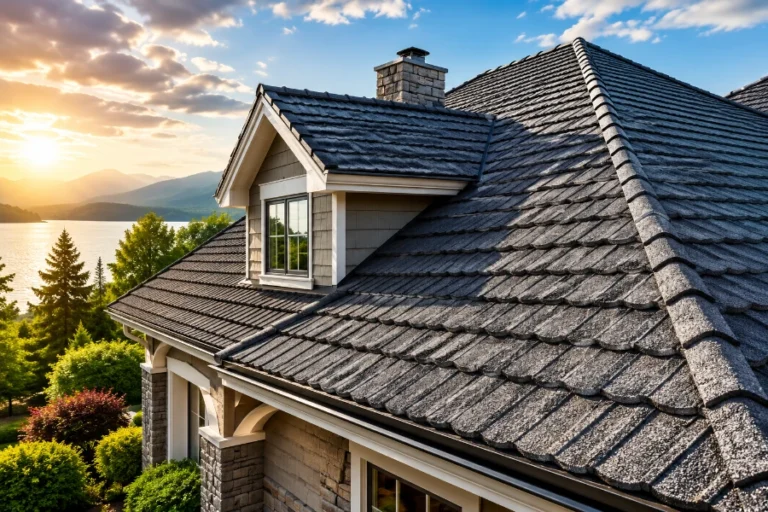
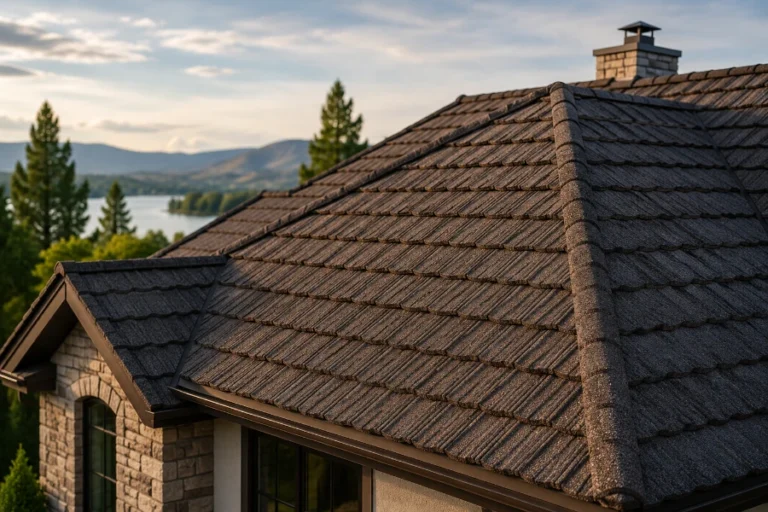
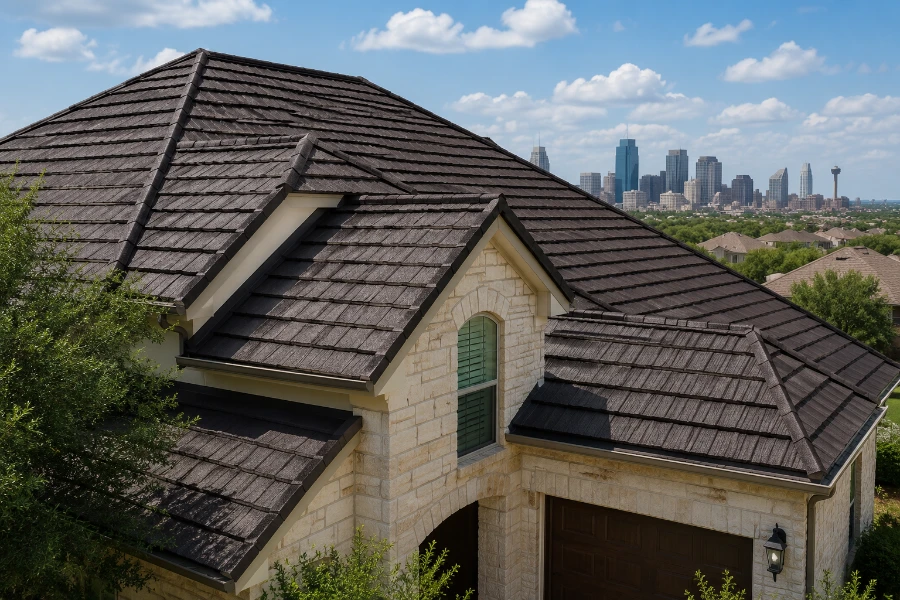
Stone coated roofing is a premium roofing system that combines the strength of steel with the visual appeal of traditional roofing materials.
Each panel consists of a steel core protected by multiple coatings and finished with stone granules. The result is a roof that can mimic:
- Asphalt shingles
- Wood shake
- Slate roofing
- Clay tile
Unlike conventional roofing products, stone coated steel provides both structural strength and aesthetic flexibility.
Many roofing systems use protective steel coatings through a process known as galvanization, which helps improve corrosion resistance and contributes to long-term durability.
For homeowners interested in learning more about the construction and performance of these systems, our guide on stone coated steel roofing provides additional detail.
Why Texas Homeowners Are Choosing Stone Coated Roofing
Texas weather can be unforgiving.
One season may bring scorching heat. The next may bring severe hailstorms, high winds, or torrential rain.
As a result, many homeowners want roofing systems capable of withstanding multiple weather threats without sacrificing appearance.
Stone coated roofing offers:
- Excellent impact resistance
- Strong wind performance
- Fire resistance
- Low maintenance requirements
- Long service life
- Attractive architectural styles
Those advantages explain why demand continues to grow throughout Texas.
Average Stone Coated Roofing Cost in Texas
Let’s talk numbers.
Most homeowners searching for stone coated roofing cost Texas are typically looking at installed costs ranging between $10 and $18 per square foot.
However, actual pricing can vary significantly depending on the project.
Typical Cost Breakdown
| Component | Average Cost Per Sq. Ft. |
|---|---|
| Roofing Materials | $4 – $8 |
| Underlayment | $1 – $2 |
| Labor | $4 – $7 |
| Flashing & Accessories | $1 – $2 |
| Total Installed Cost | $10 – $18+ |
While these figures provide a useful starting point, every roof presents unique variables that affect final pricing.
Average Cost by Roof Size
| Roof Size | Estimated Project Cost |
| 1,500 Sq. Ft. | $15,000 – $27,000 |
| 2,000 Sq. Ft. | $20,000 – $36,000 |
| 2,500 Sq. Ft. | $25,000 – $45,000 |
| 3,000 Sq. Ft. | $30,000 – $54,000 |
Keep in mind that roofing contractors measure roof surface area rather than interior living space. A 2,000-square-foot home may have substantially more than 2,000 square feet of roof surface depending on design.
Budget vs Premium Installations
Not every stone coated roof falls into the same price category.
Lower-cost installations generally involve:
- Simple roof designs
- Basic profiles
- Easier access
- Minimal structural repairs
Premium installations often include:
- Architectural roof designs
- Complex layouts
- Designer profiles
- Enhanced underlayment systems
- Specialty flashing packages
Naturally, those upgrades increase overall project costs.
Factors That Affect Stone Coated Roofing Cost in Texas
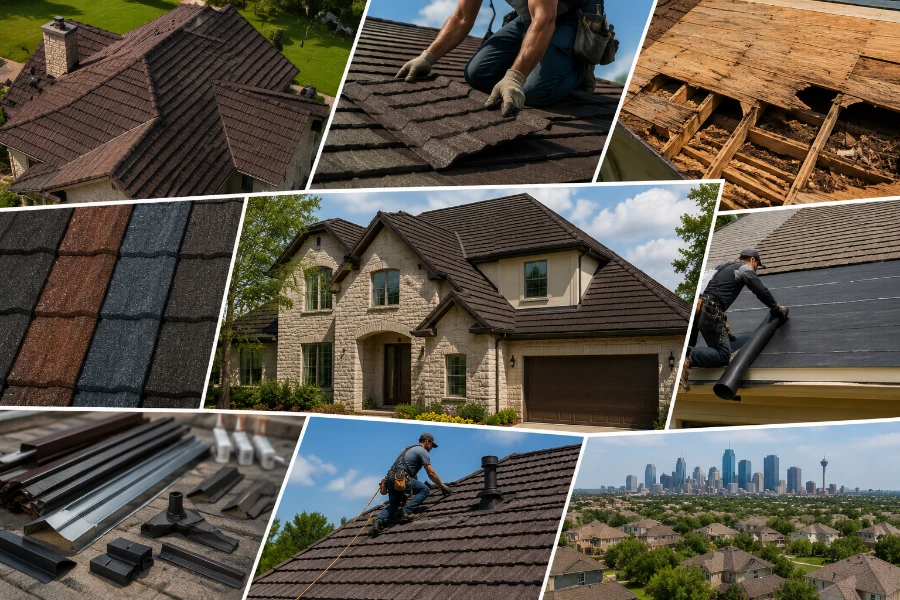
One homeowner may receive a $24,000 proposal.
Another may receive a $42,000 proposal for a similarly sized home.
Why such a difference?
Several variables influence stone coated roofing cost Texas estimates.
Roof Size and Complexity
Roof size remains one of the largest pricing factors.
Larger roofs require:
- More roofing panels
- Additional accessories
- More labor hours
- Increased material transportation
Complexity adds another layer of expense.
Features that increase installation difficulty include:
- Dormers
- Valleys
- Skylights
- Multiple roof sections
- Steep slopes
- Chimneys
Every additional detail requires additional labor.
Roofing Profile Selection
Stone coated roofing is available in multiple styles.
Each profile carries different material and installation costs.
Stone Coated ShingleOften the most economical option.
Provides a traditional appearance that closely resembles dimensional shingles.
Stone Coated ShakeDesigned to replicate natural cedar shake roofing.
Offers additional texture and architectural character.
Stone Coated SlateCreates a high-end appearance similar to natural slate.
Often positioned toward the premium end of the pricing spectrum.
Stone Coated TileParticularly popular throughout Texas.
Delivers the visual appeal of clay tile without the substantial weight.
Existing Roof Removal
Before installation begins, the old roof usually needs to come off.
Tear-off costs vary depending on:
- Roofing material type
- Number of existing layers
- Roof accessibility
- Disposal requirements
Removing heavy roofing materials can significantly increase labor expenses.
Structural Repairs
Many homeowners focus exclusively on the visible roofing materials.
The roof deck underneath is equally important.
During replacement projects, contractors occasionally discover:
- Water damage
- Rotten decking
- Structural weaknesses
- Ventilation deficiencies
Necessary repairs add cost, but they also prevent future roofing failures.
Labor Costs Across Texas
Texas labor rates vary considerably.
For example:
- Dallas-Fort Worth often experiences strong contractor demand.
- Austin’s construction market remains highly competitive.
- Houston pricing may fluctuate following major storm events.
- Smaller rural markets may offer lower labor costs.
Consequently, stone coated roofing cost Texas estimates often vary by region even when identical materials are used.
Texas Weather and Its Impact on Roofing Costs
Texas weather doesn’t simply affect roof performance.
It affects value.
That distinction matters.
Hail Resistance Benefits
Texas consistently experiences some of the most severe hailstorms in the country.
Many homeowners discover that repeated roof repairs become surprisingly expensive over time.
Stone coated steel roofing is engineered to provide exceptional impact resistance compared to many traditional roofing materials.
For hail-prone areas, that durability can translate into fewer repairs and potentially lower long-term ownership costs.
Wind Resistance Performance
Strong winds frequently accompany severe Texas storms.
Stone coated roofing systems are designed with interlocking panels that help resist wind uplift.
Many products carry wind ratings exceeding 120 miles per hour.
That level of protection can provide valuable peace of mind during severe weather events.
Heat and UV Exposure
Texas summers are relentless.
Roof temperatures can soar well above ambient air temperatures during peak summer months.
Some premium stone coated roofing systems are designed with enhanced solar reflectance properties that may help reduce heat absorption and improve energy efficiency.
While actual savings vary, reducing heat transfer into the home can contribute to lower cooling demands during the hottest months of the year.
Stone Coated Roofing vs Other Roofing Materials
Initial price matters.
Long-term ownership costs matter even more.
That’s where comparisons become valuable.
Stone Coated Roofing vs Asphalt Shingles
| Feature | Asphalt Shingles | Stone Coated Roofing |
| Initial Cost | Lower | Higher |
| Lifespan | 15-30 Years | 40-70 Years |
| Hail Resistance | Moderate | Excellent |
| Wind Resistance | Moderate | High |
| Maintenance | Higher | Lower |
Although asphalt shingles typically cost less upfront, multiple replacements over several decades can significantly increase lifetime ownership costs.
Stone Coated Roofing vs Standing Seam Metal Roofing
Standing seam metal roofing remains another popular premium roofing option.
Compared to standing seam systems, stone coated roofing often provides:
- More traditional curb appeal
- Multiple profile options
- Similar durability
- Competitive pricing
For homeowners who want the benefits of steel roofing without the industrial appearance of exposed metal panels, stone coated roofing often offers an appealing middle ground.
Stone Coated Roofing vs Concrete Tile
Concrete tile roofing has long been popular throughout Texas, particularly in upscale neighborhoods. It offers impressive durability and a timeless appearance.
However, concrete tile comes with challenges.
It’s heavy.
Very heavy.
That weight often requires additional structural support, which can increase installation costs. Stone coated roofing delivers a similar visual appeal while weighing substantially less.
For homeowners comparing premium roofing systems, our guide on stone coated vs concrete tile roofing explores the differences in greater detail.
| Feature | Concrete Tile | Stone Coated Roofing |
|---|---|---|
| Weight | Very Heavy | Lightweight |
| Structural Requirements | Often Higher | Usually Lower |
| Installation Complexity | Higher | Moderate |
| Lifespan | 50+ Years | 40-70 Years |
| Hail Resistance | Good | Excellent |
For many Texas homeowners, reducing structural concerns while maintaining a premium appearance becomes a major selling point.
Is Stone Coated Roofing Worth the Cost in Texas?
This is the question most homeowners eventually ask.
And it’s a fair one.
After all, stone coated roofing cost Texas estimates are usually higher than asphalt shingle proposals.
The answer depends on your goals.
If you’re planning to sell your home within a year or two, maximizing short-term return may be your priority.
However, if you’re thinking long term, the conversation changes considerably.
Long-Term Value Analysis
A roof isn’t simply a product.
It’s an investment.
When evaluating roofing options, consider:
- Expected lifespan
- Maintenance costs
- Storm resistance
- Energy efficiency
- Replacement frequency
Many asphalt roofs may require replacement multiple times during the period a stone coated roof remains in service.
That reality often shifts the financial discussion from upfront cost to lifetime ownership cost.
Reduced Maintenance Costs
One hidden advantage of stone coated roofing is its relatively low maintenance profile.
Because the panels are engineered for durability, homeowners typically spend less time and money dealing with:
- Wind damage repairs
- Missing shingles
- Curling materials
- Granule loss
- Frequent patchwork
Those savings accumulate over decades.
Potential Insurance Benefits
Insurance discounts are never guaranteed.
However, some insurance carriers may view impact-resistant roofing materials favorably.
If you are considering a stone coated roof, it may be worthwhile to ask your insurance provider whether any premium reductions are available.
Even modest savings can add up over time.
Home Resale Appeal
Buyers pay attention to roofs.
A lot.
An aging roof can become a negotiation point during a home sale.
A newer premium roofing system often creates the opposite effect.
While no roofing product guarantees a specific increase in property value, stone coated roofing may enhance:
- Curb appeal
- Buyer confidence
- Marketability
- Perceived property quality
For many homeowners, those advantages contribute to the overall return on investment.
Hidden Costs Homeowners Should Consider
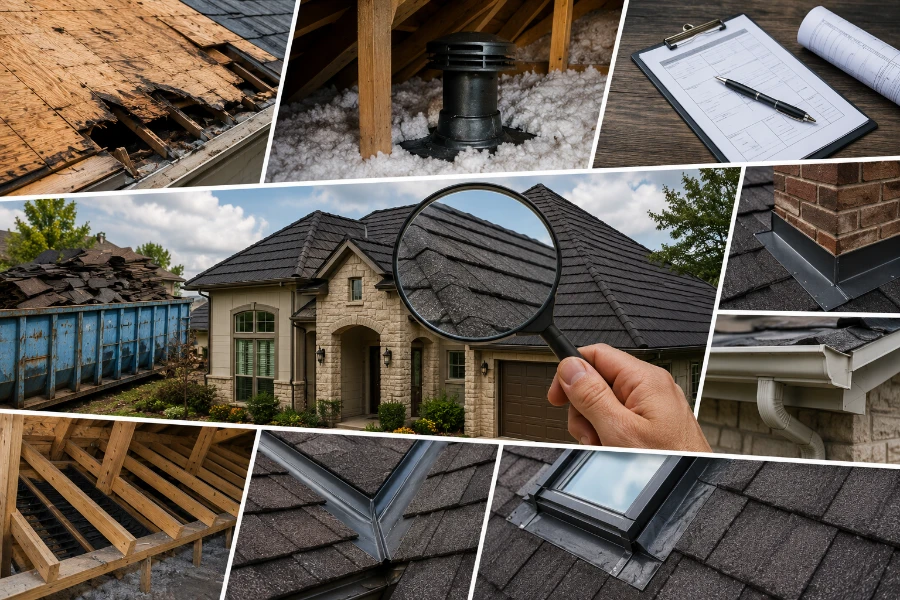
When evaluating stone coated roofing cost Texas, homeowners often focus exclusively on the proposal total.
That can be a mistake.
Several additional factors may affect the final project price.
Permits and Inspections
Some municipalities require:
- Roofing permits
- Plan reviews
- Final inspections
Permit costs vary by jurisdiction.
Although these expenses are usually minor compared to total project costs, they should still be considered.
Roof Deck Repairs
No contractor can fully inspect the roof deck until existing materials are removed.
Unfortunately, hidden damage sometimes exists.
Potential issues include:
- Water intrusion
- Delaminated decking
- Rot
- Structural deterioration
Repair costs vary depending on severity.
Ventilation Improvements
Proper ventilation plays a critical role in roof performance.
During replacement projects, contractors may recommend upgrades such as:
- Ridge vents
- Intake ventilation
- Attic airflow improvements
While these additions increase project costs, they often improve long-term roof performance.
Gutter Modifications
Some roofing projects require gutter adjustments.
Examples include:
- Gutter replacement
- Gutter repositioning
- New drip edge installation
Although not always necessary, these items occasionally appear as supplemental costs.
Flashing and Accessory Upgrades
Flashing protects vulnerable areas around:
- Chimneys
- Skylights
- Valleys
- Roof penetrations
Premium flashing systems improve weather resistance but can increase installation expenses.
How to Get an Accurate Stone Coated Roofing Estimate
Not all roofing estimates are created equally.
Some proposals are highly detailed.
Others leave out critical information.
Here’s how to improve your chances of receiving an accurate estimate.
Schedule a Professional Roof Inspection
A thorough inspection helps identify:
- Existing damage
- Structural concerns
- Ventilation issues
- Roofing complexities
The more information collected upfront, the more accurate the estimate is likely to be.
Compare Multiple Proposals
Obtaining multiple bids is one of the smartest steps homeowners can take.
However, don’t focus solely on price.
Compare:
- Materials
- Warranty coverage
- Underlayment systems
- Flashing specifications
- Contractor experience
A lower proposal isn’t always the better value.
Review Material Specifications Carefully
Not all stone coated roofing products are identical.
Ask questions about:
- Steel thickness
- Coating systems
- Manufacturer warranties
- Wind ratings
- Impact ratings
Understanding product differences helps prevent unpleasant surprises later.
Verify Contractor Experience
Installation quality matters.
Perhaps more than any other factor.
An exceptional roofing product can still fail if installed improperly.
When evaluating contractors, consider:
- Experience with stone coated roofing
- Licensing requirements
- Insurance coverage
- References
- Project portfolio
The goal isn’t simply finding a contractor.
It’s finding the right contractor.
Ways to Save Money on a Stone Coated Roof
While stone coated roofing represents a premium investment, there are ways to manage costs strategically.
Explore Insurance Claim Opportunities
Texas storms frequently cause roofing damage.
If your roof has suffered covered storm damage, insurance proceeds may offset part of the replacement cost.
Always consult qualified professionals before making assumptions about claim eligibility.
Time the Project Strategically
Contractor demand fluctuates throughout the year.
Scheduling during slower periods may occasionally provide pricing advantages.
Availability often improves as well.
Evaluate Financing Options
Many roofing contractors offer financing programs.
While financing doesn’t reduce the project price, it may improve affordability by spreading costs over time.
Focus on Lifetime Value
Attempting to minimize upfront expenses can sometimes create larger long-term costs.
Instead, evaluate:
- Longevity
- Maintenance requirements
- Repair frequency
- Energy performance
The most affordable roof isn’t always the cheapest one.
Final Thoughts on Stone Coated Roofing Cost Texas
Understanding stone coated roofing cost Texas requires looking beyond a single number.
Yes, the upfront investment is higher than many traditional roofing systems.
However, cost alone rarely tells the complete story.
Texas homeowners face unique challenges. Hail. Wind. Intense heat. Sudden weather swings. Roofing systems that perform well under those conditions often provide value that extends far beyond initial installation costs.
When evaluating a stone coated roof, consider the entire ownership experience.
Look at durability, maintenance, lifespan and look at storm resistance.
Most importantly, compare long-term value rather than focusing solely on upfront pricing.
For many Texas homeowners, that broader perspective is exactly what makes stone coated roofing a worthwhile investment.
FAQs
How much does stone coated roofing cost in Texas?Most Texas homeowners can expect to pay between $10 and $18 per square foot installed, although complex roofs and premium profiles can increase costs.
Is stone coated roofing more expensive than asphalt shingles?Yes, the upfront cost is typically higher than asphalt shingles, but the longer lifespan and lower maintenance requirements may provide better long-term value.
How long does a stone coated roof last in Texas?A properly installed stone coated roof can last 40 to 70 years, depending on the product, climate conditions, and maintenance.
Does stone coated roofing perform well during Texas hailstorms?Stone coated steel roofing is designed to resist impacts and is often considered one of the more durable roofing options for hail-prone areas.
Can stone coated roofing help reduce energy costs?Some stone coated roofing systems feature reflective properties that may reduce heat absorption and help improve energy efficiency during hot Texas summers.
Does stone coated roofing require a lot of maintenance?No. Stone coated roofing generally requires less maintenance than many traditional roofing materials due to its durability and weather resistance.
Is stone coated roofing lighter than concrete tile?Yes, stone coated roofing is significantly lighter than concrete or clay tile, which can reduce structural concerns and simplify installation.
Can a stone coated roof increase home value?While results vary by market, many buyers view premium roofing systems as a desirable feature that can enhance curb appeal and buyer confidence.
Are insurance discounts available for stone coated roofing?Some insurance providers may offer discounts for impact-resistant roofing materials, but homeowners should check directly with their carrier for eligibility.
Is stone coated roofing worth the investment in Texas?For many homeowners, the combination of longevity, storm resistance, curb appeal, and reduced maintenance makes stone coated roofing a worthwhile long-term investment.