Choosing a new roof is not just about appearance.
It is about protection. Durability. Long-term value.
For many homeowners, one question stands out above all others: what is the actual stone coated steel roof lifespan?
That question matters because a roof is one of the largest investments you’ll make in your home. Nobody wants to spend thousands of dollars on a roofing system only to replace it again in a couple of decades.
Fortunately, stone coated steel roofing has earned a reputation as one of the most durable roofing systems available today. While no roofing material lasts forever, many homeowners choose stone coated steel because it offers an exceptional combination of strength, beauty, and longevity.
In this guide, we’ll explore how long these roofs typically last, what affects their performance, and what you can do to maximize your roofing investment.
What Is a Stone Coated Steel Roof?
Before discussing the stone coated steel roof lifespan, it helps to understand what makes this roofing system different.
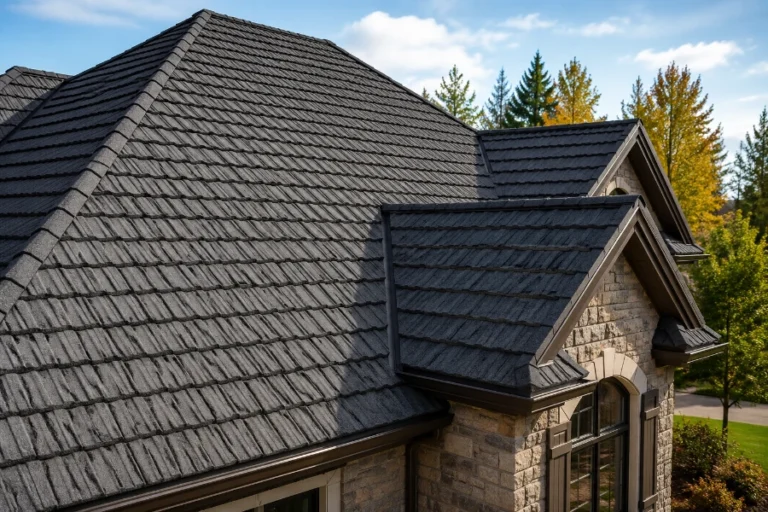
Stone coated steel roofing combines the structural strength of steel with the visual appeal of traditional roofing materials.
Most systems are built using several layers:
- Steel core
- Corrosion-resistant metallic coating
- Acrylic bonding layer
- Stone granule finish
- Protective clear overglaze
This design allows homeowners to enjoy the appearance of:
- Asphalt shingles
- Clay tiles
- Slate roofing
- Wood shakes
without sacrificing durability.
The result is a roofing product that looks traditional but performs like a modern engineered system.
How Stone Coated Steel Roofing Differs From Traditional Roofing
Many roofing materials look attractive when first installed.
However, appearance is only one piece of the equation.
Long-term durability often determines whether a roof delivers real value.
| Feature | Asphalt Shingles | Wood Shake | Clay Tile | Stone Coated Steel |
|---|---|---|---|---|
| Average Lifespan | 15–30 Years | 20–40 Years | 50–100 Years | 40–70+ Years |
| Maintenance | Moderate | High | Moderate | Low |
| Fire Resistance | Moderate | Low | High | High |
| Wind Resistance | Moderate | Moderate | High | Very High |
| Weight | Moderate | Moderate | Heavy | Lightweight |
If you’re comparing roofing systems, our detailed guide on stone coated slate alternatives explains how homeowners can achieve the elegant appearance of slate while benefiting from the lighter weight and exceptional durability of stone coated steel roofing.
While every roofing material has strengths, stone coated steel continues to stand out because of its balance of longevity, resilience, and curb appeal.
What Is the Average Stone Coated Steel Roof Lifespan?
Let’s answer the big question.
The average stone coated steel roof lifespan typically falls between 40 and 70 years.
Many systems exceed those expectations when properly installed and maintained.
Some manufacturers even offer warranties lasting 50 years or more, demonstrating confidence in the product’s long-term durability.
Of course, actual performance varies.
A professionally installed roof in a moderate climate may significantly outlast one exposed to constant severe weather or poor maintenance.
Still, compared to many roofing materials, stone coated steel consistently ranks among the longest-lasting residential roofing systems available.
Not all stone coated steel products are identical. Manufacturers use different coatings, panel designs, and production standards. Homeowners researching premium products often compare systems such as Tilcor stone coated steel roofing to understand how manufacturing quality can influence long-term durability and overall roof lifespan.
Why Some Roofs Last Longer Than Others
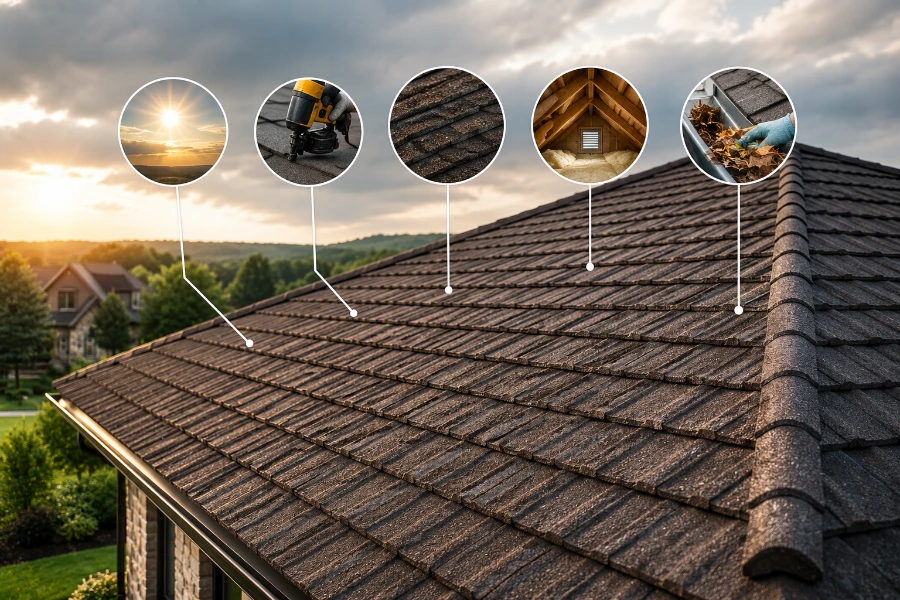
Two homes can install the same roofing system.
One roof lasts 45 years.
Another lasts over 70 years.
The difference usually comes down to several factors.
ClimateWeather creates constant stress on roofing materials.
Factors that affect longevity include:
- Intense sunlight
- Heavy rainfall
- Snow accumulation
- Hail exposure
- Hurricane-force winds
Fortunately, stone coated steel roofing performs exceptionally well across a wide range of climates.
Installation QualityEven premium materials can fail prematurely if installation is poor.
Common issues include:
- Improper fastening
- Incorrect flashing installation
- Poor attic ventilation
- Misaligned panels
These problems may remain hidden for years before causing significant damage.
Product QualityThe quality of the roofing system itself matters.
Premium products often feature:
- Better steel thickness
- Stronger protective coatings
- Improved stone adhesion
- Enhanced weather resistance
Choosing a trusted manufacturer can significantly influence the overall stone coated steel roof lifespan.
Maintenance PracticesAlthough stone coated steel requires less maintenance than many alternatives, occasional inspections remain important.
A small issue discovered early is almost always less expensive than a major repair later.
Why Stone Coated Steel Roofs Last So Long
The impressive stone coated steel roof lifespan is not accidental.
It results from advanced engineering and multiple layers of protection working together.
Corrosion Resistance
Corrosion is one of the primary threats to any metal product.
Stone coated steel roofing combats this threat through multiple protective barriers.
These commonly include:
- Zinc-aluminum coatings
- Acrylic sealants
- Stone granule coverings
- Protective finishes
Together, these layers shield the steel core from moisture and environmental exposure.
The science behind corrosion protection is fascinating. Many modern roofing systems rely on principles similar to those used in galvanization, a process that protects steel from rust and environmental deterioration.
As a result, stone coated steel roofs maintain structural integrity for decades.
Exceptional Impact Resistance
Storms happen.
Branches fall.
Hail strikes.
Traditional roofing materials often crack, split, or break under impact.
Stone coated steel performs differently.
Its steel core provides exceptional strength while maintaining flexibility under stress.
Many products achieve Class 4 impact resistance ratings, the highest residential impact rating available.
That durability helps extend the overall stone coated steel roof lifespan significantly.
Superior Wind Resistance
Wind damage is one of the most common reasons homeowners file roofing insurance claims.
Stone coated steel roofing systems are engineered to withstand extreme weather conditions.
Many products are tested to resist winds exceeding 120 mph.
Some systems exceed even those standards.
For homeowners in hurricane-prone regions, that added resilience can be incredibly valuable.
Fire Resistance
Wildfires continue to affect communities across the country.
Unlike combustible roofing materials, stone coated steel is non-combustible.
This provides:
- Enhanced safety
- Greater peace of mind
- Potential insurance benefits
- Improved property protection
Fire resistance is another reason these roofs continue performing for decades.
UV Resistance
The sun never takes a day off.
Over time, ultraviolet radiation degrades many roofing materials.
This can lead to:
- Cracking
- Curling
- Fading
- Surface deterioration
Stone coated steel roofing is specifically designed to resist long-term UV damage.
That resistance plays a major role in its exceptional longevity.
Stone Coated Steel Roof Lifespan by Climate
Every climate creates unique challenges.
Fortunately, stone coated steel performs remarkably well across a variety of environments.
Hot and Sunny Regions
Extreme heat can accelerate aging in many roofing materials.
Asphalt shingles, for example, often experience faster deterioration under intense solar exposure.
Stone coated steel performs differently.
Its protective coatings help reflect solar energy while resisting material breakdown.
Long-term sun exposure affects many building materials through a process known as photodegradation. Stone coated steel roofing is engineered to minimize these effects and maintain performance for decades.
As a result, homeowners in hot climates often experience excellent long-term performance.
Coastal Areas
Coastal properties face a unique challenge.
Salt.
Salt-laden air can accelerate corrosion in many building materials, especially when moisture is present year-round.
Fortunately, high-quality stone coated steel roofing systems are specifically engineered to combat these conditions. Protective metallic coatings and stone granules help shield the steel core from direct environmental exposure.
For homeowners living near oceans, bays, or other coastal environments, this added protection can significantly extend the overall stone coated steel roof lifespan.
Snow and Ice Regions
Winter weather can be incredibly demanding on a roof.
Heavy snow loads, ice dams, and repeated freeze-thaw cycles place constant stress on roofing materials.
Stone coated steel offers several advantages in cold climates:
- Excellent moisture resistance
- Reduced risk of cracking
- Efficient snow shedding
- Strong structural performance
Because snow tends to slide more easily from properly installed metal roofing systems, the roof often experiences less prolonged weight stress compared to some traditional materials.
Severe Storm Regions
Some areas face frequent hailstorms, tornadoes, hurricanes, or severe wind events.
In these locations, roofing durability becomes even more important.
Stone coated steel roofing is often selected because it offers:
- High wind resistance
- Strong impact resistance
- Excellent weather performance
- Reduced repair frequency
Fewer repairs often translate into a longer-lasting roof and lower lifetime ownership costs.
How Stone Coated Steel Compares to Other Roofing Materials
Lifespan alone does not determine value.
Maintenance requirements, repair costs, and durability all play important roles.
The table below highlights how stone coated steel compares to other popular roofing materials.
| Roofing Material | Average Lifespan | Maintenance Level | Durability |
|---|---|---|---|
| Asphalt Shingles | 15–30 Years | Moderate | Moderate |
| Wood Shake | 20–40 Years | High | Moderate |
| Clay Tile | 50–100 Years | Moderate | High |
| Standing Seam Metal | 40–70 Years | Low | High |
| Stone Coated Steel | 40–70+ Years | Low | Very High |
Key Takeaways From the Comparison
Several conclusions become obvious.
First, stone coated steel offers a lifespan comparable to premium roofing systems.
Second, maintenance requirements remain relatively low.
Third, homeowners often gain the visual appeal of traditional roofing materials without inheriting their weaknesses.
When viewed through the lens of long-term ownership, the stone coated steel roof lifespan becomes one of its most compelling advantages.
Common Threats That Can Shorten Roof Lifespan
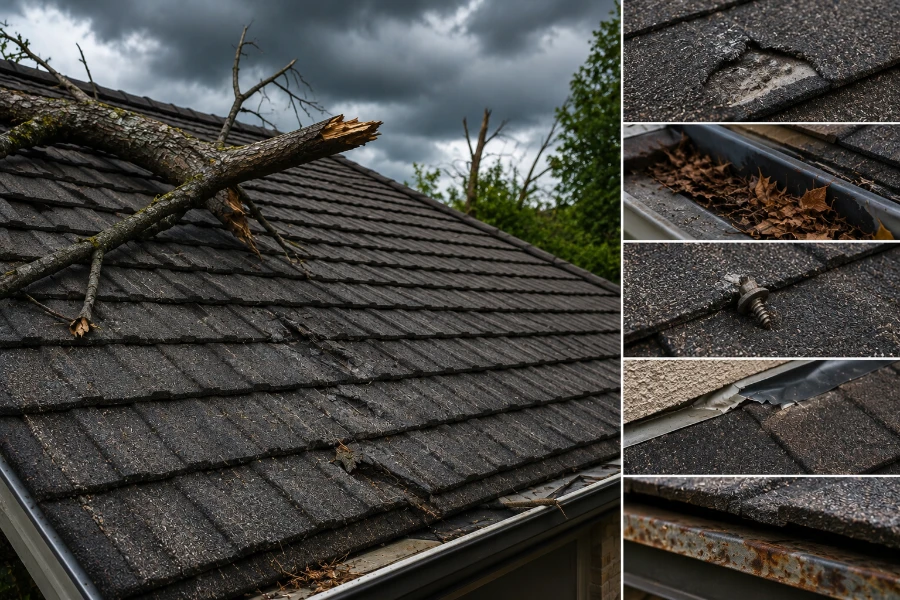
Even the most durable roofing system is not indestructible.
Understanding potential threats helps homeowners protect their investment.
Poor Installation
Installation quality remains one of the most important factors affecting longevity.
Common installation mistakes include:
- Improper flashing
- Incorrect fastening patterns
- Inadequate underlayment
- Poor ventilation design
Even premium roofing materials can underperform when installed incorrectly.
Lack of Maintenance
Stone coated steel roofing requires less maintenance than many alternatives.
However, “low maintenance” does not mean “no maintenance.”
Ignoring minor issues can eventually create larger problems.
Severe Storm Damage
While stone coated steel performs exceptionally well during storms, extreme weather can still cause damage.
Potential threats include:
- Large hailstones
- Falling trees
- Flying debris
- Structural impacts
Prompt inspections following major storms help identify issues before they worsen.
Inferior Roofing Products
Quality varies significantly among manufacturers.
Lower-quality products may use:
- Thinner steel
- Weaker coatings
- Inferior manufacturing processes
- Less durable finishes
Choosing a reputable roofing system remains one of the smartest long-term decisions a homeowner can make.
How to Maximize Your Stone Coated Steel Roof Lifespan
The good news?
Many factors influencing roof longevity are within your control.
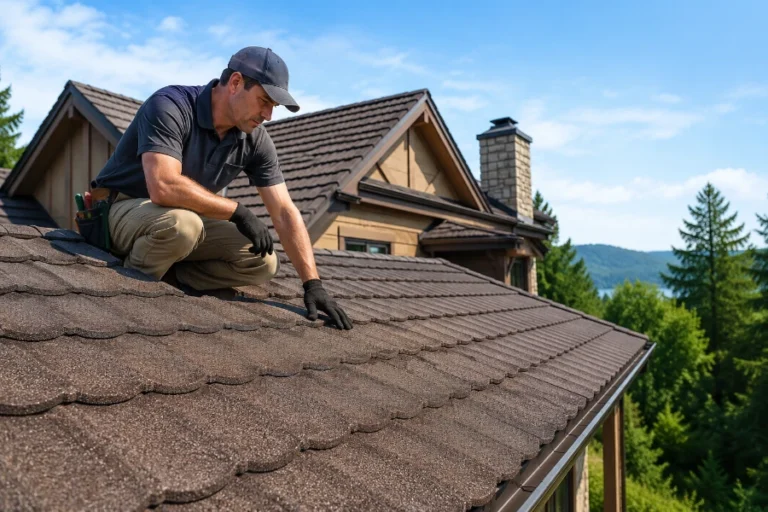
Schedule Regular Inspections
Annual inspections can help identify small issues before they become expensive problems.
Professional inspections should ideally occur:
- Once per year
- After major storms
- Before selling a property
- Following significant weather events
Keep Gutters Clean
Gutters play an important role in roof performance.
When gutters become clogged, water can back up and create unnecessary moisture exposure.
Regular cleaning helps maintain proper drainage and protects the roofing system.
Trim Nearby Trees
Overhanging branches create several risks.
They can:
- Scratch roofing surfaces
- Drop debris
- Fall during storms
- Increase moisture retention
Routine tree maintenance helps reduce these risks.
Address Minor Repairs Quickly
Small issues rarely stay small.
Whether it is damaged flashing or a loose roofing component, prompt repairs help preserve the overall stone coated steel roof lifespan.
Work With Experienced Installers
Installation quality can influence roof performance for decades.
Before hiring a contractor, consider asking:
- How many stone coated steel roofs have you installed?
- Are you manufacturer-certified?
- What warranties do you provide?
- Can you provide references?
These questions help ensure you’re working with experienced professionals.
Signs Your Stone Coated Steel Roof Needs Attention
Even long-lasting roofs occasionally require maintenance.
Watch for these warning signs.
Visible Surface Damage
Inspect the roof periodically for:
- Dents
- Scratches
- Missing components
- Storm-related damage
Loose Flashing
Flashing protects vulnerable roof transitions.
If flashing becomes loose, water intrusion may occur.
Water Intrusion
Any signs of interior moisture deserve immediate attention.
Potential indicators include:
- Water stains
- Ceiling discoloration
- Mold growth
- Damp insulation
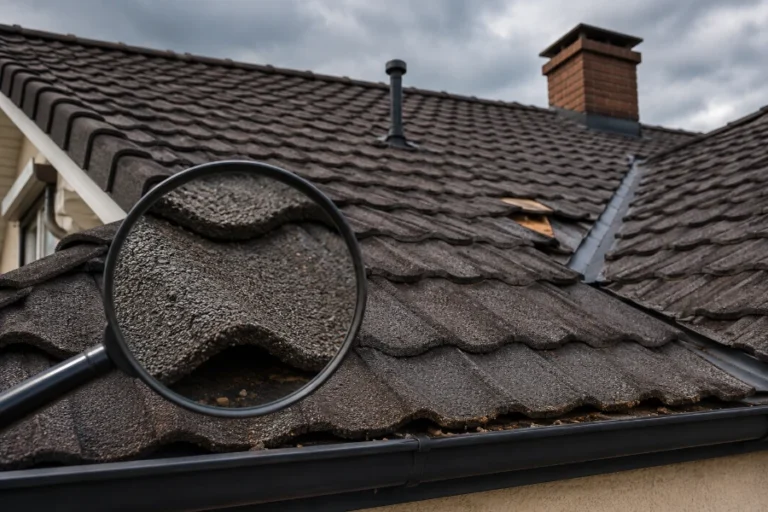
Excessive Granule Loss
While some granule loss can occur naturally over time, excessive loss may indicate surface wear.
Storm-Related Damage
After severe weather, schedule an inspection even if no obvious damage is visible from the ground.
Early detection often prevents costly repairs.
Is a Stone Coated Steel Roof Worth the Investment?
Many homeowners initially focus on installation costs.
That is understandable.
However, long-term value often tells a different story.
Upfront Cost vs Long-Term Value
Stone coated steel roofing generally costs more than asphalt shingles upfront.
Yet replacement frequency changes the equation.
Consider this simplified comparison:
| Roofing Material | Estimated Replacements Over 60 Years |
| Asphalt Shingles | 2–4 Times |
| Stone Coated Steel | 1 Time |
Replacing a roof multiple times often costs far more than investing in a longer-lasting system from the start.
Potential Energy Savings
Many stone coated steel roofing systems reflect solar heat more effectively than traditional materials.
Potential benefits include:
- Reduced attic temperatures
- Improved indoor comfort
- Lower cooling costs
- Enhanced energy efficiency
Insurance Benefits
Because stone coated steel offers excellent resistance to:
- Fire
- Wind
- Hail
some homeowners may qualify for insurance discounts depending on their location and provider.
While discounts vary, improved durability can contribute to lower long-term ownership costs.
Final Thoughts on Stone Coated Steel Roof Lifespan
When homeowners evaluate roofing systems, longevity should never be overlooked.
The average stone coated steel roof lifespan of 40 to 70 years places it among the most durable residential roofing options available today.
Its combination of strength, weather resistance, low maintenance requirements, and long-term performance makes it an attractive solution for homeowners seeking lasting value.
No roofing material is completely immune to wear and tear.
However, proper installation, routine inspections, and basic maintenance can help maximize performance for decades.
For many homeowners, the decision ultimately comes down to one simple question:
Would you rather replace your roof several times over the coming decades, or install a roofing system designed to protect your home for generations?
For those prioritizing longevity, durability, and peace of mind, stone coated steel continues to be one of the strongest choices on the market.
FAQs
How long does a stone coated steel roof typically last?A properly installed stone coated steel roof can last 40 to 70 years or more, depending on climate, maintenance, and product quality.
Is a stone coated steel roof better than asphalt shingles?In terms of lifespan and durability, stone coated steel roofing generally outperforms asphalt shingles while requiring fewer replacements over time.
Can a stone coated steel roof rust?High-quality stone coated steel roofs are designed with protective coatings that help prevent rust and corrosion for decades.
Does stone coated steel roofing require a lot of maintenance?No. Most homeowners only need periodic inspections, gutter cleaning, and occasional debris removal to keep the roof in good condition.
How does hail affect a stone coated steel roof?Most stone coated steel roofing systems offer excellent impact resistance and can withstand hail better than many traditional roofing materials.
Is stone coated steel roofing suitable for coastal homes?Yes. Many stone coated steel products are specifically engineered to resist the corrosive effects of salt air and coastal environments.
Can homeowners walk on a stone coated steel roof?In many cases, yes, but it should be done carefully and according to manufacturer guidelines to avoid damaging the panels.
Does stone coated steel roofing help reduce energy costs?Many stone coated steel roofs reflect solar heat, which may help improve energy efficiency and lower cooling expenses in warm climates.
What factors can shorten a stone coated steel roof lifespan?Poor installation, severe storm damage, neglected maintenance, and low-quality roofing materials can all reduce the roof’s expected lifespan.
Is a stone coated steel roof worth the investment?For homeowners seeking long-term durability, low maintenance, and fewer roof replacements, stone coated steel roofing often provides excellent long-term value.