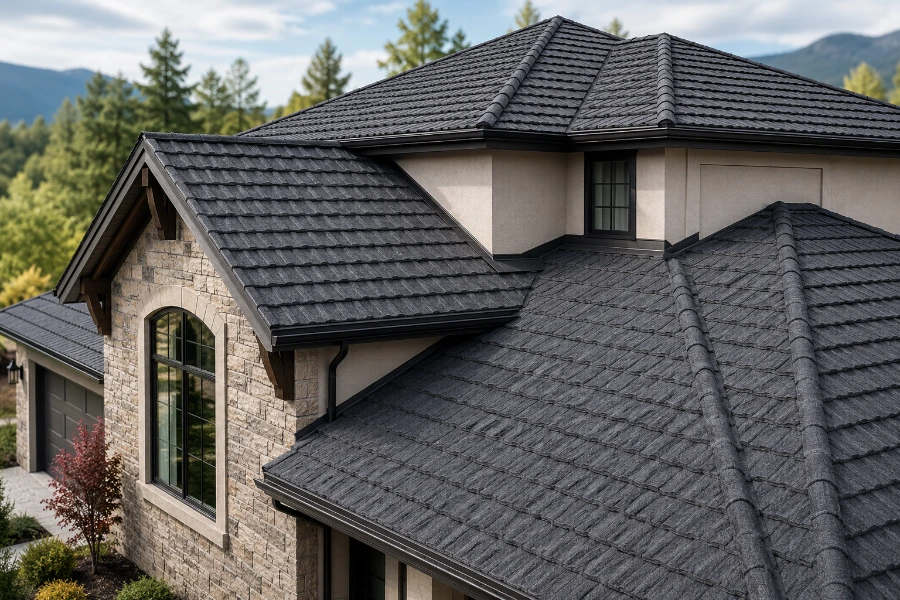
Lufkin Stone Coated Roofs
Homeowners looking into lufkin stone coated roofs are usually searching for one thing: a roofing system that can actually survive Texas weather without becoming a constant expense. That makes sense. Roofs in East Texas take a beating year after year. Heavy rain. Humidity. Hailstorms. Intense heat. Wind-driven debris. Traditional shingles often struggle to keep up.
That is exactly why more property owners in Lufkin are moving toward stone coated steel roofing systems. They last dramatically longer, handle severe weather better, and offer the kind of curb appeal homeowners actually want. It is not just about durability either. Insurance concerns, rising repair costs, and long-term property value are pushing many homeowners to rethink roofing entirely.
A roof should not feel temporary. In Texas, it often does.
Stone coated steel changes that conversation.
Why Roofs Fail Faster in East Texas
Texas weather is not gentle on roofing materials. East Texas adds another layer of difficulty because of the region’s humidity and storm frequency.
Many homeowners in Lufkin discover roofing issues long before they expected. Sometimes it starts with loose shingles after a storm. Sometimes it is subtle discoloration. Other times it is a leak that suddenly appears during heavy rain.
The problem usually builds slowly.
Heat and UV Exposure Wear Materials Down
Asphalt shingles absorb enormous amounts of heat during Texas summers. Over time, that constant expansion and contraction weakens the material.
You may notice:
- Curling edges
- Granule loss
- Cracking
- Brittle shingles
- Exposed nail heads
Once that process starts, repairs become more frequent.
Storms Create Hidden Damage
Lufkin sees strong thunderstorms throughout the year. Hail impacts can bruise shingles even when obvious holes are not visible from the ground.
Wind causes problems too.
When shingles lift repeatedly, moisture starts creeping underneath the roofing system. That can eventually affect underlayment, decking, and attic ventilation.
The damage spreads quietly. Then suddenly the repair bill becomes much larger than expected.
Why More Homeowners Are Choosing Lufkin Stone Coated Roofs
Traditional roofing materials often force homeowners into repeat replacement cycles.
Replace the roof. Repair storm damage. Replace sections again. File another insurance claim. Repeat.
Stone coated steel roofing approaches things differently.
The system combines steel strength with stone-coated protection, creating a roof designed to handle long-term exposure to harsh conditions.
For many homeowners, that changes everything.
What Makes Stone Coated Steel Roofing Different
Stone coated roofing panels are built with multiple protective layers.
The system generally includes:
| Component | Purpose |
|---|---|
| Steel Core | Structural strength |
| Protective Coating | Corrosion resistance |
| Stone Granules | UV protection and aesthetics |
| Acrylic Finish | Color retention and durability |
This combination creates a roofing system that performs very differently from standard shingles.
It is lighter than tile. Stronger than asphalt. More impact-resistant than many traditional materials.
And it looks far more refined than people expect from metal roofing.
Durability That Actually Matters
Some roofing materials look great initially but struggle after years of exposure.
That matters in Texas.
The biggest reason homeowners explore lufkin stone coated roofs is longevity. Many systems are designed to last 50 to 70 years when properly installed.
That changes the economics of roofing completely.
Hail Resistance
Texas homeowners know hail is not rare. It is inevitable.
Stone coated steel roofing systems often carry Class 4 impact ratings, which represent some of the highest impact resistance standards available in residential roofing.
That means better protection against:
- Hail strikes
- Flying debris
- Storm impacts
- Surface cracking
In many neighborhoods, homeowners with asphalt roofs may face major repairs after storms while stone coated systems remain largely intact.
That difference becomes very important over time.
Wind Resistance
Wind damage creates expensive roofing problems throughout Texas.
Shingle uplift is one of the most common issues after storms. Once tabs loosen, water intrusion becomes much more likely.
Stone coated systems use interlocking panels rather than individual exposed shingles. That creates stronger resistance against uplift forces.
Many systems are rated for winds exceeding 120 mph.
That level of protection matters during severe East Texas weather events.
Fire Protection
Fire resistance is often overlooked until homeowners begin comparing roofing systems seriously.
Stone coated steel roofing commonly carries a Class A fire rating, which is the highest residential fire rating available.
That adds another layer of long-term protection for homeowners.
The Energy Efficiency Advantage
Texas summers are brutal. Roof temperature plays a major role in indoor comfort and cooling costs.
Many stone coated roofing systems help reduce heat absorption through reflective coatings and ventilated installation methods.
That can help:
- Reduce attic heat buildup
- Improve HVAC efficiency
- Lower cooling strain
- Improve indoor comfort
While no roof eliminates energy bills, roofing material absolutely influences thermal performance.
In Lufkin’s climate, every bit of heat reduction helps.
Stone Coated Roofs Do Not Look “Industrial”
This surprises homeowners constantly.
Many people hear “metal roof” and imagine agricultural panels or commercial buildings. Stone coated roofing looks completely different.
The systems are engineered to replicate traditional roofing styles while delivering significantly better performance.
Popular Roofing Profiles in Lufkin
Stone Coated Shingle
Perfect for homeowners wanting a traditional residential appearance without standard asphalt weaknesses.
Clean. Familiar. Durable.
Stone Coated Tile
Mediterranean-inspired profiles create a high-end architectural appearance without the massive weight of clay tile.
That means less structural stress on the home.
Stone Coated Shake
Wood shake aesthetics remain popular, but real cedar comes with maintenance concerns and fire risks.
Stone coated shake profiles deliver the visual appeal without the headaches.
Stone Coated Slate
Natural slate looks incredible. It also weighs an enormous amount and can become extremely expensive.
Stone coated slate profiles offer similar elegance with far easier installation and maintenance.
Comparing Roofing Materials
Homeowners comparing roofing systems should focus on lifetime performance, not just initial installation cost.
Here is where things become interesting.
| Roofing Material | Average Lifespan | Weight | Hail Resistance | Maintenance |
|---|---|---|---|---|
| Stone Coated Steel | 50–70 Years | Lightweight | Excellent | Low |
| Asphalt Shingles | 15–20 Years | Moderate | Moderate | Higher |
| Clay Tile | 40–50 Years | Heavy | Fragile | Moderate |
| Standing Seam Metal | 40–50 Years | Moderate | Good | Low |
Initial price matters. Long-term ownership costs matter more.
Replacing a cheaper roof multiple times often becomes far more expensive over decades.
Insurance Companies Are Paying Attention
Roof condition now plays a major role in insurance decisions across Texas.
Many carriers have become increasingly strict regarding aging roofs.
Homeowners may face:
- Higher premiums
- Limited coverage
- Roof exclusions
- Non-renewal notices
That creates real pressure for homeowners with older roofing systems.
Because stone coated steel roofs offer stronger impact resistance and longer service life, some homeowners may qualify for improved insurance considerations.
It is smart to discuss roofing upgrades directly with insurance providers before replacement decisions are finalized.
Residential Roofing Services in Lufkin
Every home presents different challenges.
Roof pitch, attic ventilation, storm exposure, and existing deck condition all influence the best installation approach.
That is why professional evaluation matters first.
Full Roof Replacement
Many homeowners transition to stone coated roofing after repeated asphalt repairs.
A full replacement typically includes:
- Existing roof inspection
- Deck evaluation
- Underlayment installation
- Ventilation review
- Panel installation
- Final waterproofing inspection
The goal is not simply installing new material. The goal is building a complete roofing system designed for long-term performance.
Storm Damage Upgrades
After severe storms, many homeowners choose to upgrade rather than reinstall another asphalt roof.
That decision often comes after seeing repeated neighborhood storm damage cycles.
Investing once in a stronger system can dramatically reduce future roofing stress.
New Construction Roofing
Some homeowners skip asphalt entirely during new construction.
That can be a smart long-term move.
Starting with stone coated steel roofing means avoiding early replacement cycles altogether.
Commercial Stone Coated Roofing in Lufkin
Commercial properties benefit from stone coated roofing too.
Especially buildings with visible sloped roofing systems.
Common Commercial Applications
- Apartment complexes
- Churches
- Restaurants
- Retail centers
- Medical offices
- Hospitality properties
Property owners often prioritize long-term maintenance reduction.
That is where stone coated systems become attractive.
Fewer repairs. Longer lifespan. Better appearance retention.
Over decades, those advantages become financially significant.
Installation Methods Matter
Not every roofing system installs the same way.
The installation approach influences ventilation, thermal performance, and overall roof behavior.
Batten Installation
Battens create an airspace beneath the roofing panels.
Benefits include:
- Improved airflow
- Enhanced thermal performance
- Better moisture management
This method remains popular for residential applications.
Direct-to-Deck Installation
Panels fasten directly to the roof deck without battens.
Advantages include:
- Lower installation complexity
- Reduced labor requirements
- Faster installation timelines
Foam-Set Systems
Some systems use specialized adhesive foam attachment methods.
These systems can provide exceptional wind uplift resistance, particularly valuable in severe weather regions.
Why Local Roofing Experience Matters
Texas roofing is not one-size-fits-all.
Roofing systems that perform well elsewhere may struggle under East Texas conditions.
That is why local knowledge matters.
Contractors familiar with Lufkin understand:
- Regional storm patterns
- Local humidity challenges
- Wind exposure risks
- Building code requirements
- Insurance claim environments
That experience improves both installation quality and long-term performance.
Signs It May Be Time to Replace Your Roof
Many homeowners wait too long before replacing aging roofs.
That delay often increases repair costs significantly.
Watch for warning signs like:
- Roof age exceeding 15–20 years
- Curling shingles
- Repeated leaks
- Visible storm damage
- Rising energy costs
- Sagging areas
- Granule accumulation in gutters
If multiple issues appear together, replacement may be more cost-effective than ongoing repairs.
Long-Term Value Changes the Equation
The cheapest roof rarely stays cheap.
That becomes obvious over time.
When homeowners evaluate lufkin stone coated roofs, many begin looking beyond installation pricing alone.
They start considering:
- Lifetime durability
- Maintenance reduction
- Insurance impact
- Storm resilience
- Property value
- Replacement frequency
That broader perspective often changes the decision-making process entirely.
A roof installed once for decades creates a very different ownership experience than one requiring constant attention.
Choosing the Right Roofing Contractor
Installation quality matters just as much as material quality.
Even premium roofing systems can fail if improperly installed.
Before hiring a contractor, homeowners should ask:
| Important Questions | Why It Matters |
|---|---|
| Are you certified with major brands? | Verifies installation training |
| What warranties are included? | Protects long-term investment |
| Which install method do you recommend? | Impacts performance |
| How do you handle ventilation? | Prevents moisture issues |
| Do you understand insurance documentation? | Helps during storm claims |
Avoid contractors who pressure homeowners into rushed decisions immediately after storms.
That rarely ends well.
Lufkin Homeowners Are Thinking Long-Term
Roofing priorities are changing across Texas.
Homeowners are becoming less interested in temporary solutions and more focused on durability, protection, and lifetime value.
That shift makes sense.
Storms are becoming more expensive. Insurance concerns continue growing. Replacement costs keep rising.
A stronger roofing system is no longer viewed as a luxury upgrade alone. For many homeowners, it is becoming a practical long-term strategy.
That is why interest in lufkin stone coated roofs continues growing throughout East Texas.
Homeowners want roofs capable of handling real-world Texas conditions without constant compromise.
And honestly? That expectation is completely reasonable.
Reference material and brand/service positioning sourced from Stone Coated Roofs site information.
FAQs
1. How long do stone coated steel roofs last?Most stone coated steel roofing systems last between 50 and 70 years with proper installation and maintenance.
2. Are stone coated roofs good for Texas weather?Yes. They are designed to handle hail, strong winds, heat, heavy rain, and severe storm conditions common across Texas.
3. Are stone coated roofs noisy during rain?No. The stone granule coating helps reduce noise, making them much quieter than traditional exposed metal roofing.
4. Can stone coated roofs help with insurance?Some insurance carriers may offer better rates or improved coverage options because of the roof’s durability and impact resistance.
5. Do stone coated roofs rust over time?Quality systems use protective coatings that resist corrosion and help prevent rust for decades.
6. Are stone coated roofs heavier than shingles?No. Stone coated steel roofing is lightweight and often weighs much less than clay tile or concrete roofing systems.
7. Can stone coated roofing improve home value?Yes. Many buyers view durable, low-maintenance roofing as a major long-term property upgrade.
8. What styles are available for stone coated roofs?Homeowners can choose from profiles that mimic shingles, slate, wood shake, and tile roofing styles.
9. Is stone coated roofing more expensive than asphalt shingles?The upfront cost is usually higher, but the longer lifespan and lower maintenance can reduce overall lifetime roofing expenses.
10. How do I know if my roof should be replaced?Signs include leaks, curling shingles, storm damage, missing shingles, and roofs older than 15–20 years.