Homeowners everywhere are feeling the pressure of rising insurance premiums. Between stronger storms, more frequent hail events, and increasing construction costs, insurers have become more selective about the risks they take on. That naturally leads many homeowners to ask: Can You Get Insurance Discounts for Stone Coated Roofing? The answer is encouraging—but it isn’t always straightforward.
In many cases, installing a stone coated roofing system can make your home more attractive to insurance companies because of its durability, impact resistance, and long service life. Some insurers reward those reduced risks with premium discounts, while others may offer credits only if the roofing product meets specific performance standards. Every policy is different, and understanding how insurers evaluate roofing materials can help you make a smarter investment.
Whether you’re replacing an aging roof or building a new home, this guide explains how insurance companies assess stone coated roofing, what qualifications may lead to savings, and how to maximize your chances of lowering your homeowners insurance premiums.
Why Roofing Material Matters to Insurance Companies
Insurance companies don’t simply insure houses—they insure risk. Your roof plays a major role in determining that risk because it’s the home’s primary barrier against severe weather.
When a roof performs well during storms, insurers receive fewer claims. That benefits everyone.
Roofs Are the First Line of Defense
A quality roofing system protects far more than the attic. It safeguards the entire structure from environmental damage, helping prevent costly repairs that extend well beyond replacing shingles.
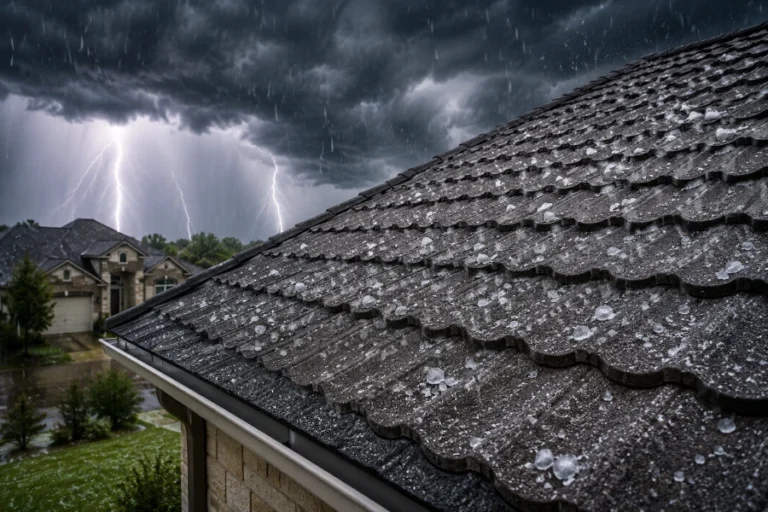
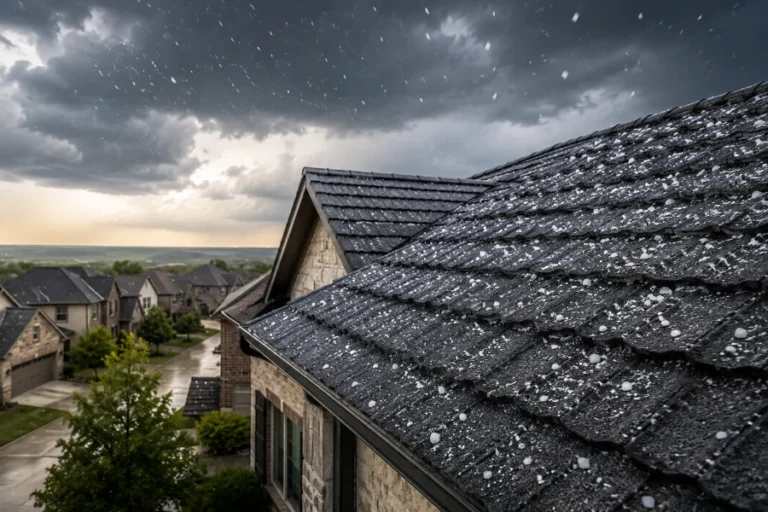
Modern roofs are expected to withstand:
- Hail impacts
- Strong winds
- Heavy rainfall
- Flying debris
- Fire exposure
- Temperature fluctuations
If a roof fails during a storm, water can quickly damage insulation, drywall, flooring, electrical systems, and personal belongings. Those secondary losses often cost much more than repairing the roof itself.
Guidance from the Federal Emergency Management Agency (FEMA) also emphasizes that resilient building materials can help reduce storm-related property losses, making durable roofing systems an important part of overall home protection.
Insurance Companies Assess Risk
Every homeowners insurance premium is based on probability.
Insurers evaluate questions like:
- How likely is this roof to be damaged?
- How expensive would repairs be?
- How often do roofs like this generate claims?
- Will this roof last decades or require replacement sooner?
A roof that consistently survives hailstorms and high winds represents a lower financial risk than one requiring frequent repairs.
That’s one reason many homeowners researching Can You Get Insurance Discounts for Stone Coated Roofing discover that insurers often recognize impact-resistant roofing materials.
Why Some Roofs Cost More to Insure Than Others
Not all roofing materials perform equally under severe weather.
| Roofing Material | General Insurance Perspective |
|---|---|
| Asphalt shingles | Moderate performance with average claim frequency |
| Wood shake | Higher fire risk in some regions |
| Clay tile | Durable but susceptible to impact cracking |
| Standing seam metal | Excellent wind and longevity |
| Stone coated steel roofing | Strong combination of impact resistance, wind performance, and durability |
While no roofing material guarantees lower premiums, stone coated steel frequently performs well in the categories insurers value most.
What Is Stone Coated Roofing?
Before discussing insurance discounts, it’s important to understand why this roofing system stands apart from traditional materials.
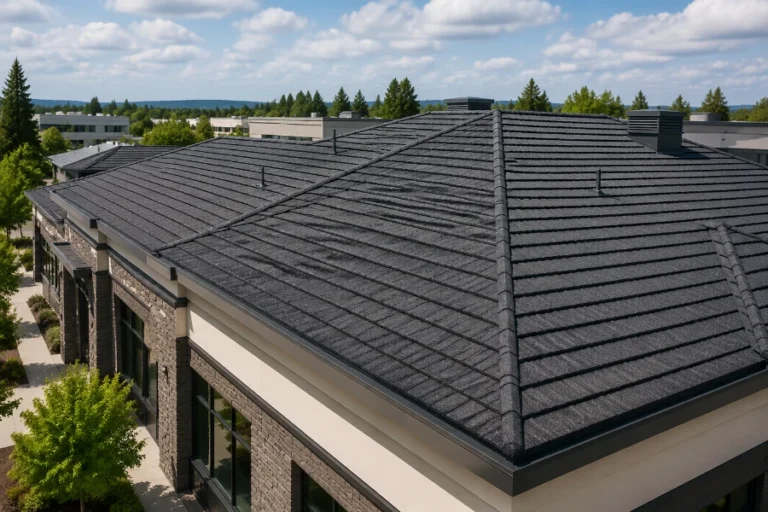
Stone coated roofing combines the structural strength of steel with the appearance of more conventional roofing products, giving homeowners both performance and curb appeal.
How Stone Coated Roofing Is Constructed
Unlike standard asphalt shingles, stone coated roofing panels consist of several protective layers working together.
Typically, the system includes:
- High-strength steel core
- Corrosion-resistant protective coating
- Adhesive bonding layer
- Natural stone granules
- Protective clear finish
Many manufacturers use protective coatings based on the principles of Galvanization, helping shield the steel core from corrosion and extending the roof’s lifespan even in demanding climates.
This layered design allows the roof to resist weather while maintaining an attractive appearance for decades.
Common Styles Available
One misconception about steel roofing is that every installation resembles a commercial building.
Today’s stone coated products come in designs that closely replicate:
- Architectural shingles
- Wood shake
- Slate
- Barrel tile
- Mediterranean tile
- Traditional dimensional roofing
Most homeowners cannot immediately distinguish stone coated roofing from premium conventional roofing once installed.
Expected Lifespan
Longevity is one of the strongest selling points.
While standard asphalt shingles often require replacement after 20 to 30 years depending on climate and maintenance, many stone coated roofing systems are engineered to perform for 40 to 70 years or longer under favorable conditions.
That extended lifespan can reduce lifetime ownership costs while lowering the likelihood of repeated insurance claims due to roof deterioration.
Can You Actually Get Insurance Discounts for Stone Coated Roofing?
Now for the question homeowners really want answered.
Can You Get Insurance Discounts for Stone Coated Roofing?
In many situations, yes.
However, no insurance company guarantees automatic discounts simply because a roof is made from stone coated steel.
Eligibility depends on several variables, including your insurer, location, roof certifications, and the specific product installed.
The Short Answer
Some insurance providers offer premium reductions for roofing systems that demonstrate exceptional resistance to hail, wind, or fire.
Others evaluate roofing upgrades during underwriting but provide savings only if the system meets recognized industry standards.
That’s why homeowners should always contact their insurance carrier before and after installation.
A simple conversation could uncover discounts that aren’t widely advertised.
Why Some Insurers Offer Premium Discounts
Insurance companies reward lower risk.
Stone coated roofing may reduce claim frequency because it often performs exceptionally well during severe weather.
Potential reasons insurers may consider discounts include:
- Better resistance to hail impacts
- Superior wind performance
- Lower fire vulnerability
- Longer expected service life
- Reduced repair frequency
- Greater structural durability
For homeowners living in storm-prone regions, these advantages become even more valuable.
Many products also earn high impact-resistance ratings that insurers specifically recognize.
If you’re interested in how impact ratings influence homeowners insurance, read our guide on Texas Insurance and Class 4 Roofs.
Situations Where Discounts May Not Apply
Unfortunately, discounts aren’t universal.
An insurer may decline premium reductions when:
- The roofing product lacks qualifying certifications.
- State regulations limit available discounts.
- The policy doesn’t include roofing incentives.
- Installation documentation is incomplete.
- The roof wasn’t installed according to manufacturer requirements.
Even if no direct discount is available, homeowners may still benefit from lower long-term repair costs and fewer weather-related claims.
Roofing Features That May Qualify for Insurance Savings
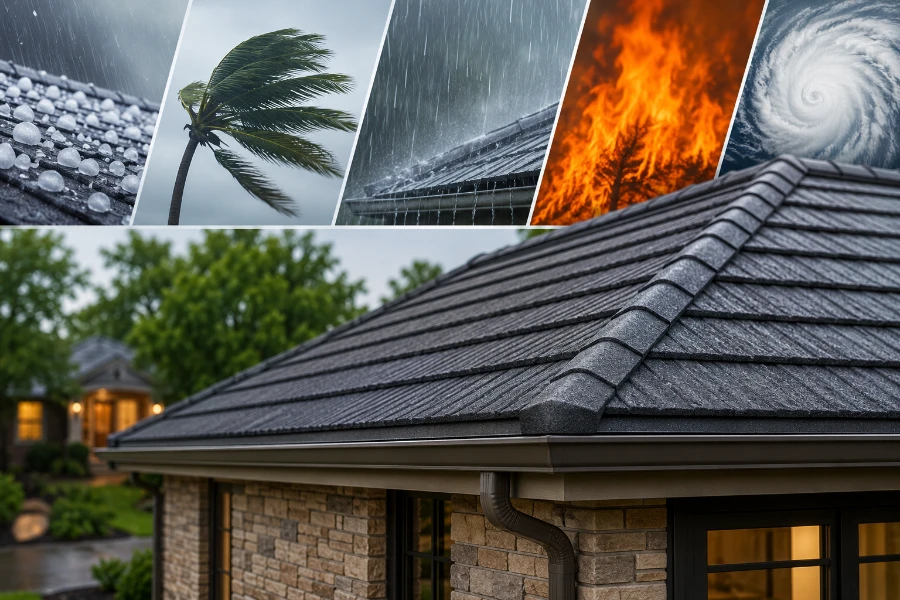
Insurance companies usually focus less on brand names and more on measurable performance.
Several roofing characteristics may improve the likelihood of qualifying for premium reductions.
Class 4 Impact Resistance
Perhaps the most recognized feature is Class 4 impact resistance.
This rating is determined through standardized testing that evaluates how well roofing materials withstand simulated hail impacts.
A Class 4-rated roofing product demonstrates outstanding durability under demanding conditions.
Many insurers recognize these products because they often experience fewer hail-related claims over time.
Homeowners in hail-prone states should carefully compare impact ratings before choosing a roofing system.
For a deeper look at why impact-resistant materials matter, see our article on Best Roofing Materials for Hailstorms in Texas.
High Wind Ratings
Wind damage remains one of the most common causes of roof insurance claims.
Stone coated roofing systems are often engineered to resist:
- Wind uplift
- Flying debris
- Heavy rain driven by strong winds
- Storm-related pressure changes
This performance makes them particularly attractive in regions that regularly experience hurricanes, tropical storms, or tornadoes.
Fire Resistance
Fire protection is another characteristic that insurance companies may consider when evaluating a roofing system.
Many stone coated roofing products are designed to achieve a Class A fire rating, one of the highest classifications available for residential roofing assemblies. While the exact rating depends on the complete roofing system and installation method, this level of performance can provide additional peace of mind in areas where wildfire or accidental fire exposure is a concern.
A fire-resistant roof may help:
- Slow the spread of flames
- Reduce ignition from airborne embers
- Protect the structural components beneath the roof
- Minimize the extent of fire-related damage
Although a Class A rating doesn’t automatically reduce insurance premiums, it may strengthen your home’s overall risk profile.
Long-Term Durability
Insurance companies appreciate predictability.
A roof that consistently performs for decades is generally less likely to generate repeated claims than one nearing the end of its service life.
Stone coated roofing is known for:
- Exceptional resistance to weathering
- Low maintenance requirements
- Corrosion resistance
- Long manufacturer warranties
- Stable structural performance over time
Those characteristics can translate into fewer unexpected repairs and lower ownership costs throughout the life of the home.
How Insurance Companies Evaluate Stone Coated Roofs
Every insurance carrier has its own underwriting guidelines, but most evaluate similar factors before determining whether premium discounts apply.
Roof Age
Newer roofs typically present less risk.
If your stone coated roof was recently installed, insurers may view it more favorably than an older roofing system approaching the end of its expected lifespan.
Keeping records of the installation date helps support your policy review.
Installation Quality
Even the best roofing product can underperform if it isn’t installed correctly.
Insurance companies often prefer professionally installed roofing systems because proper installation improves long-term reliability.
Quality installation includes:
- Correct fastening methods
- Proper flashing installation
- Adequate ventilation
- Manufacturer-approved accessories
- Compliance with local building codes
Poor workmanship can increase the likelihood of future claims regardless of the roofing material.
Manufacturer Certifications
Many insurers rely on recognized testing and certification programs rather than marketing claims.
Documentation demonstrating impact resistance, wind performance, or fire ratings can strengthen your request for a premium review.
Always keep copies of:
- Product specification sheets
- Manufacturer certifications
- Warranty information
- Installation documents
These records make it much easier to verify your roof’s qualifications.
Building Code Compliance
Homes that meet current building codes generally present fewer insurance concerns.
During installation, contractors should ensure the roofing system complies with applicable local requirements for:
- Wind resistance
- Fastening schedules
- Fire protection
- Structural attachment
- Underlayment
Building permits and final inspection approvals provide valuable documentation if questions arise later.
Roof Inspection Reports
Some insurance companies may request an inspection before applying discounts.
Professional inspection reports can verify:
- Roof condition
- Installation quality
- Material type
- Visible damage
- Remaining service life
A detailed report often provides additional confidence that the roof performs as represented.
Factors That Affect Whether You Receive a Discount
Every situation is unique. Even two neighbors with identical roofs could receive different insurance premiums based on their individual policies and risk factors.
| Factor | Impact on Potential Discount |
|---|---|
| Insurance carrier | High |
| State regulations | High |
| Roof certifications | High |
| Installation quality | Medium |
| Roof age | Medium |
| Previous claim history | Medium |
| Home location | High |
| Local weather exposure | High |
Here’s how these factors influence the decision.
Insurance carrier: Every company develops its own underwriting guidelines. Some actively reward impact-resistant roofing, while others place greater emphasis on overall claim history.
State regulations: Insurance rules differ across the country, affecting which premium credits insurers can offer.
Roof certifications: Verified testing carries much more weight than general product descriptions.
Installation quality: Proper installation helps ensure the roof performs as intended during severe weather.
Roof age: A newer roof often represents lower immediate risk.
Claim history: Frequent claims, regardless of roofing material, can influence premium calculations.
Home location: Areas prone to hail, hurricanes, or severe wind often receive closer underwriting scrutiny.
Local weather risks: The greater the exposure to damaging weather, the more valuable resilient roofing systems become.
States Where Stone Coated Roofing May Offer Greater Insurance Benefits
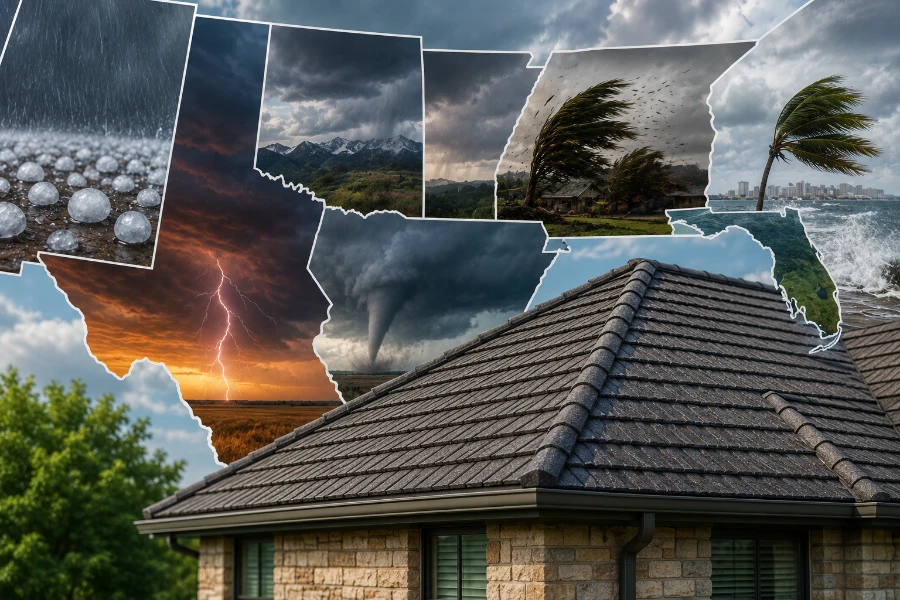
Weather patterns play a major role in roofing decisions.
In regions that experience frequent storms, insurers often pay closer attention to roof performance.
Texas
Texas experiences some of the nation’s most damaging hailstorms and wind events.
Because roofing claims occur so frequently, many homeowners investigate stronger roofing materials that may reduce future losses.
Colorado
Colorado regularly experiences large hail capable of damaging conventional roofing materials.
Impact-resistant roofs often receive increased attention from insurers operating within the state.
Oklahoma
Strong winds, hailstorms, and tornado activity make durable roofing particularly valuable.
Stone coated roofing’s combination of impact and wind resistance may help reduce long-term repair needs.
Kansas
Kansas homeowners face similar weather challenges.
Large hail and severe thunderstorms make roofing durability an important consideration during both construction and replacement projects.
Florida
While hail receives much of the attention elsewhere, Florida homeowners frequently prioritize hurricane resistance.
Properly installed stone coated roofing systems can perform exceptionally well during high-wind events.
How to Maximize Your Chances of Receiving an Insurance Discount
If you’re investing in a premium roofing system, take a few additional steps to improve your chances of qualifying for savings.
Choose a Class 4-Rated Product
Not every stone coated roofing product has identical performance ratings.
Review manufacturer specifications carefully before making a selection.
Hire a Qualified Roofing Contractor
Professional installation protects both your investment and your insurance eligibility.
Choose contractors who are experienced with stone coated roofing systems and follow manufacturer installation requirements.
Keep Complete Documentation
Create a folder containing:
- Product specifications
- Warranty documents
- Installation invoice
- Building permits
- Final inspections
- Manufacturer certifications
- Photos of the completed roof
This information can simplify future insurance reviews.
Notify Your Insurance Company
Don’t assume your insurer automatically knows you’ve upgraded your roof.
After installation, contact your insurance representative and provide documentation.
Many homeowners overlook this simple step.
Request a Policy Review
Rather than asking only about discounts, request a complete policy review.
Your insurer may identify additional opportunities to reduce premiums through bundled coverage, updated inspections, or other home improvements.
Questions to Ask Your Insurance Agent
Preparing questions in advance helps make the conversation more productive.
Consider asking:
- Do you offer discounts for impact-resistant roofing?
- Does my policy recognize Class 4 roofing products?
- Which certifications qualify for premium reductions?
- Is documentation required?
- Will an inspection be necessary?
- How much could the discount be?
- Does the discount remain in effect after policy renewal?
- Are there additional home improvements that qualify for savings?
The answers will vary, but asking the right questions ensures you understand every available opportunity.
Other Financial Benefits Beyond Insurance Discounts
Even if your insurer doesn’t offer an immediate premium reduction, stone coated roofing can still provide meaningful long-term value.
Longer Roof Life
Replacing a roof is one of the largest maintenance expenses many homeowners face.
A longer-lasting roofing system delays that cost for many years.
Lower Maintenance Costs
Stone coated roofing generally requires less routine maintenance than many conventional roofing materials.
That can reduce repair expenses over the roof’s lifetime.
Better Home Resale Value
Durable roofing often appeals to prospective buyers.
A newer stone coated roof may increase buyer confidence by demonstrating long-term protection and reduced maintenance concerns.
Improved Storm Protection
Reducing storm damage isn’t only about insurance.
Avoiding disruptions, emergency repairs, and interior water damage can save significant time, money, and stress.
Potential Energy Efficiency Benefits
Depending on the product selected, some stone coated roofing systems incorporate reflective properties that may help reduce heat absorption, potentially improving overall energy efficiency.
Common Misconceptions About Insurance Discounts for Stone Coated Roofing
Several myths continue to circulate among homeowners.
Let’s clear them up.
Myth: Every insurance company automatically offers discounts.
Reality: Each insurer follows its own underwriting guidelines.
Myth: Every stone coated roof qualifies.
Reality: Performance certifications often matter more than the material alone.
Myth: Discounts are guaranteed.
Reality: Eligibility depends on multiple factors, including location, policy terms, and documentation.
Myth: Premium savings are always substantial.
Reality: Savings vary widely and may range from modest credits to more meaningful reductions.
Myth: Older stone coated roofs receive the same treatment as brand-new installations.
Reality: Roof age and condition remain important underwriting considerations.
Is Stone Coated Roofing Worth It Even Without an Insurance Discount?
For many homeowners, the answer is yes.
Insurance savings are only one piece of the financial picture.
When evaluating the total cost of ownership, consider:
- Longer service life
- Fewer repairs
- Reduced maintenance
- Excellent weather resistance
- Strong curb appeal
- Increased home value
- Greater peace of mind
Those advantages often continue long after any insurance discount has been applied.
Instead of focusing solely on annual premium savings, think about the decades of protection the roof can provide.
Final Thoughts
So, Can You Get Insurance Discounts for Stone Coated Roofing? In many cases, yes—but there is no universal guarantee. Insurance companies evaluate several factors, including the roof’s impact resistance, fire and wind ratings, installation quality, certifications, your location, and the specific terms of your homeowners policy.
The best approach is to choose a high-quality stone coated roofing system, have it professionally installed, and keep thorough documentation of the project. Once the installation is complete, contact your insurance provider and request a policy review. Even if the premium reduction is modest, you’ll still benefit from a roof built to withstand demanding weather conditions, require less maintenance, and provide reliable protection for decades.
Viewed as a long-term investment rather than just a roofing upgrade, stone coated roofing offers value that extends well beyond the possibility of lower insurance premiums.
FAQs
Can you get insurance discounts for stone coated roofing?Yes. Some insurers offer discounts for qualifying stone coated roofing systems.
How much can I save?Savings vary by insurer, location, and policy.
Do all stone coated roofs qualify?No. The roof must meet your insurer’s eligibility requirements.
Does a Class 4 roof help lower premiums?Often. Many insurers recognize Class 4 impact-resistant roofing.
Do I need proof of installation?Yes. Most insurers require documentation before applying discounts.
Are stone coated roofs better than asphalt shingles?They generally offer greater durability and weather resistance.
Do discounts vary by state?Yes. States with higher storm risks often have different discount programs.
Can older stone coated roofs qualify?Possibly, if they’re in good condition and meet insurer requirements.
Should I notify my insurance company after installation?Yes. Ask for a policy review once the new roof is installed.
Is stone coated roofing worth it without a discount?Yes. Its longevity, durability, and low maintenance provide long-term value.