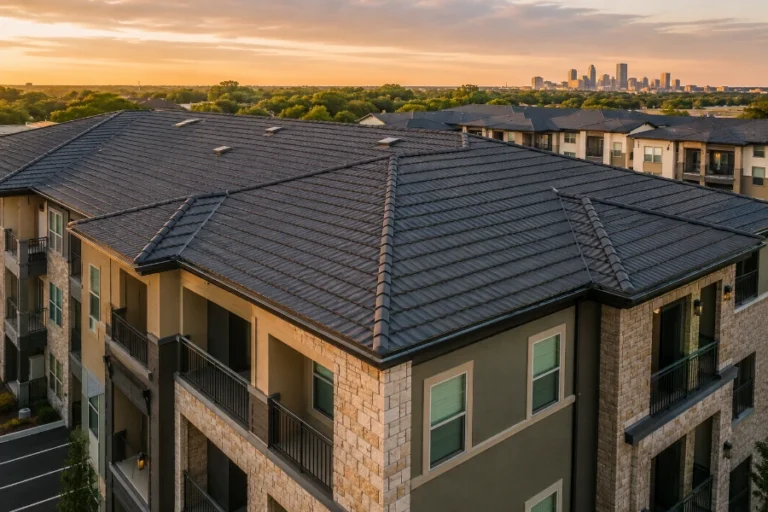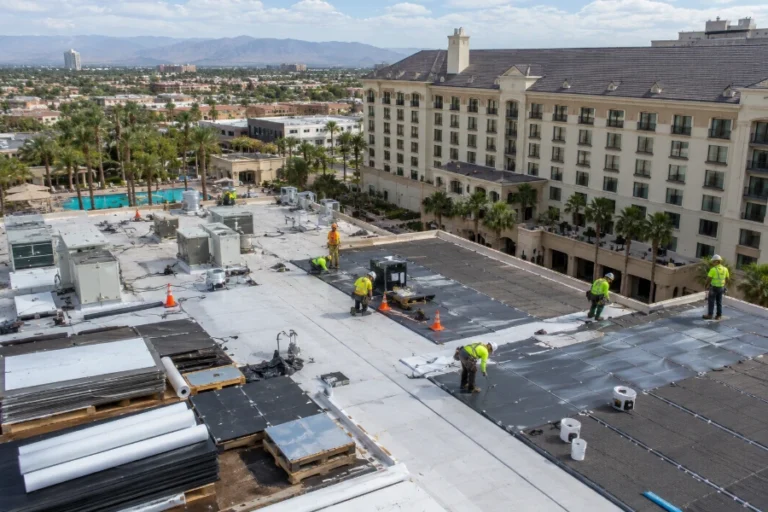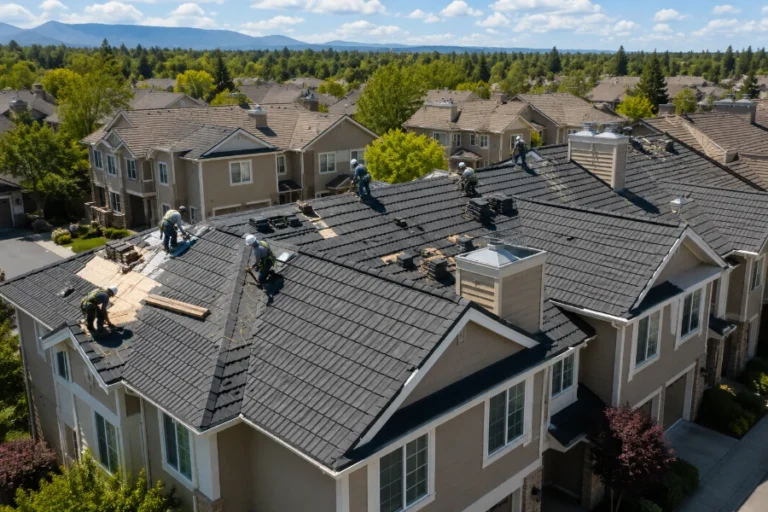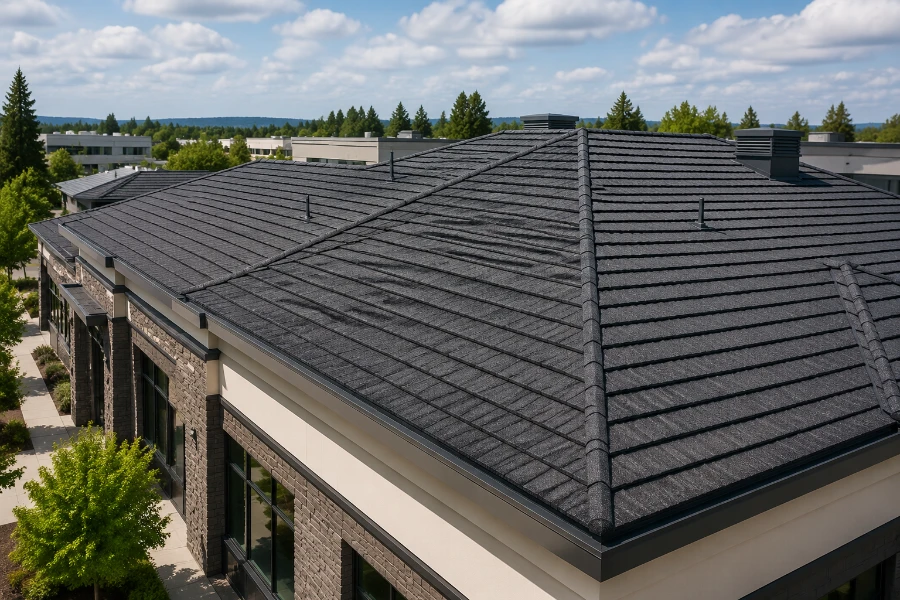
Commercial property owners face a difficult balancing act. They need a roofing system that protects valuable assets, minimizes maintenance, enhances the building’s appearance, and delivers long-term value without constant repairs. That’s exactly why commercial stone coated roofing has become an increasingly attractive solution for offices, retail centers, schools, hotels, and many other commercial properties. While no roof is completely maintenance-free, stone coated steel roofing offers an impressive combination of durability, longevity, and visual appeal that few materials can match.
Whether you’re planning a new commercial development or replacing an aging roof, understanding how this roofing system performs can help you make a smarter investment. Let’s take a closer look at why so many property owners are making the switch.
Why Commercial Stone Coated Roofing Is Gaining Popularity
Commercial roofing has evolved considerably over the past several decades. Traditional materials such as built-up roofing, modified bitumen, and single-ply membranes continue to serve many buildings well, but today’s property owners often want more than simple weather protection.
They want durability. They want aesthetics. Most importantly, they want predictable ownership costs.
That’s where commercial stone coated roofing stands apart.
Instead of relying on exposed membranes or conventional shingles, this roofing system combines galvanized or coated steel panels with an attractive stone-granule finish. The result is a roof that offers both structural performance and architectural appeal.
Several trends have contributed to its growing popularity:
- Longer expected service life
- Excellent resistance to severe weather
- Lightweight construction
- Attractive appearance for commercial properties
- Lower lifetime maintenance costs
- Potential improvements in energy efficiency
For businesses planning decades into the future, these advantages can significantly influence the total cost of ownership.
What Is Commercial Stone Coated Roofing?
Commercial stone coated roofing is manufactured from high-strength steel panels that receive multiple protective coatings before being covered with natural stone granules and sealed with an acrylic finish.
Most premium systems begin with steel protected by a Galvalume coating, which helps resist corrosion and extends the lifespan of the roofing panels even in challenging environments.
Unlike traditional standing seam systems or asphalt shingles, stone coated panels are engineered to replicate premium roofing materials while maintaining the strength of steel.
Common profile options include:
- Barrel tile
- Shake
- Slate
- Traditional shingles
- Mediterranean tile
This allows commercial buildings to achieve a premium architectural appearance without the excessive weight associated with concrete or clay roofing.
How It Differs From Traditional Commercial Roofing
Every roofing material has strengths and tradeoffs.
Here’s how stone coated roofing compares conceptually.
| Feature | Commercial Stone Coated Roofing | Conventional Membrane Roofing |
|---|---|---|
| Appearance | High-end architectural finish | Functional appearance |
| Weight | Lightweight | Moderate |
| Weather Resistance | Excellent | Good |
| Impact Resistance | Very High | Moderate |
| Maintenance | Low | Moderate |
| Expected Lifespan | Long-term | Varies by material |
The biggest distinction is versatility. Commercial stone coated roofing provides both protection and curb appeal, making it suitable for buildings where appearance matters just as much as performance.
Key Benefits of Commercial Stone Coated Roofing
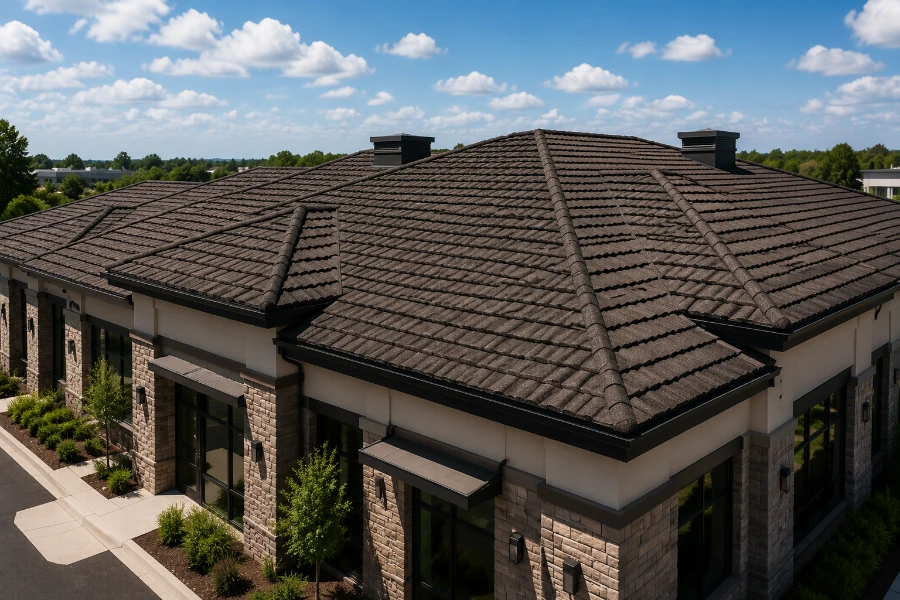
Choosing a roof is about much more than today’s installation cost. It is an investment that influences maintenance budgets, insurance considerations, and even property value for decades.
Let’s explore the major advantages.
Long Service Life
Every building owner wants one thing above all else: longevity.
A properly installed commercial stone coated roofing system can provide reliable performance for decades with routine inspections and maintenance.
Its durability comes from multiple protective layers:
- Steel core
- Corrosion-resistant coating
- Stone granules
- Acrylic protective finish
Each layer serves a specific purpose, working together to defend the roof against moisture, ultraviolet exposure, and physical wear.
If you’re comparing lifespan expectations, our guide on How Long Does Stone Coated Steel Roofing Really Last explains the factors that influence long-term performance and what building owners can expect over the life of the roof.
Exceptional Weather Resistance
Commercial buildings often cover thousands of square feet, making them especially vulnerable to severe weather.
A dependable roofing system should withstand:
- Heavy rain
- High winds
- Hail
- Snow
- Ice
- Prolonged sunlight
Stone coated steel roofing is engineered to perform well under demanding conditions. Its interlocking panel design helps resist wind uplift, while the steel substrate provides superior impact resistance compared to many conventional roofing materials.
This level of protection can reduce repair frequency after major storms and help preserve the integrity of the building envelope.
Lightweight Yet Extremely Strong
Weight matters.
Heavy roofing materials place additional stress on a building’s structural framework. During reroofing projects, reducing roof weight may simplify installation while limiting structural modifications.
Commercial stone coated roofing offers an excellent strength-to-weight ratio.
Benefits include:
- Easier transportation
- Faster installation
- Reduced structural loading
- Excellent durability
This combination is particularly attractive for renovation projects where existing structures may have design limitations.
Energy Efficiency
Energy costs continue to rise, making roofing performance more important than ever.
Many commercial stone coated roofing systems are designed with reflective properties that help reduce solar heat absorption. While results vary depending on product selection, roof color, insulation, and climate, improved thermal performance may contribute to lower cooling demands during warmer months.
The U.S. Department of Energy also explains how Cool Roofs can help improve building energy efficiency by reflecting more sunlight and reducing heat transfer into commercial structures.
Additional energy-saving strategies include:
- Proper attic ventilation
- High-performance insulation
- Reflective underlayments
- Professional installation
Together, these components create a roofing system that supports better overall building performance.
Low Maintenance Requirements
No commercial roof is maintenance-free.
However, some systems demand significantly fewer repairs over time.
Routine maintenance for commercial stone coated roofing generally includes:
- Annual inspections
- Cleaning debris from valleys and gutters
- Checking flashings
- Inspecting penetrations
- Replacing damaged accessories if needed
Compared with roofing systems that may require frequent membrane repairs or resurfacing, stone coated steel often offers lower ongoing maintenance demands.
That translates into fewer interruptions for business operations and more predictable maintenance budgets.
Enhanced Curb Appeal
Appearance matters more than many property owners realize.
An attractive commercial building can positively influence:
- Customer perception
- Tenant satisfaction
- Property value
- Brand image
- Leasing opportunities
Unlike flat roofing systems that are rarely visible from the street, commercial stone coated roofing creates a premium architectural appearance that complements a wide variety of building styles.
Available colors and profiles make it easier to match existing architecture while giving older buildings a refreshed, modern look.
Commercial Buildings That Benefit Most
One of the greatest strengths of commercial stone coated roofing is its versatility.
Rather than serving a single property type, it performs well across many industries.
Some of the best applications include:
Office Buildings
Professional office environments benefit from a polished exterior appearance combined with long-term durability and lower maintenance needs.
Retail Centers
Retail properties rely heavily on first impressions. A visually appealing roof contributes to an inviting shopping environment while helping protect valuable inventory inside.
Hotels and Hospitality
Hotels require roofing systems that minimize disruptions. Long-lasting materials with fewer repair needs help reduce operational interruptions while enhancing curb appeal.
Educational Facilities
Schools, universities, and training centers often prioritize long-term budgeting. Investing in a durable roofing system can reduce maintenance expenses over the building’s lifespan.
Healthcare Facilities
Hospitals and medical offices depend on reliable building protection. A high-performance roofing system helps safeguard sensitive equipment, patient areas, and critical operations from weather-related damage.
Multi-Family Residential Properties
Apartment communities and condominium developments benefit from attractive roofing that enhances property value while offering dependable protection for residents and owners alike.
Stone Coated Roofing vs. Other Commercial Roofing Systems
Selecting the right roof requires evaluating several important factors.
| Roofing System | Lifespan | Appearance | Maintenance | Weather Resistance | Weight |
|---|---|---|---|---|---|
| Commercial Stone Coated Roofing | Excellent | Premium | Low | Excellent | Lightweight |
| TPO Membrane | Good | Basic | Moderate | Good | Lightweight |
| EPDM Roofing | Good | Basic | Moderate | Good | Lightweight |
| Built-Up Roofing | Moderate | Functional | Higher | Moderate | Heavy |
| Asphalt Shingles | Moderate | Residential Style | Moderate | Good | Moderate |
While every commercial building has unique requirements, stone coated roofing consistently stands out for owners seeking both durability and architectural appeal.
Cost vs. Long-Term Value
The initial installation cost of commercial stone coated roofing is often higher than some traditional commercial roofing materials. At first glance, that may seem like a disadvantage. However, evaluating roofing decisions based solely on upfront pricing can be costly over the life of the building.
Instead, consider the broader financial picture.
A premium roofing system can reduce ownership costs through:
- Fewer repair expenses
- Longer replacement intervals
- Lower maintenance requirements
- Improved weather resistance
- Potential energy savings
- Increased property value
For many commercial property owners, these long-term benefits outweigh the higher initial investment.
Before making a final decision, it’s also helpful to review the Pros and Cons of Stone Coated Steel Roofing to better understand both the strengths and considerations of this premium roofing system.
How to Choose the Right Commercial Stone Coated Roofing System
Selecting the right roofing system involves much more than comparing product brochures. Every commercial property has unique structural requirements, environmental conditions, and long-term business goals. Taking the time to evaluate these factors before installation can help maximize the return on your investment.
Here are the most important considerations.
Evaluate Your Local Climate
Climate has a direct impact on roofing performance. A system that performs exceptionally well in one region may require different specifications in another.
For example, commercial buildings in coastal areas often benefit from enhanced corrosion resistance, while facilities in hail-prone regions should prioritize impact-resistant roofing panels.
Consider local weather conditions such as:
- High winds
- Heavy rainfall
- Snow accumulation
- Intense sunlight
- Salt exposure near coastlines
- Seasonal temperature fluctuations
Working with a contractor familiar with your region helps ensure the roofing system is suited to local environmental demands.
Match the Roof to Your Building’s Architecture
A roof contributes significantly to a building’s overall appearance. Rather than treating it as an afterthought, view it as part of the property’s architectural identity.
Commercial stone coated roofing is available in profiles that mimic:
- Traditional shingles
- Wood shake
- Slate
- Barrel tile
- Mediterranean tile
Choosing a style that complements the building’s design creates a more cohesive and professional appearance. This is especially valuable for hotels, office buildings, retail developments, churches, and upscale residential communities.
Balance Budget With Long-Term Performance
Every commercial project has financial constraints. However, the least expensive option today is not always the most economical over the next 30 to 50 years.
When comparing proposals, evaluate:
| Consideration | Why It Matters |
|---|---|
| Material quality | Influences longevity and durability |
| Installation experience | Helps prevent future issues |
| Warranty coverage | Adds long-term protection |
| Maintenance costs | Impacts lifetime ownership expenses |
| Expected service life | Determines replacement frequency |
Looking beyond the initial quote often reveals that higher-quality roofing systems provide better overall value.
Review Manufacturer Warranties
Not all warranties offer the same level of protection.
Before signing a contract, review:
- Coverage period
- Transferability
- Material defects
- Finish warranties
- Wind warranties
- Installation requirements that maintain warranty validity
A clear understanding of warranty terms helps eliminate surprises later.
Choose an Experienced Roofing Contractor
Even the highest-quality roofing material can underperform if installed incorrectly.
Look for contractors who:
- Specialize in stone coated steel roofing
- Have commercial project experience
- Are properly licensed and insured
- Provide references from similar projects
- Explain their installation process clearly
A knowledgeable installer will also identify structural concerns before installation begins, reducing the likelihood of expensive corrections later.
Installation Best Practices
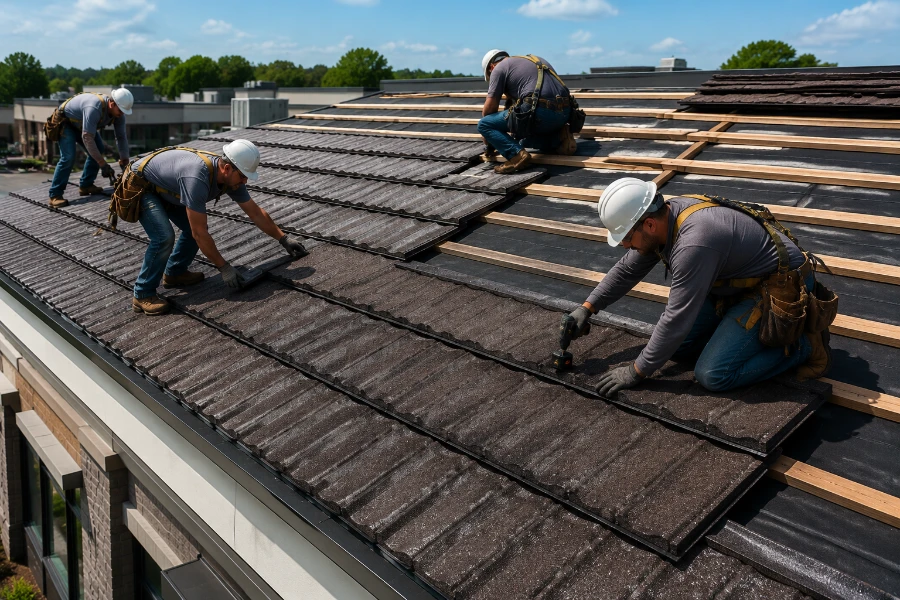
The performance of commercial stone coated roofing depends not only on the product but also on the quality of the installation.
Professional installers typically follow a systematic approach that includes careful planning, precise workmanship, and thorough inspections.
Important installation steps include:
Roof Inspection
Before work begins, the existing roof structure should be evaluated for:
- Structural integrity
- Water damage
- Deck condition
- Ventilation performance
- Drainage issues
Addressing existing problems first creates a stronger foundation for the new roofing system.
Proper Underlayment
The underlayment provides an additional layer of protection beneath the roofing panels.
A quality underlayment helps:
- Reduce moisture intrusion
- Improve waterproofing
- Enhance overall roof performance
- Protect vulnerable roof areas
Skipping this step or using inferior materials can shorten the roof’s lifespan.
Flashing and Waterproofing
Roof penetrations are common sources of leaks.
Special attention should be given to:
- HVAC equipment
- Plumbing vents
- Skylights
- Roof edges
- Valleys
- Chimneys
Proper flashing installation helps prevent water from entering the building over time.
Ventilation
Ventilation often receives less attention than it deserves.
Proper airflow helps:
- Reduce heat buildup
- Minimize moisture accumulation
- Improve insulation performance
- Extend roofing material lifespan
A balanced ventilation system contributes to better long-term roof performance.
Common Mistakes to Avoid
Even an excellent roofing product can experience avoidable issues when important decisions are overlooked.
Fortunately, most problems can be prevented with proper planning.
Choosing Based Solely on Price
Every property owner wants to manage costs.
However, selecting the lowest bid without considering quality can lead to:
- Shorter roof life
- Increased maintenance
- More repairs
- Premature replacement
Instead, evaluate the complete value of each proposal.
Ignoring Installation Quality
A roofing system is only as reliable as the team installing it.
Poor workmanship can contribute to:
- Water infiltration
- Loose panels
- Improper flashing
- Reduced wind resistance
- Warranty complications
Hiring experienced professionals remains one of the most important decisions in the entire project.
Delaying Routine Maintenance
Although commercial stone coated roofing requires relatively little maintenance, neglecting inspections can allow small issues to become larger problems.
A proactive maintenance plan should include:
- Annual inspections
- Storm damage assessments
- Gutter cleaning
- Removal of debris
- Flashing inspections
Small repairs completed early often prevent more expensive work later.
Overlooking Drainage
Standing water should never be ignored.
Poor drainage can place unnecessary stress on roofing components and increase the likelihood of moisture-related problems.
Regularly inspect:
- Roof drains
- Gutters
- Downspouts
- Valleys
- Scuppers
Keeping water moving away from the building is one of the simplest ways to extend roof performance.
Failing to Plan for Future Building Needs
Commercial properties often evolve.
Future additions such as:
- Solar panels
- HVAC upgrades
- Satellite equipment
- Additional ventilation systems
may require roof penetrations later.
Planning for these possibilities during the initial roofing project can simplify future modifications while protecting the integrity of the roofing system.
Is Commercial Stone Coated Roofing Worth the Investment?
For many commercial property owners, the answer is yes.
While the upfront investment may exceed that of some conventional roofing systems, the long-term advantages often justify the additional cost.
Commercial stone coated roofing offers a balanced combination of:
- Exceptional durability
- Attractive architectural appearance
- Weather resistance
- Lower maintenance demands
- Long service life
- Potential energy savings
- Strong long-term value
Rather than viewing roofing as a recurring expense, many owners see it as a strategic investment that supports the overall performance and appearance of the property.
When evaluated over decades instead of years, the value proposition becomes much clearer.
Final Thoughts
A commercial roof protects far more than the structure beneath it. It safeguards employees, customers, equipment, inventory, and daily operations. Choosing the right roofing system is, therefore, one of the most important long-term decisions a property owner can make.
Commercial stone coated roofing continues to earn attention because it combines the structural strength of steel with the timeless appearance of premium roofing materials. It delivers dependable weather resistance, requires relatively little maintenance, and enhances the overall look of a commercial property. Those qualities make it an excellent choice for office buildings, retail centers, hospitality properties, schools, healthcare facilities, and multi-family developments alike.
Every building has different needs, and no single roofing solution is right for every project. However, if your priorities include durability, long-term value, and professional curb appeal, commercial stone coated roofing deserves serious consideration. By partnering with an experienced contractor, selecting quality materials, and following a proactive maintenance plan, you can invest in a roofing system that performs reliably for decades while supporting the long-term success of your commercial property.
FAQs
How long does commercial stone coated roofing last?Commercial stone coated roofing can last 40 to 70 years or more when properly installed and maintained. Its durability depends on climate conditions, installation quality, and regular inspections.
Is commercial stone coated roofing better than traditional metal roofing?Stone coated roofing provides the strength of metal with a more attractive finish and added protection from stone granules. It also helps reduce noise compared to traditional exposed metal roofing.
Can commercial stone coated roofing withstand hailstorms?Yes, stone coated steel roofing is designed to provide strong impact resistance against hail. However, the level of protection depends on the specific product rating and installation quality.
Is stone coated roofing suitable for large commercial buildings?Yes, commercial stone coated roofing can be installed on various properties, including offices, retail centers, schools, hotels, churches, and apartment complexes.
Does commercial stone coated roofing require a lot of maintenance?No, it is considered a low-maintenance roofing option. Regular inspections, debris removal, and drainage checks help maintain long-term performance.
Can stone coated roofing be installed over an existing commercial roof?In some cases, yes. A professional inspection is needed to determine whether the existing roof structure can support the new system and meet installation requirements.
How much does commercial stone coated roofing cost?The cost varies based on roof size, building design, material selection, labor requirements, and location. While the initial investment may be higher than some options, the long lifespan can provide better overall value.
Is commercial stone coated roofing energy efficient?Yes, certain stone coated roofing systems can help reduce heat absorption and improve building energy performance. Proper ventilation and reflective coatings can further support efficiency.
Does stone coated steel roofing rust over time?Modern stone coated steel roofing uses protective coatings designed to resist corrosion. With proper installation and maintenance, it can maintain its performance for decades.
How do I choose the right commercial stone coated roofing contractor?Choose a contractor with commercial roofing experience, manufacturer training, proper licensing, insurance coverage, and a proven history of quality stone coated roofing installations.