Why Texas Homes Need Hail Resistant Roofing More Than Ever
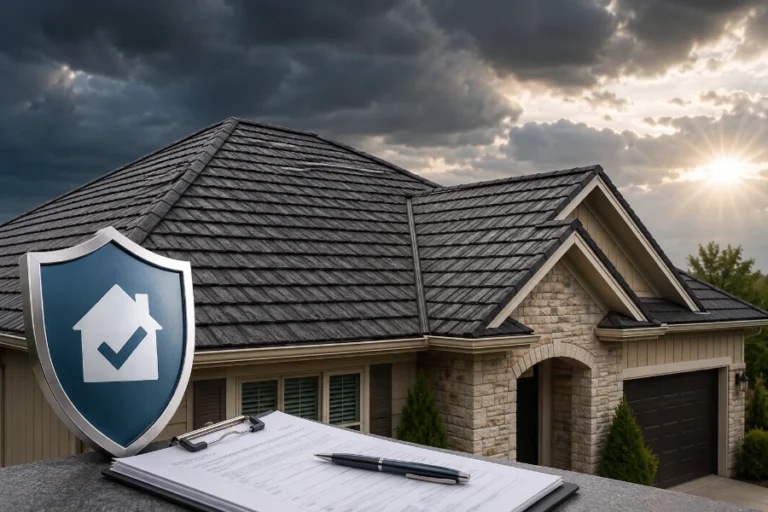
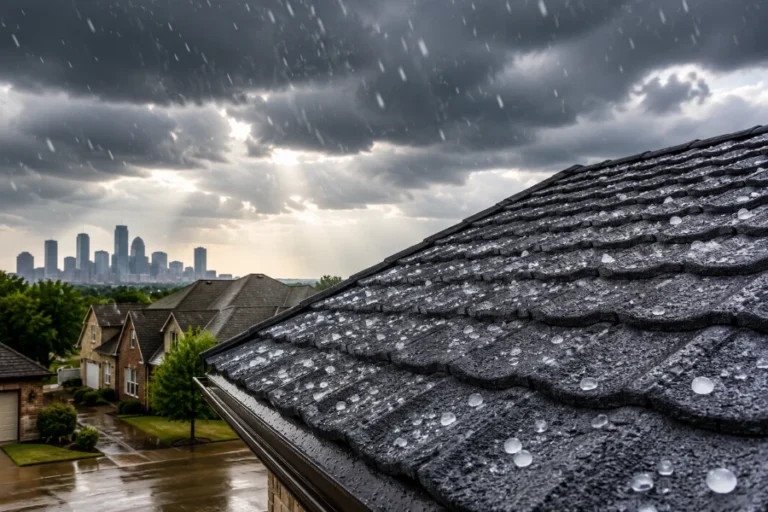
Texas homeowners know one thing for certain—storms rarely arrive quietly. Powerful thunderstorms, damaging winds, and large hail can develop with little warning, leaving neighborhoods filled with cracked shingles, dented gutters, and costly repair bills. That reality makes hail resistant roofing Texas one of the smartest investments a homeowner can make.
Instead of replacing a damaged roof every decade, many homeowners are now choosing roofing systems specifically engineered to withstand severe weather. While no roof is completely indestructible, selecting materials with superior impact resistance dramatically reduces the chances of major storm damage. Better yet, it provides greater peace of mind every time dark clouds begin to roll in.
If you’re planning a new roof or replacing an aging one, understanding which materials truly perform during Texas hailstorms can save thousands of dollars over the life of your home.
Texas Experiences Some of America’s Largest Hailstorms
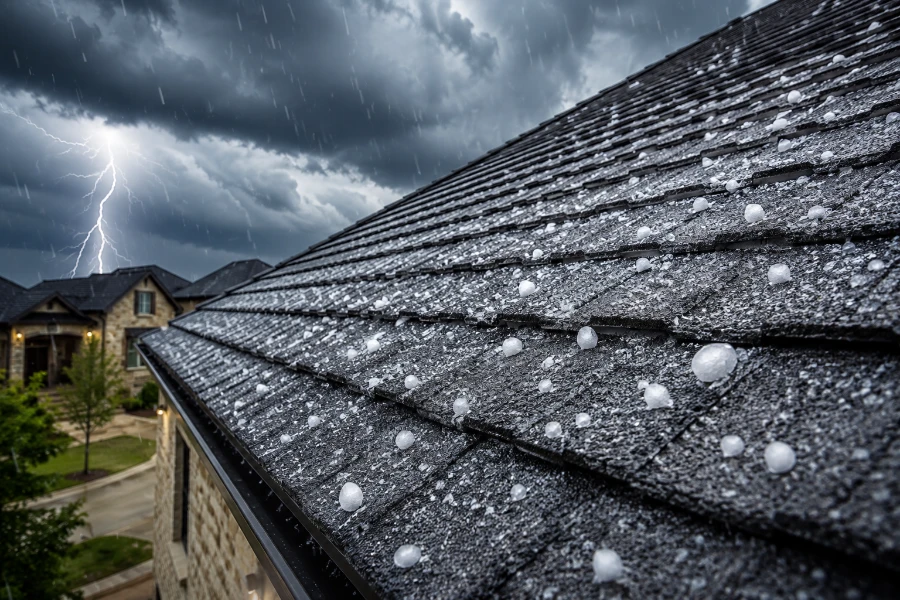
Few states experience severe weather quite like Texas. Spring and early summer often produce intense thunderstorms capable of generating hailstones ranging from pea-sized pellets to baseball-sized chunks of ice.
According to the National Weather Service, Texas consistently ranks among the states experiencing the highest number of severe thunderstorm events each year. That makes roofing durability far more than a cosmetic concern.
Areas frequently affected include:
- Dallas–Fort Worth
- Austin
- San Antonio
- Waco
- Lubbock
- Amarillo
- Midland
- Abilene
- Houston suburbs
- North and Central Texas
For homeowners living in these regions, installing hail resistant roofing Texas isn’t simply preparing for the unexpected—it’s preparing for the inevitable.
How Hail Damages Traditional Roofing Materials
Not every roofing material responds to hail in the same way.
Traditional asphalt shingles often lose protective granules after repeated impacts. Once those granules disappear, sunlight begins breaking down the exposed asphalt, accelerating roof deterioration.
Wood shake roofs may split or crack under direct impacts. Clay tiles offer excellent longevity but can fracture when struck by larger hailstones. Concrete tiles perform better, yet even they can crack during severe storms.
Standard metal roofing provides excellent durability, although visible dents may occur depending on the gauge of steel or aluminum used.
This is exactly why many homeowners now research roofing systems built specifically for hail resistance instead of simply replacing damaged shingles with identical products.
The Hidden Costs of Repeated Roof Repairs
Roof repairs rarely end with replacing a few shingles.
Every storm creates additional expenses that many homeowners overlook.
These may include:
- Insurance deductibles
- Interior ceiling repairs
- Water damage restoration
- Mold remediation
- Damaged insulation
- Higher energy bills
- Emergency tarping services
Suddenly, what appeared to be minor roof damage becomes a much larger financial burden.
Investing in hail resistant roofing Texas often reduces these recurring expenses over decades of ownership.
What Makes a Roof Truly Hail Resistant?
Marketing claims can be misleading.
Many roofing products advertise themselves as “storm resistant” or “impact resistant,” but those descriptions don’t always reflect actual testing standards.
Understanding the science behind impact resistance helps homeowners make informed decisions.
Understanding Impact Resistance Ratings
One of the most important standards in roofing is the UL 2218 Impact Resistance Rating.
Roofing products receive one of four classifications:
| Rating | Impact Resistance |
|---|---|
| Class 1 | Basic protection |
| Class 2 | Moderate protection |
| Class 3 | High protection |
| Class 4 | Highest available impact rating |
Class 4 roofing materials undergo testing using steel balls dropped from predetermined heights to simulate hail impacts.
While laboratory tests cannot perfectly replicate every real-world storm, they provide an excellent benchmark for comparing roofing products.
If maximum hail protection is your priority, Class 4 roofing should be at the top of your list.
How Roof Materials Absorb or Resist Impact
Strength alone doesn’t determine whether a roof survives hail.
Instead, successful roofing systems combine several characteristics:
- Flexible surface materials
- Strong structural cores
- Secure fastening systems
- High-quality coatings
- Proper installation
When hail strikes a roof, the kinetic energy of each ice stone is transferred into the roofing material. The better the roof disperses that force, the less visible damage occurs.
Some materials crack immediately.
Others flex slightly before returning to their original shape.
That difference often determines whether a homeowner files an insurance claim after every storm.
Best Hail Resistant Roofing Materials for Texas
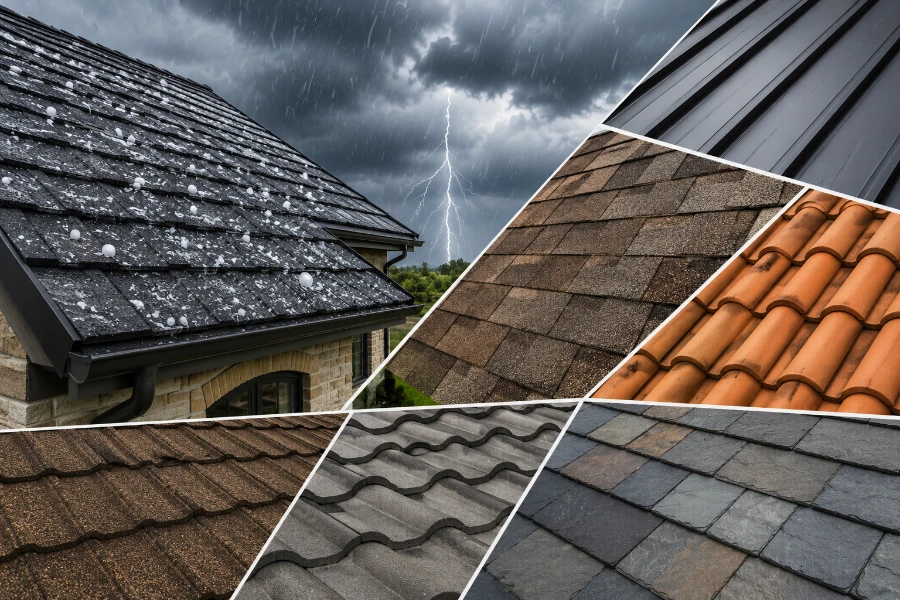
Not every premium roofing system offers the same level of protection.
Here’s how the most popular options compare.
Stone-Coated Steel Roofing
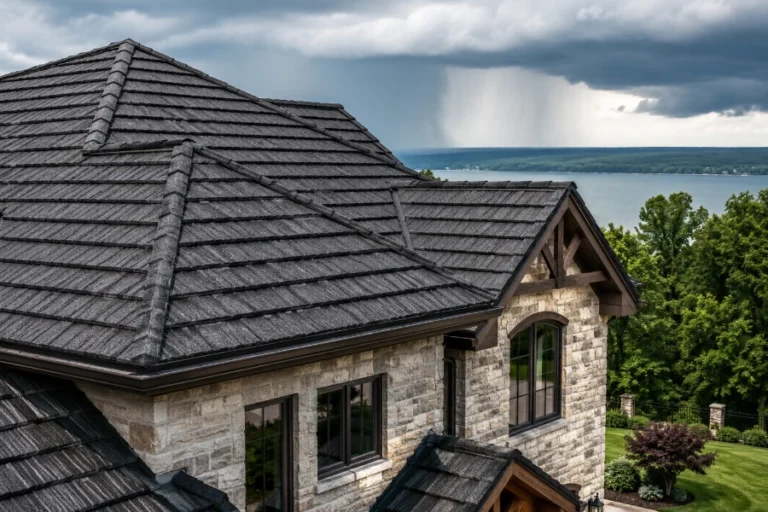
For many homeowners, stone-coated steel represents the ideal balance between beauty and performance.
Instead of relying on brittle materials, these roofs combine heavy-duty steel panels with a durable stone-coated finish designed to absorb and distribute impact forces.
Among all available options, stone-coated metal roofing continues to stand out for homeowners seeking exceptional impact resistance, long-term durability, and an attractive appearance that complements virtually any architectural style.
Benefits include:
- Excellent Class 4 impact ratings
- Lightweight construction
- Exceptional wind resistance
- Fire resistance
- Long lifespan
- Low maintenance
- Attractive architectural styles
Unlike traditional metal roofs, stone-coated panels also minimize the industrial appearance many homeowners wish to avoid.
Standing Seam Metal Roofing
Standing seam metal roofing performs exceptionally well during severe weather.
Its concealed fastener system reduces leak risks while allowing panels to expand and contract naturally.
Advantages include:
- Long lifespan
- Excellent wind performance
- Minimal maintenance
- Modern appearance
However, very large hailstones may still create cosmetic dents depending on panel thickness.
Class 4 Impact-Resistant Asphalt Shingles
Premium asphalt shingles have improved considerably over the past decade.
Many manufacturers now produce polymer-modified shingles designed specifically for hail-prone regions.
Advantages include:
- Lower upfront cost
- Familiar appearance
- Easier repairs
- Wide color selection
Disadvantages include shorter lifespans compared to steel roofing and eventual granule loss after years of weather exposure.
Concrete Tile Roofing
Concrete tile roofs provide impressive durability while delivering a classic architectural appearance.
Advantages include:
- Fire resistance
- Long lifespan
- Strong curb appeal
However, individual tiles may crack when impacted by especially large hailstones, requiring localized repairs.
Synthetic Roofing Products
Composite roofing continues gaining popularity throughout Texas.
These materials imitate slate or wood while providing improved flexibility.
Benefits include:
- Lightweight construction
- Attractive appearance
- Good impact resistance
- Lower maintenance than natural materials
Performance varies significantly by manufacturer, making product selection especially important.
Roofing Material Comparison
| Roofing Material | Hail Resistance | Lifespan | Maintenance | Relative Cost |
| Stone-Coated Steel | Excellent | 50+ years | Low | $$$ |
| Standing Seam Metal | Very Good | 40–70 years | Low | $$$ |
| Class 4 Asphalt Shingles | Good | 20–30 years | Moderate | $$ |
| Concrete Tile | Good | 50+ years | Moderate | $$$ |
| Synthetic Roofing | Good to Very Good | 30–50 years | Low | $$$ |
Choosing the right material ultimately depends on your home’s architecture, budget, local weather risks, and long-term ownership goals. However, for homeowners prioritizing durability above all else, hail resistant roofing Texas solutions built with stone-coated steel consistently rank among the strongest performers.
Why Stone-Coated Steel Roofing Performs So Well During Texas Hailstorms
Not all metal roofs are created equal. While several roofing materials offer some level of impact resistance, stone-coated steel roofing consistently ranks among the best choices for homeowners facing frequent severe weather.
Its performance comes from a combination of engineering, premium materials, and thoughtful design rather than a single feature. That makes it one of the most dependable options for hail resistant roofing Texas homeowners can install.
Steel Core Strength
At the heart of every stone-coated steel roof is a high-strength steel panel. Unlike brittle roofing materials that crack under pressure, steel naturally resists punctures and maintains its structural integrity during heavy impacts.
When hail strikes, the roof distributes the force across the panel instead of concentrating it in one location. As a result, the likelihood of fractures or significant damage is greatly reduced.
This strength also benefits homeowners long after hail season ends. Steel resists warping, shrinking, and splitting, allowing the roof to perform consistently through years of changing weather conditions.
Stone-Coated Surface Helps Disperse Impact Energy
The textured stone coating isn’t just for appearance. It plays an important role in protecting the roof.
The stone granules help absorb and disperse the force of hailstones before the impact reaches the steel beneath. This layered construction reduces visible dents while preserving the roof’s structural performance.
Beyond impact protection, the coating also provides additional benefits:
- Reduces glare from sunlight
- Enhances curb appeal
- Improves resistance to fading
- Adds texture that complements many architectural styles
- Helps protect the steel from long-term weather exposure
The result is a roofing system that looks attractive while delivering exceptional durability.
Interlocking Panel Design
One of the biggest advantages of stone-coated steel roofing is its interlocking installation system.
Instead of relying on individual shingles that can loosen over time, interlocking panels create a tightly connected surface that resists wind uplift and minimizes opportunities for water intrusion.
During severe Texas storms, high winds often accompany hail. A roof that performs well against impact but fails during strong winds still leaves the home vulnerable.
Interlocking panels help address both challenges simultaneously by creating a stronger, more unified roofing system.
Superior Longevity Compared to Asphalt Shingles
Many traditional asphalt roofs require replacement after 20 to 30 years, sometimes sooner in regions experiencing frequent hailstorms.
Stone-coated steel roofing often lasts 50 years or more with minimal maintenance.
That longer lifespan means homeowners may replace one stone-coated steel roof only once while replacing asphalt shingles two or even three times over the same period.
Homeowners comparing roofing systems should also understand the differences between a stone-coated roof vs asphalt shingles, especially when evaluating hail resistance, maintenance requirements, and long-term ownership costs.
Although the initial investment is higher, the reduced repair frequency and extended service life often create greater long-term value.
Can Hail Resistant Roofing Lower Insurance Costs?
A stronger roof doesn’t just protect your home. It may also reduce your long-term ownership expenses.
While every insurance company uses different underwriting guidelines, many recognize the value of impact-resistant roofing materials.
Possible Insurance Premium Discounts
Some insurers offer premium discounts for homes equipped with Class 4 impact-resistant roofing systems.
Potential savings depend on several factors, including:
- Insurance carrier
- Property location
- Roofing material
- Roof age
- Local building codes
Before replacing your roof, ask your insurance provider whether qualifying materials may reduce your premiums.
Fewer Insurance Claims Over Time
Every insurance claim has potential consequences.
Repeated roof damage can lead to:
- Higher deductibles
- Increased premiums
- Claim disputes
- More frequent inspections
Installing hail resistant roofing Texas homeowners can depend on helps reduce the likelihood of filing repeated storm-related claims.
Better Long-Term Home Value
Buyers appreciate homes requiring fewer major repairs.
A premium roofing system can increase buyer confidence by demonstrating that the property has been built or upgraded with long-term durability in mind.
While a new roof alone won’t determine resale value, it often becomes a meaningful selling point in competitive Texas real estate markets.
Signs Your Current Roof Is No Longer Protecting Against Hail
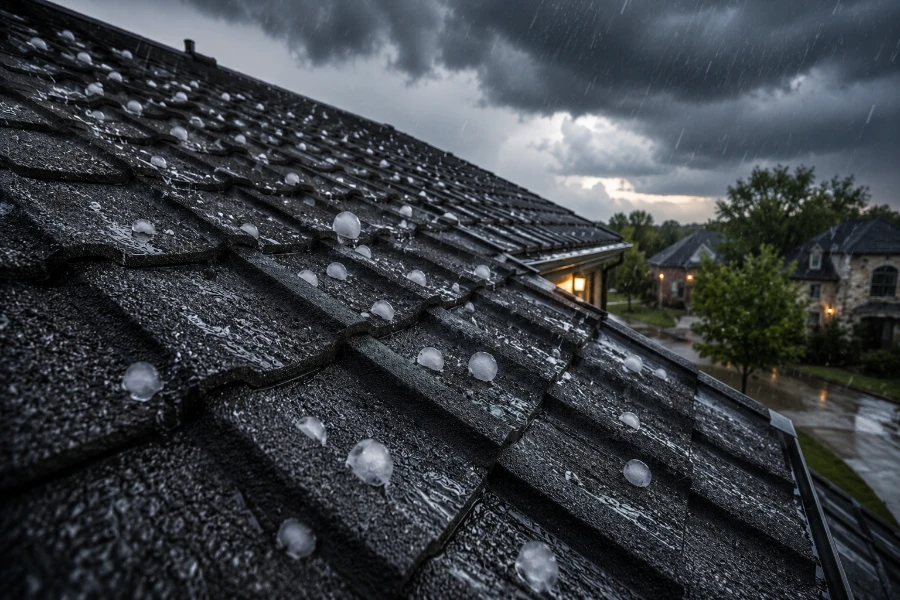
Many homeowners don’t realize their roof has sustained storm damage until leaks begin appearing months later.
Scheduling inspections after major storms helps identify problems before they become expensive repairs.
Watch for these warning signs.
Missing Granules
If you notice excessive roofing granules collecting inside gutters or downspouts, your shingles may have lost an important layer of protection.
Granule loss accelerates weathering and exposes the underlying asphalt to ultraviolet rays.
Cracked or Broken Shingles
Visible cracks often indicate direct hail impacts.
Even small fractures create pathways for moisture to enter the roofing system over time.
Soft Spots
Walking on the roof should never feel uneven or spongy.
Soft areas may indicate moisture infiltration beneath the roofing surface and should be evaluated immediately by a roofing professional.
Water Stains Inside the Home
Discoloration on ceilings or walls often signals that roof damage has already progressed beyond the exterior.
Ignoring these warning signs typically increases repair costs.
Repeated Storm Repairs
If your roof requires repairs after nearly every significant storm, replacing it with a more durable system may be the more economical long-term decision.
How to Choose the Best Hail Resistant Roofing Contractor in Texas
Even the highest-quality roofing materials can underperform if installed incorrectly.
Choosing an experienced contractor is just as important as selecting the roofing system itself.
Verify Licensing and Insurance
Always confirm that the contractor carries appropriate licensing where required, along with general liability and workers’ compensation insurance.
This protects both you and the installation crew.
Ask About Manufacturer Certifications
Many premium roofing manufacturers certify contractors who complete specialized installation training.
Certification often indicates familiarity with manufacturer-approved installation practices.
Review Warranty Coverage
Understand exactly what each warranty covers.
Ask about:
- Material warranties
- Workmanship warranties
- Wind coverage
- Impact coverage
- Transferability
A comprehensive warranty provides additional confidence in your investment.
Request Local Project References
Experienced contractors should gladly provide examples of completed projects within your area.
Speaking with previous customers can offer valuable insight into workmanship, communication, and overall satisfaction.
Understand Installation Methods
Ask questions about ventilation, underlayment, flashing details, fastener systems, and cleanup procedures.
A contractor willing to explain the installation process typically demonstrates professionalism and attention to detail.
Final Thoughts: Protect Your Texas Home Before the Next Storm
Texas weather isn’t becoming more predictable, and homeowners shouldn’t expect their roofs to withstand repeated hailstorms without careful planning.
Investing in hail resistant roofing Texas solutions offers more than stronger storm protection. It can reduce maintenance costs, minimize unexpected repairs, improve resale appeal, and provide confidence every time severe weather enters the forecast.
Among today’s roofing options, stone-coated steel continues to distinguish itself through exceptional impact resistance, impressive longevity, attractive design, and dependable performance under challenging conditions. While every home has unique needs, choosing a roofing system engineered for Texas weather is one of the smartest long-term investments a homeowner can make.
Rather than waiting until the next storm exposes weaknesses in your current roof, schedule a professional inspection now. Evaluating your roofing system before damage occurs gives you more options, better planning opportunities, and greater peace of mind.
A durable roof isn’t simply another home improvement project. It’s protection for your family, your belongings, and your investment for decades to come.
FAQs
What is the best hail resistant roofing material in Texas?Stone-coated steel roofing is widely considered one of the best options due to its excellent impact resistance, durability, and long lifespan.
Is a Class 4 roof worth the investment?Yes. A Class 4 roof offers superior protection against hail damage and may reduce long-term repair costs and insurance claims.
Can hail still damage a stone-coated steel roof?While no roof is completely damage-proof, stone-coated steel roofing is designed to withstand severe hail impacts far better than many traditional roofing materials.
Does hail resistant roofing lower homeowners insurance?Some insurance providers offer discounts for qualifying Class 4 impact-resistant roofs, but savings vary by insurer and location.
How long does hail resistant roofing last?Depending on the material, hail resistant roofing can last anywhere from 30 to over 50 years with proper installation and maintenance.
Is stone-coated steel roofing noisy during rain?No. The stone coating and roof decking help absorb sound, making it comparable in noise level to many other residential roofing materials.
How do I know if my roof has hail damage?Look for cracked shingles, missing granules, dents in metal components, leaks, or water stains inside your home after a storm.
Does hail resistant roofing increase home value?Yes. A durable, impact-resistant roof can improve curb appeal and make your home more attractive to potential buyers.
Should I replace my roof after every hailstorm?Not necessarily. Have a professional inspection to determine whether the damage is cosmetic or severe enough to require replacement.
What should I look for in a Texas roofing contractor?Choose a licensed, insured contractor with experience installing impact-resistant roofing and a strong reputation backed by local references.