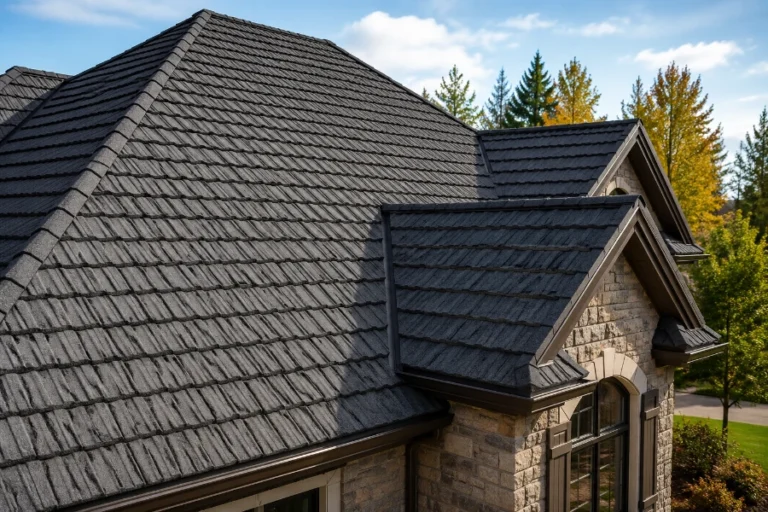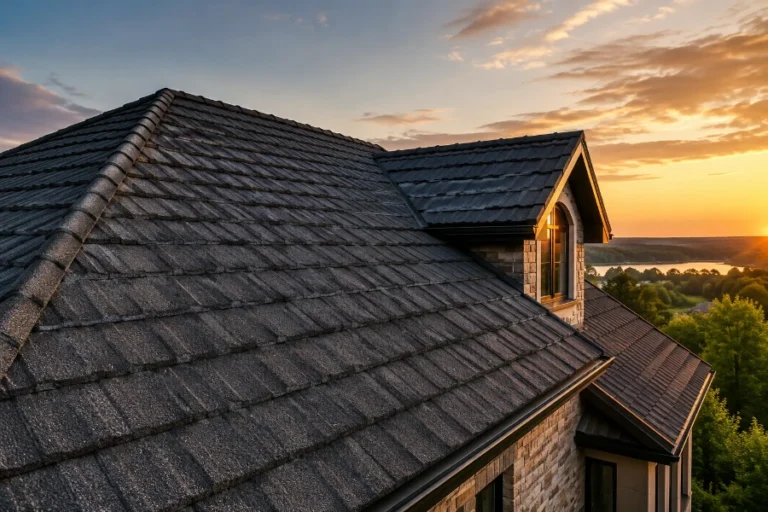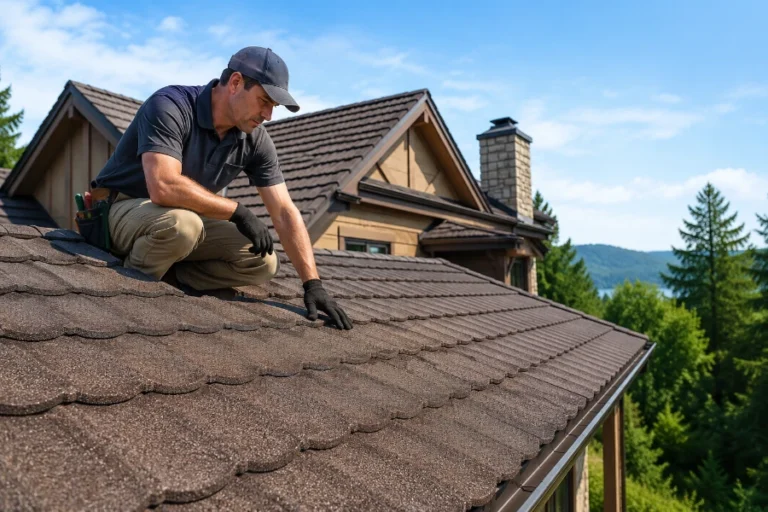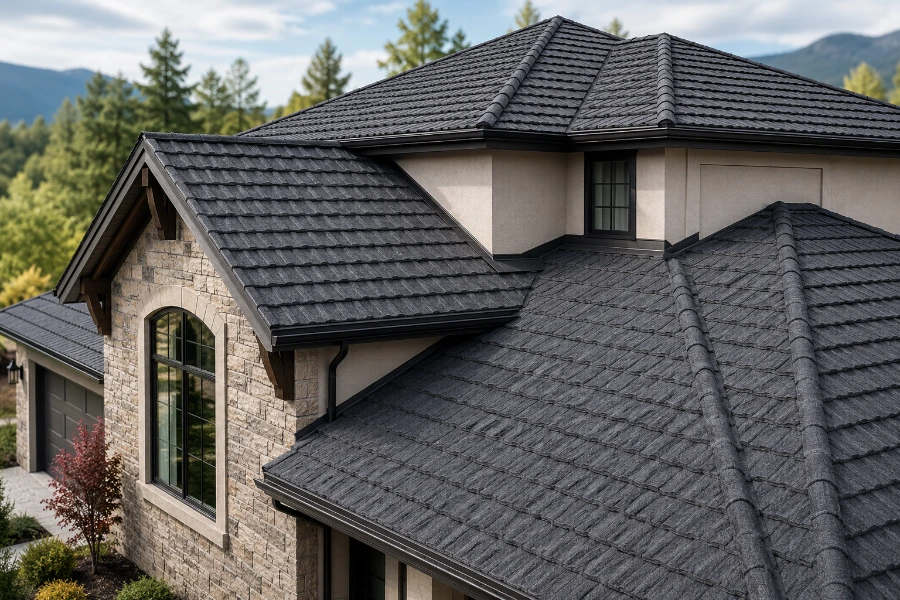
Stone coated steel roofing has quietly become one of the fastest-growing roofing systems in residential construction. And honestly, it is not hard to see why. Homeowners want durability. They want curb appeal. They want something that can survive storms without making the house look like a warehouse. That is exactly where stone coated steel roofing stands out.
Unlike traditional exposed metal roofs, this system combines the strength of steel with the textured appearance of shingles, tile, shake, or slate. The result feels more architectural and less industrial. It looks refined while still delivering serious performance.
For homeowners comparing roofing options, the question is no longer whether metal roofing works. The question is which type offers the best balance of appearance, longevity, weather resistance, and long-term value. In many situations, stone coated steel roofing checks all four boxes.
Let us break it down properly.
What Is Stone Coated Steel Roofing?
Stone coated steel roofing is a metal roofing system made from steel panels coated with protective layers and finished with stone granules. These granules create texture, color, and a more traditional roofing appearance.
At its core, the system typically includes:
- Steel sheet base
- Zinc or aluminum-zinc protective coating
- Acrylic bonding layer
- Stone granules
- Clear protective overglaze
This layered structure matters. Every component has a job.
The steel provides structural strength. The protective metallic coating helps resist corrosion. The stone granules shield the roof from UV exposure while also improving appearance and impact resistance.
That combination creates a roofing product designed to last for decades.
How Stone Coated Steel Roofing Works
One reason stone coated steel roofing performs so well is its interlocking panel system.
Unlike traditional shingles that overlap loosely, many stone coated systems lock tightly together. This improves resistance against:
- High winds
- Wind-driven rain
- Storm uplift
- Debris intrusion
The steel panels themselves are lightweight yet extremely strong. Even though the material is lighter than clay tile or concrete roofing, it can still withstand harsh environmental conditions surprisingly well.
Water management is another major advantage.
The roofing profile channels water downward efficiently while reducing pooling issues. Proper installation also creates strong ventilation pathways, helping roofs stay cooler and drier over time.
That matters more than many homeowners realize.
Moisture buildup destroys roofing systems slowly. Ventilation problems shorten roof life. Stone coated systems are often engineered to help reduce both.
Types of Stone Coated Steel Roofing Styles
One of the biggest reasons homeowners choose stone coated steel roofing is flexibility in appearance. You are not stuck with a single “metal roof” look.
Stone Coated Shingle Style
This profile resembles traditional asphalt shingles but offers far greater durability.
It is one of the most common choices for suburban homes because it blends easily into neighborhoods while still upgrading performance.
Stone Coated Tile Style
Tile-style systems mimic Mediterranean or Spanish clay roofs.
They provide the elegant curved appearance people love without the massive structural weight that real clay tile creates.
Stone Coated Shake Style
Shake-style roofing recreates the texture and dimension of cedar shake roofing.
The difference?
You get the rustic appearance without dealing with rot, insect damage, or constant maintenance.
Stone Coated Slate Style
Slate-inspired profiles imitate natural slate roofing while remaining dramatically lighter and easier to install.
For luxury homes, this option often creates a high-end appearance without the structural reinforcement natural slate typically requires.
Benefits of Stone Coated Steel Roofing
This is where the conversation gets interesting.
Because the benefits are not small.
Long Lifespan
A properly installed stone coated steel roofing system can last 40 to 70 years depending on the manufacturer, climate, and maintenance practices.
Compare that with standard asphalt shingles, which may require replacement in 15 to 30 years.
That difference changes long-term ownership costs dramatically.
Typical Roofing Lifespans
| Roofing Material | Average Lifespan |
|---|---|
| Asphalt Shingles | 15–30 Years |
| Cedar Shake | 20–35 Years |
| Clay Tile | 40–50 Years |
| Stone Coated Steel Roofing | 40–70 Years |
For homeowners planning to stay long term, longevity matters more than upfront price alone.
Strong Weather Resistance
This roofing system was practically designed for difficult weather.
Many stone coated steel roofing products are rated for:
- High wind speeds
- Heavy rainfall
- Hail impact
- Fire exposure
- Snow loads
The interlocking design plays a major role here. Strong attachment systems help reduce blow-offs during severe storms.
And unlike brittle roofing materials, steel panels resist cracking much better during freeze-thaw cycles.
That is huge in storm-prone regions.
Energy Efficiency
Metal roofing reflects solar heat better than many traditional roofing materials. Stone coated steel roofing can help reduce attic heat buildup during hot weather.
This may contribute to:
- Lower cooling demands
- Improved indoor comfort
- Reduced strain on HVAC systems
Some systems also qualify for energy-efficient roofing certifications depending on the coating technology used.
Lightweight Construction
Natural slate and clay tile roofs can place enormous stress on a home’s structure.
Stone coated steel roofing offers a similar visual effect while weighing significantly less.
That lighter weight can:
- Reduce structural stress
- Simplify installation
- Lower transportation costs
- Avoid expensive framing upgrades
For reroofing projects, this becomes especially important.
Low Maintenance Requirements
Homeowners get tired of constant roofing repairs. I see this frustration constantly.
Cracked shingles.
Warping.
Granule loss.
Moss buildup.
Leaks.
Stone coated steel roofing reduces many of those recurring maintenance headaches.
While no roof is truly maintenance-free, these systems generally require fewer repairs than many traditional roofing materials.
Attractive Appearance
This is where stone coated systems separate themselves from standard metal roofing.
The stone granules soften the appearance. The roof feels more dimensional and residential.
Homeowners can choose from:
- Earth tones
- Modern charcoal finishes
- Rustic shake appearances
- Traditional tile aesthetics
- Architectural slate profiles
That design flexibility increases curb appeal considerably.
Potential Drawbacks of Stone Coated Steel Roofing
No roofing material is perfect. It is important to discuss the downsides honestly.
Higher Initial Cost
Stone coated steel roofing usually costs more upfront than asphalt shingles.
The material itself is premium-grade. Installation is also more specialized.
That means homeowners often face higher initial investment costs.
However, long-term ownership costs may balance out because replacement frequency tends to decrease substantially.
Installation Requires Skilled Contractors
Poor installation ruins good roofing systems.
This roofing type requires precision. Flashing details, fastening methods, panel alignment, and ventilation all matter enormously.
Hiring inexperienced installers can create expensive problems later.
That is why homeowners should always verify:
- Manufacturer certifications
- Previous project experience
- Warranty qualifications
- Licensing and insurance
Noise Concerns
People often assume metal roofs are extremely loud during rainstorms.
In reality, properly installed stone coated steel roofing is usually far quieter than most expect.
Underlayment systems, attic insulation, decking materials, and air gaps all help reduce sound transmission.
For most homeowners, interior noise is not a major issue.
Stone Coated Steel Roofing vs Asphalt Shingles
This comparison comes up constantly.
Here is the short version.
Comparison Table
| Feature | Asphalt Shingles | Stone Coated Steel Roofing |
|---|---|---|
| Lifespan | Shorter | Longer |
| Storm Resistance | Moderate | High |
| Weight | Moderate | Lightweight |
| Maintenance | Higher | Lower |
| Appearance Options | Good | Excellent |
| Upfront Cost | Lower | Higher |
Asphalt shingles remain popular largely because of affordability.
But for durability and longevity, stone coated steel roofing often performs better.
Stone Coated Steel Roofing vs Standing Seam Metal Roofing
Standing seam roofs create a sleek, modern appearance with exposed vertical lines.
Stone coated systems feel more traditional and textured.
The choice often depends on architectural style.
Modern homes may favor standing seam roofing. Traditional residential homes frequently lean toward stone coated profiles because they blend naturally into existing neighborhoods.
Stone Coated Steel Roofing vs Clay Tile
Clay tile looks beautiful. There is no denying it.
But it is heavy.
Very heavy.
That weight can require major structural reinforcement. Tile can also crack during impacts or under foot traffic.
Stone coated steel roofing provides a similar visual style while remaining lighter and generally more impact resistant.
Stone Coated Steel Roofing vs Cedar Shake
Cedar shake roofs create warmth and character.
They also create maintenance demands.
Wood roofs can face:
- Rot
- Moisture absorption
- Insect activity
- Fire concerns
- Splitting
Stone coated shake profiles mimic the appearance while reducing many of these vulnerabilities.
Where Stone Coated Steel Roofing Works Best
This roofing system performs especially well in challenging climates.
Excellent Applications Include:
- Hurricane-prone coastal regions
- Hail-heavy storm zones
- Snow-heavy mountain areas
- Wildfire-risk regions
- High-wind environments
It also works well for homeowners who simply want long-term durability with upscale aesthetics.
Installation Process Overview
The installation process varies slightly between manufacturers, but most projects follow a similar sequence.
Typical Installation Steps
- Roof inspection and preparation
- Removal of old roofing materials (if necessary)
- Underlayment installation
- Batten installation where applicable
- Panel layout and fastening
- Flashing installation
- Ridge cap and ventilation finishing
Every stage matters.
Especially flashing.
Improper flashing causes a huge percentage of roofing leaks across all roofing systems.
How Long Does Stone Coated Steel Roofing Last?
This is one of the biggest selling points.
Many manufacturers offer warranties ranging from 30 years to lifetime coverage depending on the product line.
But warranty language matters. Homeowners should always review:
- Transferability terms
- Wind coverage
- Hail limitations
- Finish warranties
- Labor exclusions
A high-quality stone coated steel roofing system can realistically last several decades when properly installed and maintained.
That longevity changes the economics of roofing ownership substantially.
Maintenance Tips for Stone Coated Steel Roofing
Even durable roofs still need occasional care.
Here are the basics homeowners should follow:
Recommended Maintenance
- Inspect the roof annually
- Remove heavy debris buildup
- Clean gutters regularly
- Check flashing around penetrations
- Schedule inspections after major storms
Avoid unnecessary foot traffic whenever possible. While steel roofs are durable, careless walking can still damage roofing components.
Is Stone Coated Steel Roofing Worth It?
For many homeowners, yes.
Especially if they prioritize:
- Long-term durability
- Storm resistance
- Reduced maintenance
- Premium appearance
- Energy efficiency
The higher upfront cost often becomes easier to justify when viewed over a 40- to 70-year ownership timeline.
Some homeowners may also benefit from potential insurance advantages depending on local hail and fire ratings.
And resale value matters too.
Buyers increasingly recognize durable roofing systems as a major property advantage.
Final Thoughts
Stone coated steel roofing sits in an interesting category.
It combines the strength of metal roofing with the appearance flexibility homeowners actually want. That combination makes it one of the most balanced premium roofing systems available today.
- It is durable.
- It is attractive.
- It handles severe weather well.
- And it can last for decades when installed properly.
Of course, no roof is perfect. Installation quality still matters enormously. Choosing experienced contractors and quality materials makes all the difference.
But for homeowners looking beyond short-term roofing solutions, stone coated steel roofing continues to stand out as one of the smartest long-term investments available in modern residential roofing.
FAQs
What is stone coated steel roofing made of?Stone coated steel roofing is made from steel panels coated with protective metallic layers and finished with stone granules for durability and appearance.
How long does stone coated steel roofing last?Most stone coated steel roofing systems can last 40 to 70 years with proper installation and routine maintenance.
Is stone coated steel roofing noisy during rain?Properly installed systems are usually much quieter than people expect because underlayment and attic insulation help reduce sound.
Can stone coated steel roofing rust?High-quality systems are designed with corrosion-resistant coatings that help protect the steel from rust and moisture damage.
Is stone coated steel roofing energy efficient?Yes. Many stone coated steel roofing products reflect solar heat, which may help reduce indoor heat buildup and cooling costs.
Does stone coated steel roofing fade over time?The stone granule finish is designed to resist fading, although slight weathering may occur after many years of exposure.
Can you walk on stone coated steel roofing?Yes, but it should be done carefully and properly to avoid damaging panels or reducing the roof’s lifespan.
Is stone coated steel roofing good for storm-prone areas?Stone coated steel roofing performs very well in high winds, hailstorms, and heavy rain when installed correctly.
How much does stone coated steel roofing cost?Costs vary depending on roof size, profile style, labor, and region, but it generally costs more upfront than asphalt shingles.
Does stone coated steel roofing increase home value?It can improve resale appeal because buyers often value long-lasting, low-maintenance, and weather-resistant roofing systems.