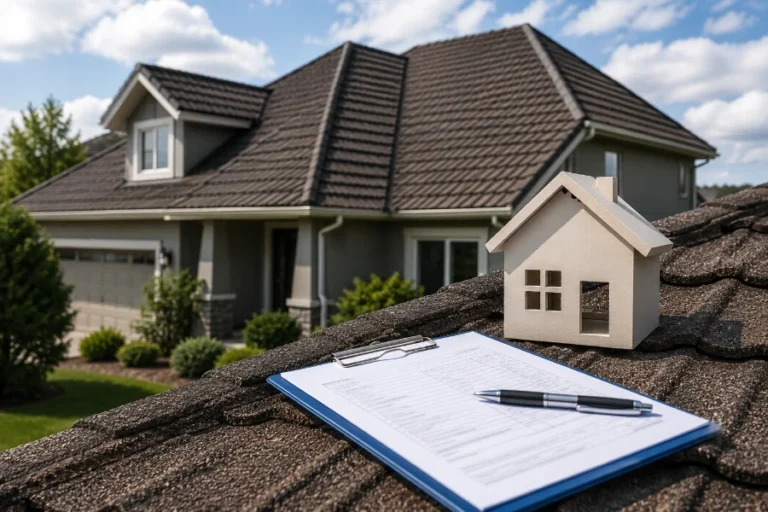
Replacing a roof is one of the biggest investments a homeowner will make, and it’s often tied to an insurance claim after hail, wind, or storm damage. However, not every roofing product performs the same when insurers evaluate risk. That’s why insurance approved roofing systems have become an increasingly important topic for homeowners looking to protect both their property and their finances. Choosing the right roofing system can mean the difference between long-term peace of mind and years of unexpected repairs.
I’ve found that many homeowners assume “insurance approved” refers to an official certification. In reality, insurance companies generally look for roofing systems that have demonstrated strong performance in standardized tests for impact resistance, wind resistance, fire safety, and durability. Understanding what insurers value can help you make a smarter decision before signing a roofing contract. In this guide, we’ll break down what insurance companies look for, compare popular roofing materials, and explain why stone-coated steel roofing continues to stand out for its performance and longevity.
What Are Insurance Approved Roofing Systems?
Understanding the Term
The phrase insurance approved roofing systems doesn’t refer to a single government certification or nationwide approval program. Instead, it describes roofing systems that meet or exceed the performance standards many insurance companies consider when assessing a home’s risk.
Rather than relying on marketing claims, insurers pay close attention to independently tested roofing materials. They evaluate how well a roof can withstand severe weather, resist fire, and maintain its structural integrity over time. Roofing products that consistently perform well during standardized testing often become the preferred choice for insurers because they help reduce future claims.
While every insurance company has its own underwriting guidelines, they typically focus on objective testing results rather than brand names alone.
How Insurance Companies Evaluate Roofs
Insurance providers assess several performance characteristics before determining how a roof affects a property’s overall risk.
Some of the most important factors include:
- Resistance to hail impacts
- Wind uplift performance
- Fire resistance ratings
- Expected lifespan
- Durability under harsh weather conditions
- Historical claim performance
Instead of asking whether a roof simply looks durable, insurers want evidence that it has been tested under demanding conditions.
Why Roofing Material Matters to Insurance Companies
The roof is your home’s first line of defense. Every storm, every hail event, and every strong wind gust puts it to the test.
Because roofing failures often result in expensive water damage claims, insurance companies pay close attention to roofing materials. A roof that withstands severe weather is less likely to require costly repairs after every major storm.
Common causes of roof-related insurance claims include:
- Hail damage
- High winds
- Hurricanes
- Tornadoes
- Falling tree limbs
- Wind-driven rain
- Flying debris
When a roofing system performs better during these events, insurance companies often experience fewer claims. That lower level of risk can sometimes translate into premium discounts or other incentives for homeowners.
This doesn’t guarantee lower insurance costs, but it certainly improves your chances of qualifying for available discounts.
The Main Standards Insurance Companies Look For
Impact Resistance Ratings
One of the first things insurers examine is impact resistance.
Roofing materials are commonly tested using the UL 2218 standard, which classifies products from Class 1 through Class 4. Class 4 represents the highest level of impact resistance and is designed to withstand simulated hail impacts without cracking or failing.
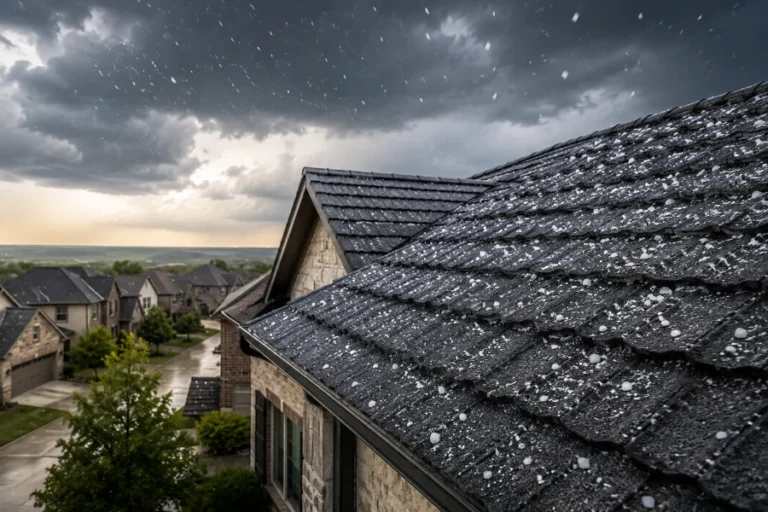
Since hail damage remains one of the most common roofing insurance claims across the United States, many homeowners specifically look for Class 4 impact-resistant roofing, which has been tested to withstand severe impacts and may qualify for insurance discounts depending on the carrier and location.
Although no roofing material is completely hail-proof, higher impact ratings generally indicate greater durability during severe weather.
Wind Resistance Ratings
Wind performance is equally important.
Roofing systems undergo extensive testing to measure how well they resist uplift forces created by strong winds. Depending on the product, some roofing systems are rated to withstand winds exceeding 120 to 180 miles per hour.
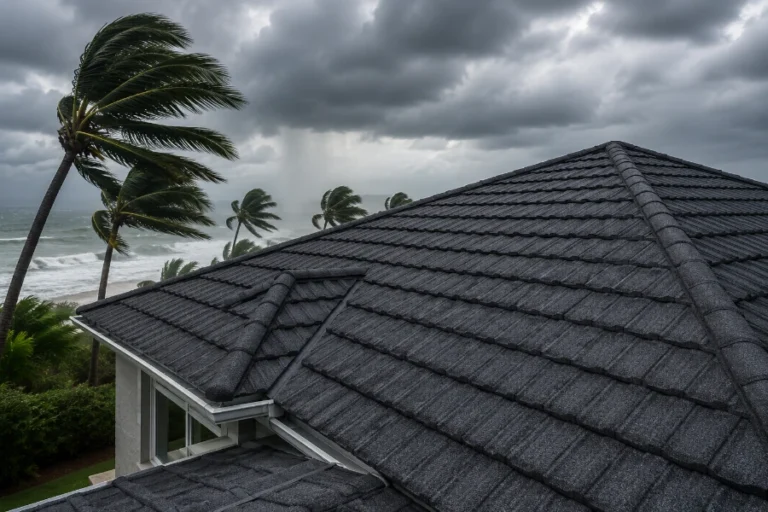
Homes located in hurricane-prone or severe storm regions benefit significantly from proper wind mitigation practices, including selecting roofing systems that have been tested to withstand high wind uplift forces.
For homeowners living in coastal or tornado-prone regions, choosing a roof with excellent wind ratings may provide valuable protection long after installation.
Fire Ratings
Fire resistance also plays an important role.
Roofing materials are typically classified into three categories:
| Fire Rating | Protection Level | Common Use |
|---|---|---|
| Class A | Highest protection | Preferred by many insurers |
| Class B | Moderate protection | Some residential applications |
| Class C | Basic protection | Limited applications |
Class A roofing systems provide the greatest level of fire resistance and are commonly recommended for residential homes.
Building Code Compliance
Insurance companies also expect roofing systems to comply with applicable building codes.
That means homeowners should verify that both the roofing materials and installation methods satisfy local requirements. Third-party laboratory testing and manufacturer certifications provide additional confidence that the roof meets recognized performance standards.
Simply meeting code requirements doesn’t necessarily qualify a homeowner for insurance discounts, but failing to meet them can certainly create problems during a claim.
Types of Insurance Approved Roofing Systems
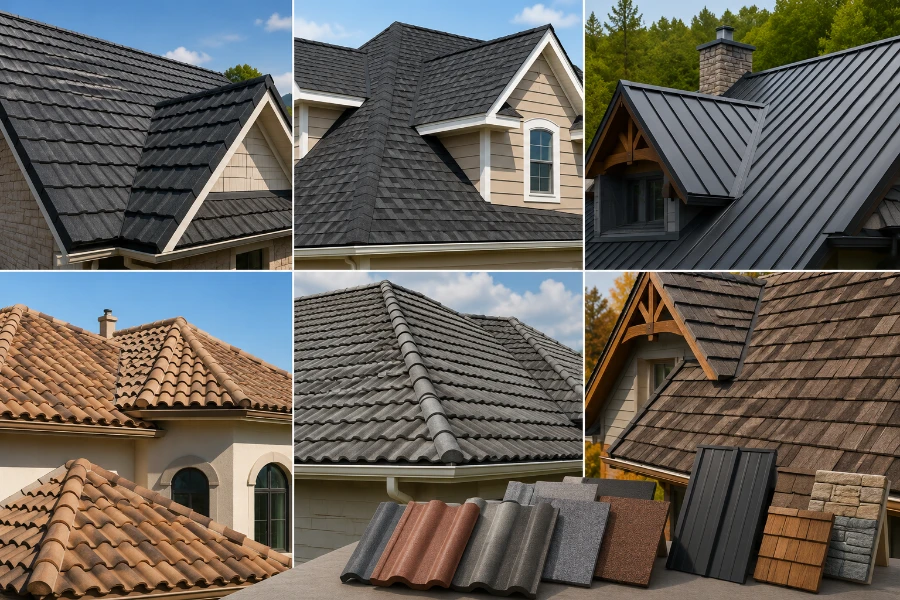
Several roofing materials consistently perform well in insurance evaluations. Each offers different advantages depending on climate, budget, and homeowner priorities.
Stone-Coated Steel Roofing
Stone-coated steel roofing has become one of the strongest performers in areas prone to severe weather.
Its growing popularity comes from a combination of features that insurers appreciate:
- Excellent impact resistance
- High wind performance
- Class A fire ratings on many systems
- Lightweight construction
- Exceptional durability
- Long service life
- Low maintenance requirements
Unlike traditional roofing materials, stone-coated steel combines the strength of steel with the appearance of architectural shingles, shake, or tile. This allows homeowners to improve performance without sacrificing curb appeal.
Architectural Asphalt Shingles
Architectural asphalt shingles remain the most widely installed residential roofing material in North America.
Their advantages include:
- Lower upfront cost
- Wide product availability
- Variety of colors and styles
- Easier installation
Some premium architectural shingles also carry Class 4 impact ratings, making them more attractive to insurance companies than standard three-tab shingles.
However, asphalt generally has a shorter lifespan than premium metal roofing systems and may require replacement sooner in harsh climates.
Metal Roofing
Standing seam and exposed-fastener metal roofs are also well regarded for their performance.
Benefits include:
- Strong wind resistance
- Excellent fire performance
- Long lifespan
- Minimal maintenance
- Energy efficiency through solar heat reflection
Not every metal roof performs identically, however. Material thickness, installation quality, fastening systems, and product testing all influence overall performance.
Concrete Tile Roofing
Concrete tile offers impressive durability and excellent fire resistance.
Many homeowners appreciate its ability to withstand decades of exposure while maintaining its appearance.
Advantages include:
- Long lifespan
- Fire resistance
- Weather durability
- Attractive architectural appearance
Its primary drawback is weight. Some homes require structural reinforcement before concrete tile can be installed.
Clay Tile Roofing
Clay tile has protected homes for centuries.
In warmer climates, it provides exceptional longevity along with excellent resistance to fire and weather.
Benefits include:
- Extremely long lifespan
- Distinctive appearance
- Fire resistance
- Low maintenance
Like concrete tile, clay tile is considerably heavier than many other roofing materials and requires an appropriate structural design.
Synthetic Roofing Materials
Advances in manufacturing have introduced synthetic alternatives that mimic natural slate or wood shake while improving durability.
These engineered products often provide:
- Reduced weight
- Improved impact resistance
- Enhanced weather performance
- Lower maintenance requirements
- Attractive appearance
Depending on the specific product, many synthetic roofing systems meet the performance standards insurers prefer. Homeowners should always review manufacturer testing documentation before making a final decision.
Why Stone-Coated Steel Roofing Often Meets Insurance Expectations
Stone-coated steel roofing has earned a strong reputation among homeowners, contractors, and insurers because it combines durability with outstanding weather performance. While no roofing material can eliminate every risk, many stone-coated steel systems are engineered to withstand conditions that commonly lead to insurance claims.
Designed for Severe Weather
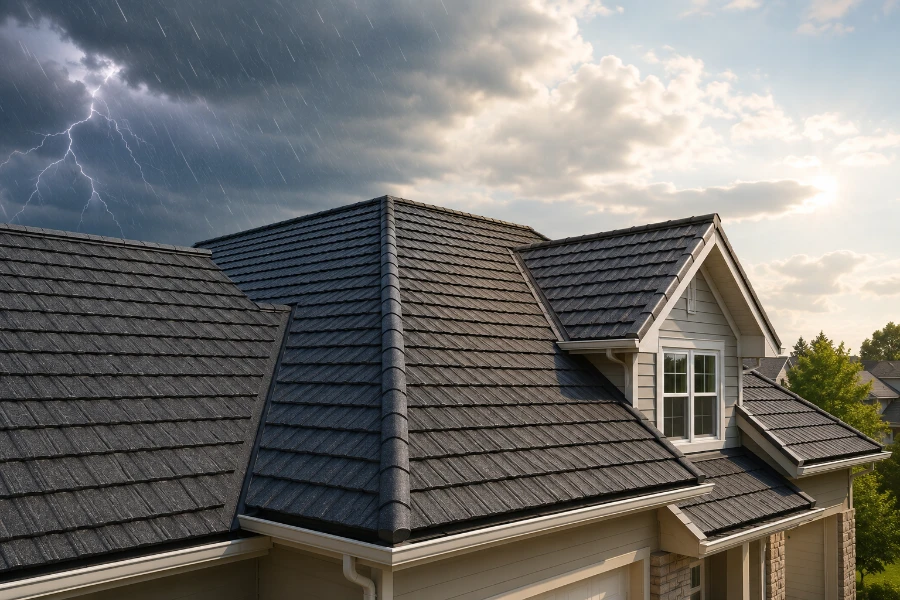
Storms rarely cause just one type of damage. A roof may face hail, wind, heavy rain, and flying debris during the same event. Stone-coated steel roofing is designed with these conditions in mind, making it a dependable choice in regions that regularly experience severe weather.
Unlike some roofing materials that become brittle with age, steel maintains its structural strength for decades when properly manufactured and installed.
Excellent Impact Resistance
Hail damage is one of the leading reasons homeowners file roof insurance claims. Many stone-coated steel products are available with high impact-resistance ratings, helping reduce the likelihood of punctures, cracks, or broken roofing components after a storm.
While no roof is completely immune to damage, selecting insurance approved roofing systems that have been independently tested for impact resistance can provide added confidence when severe weather strikes.
Superior Wind Performance
High winds can lift shingles, loosen fasteners, and expose a home’s interior to water damage.
Many stone-coated steel roofing systems are tested to withstand exceptionally strong winds, making them particularly suitable for coastal regions and areas prone to hurricanes or tornadoes. A securely installed roofing system not only protects the home but can also reduce the likelihood of costly insurance claims after major storms.
Fire Safety Advantages
Fire resistance is another area where stone-coated steel roofing performs exceptionally well. Many systems achieve a Class A fire rating, the highest level available for residential roofing materials.
This added layer of protection may be especially valuable for homes located near wooded areas or regions with an elevated wildfire risk.
Long-Term Durability
One of the biggest advantages of stone-coated steel is its longevity.
Many systems are designed to last several decades with minimal maintenance, making them an attractive long-term investment. If you’re comparing roofing materials, learning more about the stone-coated steel roof lifespan can help you understand why many homeowners choose this roofing system for both performance and long-term value.
Many stone-coated steel roofing panels are manufactured using advanced galvanization processes that help protect the underlying steel from corrosion, extending the roof’s lifespan even in harsh climates.
Lower Lifetime Maintenance Costs
Although stone-coated steel roofing often costs more upfront than traditional asphalt shingles, many homeowners find that reduced maintenance and a longer service life help offset the initial investment.
Fewer repairs, fewer replacements, and greater resistance to severe weather can make ownership costs more predictable over time.
Can an Insurance Approved Roof Lower Your Premium?
Many homeowners ask whether installing insurance approved roofing systems automatically lowers insurance premiums.
The answer is: sometimes.
Insurance companies determine premiums using multiple factors, including:
- Geographic location
- Local weather risks
- Home age
- Previous claims history
- Roof age
- Roofing material
- Policy coverage limits
A high-performance roofing system is only one piece of that equation.
When Discounts May Apply
Some insurers offer discounts for roofing systems that demonstrate superior performance.
Examples may include:
- Class 4 impact-resistant roofing
- Roofs installed under certified wind mitigation programs
- Certain metal roofing systems
- Roofing materials with documented third-party testing
Discount availability varies significantly between insurance carriers and states, so homeowners should verify eligibility before replacing their roof.
Questions to Ask Your Insurance Company
Before choosing a roofing material, consider asking your insurance representative:
- Does my policy offer roofing discounts?
- Which roofing systems qualify?
- Is Class 4 impact resistance required?
- Will documentation from the manufacturer be needed?
- Does installation by a certified contractor affect eligibility?
These questions can help you maximize the value of your roofing investment.
Documentation Your Insurance Company May Request
Proper documentation can make the insurance process much smoother.
Keep copies of:
- Manufacturer product specifications
- Roofing invoices
- Installation records
- Contractor licensing information
- Warranty documentation
- Inspection reports
- Product testing certifications
Having these records readily available simplifies future insurance claims and may help support premium discount requests.
Questions to Ask Before Choosing a Roofing System
Before signing a roofing contract, take time to evaluate more than just price.
Here are several questions worth asking:
Is the Roof Tested for Impact Resistance?
Look for independent testing rather than marketing language.
What Wind Rating Does It Carry?
Ask for documented wind performance ratings that match your area’s weather risks.
Is It Class A Fire Rated?
Fire resistance remains an important consideration in many regions.
What Warranty Is Included?
Compare both manufacturer warranties and workmanship warranties offered by the contractor.
Has It Been Installed Correctly?
Even the highest-performing roofing material can fail if installation doesn’t follow manufacturer specifications.
Common Misconceptions About Insurance Approved Roofing Systems
Misunderstandings about roofing and insurance are surprisingly common.
Myth: Every Metal Roof Is Automatically Approved
Not all metal roofing systems are created equal.
Performance depends on material thickness, coatings, fastening methods, testing, and installation quality.
Myth: Insurance Pays for Roof Upgrades
Insurance policies generally cover repairs or replacement for covered damage. They don’t automatically pay for premium upgrades unless the homeowner chooses to pay the difference.
Myth: A More Expensive Roof Always Means Lower Premiums
Higher price doesn’t guarantee insurance savings.
Insurance companies evaluate tested performance, not simply product cost.
Myth: Building Code Compliance Guarantees Discounts
Meeting local building codes is essential, but code compliance alone doesn’t necessarily qualify a roof for premium reductions.
Choosing the Right Roofing Contractor
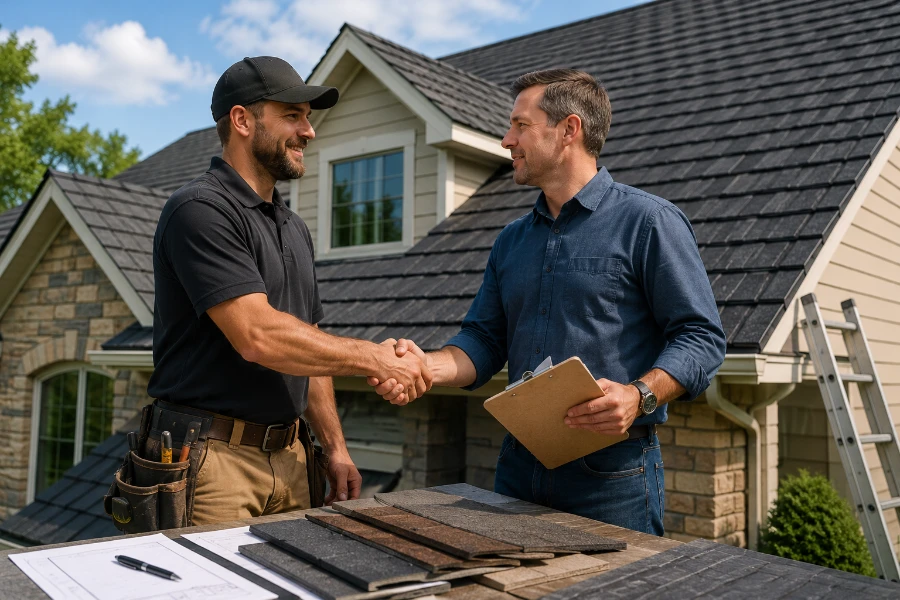
Selecting the right roofing contractor is just as important as choosing the roofing material itself.
Look for contractors who:
- Have experience working with insurance claims
- Follow manufacturer installation guidelines
- Carry proper licensing and insurance
- Provide detailed written estimates
- Offer workmanship warranties
- Supply product documentation after installation
An experienced contractor can also help explain which insurance approved roofing systems may best fit your home’s location and weather conditions.
Insurance Approved Roofing Systems vs. Standard Roofing Systems
| Feature | Insurance Approved Roofing Systems | Standard Roofing Systems |
|---|---|---|
| Impact resistance | Often independently tested to higher standards | Varies by product |
| Wind performance | Typically higher ratings | Standard ratings |
| Fire resistance | Frequently Class A | Depends on material |
| Expected lifespan | Often 40–70 years or more | Generally shorter |
| Maintenance | Lower over time | May require more frequent repairs |
| Potential insurance discounts | Possible with qualifying products | Less common |
While every homeowner’s priorities are different, comparing roofing systems side by side helps clarify which option offers the best long-term value.
Final Thoughts
Choosing a roof isn’t just about appearance—it’s about protecting one of your largest investments. The best insurance approved roofing systems combine proven impact resistance, strong wind performance, excellent fire protection, and long-term durability. Those qualities not only help safeguard your home but may also reduce the likelihood of future insurance claims.
If you’re planning a roof replacement, don’t focus solely on the upfront price. Review independent testing, compare warranties, ask your insurance company about available discounts, and work with a qualified roofing contractor who understands local building codes and manufacturer installation requirements.
For many homeowners, stone-coated steel roofing checks all the right boxes. Its ability to withstand severe weather, resist fire, and deliver decades of reliable performance makes it one of the strongest contenders for anyone seeking a roofing system built for long-term protection. By taking the time to evaluate your options carefully, you’ll be better positioned to choose a roof that provides lasting value, enhances your home’s resilience, and gives you greater confidence every time storm clouds appear.
FAQs
What are insurance approved roofing systems?They are roofing systems that meet performance standards many insurers value for durability and weather resistance.
Can these roofing systems lower insurance premiums?Possibly. Some insurers offer discounts for qualifying impact-resistant or wind-rated roofs.
Which roofing material do insurers often prefer?Many insurers favor roofing systems with proven impact, wind, and fire resistance.
Is stone-coated steel roofing insurance friendly?Yes. Many systems offer excellent durability and may qualify for insurance discounts.
What is a Class 4 impact-resistant roof?It has the highest impact resistance rating for better protection against hail.
Will insurance pay for a premium roof upgrade?Usually not. Homeowners typically pay the difference for upgraded materials.
What documents should I keep after roof installation?Save your contract, invoices, warranties, and product certifications.
Are all metal roofs insurance approved?No. Performance depends on testing, ratings, and proper installation.
How long do insurance approved roofing systems last?Many premium systems can last 40–70 years or longer with proper maintenance.
How do I choose the right roofing system?Compare performance ratings, warranties, local weather needs, and your insurer’s requirements.