Replacing the roof on an entire neighborhood isn’t a simple maintenance task—it’s one of the biggest investments an association will ever make. HOA roofing replacement affects budgets, property values, resident satisfaction, and long-term maintenance costs. When handled correctly, it protects every home while reducing future repair expenses. When handled poorly, it can create years of financial and structural problems.
Whether you’re an HOA board member, community manager, or property owner trying to understand the process, planning ahead makes all the difference. In this guide, we’ll walk through every stage of HOA roofing replacement, from determining responsibility to selecting materials that deliver lasting value.
What Is HOA Roofing Replacement?
HOA roofing replacement refers to replacing roofing systems on properties maintained by a homeowners association rather than by individual homeowners. The responsibility depends on the governing documents, but many communities place roof maintenance under the HOA.
Common properties include:
- Townhome communities
- Condominium complexes
- Duplex developments
- Planned residential neighborhoods
- Mixed-use communities
Unlike replacing a single residential roof, HOA projects often involve dozens—or even hundreds—of roofs that must match in appearance while staying within budget.
This scale requires careful scheduling, resident communication, and professional project management.
Who Is Responsible for Roof Replacement?
One of the first questions communities ask is simple:
Who pays for the roof?
The answer depends on the HOA’s governing documents, including the Declaration of Covenants, Conditions, and Restrictions (CC&Rs).
Generally speaking:
| Responsibility | HOA | Homeowner |
|---|---|---|
| Common-area roofs | ✓ | |
| Shared roofing systems | ✓ | |
| Detached single-family roofs | Sometimes | Sometimes |
| Interior repairs | ✓ | |
| Personal belongings | ✓ |
Every association is different.
Some HOAs maintain every roof in the community. Others require homeowners to replace their own roofs while following architectural guidelines.
Before beginning any HOA roofing replacement project, review governing documents carefully and consult legal counsel if responsibilities are unclear.
Signs It’s Time to Replace an HOA Roof
Many associations delay replacement because repairs seem less expensive. Unfortunately, repeated patchwork often costs more over time.
Watch for these warning signs.
Roof Age
Every roofing material has an expected lifespan.
Approximate service lives include:
| Roofing Material | Average Lifespan |
|---|---|
| Asphalt shingles | 20–30 years |
| Architectural shingles | 30–40 years |
| Stone-coated steel | 40–70 years |
| Metal roofing | 40–70 years |
| Concrete tile | 50+ years |
If multiple buildings are approaching the end of their expected lifespan, planning should begin well before failures occur.
Frequent Repairs
Small repairs are normal.
However, repeated leaks throughout the community usually indicate the roof system has reached the point where replacement becomes more economical.
Recurring repair costs also consume maintenance budgets that could be invested in a new roofing system.
Storm Damage
Large HOA communities are especially vulnerable to:
- Hail
- High winds
- Falling branches
- Heavy rain
- Wind-driven debris
After severe weather, schedule a professional inspection even if damage isn’t immediately visible.
Rising Energy Costs
Older roofs often lose insulating performance.
Replacing outdated roofing systems may improve ventilation and energy efficiency throughout the community.
Safety Concerns
Loose materials, deteriorated decking, and water intrusion create safety risks.
Ignoring these problems increases liability for the association. Older roofing systems may also fall behind modern building codes, making periodic evaluations important for maintaining community safety and improving resilience against future storms.
Best Roofing Materials for HOA Communities
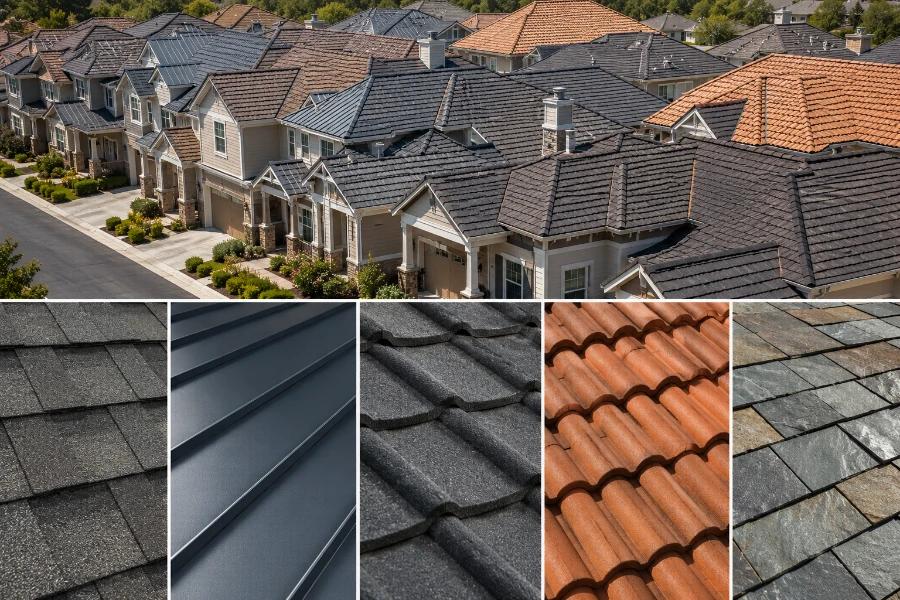
Material selection affects maintenance costs for decades.
Rather than focusing only on upfront pricing, consider lifetime value.
Stone-Coated Steel Roofing
Stone-coated steel has become one of the most attractive options for HOA roofing replacement because it combines durability with curb appeal.
Advantages include:
- Exceptional impact resistance
- Long service life
- Wind resistance
- Fire resistance
- Low maintenance
- Multiple architectural styles
Much of the long-term performance of stone-coated steel roofing comes from the galvanization process, which helps protect the steel core against corrosion before the stone coating is applied.
Communities located in hail-prone regions should also consider Class 4 stone coated roofing, which is specifically designed to provide superior impact resistance and long-term durability.
For communities looking to reduce future replacement cycles, stone-coated steel often delivers outstanding long-term value.
Asphalt Shingles
Asphalt shingles remain popular because of their affordability.
Benefits include:
- Lower installation cost
- Wide color selection
- Easy repairs
- Familiar appearance
However, they typically require replacement sooner than premium materials.
Standing Seam Metal Roofing
Metal roofing performs exceptionally well in severe weather.
Advantages include:
- Long lifespan
- Excellent wind performance
- Minimal maintenance
- High recyclability
Some communities choose metal roofing for clubhouses or amenity buildings while using other materials for residences.
Tile Roofing
Concrete and clay tile offer timeless appearance and impressive longevity.
They’re particularly common in warmer climates.
However, structural requirements and installation costs are typically higher.
Synthetic Roofing
Modern synthetic products replicate slate, cedar, or tile while weighing much less.
These products may suit communities seeking premium aesthetics without excessive structural modifications.
How the HOA Roofing Replacement Process Works
Successful projects follow a structured process.
Skipping steps often leads to budget overruns and resident frustration.
Step 1: Professional Roof Inspection
Every project should begin with an independent inspection.
The evaluation typically includes:
- Roof condition
- Moisture intrusion
- Flashing
- Ventilation
- Structural concerns
- Remaining service life
The resulting report helps boards make informed decisions.
Step 2: Budget Planning
Roof replacement represents a major capital expense.
Funding may come from:
- Reserve funds
- Special assessments
- Loans
- Insurance proceeds
Associations should compare several funding options before making decisions.
Step 3: Contractor Selection
Never rely on one estimate.
Instead:
- Request multiple bids
- Verify licenses
- Confirm insurance coverage
- Review references
- Compare warranties
- Evaluate HOA experience
The cheapest proposal isn’t always the most cost-effective.
Step 4: Resident Communication
Communication reduces complaints.
Provide residents with:
- Project timelines
- Parking restrictions
- Safety instructions
- Expected noise levels
- Contact information
- Weekly progress updates
People become much more cooperative when they know what to expect.
Step 5: Construction
Once planning is complete, the contractor begins removing the old roofing materials and preparing the roof deck for installation. Throughout this stage, quality control is essential. Regular inspections help identify any hidden structural issues before they become costly surprises.
The installation process generally includes:
- Removing existing roofing materials
- Inspecting and repairing damaged decking
- Installing waterproof underlayment
- Installing the new roofing system
- Replacing flashing and ventilation components
- Cleaning the site daily
For large communities, work is usually completed one building or section at a time to minimize disruptions for residents.
Step 6: Final Walkthrough
Before the HOA approves final payment, the board or property manager should complete a thorough inspection with the contractor.
The walkthrough should verify:
- Proper installation
- Flashing quality
- Ventilation performance
- Gutter condition
- Complete cleanup
- Landscaping protection
- Warranty documentation
A detailed final inspection ensures the project meets both manufacturer specifications and community expectations.
HOA Roof Replacement Costs
Every community has different roofing needs, so project costs vary significantly.
Several factors influence the final investment.
| Cost Factor | Impact |
|---|---|
| Community size | High |
| Roof complexity | High |
| Roofing material | High |
| Labor costs | Moderate to High |
| Structural repairs | High |
| Accessibility | Moderate |
| Permit requirements | Moderate |
Although premium roofing systems require a larger upfront investment, they often reduce maintenance expenses and replacement frequency over the long term.
Rather than comparing installation prices alone, HOA boards should evaluate the total lifecycle cost of each roofing option.
Insurance and Storm Damage Claims
Insurance may help cover HOA roofing replacement when roofs are damaged by covered events such as hailstorms, strong winds, or fallen trees.
A successful claim typically requires:
- Professional roof inspections
- Storm documentation
- Photographs of damage
- Contractor estimates
- Maintenance records
- Policy review
The sooner damage is documented, the smoother the claims process tends to be.
Many roofing contractors experienced with HOA projects can also assist associations by providing detailed inspection reports that support insurance claims.
How to Minimize Disruptions During the Project
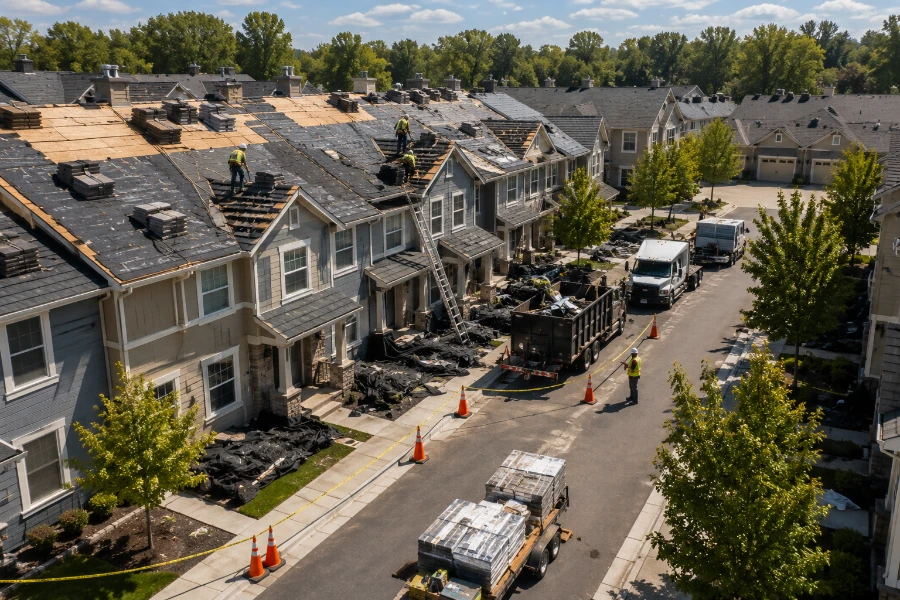
Roof replacement affects every resident in the community.
Fortunately, careful planning keeps inconveniences to a minimum.
Helpful practices include:
- Notify residents several weeks before construction begins.
- Schedule work building by building.
- Create temporary parking plans.
- Protect landscaping before material deliveries.
- Clearly mark pedestrian pathways.
- Remove roofing debris throughout the day.
- Keep residents informed through regular updates.
Simple communication often prevents unnecessary complaints and helps residents cooperate during construction.
Why Stone-Coated Steel Roofing Is an Excellent Choice for HOAs
Many communities are moving toward stone-coated steel because it offers a balance of durability, appearance, and long-term value.
Long Service Life
Stone-coated steel roofs can last decades longer than many traditional roofing systems.
Fewer replacement cycles mean lower long-term capital expenses for the association.
Reduced Maintenance
Durable roofing materials naturally require fewer repairs after storms.
As a result, maintenance budgets can often be redirected toward other community improvements.
Superior Weather Resistance
Stone-coated steel performs exceptionally well against:
- High winds
- Hail
- Heavy rainfall
- Fire exposure
- Temperature fluctuations
This level of durability makes it especially attractive for communities located in areas prone to severe weather.
Attractive Community Appearance
Consistency matters.
Stone-coated steel roofing is available in styles that resemble:
- Traditional shingles
- Cedar shake
- Slate
- Clay tile
Communities can maintain a uniform architectural appearance without sacrificing performance.
Better Long-Term Value
While the initial installation cost may be higher than standard asphalt shingles, lower maintenance expenses and extended lifespan often produce greater value over time.
This long-term perspective is one reason many boards choose stone-coated steel during HOA roofing replacement projects.
Choosing the Right Roofing Contractor
The success of a roofing project depends heavily on selecting the right contractor.
Look for companies that offer:
- Extensive HOA experience
- Manufacturer certifications
- Proper licensing
- General liability insurance
- Workers’ compensation coverage
- Strong local references
- Detailed written proposals
- Comprehensive warranties
Ask to see completed HOA projects whenever possible.
Speaking with other property managers provides valuable insight into communication, scheduling, workmanship, and post-project support.
Preventive Maintenance After Roof Replacement
Replacing the roof is only the beginning.
Routine maintenance helps maximize the roof’s lifespan and protects the HOA’s investment.
Annual Roof Inspections
Schedule professional inspections every year to identify small concerns before they become major repairs.
Establishing a proactive stone coated roof maintenance plan helps preserve manufacturer warranties, extend roof life, and reduce the likelihood of expensive repairs over time.
Clean Gutters Regularly
Blocked gutters can cause water to back up beneath roofing materials.
Routine cleaning helps prevent moisture damage.
Inspect After Severe Weather
Following hailstorms or high winds, arrange for prompt inspections.
Early documentation can simplify insurance claims and reduce repair costs.
Trim Nearby Trees
Overhanging branches can scrape roofing materials and drop debris into gutters.
Routine tree maintenance protects the roofing system year-round.
Maintain Warranty Requirements
Many roofing manufacturers require documented maintenance.
Keep inspection reports, repair invoices, and maintenance records organized throughout the roof’s service life.
Common HOA Roofing Replacement Mistakes to Avoid
Even experienced HOA boards can make costly decisions.
Avoid these common mistakes.
Waiting Too Long
Delaying replacement often leads to more leaks, structural deterioration, and higher repair expenses.
Replacing the roof at the appropriate time usually saves money in the long run.
Choosing Only the Lowest Bid
Price is important, but quality should remain the priority.
Extremely low bids may exclude critical work or rely on lower-quality materials.
Poor Communication
Residents appreciate transparency.
Providing frequent updates minimizes confusion and improves cooperation throughout construction.
Ignoring Reserve Planning
Communities without sufficient reserve funds often face unexpected special assessments.
Long-term financial planning makes future HOA roofing replacement projects much easier to manage.
Overlooking Warranty Details
Before signing a contract, carefully review:
- Manufacturer warranty coverage
- Workmanship warranty
- Transferability
- Maintenance requirements
- Coverage exclusions
Understanding these details helps protect the community’s investment for years to come.
Final Thoughts
A successful HOA roofing replacement project is about far more than installing a new roof. It requires thoughtful planning, realistic budgeting, clear communication with residents, and selecting roofing materials built to perform for decades. Associations that invest in professional inspections, experienced contractors, and durable systems like stone-coated steel are often rewarded with lower maintenance costs, stronger weather protection, and improved property values. By taking a proactive approach today, HOA boards can confidently protect their communities while making smart financial decisions that benefit homeowners well into the future.
FAQs
What is HOA roofing replacement?HOA roofing replacement is the process of replacing roofs that are maintained by a homeowners association, typically on shared or common-property buildings.
How often should an HOA replace its roofs?The timing depends on the roofing material, maintenance history, and weather exposure, but most systems need replacement after 20 to 70 years.
Does HOA insurance cover roof replacement?Insurance may cover roof replacement if the damage is caused by a covered event, such as hail, wind, or fire, subject to the policy terms and deductible.
Who pays for HOA roof replacement?Payment usually comes from the HOA through reserve funds, special assessments, loans, or insurance proceeds, depending on the community’s governing documents.
What is the best roofing material for HOA communities?Stone-coated steel is a popular choice because it offers exceptional durability, weather resistance, and a long service life with minimal maintenance.
How long does an HOA roofing replacement project take?The timeline varies based on the size of the community, but most projects take several weeks to a few months to complete.
How can residents prepare for roof replacement?Residents should follow HOA notices, move vehicles if requested, secure outdoor items, and expect temporary noise and limited access during construction.
Why is regular roof maintenance important after replacement?Routine inspections and maintenance help extend the roof’s lifespan, preserve warranties, and catch minor issues before they become expensive repairs.
How should an HOA choose a roofing contractor?Look for a licensed and insured contractor with HOA experience, strong references, manufacturer certifications, and clear warranties.
Can an HOA replace only part of the community’s roofs?Yes. Many associations phase roof replacements over several years based on roof condition, available funding, and reserve planning.