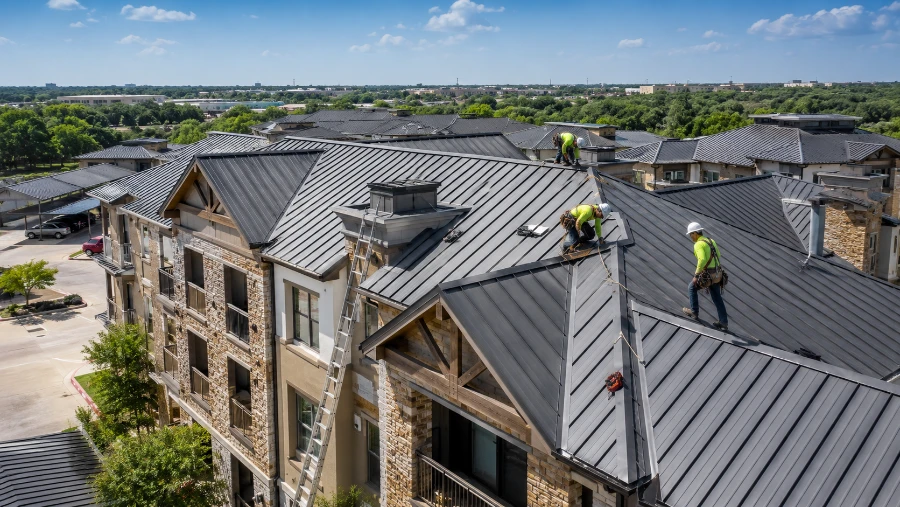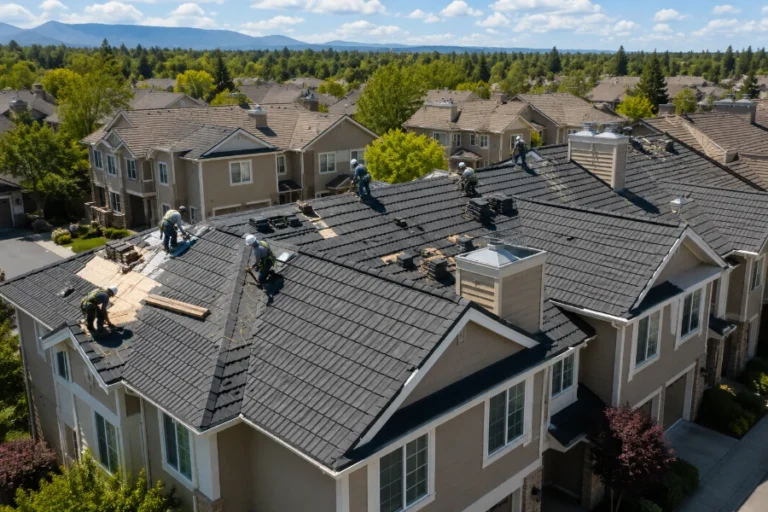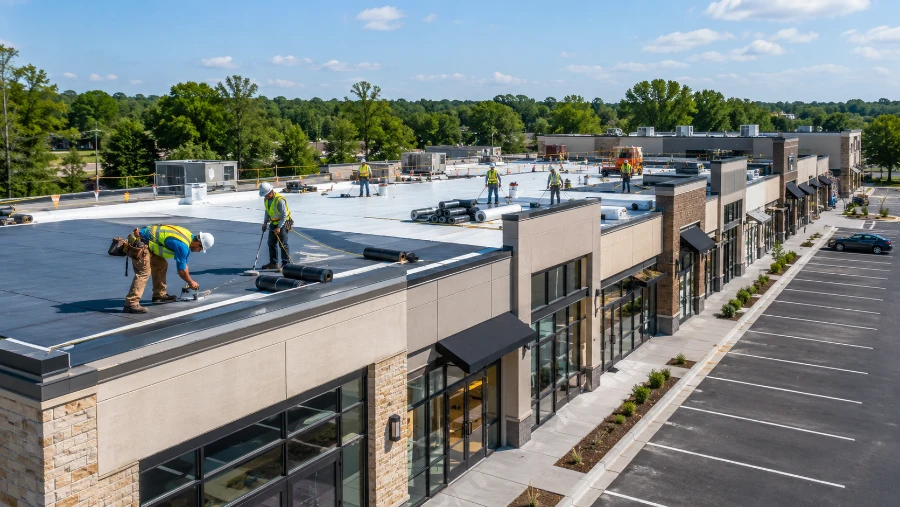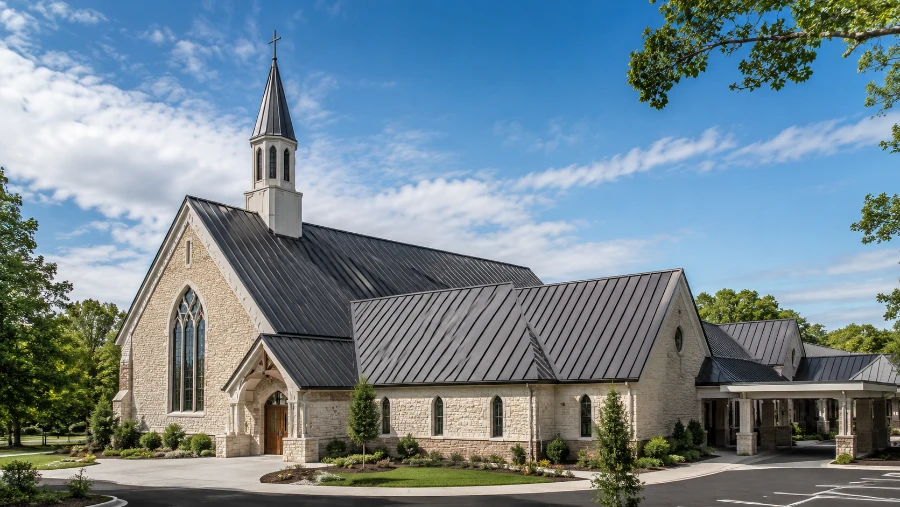
A church roof protects far more than walls, furniture, and electrical systems. It shelters a place where people worship, gather, celebrate, grieve, learn, and serve their community. That responsibility makes roof selection a major decision, which is why church metal roofing systems deserve careful consideration from congregations seeking lasting performance without sacrificing architectural character.
Church buildings present unusual challenges.
Some sanctuaries have towering slopes. Others include steeples, bell towers, dormers, valleys, classrooms, offices, fellowship halls, and covered walkways. A single church campus may contain several buildings constructed during different decades, each with a different roofing material or structural design.
That complexity requires planning.
Metal roofing can deliver exceptional protection, but the material, profile, and installation method must match the property. A basic exposed-fastener panel may work well on a storage building, yet appear out of place on a historic sanctuary. Likewise, an attractive premium roof may still leak if flashing, drainage, ventilation, or fastening details are handled poorly.
Church leaders should therefore evaluate the complete roofing system—not just its color, appearance, or advertised lifespan.
What Are Church Metal Roofing Systems?
Church metal roofing systems are complete roof assemblies made primarily from steel, aluminum, copper, zinc, or another metal. The visible metal surface is only one component.
A complete system may include:
- Structural roof decking
- Water-resistant underlayment
- Ice and water barriers
- Metal panels, shingles, tiles, or shakes
- Concealed clips or exposed fasteners
- Ridge caps and closure materials
- Valleys and custom flashing
- Ventilation components
- Gutters and downspouts
- Sealants and protective coatings
Every part has a specific purpose.
The metal surface sheds water and protects the building from weather. Underlayment creates a secondary barrier against moisture. Flashing protects vulnerable areas around walls, valleys, vents, chimneys, steeples, and roof transitions.
One weak connection can undermine the entire roof.
For example, water may enter around poorly installed steeple flashing even when the surrounding panels remain in excellent condition. Similarly, undersized gutters may allow water to overflow near entrances or foundations despite the roof itself performing exactly as intended.
A proposal should therefore describe the full assembly in detail.
Why Metal Roofing Works Well for Churches
Church boards usually approach property improvements with a long-term mindset. They may prefer one major investment in a durable roof rather than years of repeated repairs, emergency leak response, damaged ceilings, and premature replacement.
That is where church metal roofing systems can offer real value.
Long Service Life
A properly designed and installed metal roof can remain functional for several decades. Actual performance depends on the metal, coating, local climate, installation quality, maintenance, and surrounding environment.
The key phrase is properly installed.
An expensive roof with weak flashing or careless fastening can experience early problems. Meanwhile, a carefully engineered system can continue protecting a church through years of intense sun, heavy rain, high winds, hail, and changing temperatures.
Church leaders should avoid accepting broad lifespan promises without reviewing:
- Manufacturer documentation
- Finish and coating warranties
- Workmanship coverage
- Maintenance requirements
- Wind and impact ratings
- Warranty exclusions
A long material warranty does not always cover installation mistakes. Read the details before signing.
Strong Weather Resistance
Tall sanctuaries and steeples may experience greater wind exposure than low residential structures. Broad roof slopes can receive direct hail impact, while long valleys may collect significant amounts of stormwater.
Metal roofing can perform well under these conditions when the system is properly selected and securely attached.
Depending on the product, advantages may include:
- High wind resistance
- Strong impact performance
- Resistance to cracking and splitting
- Fire resistance
- Minimal water absorption
- Resistance to insects and rot
- Reliable performance during temperature changes
However, not every product provides the same protection. Panel thickness, coating, fastening pattern, interlocking design, deck attachment, and testing classifications all matter.
Ask for evidence—not general promises.
Reduced Maintenance Demands
Metal roofs are not maintenance-free. Still, they often avoid problems associated with materials that curl, crack, split, absorb moisture, or lose protective granules over time.
Typical maintenance involves inspecting:
- Panel seams
- Fasteners
- Flashing
- Sealants
- Protective coatings
- Roof penetrations
- Valleys and drainage areas
- Gutters and downspouts
This can make maintenance planning more predictable, especially for congregations with limited facility staff or volunteer-led property committees.
Architectural Flexibility
Metal does not need to look industrial.
Modern products can resemble slate, clay tile, cedar shake, or dimensional shingles. Standing seam roofing provides crisp architectural lines, while stone-coated steel can preserve a warmer and more traditional appearance.
That flexibility makes church metal roofing systems suitable for contemporary worship centers, traditional brick churches, chapels, educational buildings, and historic-looking sanctuaries.
Common Types of Metal Roofing for Churches
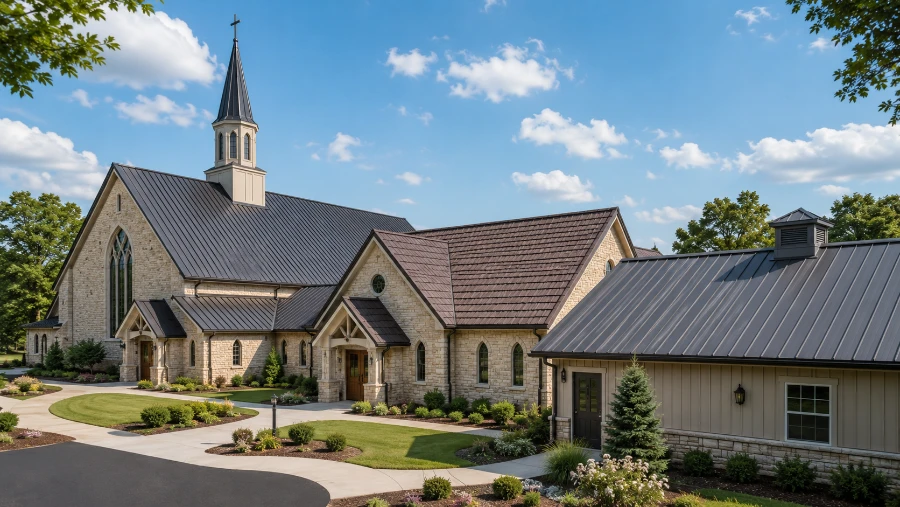
The best system depends on the building’s design, roof pitch, budget, structural capacity, and desired appearance.
Standing Seam Metal Roofing
Standing seam roofing uses long metal panels connected by raised vertical seams. Fasteners are generally concealed beneath the panel connections rather than exposed directly to rain and sunlight.
The result is clean and modern.
Standing seam systems are commonly considered for contemporary churches, educational wings, offices, and large sanctuary roofs. Because the fasteners remain concealed, there are fewer exposed attachment points that may loosen or deteriorate over time.
Potential advantages include:
- Clean architectural appearance
- Concealed fastening
- Strong water-shedding performance
- Compatibility with large roof slopes
- Ability to accommodate panel movement
- Relatively low routine maintenance
However, standing seam panels can reveal uneven decking beneath them. The roof surface must be inspected and prepared carefully before installation.
Stone-Coated Steel Roofing
Stone-coated steel combines the strength of metal with the textured appearance of shingles, shakes, slate, or tile. A steel base receives protective coatings before being covered with stone granules and a finishing layer.
This option can be especially effective on traditional church architecture.
Stone-coated steel provides the appearance many congregations expect from a sanctuary roof without the weight of natural slate, concrete tile, or clay tile. Depending on the selected system, it may also offer strong wind, impact, and fire performance.
For churches comparing architectural appearance, maintenance, and long-term ownership costs, this guide to stone-coated vs standing seam metal roofing explains how these two premium systems differ.
Church leaders who want metal performance without an overtly modern panel appearance should give stone-coated steel serious consideration.
Metal Shingles
Metal shingles are formed to resemble familiar residential roofing materials while retaining the durability of metal.
They can be a good fit for:
- Smaller sanctuaries
- Chapels
- Parsonages
- Administrative buildings
- Classroom wings
- Residential-style church facilities
They may also help a church campus blend more naturally with nearby homes or historic neighborhood architecture.
Corrugated and Exposed-Fastener Panels
Corrugated and ribbed metal panels are often more affordable than concealed-fastener systems. They are frequently used on agricultural, utility, and straightforward commercial buildings.
For a church, they may be suitable for:
- Maintenance buildings
- Storage facilities
- Detached workshops
- Covered recreation areas
- Simple fellowship halls
- Equipment shelters
Their attachment screws remain visible and exposed to weather. Over time, washers can deteriorate, screws may loosen, and repeated panel movement can place stress on fastener openings.
These systems can still be practical. They simply require realistic inspection and maintenance expectations.
Metal Tile and Shake Profiles
Metal tile and shake roofing can reproduce the appearance of:
- Barrel tile
- Flat tile
- Cedar shake
- Natural slate
- Dimensional shingles
These products are useful when architectural detail is important. They can preserve a traditional or upscale appearance while reducing the structural weight associated with some natural roofing materials.
Important Design Considerations
Church leaders should never select a roof from a small product sample alone. Roof geometry, drainage, structure, visibility, and architectural identity all affect the final result.
Roof Shape and Pitch
Simple roofs are easier to cover.
Church roofs are rarely simple.
Steeples, towers, intersecting slopes, parapets, valleys, dormers, chimneys, and wall connections create areas where water can collect or enter. They also increase labor, material waste, flashing requirements, and safety costs.
Before approving a proposal, request a roof plan identifying:
- Ridges and hips
- Valleys
- Wall transitions
- Penetrations
- Low-slope sections
- Steeple connections
- Drainage paths
- Custom-fabricated details
- Existing problem areas
A clear plan helps prevent disputes and unexpected charges after construction begins.
Architectural Style
The roof should strengthen the identity of the building.
A modern church built with glass, steel, and clean geometric forms may look excellent with standing seam panels. A traditional brick or stone sanctuary may benefit more from metal shingles, tile profiles, or stone-coated steel.
Price matters, but appearance also has lasting value.
A roof that looks mismatched can affect the character of the property for decades. Church leaders should review full-size samples and photographs of completed buildings before selecting a profile.
Color Selection
Roof color affects both appearance and heat absorption.
Lighter or more reflective finishes may reduce solar heat gain. Darker colors can create strong contrast against brick, stone, stucco, or light-colored siding. However, dark surfaces may also display dust, pollen, fading, or surface irregularities differently.
Small samples can be deceptive.
View large panels outdoors and at different times of day. Morning shade, afternoon sun, surrounding trees, and adjacent masonry can all change how a color appears.
Large Roof Areas
Large metal roof sections respond continuously to temperature changes. This process, known as thermal expansion, causes materials to change in size as temperatures rise or fall.
That movement must be managed.
Panels that cannot move correctly may buckle, distort, loosen fasteners, or place excessive pressure on flashing connections. Long roof sections may require specialized clips, panel breaks, expansion details, or carefully positioned seams.
This is one reason engineering and installer experience matter so much on large church buildings.
Metal Roofing for Steeples and Towers
Steeples are often the most recognizable features of a church. They are also among the hardest areas to roof correctly.
Height, narrow surfaces, steep angles, decorative elements, and direct wind exposure create demanding installation conditions.
Successful steeple roofing may require:
- Precise field measurements
- Custom metal fabrication
- Specialized lifts or scaffolding
- Secure attachment methods
- Detailed waterproofing
- Protection for masonry and stained glass
- Experienced high-access crews
Leaks near a steeple are not always caused by the primary roofing material. Water may enter around louvers, trim, windows, seams, wall connections, or the point where the steeple meets the sanctuary roof.
Treat steeple work as a specialized part of the project—not a minor add-on.
Ask contractors for photographs and references from similar church, institutional, or historic-building projects.
Weather Resistance and Structural Protection
The performance of church metal roofing systems depends on both the strength of the material and the quality of the attachment.
A durable panel cannot make up for weak fastening.
Wind Resistance
Strong winds create uplift pressure around roof edges, corners, ridges, and elevated sections. Steeples and tall sanctuary roofs may experience especially intense forces.
The system should be selected according to:
- Building height
- Roof geometry
- Local wind conditions
- Deck construction
- Panel attachment requirements
- Applicable building codes
Fastener spacing may also need to change near perimeter zones, where wind pressure can be stronger than it is across the center of the roof.
Hail Performance
Metal roofing often performs well in hail-prone areas, but church leaders should understand the difference between cosmetic and functional damage.
A hailstone may leave a visible dent without causing a leak. Larger or wind-driven hail, however, can damage seams, coatings, flashing, vents, or other components.
Before purchasing, ask about:
- Impact classifications
- Testing standards
- Panel thickness
- Coating performance
- Cosmetic damage exclusions
- Finish warranty limitations
Do not assume every dent will qualify for replacement under an insurance policy or manufacturer warranty.
Fire Resistance
Metal roofing does not ignite like combustible roofing materials. Still, the fire performance of the complete roof assembly depends on more than the visible panel.
Decking, insulation, underlayment, and installation methods all contribute to the roof’s overall classification.
Request documentation for the complete assembly.
Heavy Rain and Drainage
Metal sheds water quickly. That is useful during intense rainfall, but it can also direct large volumes of water into gutters within a short period.
Undersized or poorly positioned drainage systems may overflow near:
- Main entrances
- Accessible walkways
- Basement walls
- Foundations
- Landscaping
- Fellowship hall doors
- Electrical equipment
Drainage upgrades should be evaluated during the roofing project rather than delayed until overflow problems appear.
Energy Efficiency and Indoor Comfort
Large worship spaces can be expensive to heat and cool. High ceilings, open interiors, older insulation, and long operating schedules can place heavy demands on HVAC systems.
A new metal roof may support energy improvements, but roofing material alone does not determine indoor comfort.
Church leaders should also evaluate:
- Roof color and solar reflectance
- Attic insulation
- Air sealing
- Ventilation
- Radiant barriers where appropriate
- Ductwork located in attic spaces
- Moisture management
Churches in warmer climates may benefit from energy-efficient cool roof products, which are designed to reflect more sunlight and absorb less solar heat than conventional dark roofing.
Climate still matters.
A reflective roof may provide greater cooling benefits in hot regions than in colder areas where winter heat gain has more value. The best results usually come from combining roofing improvements with insulation and air-sealing upgrades.
Since the roof is already open or accessible, completing those improvements during the same project may be more economical.
Are Metal Roofs Noisy?
This question comes up often when churches consider metal roofing.
People sometimes imagine rain striking an exposed barn roof and echoing loudly through the sanctuary. Most church assemblies are very different. They contain solid decking, underlayment, insulation, ceiling materials, and interior airspace.
Those layers reduce sound considerably.
A properly designed metal system should not make ordinary rainfall disruptive during services. However, acoustics deserve closer review when the sanctuary has:
- Exposed metal decking
- Limited insulation
- Vaulted ceilings
- Minimal attic space
- Sensitive recording equipment
- Highly reflective interior surfaces
In these situations, the design team may recommend additional insulation, sound-reducing underlayment, or changes to the ceiling assembly.
What Affects Church Metal Roofing Costs?
Church roof estimates can vary widely.
Square footage matters, but it tells only part of the story. Height, access, complexity, material selection, and custom work can dramatically affect the final budget.
| Cost Factor | Why It Matters |
|---|---|
| Roof size | Larger roofs require more material, labor, and equipment |
| Roof pitch | Steep slopes require additional safety measures and working time |
| Building height | Lifts, cranes, or scaffolding may be necessary |
| Steeples and towers | Custom fabrication and high-access labor increase costs |
| Metal profile | Standing seam, stone-coated steel, and basic panels vary in price |
| Existing roof removal | Tear-off adds labor, disposal, and site-management expenses |
| Deck repairs | Damaged wood or structural components must be corrected |
| Flashing complexity | Valleys and wall transitions require detailed metalwork |
| Insulation upgrades | Energy improvements raise initial costs but may reduce future expenses |
| Site access | Tight parking areas or active campuses can complicate staging |
Request an itemized proposal.
It should explain what is included, which conditions may create extra costs, and how hidden damage will be priced. A vague estimate may look affordable at first, then expand once work begins.
Church boards should also request alternate pricing where appropriate. For example, the contractor may provide separate options for standing seam, stone-coated steel, and metal shingles.
Repairing Versus Replacing a Church Roof
Not every leak requires full replacement.
Repairs may be reasonable when the problem is isolated, the roof is relatively young, and the surrounding material remains serviceable.
Replacement may be more practical when:
- Leaks occur in several locations
- Previous repairs no longer last
- Fasteners are failing across broad areas
- Corrosion is widespread
- Protective coatings are deteriorated
- Flashing details are obsolete
- Roof decking is damaged
- The system has reached the end of its useful service life
- Replacement parts are no longer available
Compare more than immediate prices.
A repair that costs less today may become expensive when repeated every year. Church leaders should compare projected repair expenses over five to ten years against the cost, financing, and expected service life of replacement.
Planning the Project Around Church Activities
Church roofing work can affect worship services, weddings, funerals, classes, childcare programs, food distribution, and community events.
Good planning reduces disruption.
Before construction begins, create a calendar showing:
- Weekly worship services
- Weddings and funerals
- School or daycare hours
- Community programs
- Major deliveries
- Parking requirements
- Quiet periods
- Holiday events
- Outdoor activities
The contractor should maintain safe walkways, marked work zones, secure material storage, and protected entrances. Equipment should not block fire lanes, emergency access, or accessible parking spaces.
Noise-producing work can often be scheduled around services and recordings.
Assign one church representative to communicate with the project manager. A single point of contact prevents conflicting instructions and keeps decisions documented.
Financing a Church Metal Roof
A metal roof is a major capital investment.
Congregations may fund the project through:
- Existing reserves
- Capital campaigns
- Congregational donations
- Commercial financing
- Grants
- Insurance proceeds
- Phased construction
Before beginning a fundraising campaign, develop a realistic scope and budget. Include allowances for permits, inspections, structural repairs, drainage changes, insulation, and concealed damage.
For campuses with several buildings, phased replacement may be practical. The sanctuary could be completed first, followed by classrooms, offices, and secondary structures.
However, every phase should follow one long-term design plan. Profiles, colors, flashing methods, and drainage systems should remain visually and technically compatible.
Insurance and Storm Damage Considerations
When a church roof is being replaced after hail, wind, or another covered event, documentation becomes essential.
Take photographs before temporary repairs whenever it is safe to do so. Keep copies of:
- Inspection reports
- Maintenance records
- Weather information
- Contractor estimates
- Photographs and videos
- Repair invoices
- Insurance correspondence
- Manufacturer specifications
Compare the insurance estimate with the contractor’s proposed scope.
Look for differences involving roof measurements, underlayment, flashing, gutters, steeples, access equipment, code upgrades, debris removal, and interior damage.
Policies differ. Church leaders should review deductibles, depreciation, exclusions, claim deadlines, and coverage limitations before assuming an upgrade will be fully paid by insurance.
Maintenance Requirements
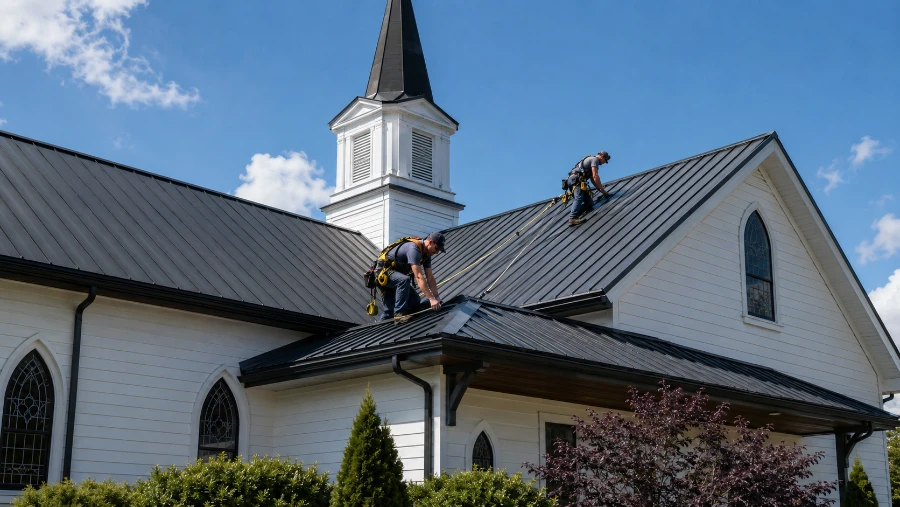
Even high-quality church metal roofing systems need routine care.
Schedule a professional inspection at least once a year and after severe storms. Areas with trees, debris buildup, complex valleys, or previous leaks may need more frequent attention.
An inspection should review:
- Panel seams
- Fasteners and clips
- Flashing
- Sealants
- Roof penetrations
- Valleys
- Gutters and downspouts
- Surface scratches
- Coating deterioration
- Corrosion
- Interior water stains
- Debris accumulation
Do not allow unqualified workers to walk on the roof. Incorrect foot placement may dent panels, damage seams, loosen accessories, or create serious fall risks.
Maintain a roof file containing warranties, product information, inspection reports, photographs, repair invoices, and maintenance dates.
That record may be valuable during warranty reviews, future repairs, insurance claims, or leadership transitions.
Choosing the Right Church Roofing Contractor
Church roofing requires more than general residential experience.
The contractor should understand large roof areas, steep slopes, custom flashing, high-access work, active facilities, and historically sensitive details.
Ask prospective contractors for:
- Proof of insurance
- Required state or local credentials
- Manufacturer certifications
- Written safety procedures
- References from similar projects
- Detailed material specifications
- Workmanship warranty terms
- Project schedules
- Cleanup procedures
- Severe-weather plans
Review completed churches, schools, hotels, or institutional facilities.
Then contact the references. Ask whether the contractor communicated clearly, protected the property, managed disruptions, stayed near budget, and returned promptly to address concerns.
Questions Church Leaders Should Ask
Before approving a proposal, ask direct questions:
- Which roofing system best fits our building, and why?
- How will long panels accommodate temperature changes?
- What wind and impact ratings apply?
- How will steeples, valleys, and wall transitions be flashed?
- Is roof-deck repair included?
- How will entrances and scheduled events be protected?
- Who will supervise the project each day?
- What warranties cover materials, finishes, and workmanship?
- What maintenance is required?
- Are cosmetic hail dents excluded from coverage?
- How will unexpected damage be documented and priced?
- Who is responsible for permits and inspections?
Clear questions lead to clearer proposals.
Common Mistakes to Avoid
One of the biggest mistakes is selecting a contractor based only on price.
Another is focusing on the visible panels while ignoring the assembly beneath them.
Churches should also avoid:
- Reusing damaged or outdated flashing
- Ignoring ventilation deficiencies
- Postponing drainage improvements
- Combining incompatible metals
- Accepting vague warranty language
- Hiring crews without complex-roof experience
- Failing to plan around church activities
- Skipping post-storm inspections
- Choosing color from a tiny indoor sample
- Approving changes without written documentation
A roof is a connected system. Every component must work together.
Are Church Metal Roofing Systems Worth the Investment?
For many congregations, yes.
Church metal roofing systems can provide long service life, strong weather resistance, flexible architectural options, and lower long-term maintenance demands. They may be especially valuable for buildings with steep slopes, visible roofs, complex architecture, or high-value interiors.
Church properties also share many priorities with schools, hotels, offices, and other institutional facilities. This guide to commercial stone-coated roofing offers additional insight into weather protection, architectural compatibility, maintenance planning, and total ownership costs.
Still, metal is not automatically the correct choice for every structure.
A simple storage building may need only an economical exposed-fastener panel. A prominent sanctuary may justify premium standing seam, metal shingles, or stone-coated steel. A historic church may require custom details that preserve its established appearance.
Begin with a professional roof assessment.
Review the existing material, structural condition, decking, flashing, drainage, insulation, ventilation, architecture, budget, and long-term campus plan. Then compare complete systems instead of isolated material prices.
The right church roof should perform quietly. It should keep water outside, support comfortable indoor spaces, protect important property, and reduce the risk of costly surprises.
Choose carefully. Plan thoroughly. Demand detailed installation standards.
That is how church metal roofing systems become more than a construction expense. They become a lasting investment in the congregation’s property, mission, and future.
FAQs
How long do church metal roofing systems last?Many church metal roofing systems can last 40 to 70 years or more, depending on the material, installation quality, climate, and maintenance.
What type of metal roof is best for a church?Standing seam works well for modern buildings, while stone-coated steel and metal shingles often suit traditional sanctuaries that need a more familiar appearance.
Are metal roofs too noisy for worship services?Usually not. Solid decking, underlayment, insulation, ceilings, and attic space significantly reduce rain noise inside the sanctuary.
Can metal roofing be installed on church steeples?Yes, but steeples require precise measurements, custom flashing, specialized equipment, and contractors experienced with steep, elevated structures.
How much do church metal roofing systems cost?Costs depend on roof size, pitch, building height, material profile, access, tear-off needs, decking repairs, and the complexity of steeples or towers.
Can a metal roof improve church energy efficiency?Reflective finishes, proper insulation, ventilation, and air sealing may reduce heat transfer and help lower cooling demands in large worship spaces.
Does metal roofing perform well against hail and wind?Many systems offer strong wind and impact resistance, but church leaders should review product ratings, attachment requirements, and cosmetic hail-damage exclusions.
Should a church repair or replace its existing roof?Repairs may be enough for isolated problems, while widespread leaks, corrosion, failed fasteners, damaged decking, or repeated repairs may justify replacement.
How often should a church metal roof be inspected?Schedule a professional inspection at least once a year and after major hailstorms, high winds, or other severe weather events.
What should a church look for in a metal roofing contractor?Choose a contractor with experience in steep and complex roofs, proper insurance, strong references, manufacturer training, detailed warranties, and a written safety plan.