If you are researching premium roofing systems right now, you have probably asked yourself one big question: are stone coated roofs worth it?
Short answer? For many homeowners, yes. Absolutely.
But the answer depends on what you value most. Initial price? Long-term durability? Appearance? Storm resistance? Maintenance? Energy savings?
Stone coated roofing sits in an interesting category because it combines the strength of metal roofing with the visual appeal of traditional shingles, shakes, or clay tile. That combination has made it one of the fastest-growing roofing upgrades in higher-end residential markets.
Still, it is not the cheapest option. Not even close.
So before investing thousands of dollars into a new roof, it helps to understand where the real value comes from, where the drawbacks exist, and whether the long-term return actually justifies the upfront cost.
Let’s break it all down.
What Is a Stone Coated Roof?
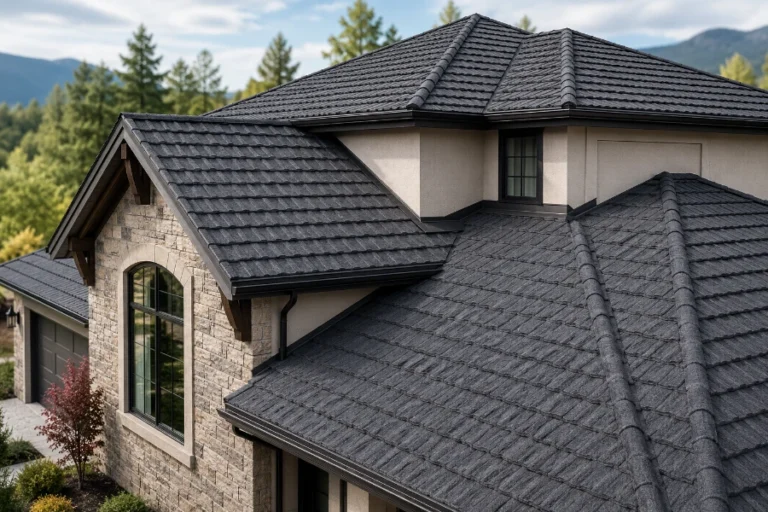
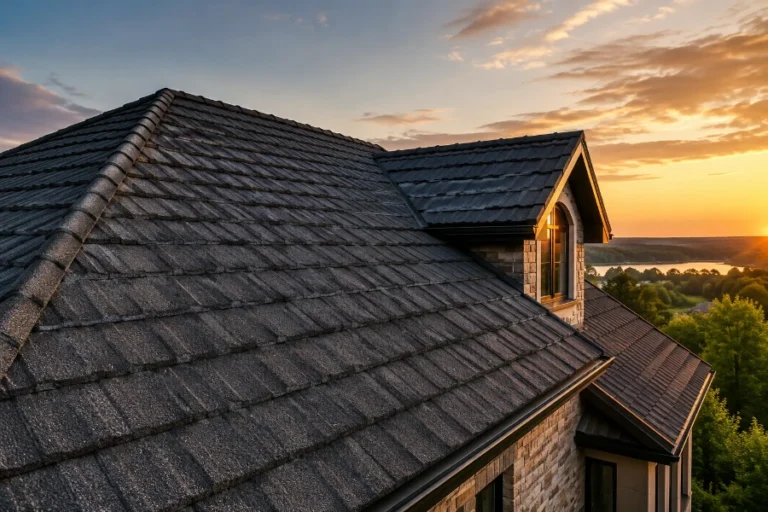
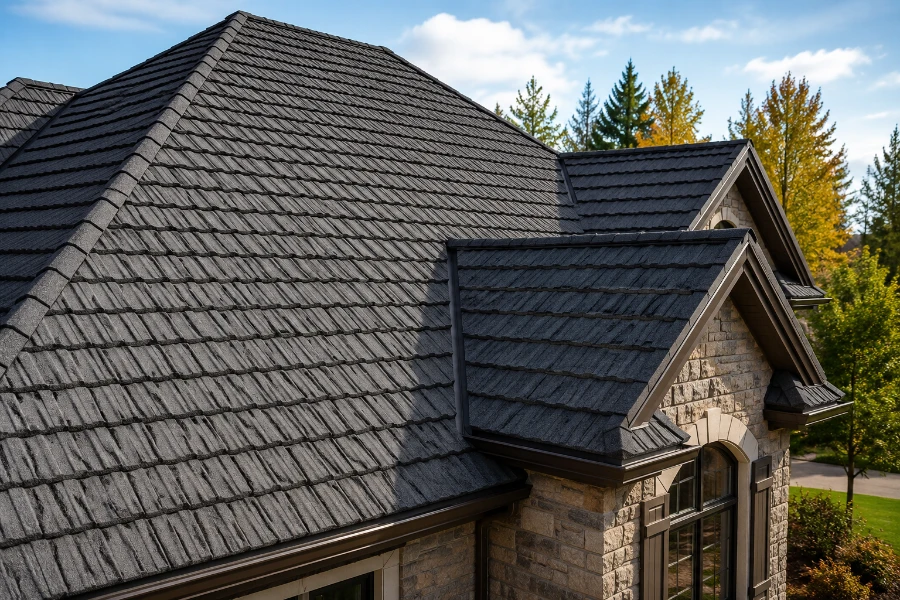
A stone coated roof is a steel roofing system covered with stone granules and protective coatings. It is designed to look like more traditional roofing materials while delivering the durability of metal.
At first glance, many homeowners mistake it for architectural shingles, cedar shake, or tile roofing. That is intentional.
The roof panels are typically made from:
- Galvanized steel
- Aluminum-zinc coated steel
- Acrylic bonding layers
- Natural stone granules
- Protective sealants
The result is a roof system that looks residential rather than industrial.
That matters more than people think.
Many homeowners want metal roof performance without the shiny commercial appearance associated with standing seam panels. Stone coated systems bridge that gap beautifully.
Why Stone Coated Roofs Have Become So Popular
Weather has become more aggressive in many parts of the country. Hailstorms. High winds. Heavy rain. Heat waves. Wildfire concerns.
Traditional asphalt shingles simply wear out faster under harsh conditions.
Homeowners are noticing.
That is one reason the question “are stone coated roofs worth it” keeps coming up more frequently.
People want roofing systems that last longer and require fewer repairs. They are tired of replacing shingles every 15 to 20 years.
And honestly? Nobody enjoys roofing projects.
A roof replacement is disruptive, expensive, and stressful. Many homeowners would rather invest once and avoid repeated replacements later.
Stone coated roofs appeal directly to that mindset.
The Biggest Advantages of Stone Coated Roofs
Exceptional Lifespan
This is the biggest selling point.
A properly installed stone coated roof can last 40 to 70 years depending on climate, maintenance, and manufacturer quality.
Compare that to standard asphalt shingles:
| Roofing Material | Average Lifespan |
|---|---|
| 3-Tab Asphalt Shingles | 15–20 Years |
| Architectural Shingles | 20–30 Years |
| Stone Coated Steel Roofing | 40–70 Years |
| Clay Tile | 50+ Years |
That lifespan changes the entire financial equation.
A homeowner who replaces asphalt shingles twice over 50 years may ultimately spend more than someone who installed stone coated roofing once.
That is why many roofing professionals answer yes when asked, are stone coated roofs worth it.
Strong Weather Resistance
This roofing system is built for punishment.
Stone coated roofs are known for handling:
- High winds
- Hail impact
- Heavy rain
- Snow loads
- Extreme heat
- Fire exposure
Many systems carry wind ratings up to 120–150 mph when installed correctly.
That matters in hurricane-prone regions. It matters in tornado zones too.
And hail? Huge issue.
Traditional shingles often lose granules quickly after hail impacts. Stone coated steel systems resist cracking, splitting, and severe deterioration much better.
No roof is indestructible. Let’s be realistic.
But stone coated systems generally survive storms with less damage than many standard roofing materials.
Lightweight But Strong
One overlooked benefit is weight.
Clay tile roofs are beautiful, but they are heavy. Very heavy.
Some homes require structural reinforcement before installing concrete or clay tile systems.
Stone coated roofing gives homeowners a similar upscale appearance without adding excessive structural load.
That makes installation easier and reduces engineering concerns.
Energy Efficiency Benefits
Heat management matters more than ever.
Many stone coated roofing systems reflect solar radiation better than dark asphalt shingles. Combined with proper attic ventilation, this can help reduce cooling strain during hot months.
Does that mean your electric bill instantly drops in half? No.
But over time, improved heat reflection can contribute to better energy performance.
Especially in hot southern climates.
Low Maintenance Requirements
This is where long-term value becomes obvious.
Stone coated roofs resist many common roofing problems, including:
- Curling
- Rot
- Cracking
- Insect damage
- Moisture absorption
- Severe granule loss
Maintenance still matters. Every roof should be inspected periodically.
But compared to aging asphalt systems that need recurring patch repairs, stone coated roofing usually requires far less ongoing attention.
That reduced maintenance is one of the strongest arguments for homeowners asking are stone coated roofs worth it.
Excellent Curb Appeal
Appearance matters. A lot.
A roof can represent nearly 40% of a home’s visible exterior.
Stone coated systems come in styles that mimic:
- Wood shake
- Slate
- Traditional shingles
- Barrel tile
- Mediterranean tile
The visual effect is high-end without looking overly flashy.
And unlike some roofing materials that fade dramatically over time, quality stone coated roofs often retain their appearance for decades.
The Downsides of Stone Coated Roofs
No roofing material is perfect.
Stone coated roofing has drawbacks too.
Higher Initial Cost
This is the biggest barrier.
Stone coated roofs cost significantly more upfront than asphalt shingles.
Here is a general comparison:
| Roofing Type | Typical Installed Cost |
|---|---|
| Asphalt Shingles | Lower |
| Stone Coated Steel | Moderate to High |
| Clay Tile | High |
| Slate Roofing | Very High |
Labor costs also increase because installation requires specialized techniques.
That sticker shock alone causes some homeowners to walk away immediately.
And that is understandable.
Not every homeowner plans to stay in the same house long enough to fully recover the investment.
Installation Quality Matters Immensely
This is not a beginner roofing system.
Poor installation can create major issues:
- Water intrusion
- Fastener problems
- Improper flashing
- Ventilation failures
- Noise concerns
- Premature wear
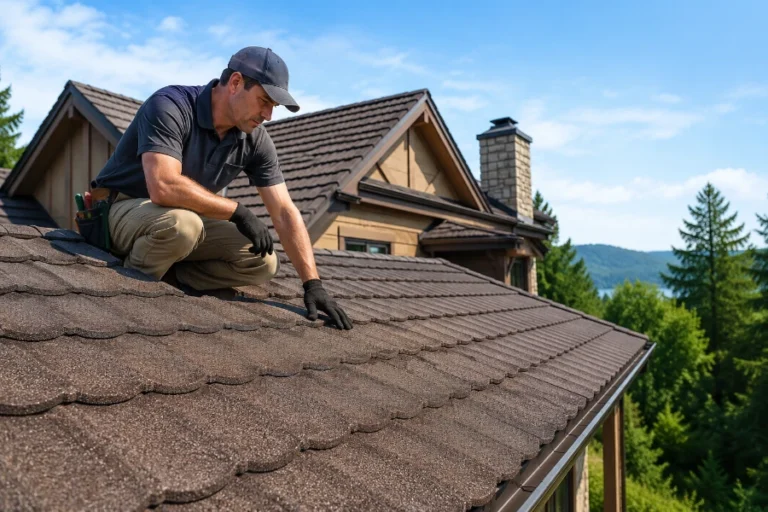
That means contractor selection becomes critical.
Honestly, the installer matters almost as much as the product itself.
Always ask:
- Are they certified?
- How many stone coated systems have they installed?
- Can they provide project photos?
- Do they understand local weather challenges?
Noise Concerns
Many homeowners worry about rain noise.
The good news? Modern stone coated roofs are not usually much louder than other roofing systems when installed correctly with solid decking and quality underlayment.
Poor installation changes that story.
But in most residential applications, excessive noise is largely exaggerated.
Are Stone Coated Roofs Worth the Cost?
Now we get to the real question.
Are stone coated roofs worth it financially?
For many homeowners, yes — particularly long-term owners.
Here is why.
Long-Term Ownership Changes Everything
Imagine two homeowners:
Homeowner A
- Installs asphalt shingles
- Replaces roof every 18–22 years
- Pays for recurring repairs
Homeowner B
- Installs stone coated roofing once
- Performs minimal maintenance
- Avoids multiple replacements
Over several decades, the total ownership cost can become surprisingly competitive.
That is why evaluating only the initial price misses the bigger picture.
Potential Insurance Benefits
Some insurance carriers offer discounts for impact-resistant roofing systems.
This depends on:
- State regulations
- Carrier policies
- Roof certifications
- Local weather risks
It is worth asking your insurance provider before installation.
Even small annual savings become meaningful over decades.
Stone Coated Roof vs Asphalt Shingles
This comparison comes up constantly.
| Feature | Asphalt Shingles | Stone Coated Roofing |
|---|---|---|
| Lifespan | 15–30 Years | 40–70 Years |
| Maintenance | Moderate | Low |
| Storm Resistance | Moderate | High |
| Appearance | Good | Premium |
| Initial Cost | Lower | Higher |
| Energy Efficiency | Moderate | Better |
Asphalt shingles win on affordability.
Stone coated roofing wins on longevity and durability.
Simple as that.
Stone Coated Roof vs Standing Seam Metal
Standing seam metal roofs are highly durable too, but they create a more modern appearance.
Some homeowners love that look.
Others do not.
Stone coated roofing provides:
- More texture
- More traditional aesthetics
- Less commercial appearance
- Greater style flexibility
Performance between the two can be very competitive.
Stone Coated Roof vs Clay Tile
Clay tile looks incredible. No argument there.
But it is heavy and fragile under impact.
Stone coated roofs offer:
- Similar appearance
- Lower weight
- Better impact resistance
- Easier installation
For homeowners wanting Mediterranean-style roofing without structural concerns, stone coated systems can be a smart compromise.
How Long Do Stone Coated Roofs Really Last?
Manufacturer warranties often range from 40 years to lifetime coverage.
But warranties are only part of the story.
Real-world lifespan depends heavily on:
- Installation quality
- Climate conditions
- Ventilation
- Underlayment quality
- Storm exposure
- Maintenance habits
A poorly installed premium roof can fail faster than a properly installed standard roof.
That is reality.
Still, quality stone coated systems have consistently demonstrated impressive longevity in harsh climates.
Are Stone Coated Roofs Good for Extreme Weather?
This is one area where these systems shine.
High Wind Performance
Many products are tested for severe wind uplift resistance.
That makes them attractive in:
- Coastal regions
- Hurricane zones
- Tornado-prone areas
Proper fastening systems matter enormously here.
Hail Resistance
Hail destroys millions of roofs every year.
Stone coated steel roofs generally resist cracking and punctures better than asphalt shingles because the steel substrate absorbs impact differently.
Again, no roof is damage-proof.
But durability levels are typically much stronger.
Fire Resistance
Many stone coated systems achieve Class A fire ratings.
That matters in wildfire-prone regions where roofing material selection can directly affect home safety.
Snow and Ice Performance
The interlocking panel design helps shed snow efficiently.
Metal-based systems also resist freeze-thaw deterioration better than porous roofing materials.
That becomes important in colder climates.
Common Myths About Stone Coated Roofs
“They Rust Easily”
Quality systems use corrosion-resistant coatings specifically designed to prevent rust formation.
Cheap materials create problems. Premium systems generally perform very well.
“They Are Too Loud”
With proper decking and underlayment, noise levels are often similar to many traditional roofing systems.
“They Look Fake”
Older systems sometimes looked artificial.
Modern stone coated roofs are far more realistic and visually refined.
Many people cannot distinguish them from high-end traditional roofing from the ground.
“They Are Only for Luxury Homes”
Not necessarily.
Yes, they are premium roofing systems. But homeowners focused on long-term ownership increasingly view them as practical investments rather than luxury upgrades.
Signs a Stone Coated Roof May Be Worth It for Your Home
You may benefit from stone coated roofing if:
- You plan to stay in your home long term
- Your area experiences severe storms
- You want lower maintenance
- You value durability
- You care about curb appeal
- You want premium performance without clay tile weight
These roofs are especially attractive for homeowners tired of repeated roofing cycles.
Replace. Repair. Replace again.
That gets old fast.
When Stone Coated Roofing May Not Be the Best Choice
There are situations where it may not make financial sense.
For example:
- You plan to move soon
- Your budget is extremely tight
- Qualified installers are unavailable nearby
- You prefer lower upfront cost over long-term value
That does not make stone coated roofing bad.
It simply means roofing decisions should match ownership goals.
Questions to Ask Before Buying
Before signing any contract, ask the contractor:
- Which manufacturer do you recommend and why?
- What wind rating does the system carry?
- What underlayment will be installed?
- Is the crew experienced with stone coated systems?
- What warranty coverage applies?
- How will ventilation be handled?
The answers reveal a lot.
Good roofing contractors welcome detailed questions.
Final Verdict: Are Stone Coated Roofs Worth It?
For many homeowners, yes. Stone coated roofs are worth it.
They deliver exceptional durability, strong weather resistance, impressive lifespan, lower maintenance needs, and premium curb appeal in one package.
The biggest obstacle is the upfront cost.
But when viewed over decades instead of years, the value becomes easier to understand.
Not everyone needs a premium roofing system. Some homeowners are perfectly fine with traditional shingles.
But if you want a roof built for long-term ownership — one that can handle storms, reduce maintenance headaches, and maintain its appearance for decades — stone coated roofing deserves serious consideration.
And honestly? Many homeowners who install them never want to go back to traditional shingles again.
FAQs
How long do stone coated roofs typically last?Most stone coated roofs last between 40 and 70 years depending on installation quality, climate, and maintenance.
Are stone coated roofs worth it for storm-prone areas?Yes. They are known for strong resistance against hail, high winds, heavy rain, and fire exposure.
Do stone coated roofs rust over time?Quality systems use corrosion-resistant steel and protective coatings designed to prevent rust in normal conditions.
Are stone coated roofs noisy during rainstorms?Not usually. Proper underlayment and attic insulation help reduce noise levels significantly.
Can stone coated roofs increase home value?They can improve curb appeal and may attract buyers looking for durable, low-maintenance roofing systems.
Are stone coated roofs more expensive than shingles?Yes. The upfront cost is higher than asphalt shingles, but the longer lifespan can improve long-term value.
Do stone coated roofs require a lot of maintenance?No. They generally need less maintenance than traditional shingles because they resist cracking, curling, and rot.
Can stone coated roofing be installed over existing shingles?In some cases, yes, but local building codes and roof conditions will determine whether it is allowed.
Are stone coated roofs energy efficient?Many systems reflect heat better than dark asphalt roofs, which may help reduce cooling costs in warm climates.
What styles are available for stone coated roofing?Stone coated roofs come in designs that mimic shingles, wood shake, slate, and clay tile appearances.