When homeowners shop for a new roof, price often becomes the deciding factor. That’s understandable. Roofing projects are significant investments, and nobody enjoys spending more than necessary.
However, many homeowners who choose cheap roofing systems eventually discover that the lowest upfront cost can create the highest long-term expense.
I’ve seen it happen repeatedly. A homeowner saves a few thousand dollars during installation, only to spend far more on repairs, maintenance, energy bills, and premature replacement over the following years.
A roof is not simply another home improvement project. It is the first line of defense against wind, rain, hail, heat, and everything else nature delivers. Consequently, the quality of that system affects far more than the appearance of a home.
The truth is simple: most roofing regrets do not appear immediately. Instead, they develop slowly. Months become years. Small issues become larger problems. Eventually, many homeowners wish they had evaluated value rather than focusing solely on price.
Let’s examine the most common regrets homeowners experience after installing low-cost roofing systems and what can be learned from those experiences.
The Hidden Cost of Choosing the Cheapest Roof
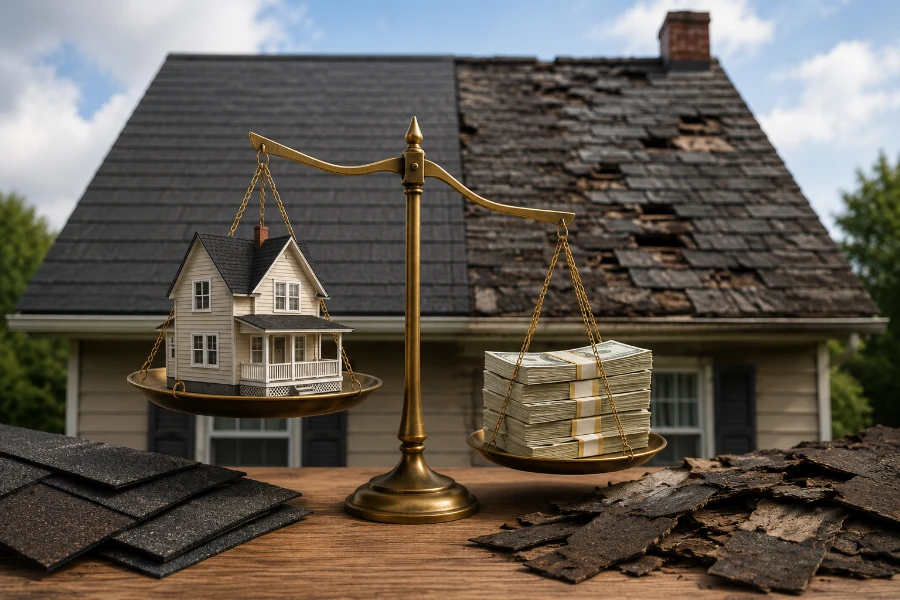
At first glance, budget roofing options seem attractive.
After all, if one contractor offers a roof for several thousand dollars less than another, the decision may appear straightforward.
Unfortunately, roofing is rarely that simple.
Initial Savings Can Be Misleading
A lower bid often reflects one or more factors:
- Lower-grade materials
- Shorter product lifespans
- Reduced weather resistance
- Less comprehensive warranties
- Faster installation methods
While each of these factors may reduce initial cost, they frequently increase future expenses.
Consider this comparison:
| Roofing Factor | Low-Cost Roof | Premium Roof |
|---|---|---|
| Initial Cost | Lower | Higher |
| Expected Lifespan | 15-20 Years | 40-70 Years |
| Repair Frequency | Higher | Lower |
| Energy Efficiency | Moderate | Better |
| Long-Term Value | Lower | Higher |
The cheapest roof often wins the bidding process. However, it does not always win the lifetime ownership calculation.
Why Roofing Is a Long-Term Investment
Homeowners commonly evaluate roofing based on installation cost alone.
That can be a mistake.
Instead, roofing should be measured by cost per year of service.
A roof that lasts 50 years while requiring minimal repairs may ultimately cost less than a roof that requires replacement after only 18 years.
Therefore, focusing exclusively on upfront price can hide the true financial picture.
Regret #1: Frequent Repairs Start Adding Up
One of the earliest complaints homeowners have about cheap roofing systems involves repair costs.
The roof may appear perfectly acceptable on installation day.
Then the problems begin.
Small Problems Become Ongoing Expenses
Initially, issues may seem minor.
Perhaps a few shingles loosen during a windstorm.
Maybe flashing begins separating around roof penetrations.
A small leak develops after heavy rain.
Individually, these problems may seem manageable.
Collectively, they become expensive.
Every service call carries labor costs. Every repair consumes time. Moreover, repeated repairs often indicate underlying weaknesses that continue producing new problems.
Repair Bills Often Exceed Expectations
Many homeowners assume a lower-cost roof will simply require occasional maintenance.
Reality often looks different.
Common repair expenses include:
- Wind damage repairs
- Leak investigations
- Flashing replacement
- Ridge cap repairs
- Water intrusion corrections
- Structural moisture remediation
What begins as a budget-friendly decision can slowly evolve into a recurring financial burden.
Regret #2: Shorter Roof Lifespan Than Expected
Perhaps the biggest surprise for many homeowners is how quickly some roofs age.
Most people assume a roof should last several decades.
Unfortunately, not all roofing systems are built for long-term durability.
Many Budget Roofs Wear Out Prematurely
Lower-cost materials often sacrifice durability to reduce manufacturing expenses.
Many of these materials experience accelerated degradation due to environmental exposure and ongoing material fatigue. In engineering, the study of how materials fail under repeated stress is known as fractography. While homeowners may never encounter the term during a roofing purchase, the underlying concept helps explain why some roofing systems deteriorate faster than expected under years of weather exposure.
This can result in:
- Accelerated weathering
- Faster deterioration
- Reduced impact resistance
- Increased vulnerability to ultraviolet exposure
As years pass, these weaknesses become increasingly visible.
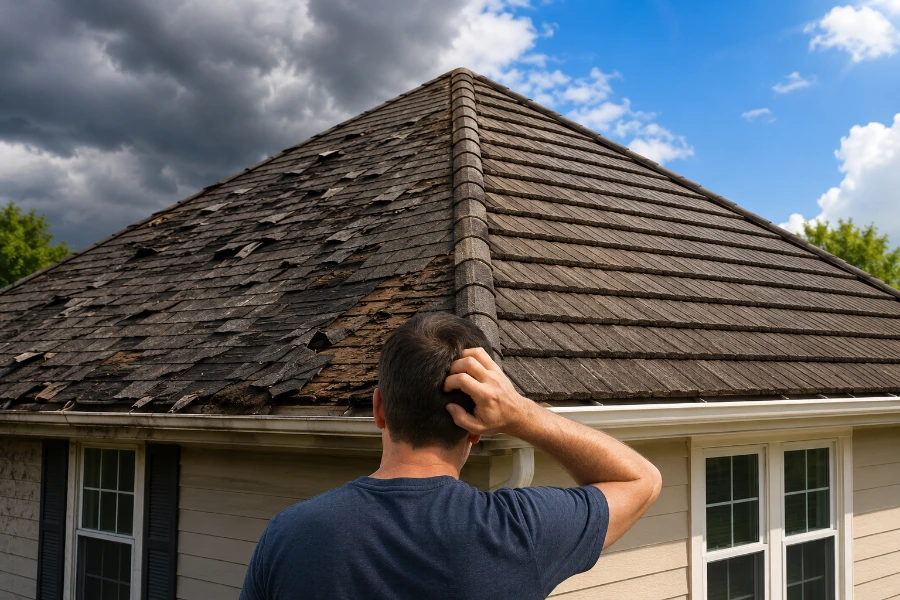
The roof that looked attractive at installation may begin showing significant wear long before the homeowner expected.
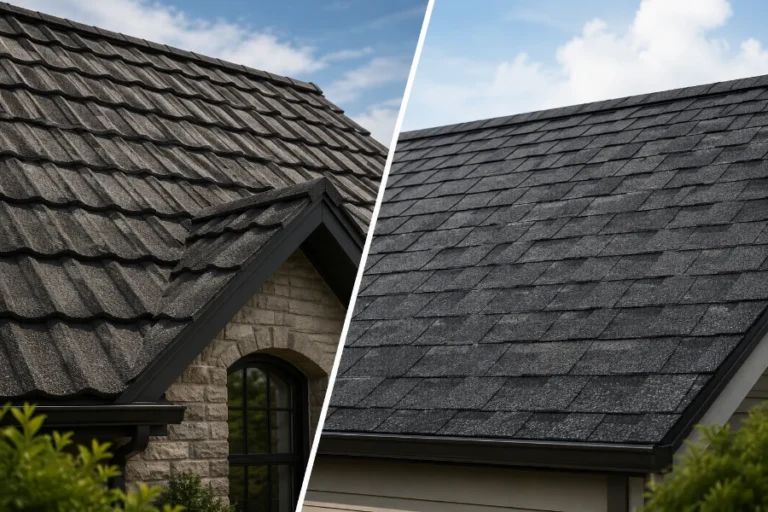
For homeowners evaluating alternatives, understanding the differences between premium and budget roofing materials is essential. Our guide to stone coated roofing versus asphalt shingles demonstrates how material selection can dramatically influence long-term performance and ownership costs.
The Cost of Early Roof Replacement
Roof replacement involves more than purchasing new materials.
Additional expenses frequently include:
- Tear-off labor
- Disposal fees
- Permit costs
- Installation labor
- Temporary protection measures
Replacing a roof ten or fifteen years earlier than anticipated can significantly alter the total cost of ownership.
Consequently, many homeowners later realize that the cheaper roof was never truly inexpensive.
Regret #3: Poor Performance During Severe Weather
Weather exposes roofing weaknesses faster than almost anything else.
On calm days, nearly every roof looks adequate.
Storms tell a different story.
Wind Damage Concerns
Strong winds place tremendous stress on roofing materials.
Low-cost roofing systems often struggle because of:
- Weaker fastening systems
- Reduced material thickness
- Lower wind resistance ratings
As a result, homeowners may experience:
- Missing shingles
- Lifted edges
- Exposed underlayment
- Water infiltration
Even a moderate storm can reveal vulnerabilities.
Hail Damage Vulnerabilities
Hail presents another challenge.
Impact-resistant roofing materials generally cost more. Consequently, many budget roofing systems offer limited protection against hail.
Potential outcomes include:
- Cracks
- Surface fractures
- Granule loss
- Reduced waterproofing performance
Over time, these conditions can shorten the roof’s lifespan considerably.
Heavy Rain and Water Intrusion Risks
Water is remarkably persistent.
Once it finds an opening, it rarely stays contained.
A small roofing failure can eventually affect:
- Attics
- Insulation
- Drywall
- Electrical systems
- Flooring
Therefore, a roofing problem often becomes much more than a roofing problem.
Regret #4: Higher Energy Bills
Many homeowners never connect roofing quality to utility costs.
Yet the relationship can be significant.
Cheap Roofing Materials Often Provide Limited Efficiency
A roof directly influences attic temperatures.
When roofing materials absorb excessive heat, that heat transfers into the structure below.
The transfer of heat through roofing assemblies is influenced by several factors, including material composition, thermal mass, and surface reflectivity. The U.S. Department of Energy provides guidance on energy-efficient roofing strategies that can help homeowners reduce cooling demands and improve overall building performance.
The result?
The cooling system works harder.
Air conditioners run longer.
Energy consumption increases.
While individual monthly increases may seem modest, the cumulative effect over many years can be substantial.
Meanwhile, homeowners often blame their HVAC system without realizing the roof contributes significantly to overall energy performance.
This is another reason why cheap roofing systems frequently become more expensive than expected.
Regret #5: Disappointing Curb Appeal
A roof occupies a large percentage of a home’s visible exterior.
Naturally, appearance matters.
Unfortunately, some homeowners discover their roof begins aging visually much sooner than anticipated.
Appearance Changes Faster Than Expected
Common complaints include:
- Fading colors
- Uneven discoloration
- Surface staining
- Visible wear patterns
- Deteriorating edges
These issues can emerge surprisingly early on lower-quality roofing systems.
Consequently, the home may appear older despite being well maintained in other areas.
The Impact on Home Value
First impressions influence property value.
Potential buyers often evaluate the roof before entering the home.
If the roof appears worn, buyers may assume other maintenance issues exist as well.
That perception can affect:
- Buyer confidence
- Inspection negotiations
- Appraised value
- Time on market
A roof does more than protect a home.
It also communicates the overall condition of the property.
Regret #6: Limited Warranty Protection
Many homeowners assume a warranty guarantees long-term protection.
Unfortunately, that assumption can lead to disappointment.
Not All Roofing Warranties Are Equal
A warranty may look impressive at first glance. However, the details matter.
Some low-cost roofing systems include warranties that cover only the roofing material itself. Others reduce coverage over time through prorated schedules that significantly limit future compensation.
As a result, homeowners often discover that the protection they thought they had is far less comprehensive than expected.
Common warranty limitations include:
- Material-only coverage
- Limited labor reimbursement
- Prorated benefits
- Strict maintenance requirements
- Transfer restrictions
Understanding Warranty Fine Print
The strongest roofing warranties typically accompany higher-quality roofing systems.
Before choosing a roof, homeowners should ask:
- What exactly is covered?
- How long is labor included?
- Is the warranty transferable?
- Are wind and hail events covered?
- What maintenance is required?
These questions may seem minor during the buying process. Later, however, they can make a substantial financial difference.
Regret #7: Insurance Challenges After Storm Damage
Storm damage creates enough stress on its own.
The last thing homeowners want is difficulty navigating an insurance claim.
Unfortunately, some budget roofing systems become damaged more easily during severe weather, increasing the likelihood of claim activity.
Damage May Occur More Easily
When roofing materials have lower impact resistance or weaker attachment systems, they often experience more extensive damage during storms.
This can lead to:
- More frequent claims
- Larger repair scopes
- Increased out-of-pocket costs
- More disruption to daily life
Although insurance exists to help homeowners recover, repeated claims are rarely desirable.
Potential Impact on Future Insurance Costs
Insurance companies evaluate risk.
A property that experiences recurring roof-related claims may attract additional scrutiny during future policy renewals.
While every situation differs, homeowners often regret not investing in a more durable roofing system capable of withstanding severe weather more effectively.
Regret #8: Increased Maintenance Requirements
One of the most overlooked costs associated with cheap roofing systems is maintenance.
Repairs are obvious.
Maintenance is less visible.
Nevertheless, it consumes both time and money.
Cheap Roofing Often Demands More Attention
Lower-cost materials generally require more frequent monitoring.
Homeowners may find themselves scheduling inspections, addressing minor defects, and responding to weather-related issues more often than anticipated.
Common maintenance activities include:
- Replacing damaged shingles
- Repairing flashing
- Clearing debris accumulation
- Addressing leaks
- Monitoring aging materials
Over the years, these tasks add up.
Time Costs Matter Too
Homeownership already requires ongoing attention.
Adding a roof that demands constant monitoring can become frustrating.
Beyond direct expenses, homeowners frequently invest:
- Time coordinating contractors
- Time obtaining estimates
- Time scheduling repairs
- Time managing insurance claims
For homeowners interested in maximizing roof longevity, implementing a structured maintenance plan is essential. Following a comprehensive stone coated roof maintenance checklist can help identify minor concerns before they become expensive problems and may significantly extend roof performance.
Eventually, many homeowners realize they purchased a roof that requires far more attention than they ever expected.
Regret #9: Reduced Property Value
Most homeowners do not think about resale value when purchasing a roof.
Years later, many wish they had.
Buyers Notice Roofing Quality
A roof influences purchasing decisions more than many homeowners realize.
Prospective buyers often ask:
- How old is the roof?
- What material was installed?
- Has the roof experienced storm damage?
- Will replacement be needed soon?
If the answers raise concerns, buyers frequently become cautious.
A Roof Can Influence Selling Price
Real estate transactions often involve negotiations tied directly to roofing condition.
A roof nearing the end of its service life may result in:
- Lower offers
- Buyer concessions
- Repair requests
- Extended listing periods
Conversely, a durable roofing system can become a strong selling point.
Buyers appreciate knowing they are unlikely to face a major roofing expense shortly after purchasing a home.
Regret #10: Having to Replace the Roof Twice
This is perhaps the most expensive regret of all.
Many homeowners initially choose a low-cost roof to save money.
Years later, they discover they must replace it much sooner than expected.
The Most Common Long-Term Regret
Replacing a roof involves significant costs.
Those costs include:
| Expense Category | First Roof | Second Roof |
|---|---|---|
| Materials | ✓ | ✓ |
| Labor | ✓ | ✓ |
| Tear-Off Costs | ✓ | ✓ |
| Disposal Fees | ✓ | ✓ |
| Permits | ✓ | ✓ |
Every replacement cycle repeats many of the same expenses.
Consequently, homeowners who replace a roof twice within a few decades often spend substantially more than those who invested in a premium roofing system from the beginning.
Why Cheap Roofs Can Become the Most Expensive Option
The math is often surprising.
A roof that costs less initially but requires extensive maintenance, higher energy consumption, frequent repairs, and premature replacement may ultimately cost significantly more over its lifetime.
This reality explains why so many homeowners regret selecting cheap roofing systems solely based on purchase price.
What Homeowners Say They Would Do Differently
Looking back, many homeowners identify the same mistakes.
Fortunately, future buyers can learn from their experiences.
Questions They Wish They Had Asked
Before selecting a roofing system, homeowners should consider:
- What is the expected lifespan?
- How does it perform during severe weather?
- What maintenance is required?
- How comprehensive is the warranty?
- What are the long-term ownership costs?
These questions often reveal important differences between roofing products.
Looking Beyond the Lowest Bid
Price matters.
However, value matters more.
A roofing proposal should be evaluated based on:
- Material quality
- Durability
- Weather resistance
- Warranty coverage
- Maintenance requirements
- Lifetime cost
Focusing on these factors creates a more complete picture of the investment.
Why Stone-Coated Roofing Solves Many Common Roofing Regrets
Many of the frustrations associated with cheap roofing systems stem from compromises in durability, performance, and longevity.
Stone-coated roofing addresses many of those concerns.
Exceptional Durability
Stone-coated roofing systems are engineered to withstand:
- High winds
- Hail impacts
- Heavy rainfall
- Extreme temperatures
This enhanced durability can reduce repair frequency and improve long-term performance.
Long Service Life
One of the most compelling benefits is longevity.
While some budget roofing systems may require replacement after a relatively short period, stone-coated roofing is designed to provide decades of reliable protection.
Energy Efficiency Benefits
Reflective properties and improved thermal performance can help reduce heat transfer into the home.
As a result, homeowners may experience lower cooling demands and improved comfort.
Attractive Appearance
A roof should perform well.
It should also look great.
Stone-coated roofing offers a variety of profiles that replicate traditional roofing styles while maintaining a premium appearance for many years.
Lower Lifetime Cost
Although the initial investment may be higher, many homeowners discover the long-term economics are favorable.
Fewer repairs.
Less maintenance.
Greater durability.
Longer service life.
Together, these factors often create a lower total cost of ownership over time.
Final Thoughts
The appeal of cheap roofing systems is easy to understand. Lower upfront costs can make a roofing project feel more manageable, particularly when budgets are tight.
However, many homeowners later discover that the initial savings came with hidden tradeoffs. Frequent repairs, shorter lifespans, higher energy bills, increased maintenance, warranty limitations, and premature replacement costs often outweigh the original discount.
A roof protects one of your most valuable assets. Therefore, evaluating roofing systems based on long-term value rather than purchase price alone is usually the wiser approach.
The homeowners who experience the fewest regrets are often those who invest in durability from the beginning. By considering lifetime ownership costs, weather resistance, maintenance requirements, and long-term performance, homeowners can make roofing decisions that provide protection, peace of mind, and financial value for decades to come.
FAQs
What are cheap roofing systems?Cheap roofing systems are roofing products that prioritize low upfront costs, often using lower-grade materials or offering shorter expected lifespans.
Why do homeowners regret choosing cheap roofing systems?Many homeowners later face higher repair costs, increased maintenance, and earlier roof replacement than they originally anticipated.
How long do cheap roofing systems typically last?Lifespans vary, but many budget roofing materials last significantly fewer years than premium roofing systems when exposed to similar weather conditions.
Do cheap roofing systems increase energy bills?They can. Some lower-cost roofing materials absorb more heat, causing cooling systems to work harder during warmer months.
Are cheap roofing systems more likely to leak?Not always immediately, but lower-quality materials and installation methods can increase the risk of leaks as the roof ages.
Can a cheap roof affect my home’s resale value?Yes. Buyers often view an aging or low-quality roof as a future expense, which may impact negotiations and overall property value.
Do budget roofing materials perform poorly during storms?Many inexpensive roofing products offer less resistance to wind, hail, and impact damage compared to higher-quality roofing systems.
Is a more expensive roof always the better choice?Not necessarily. Homeowners should compare durability, warranty coverage, maintenance requirements, and lifetime value rather than focusing solely on price.
What roofing feature should homeowners prioritize most?Longevity and weather resistance are often among the most important factors because they directly affect long-term ownership costs.
Why is stone-coated roofing considered a long-term investment?Stone-coated roofing combines durability, energy efficiency, and extended service life, helping many homeowners reduce maintenance and replacement expenses over time.