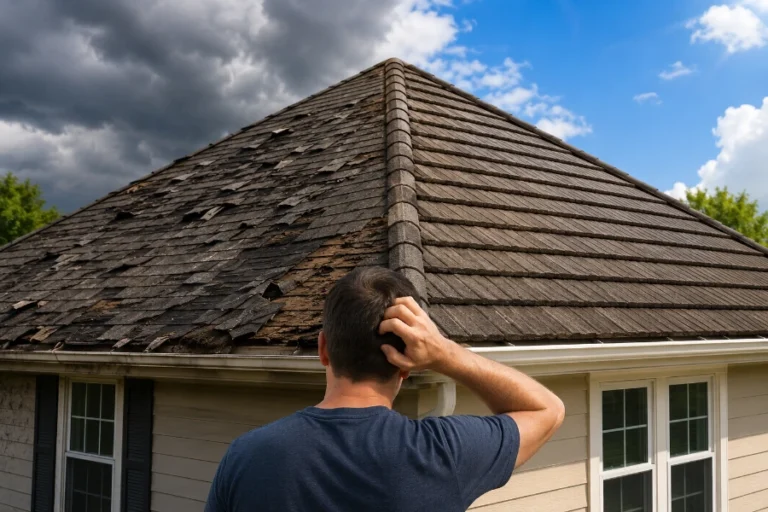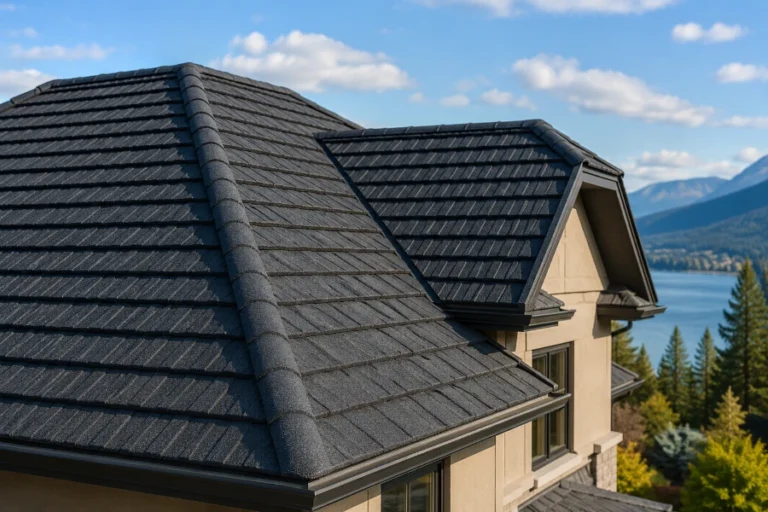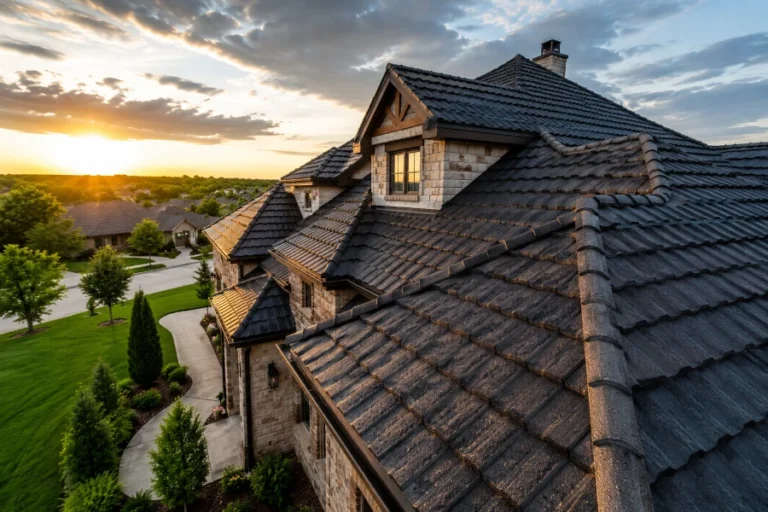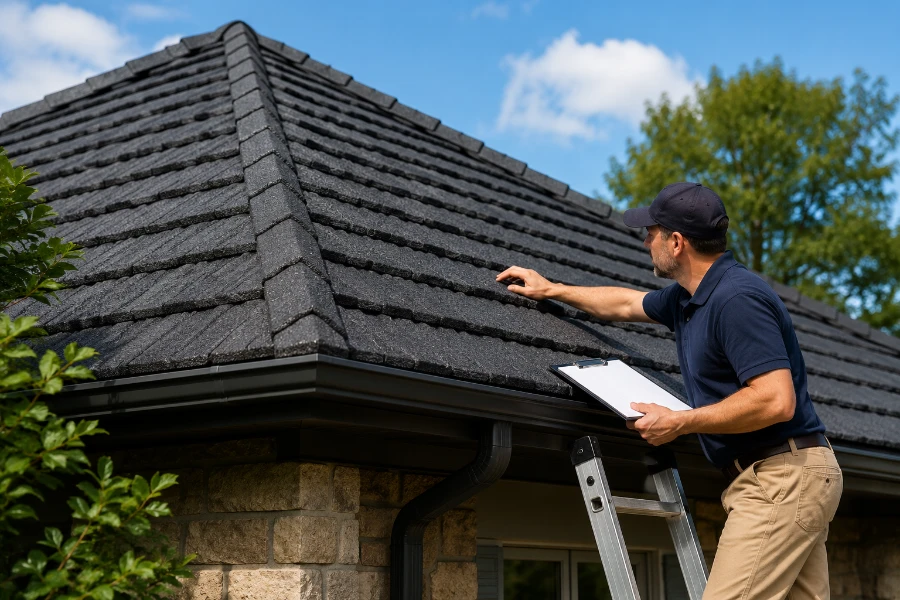
A reliable roof does more than keep rain out. It protects your home’s structure, preserves energy efficiency, and safeguards one of your largest investments. That is exactly why following a proper Stone Coated Roof Maintenance Checklist matters, even when you own one of the most durable roofing systems available today.
Many homeowners choose stone coated roofing because it combines the strength of steel with the appearance of traditional roofing materials. It resists harsh weather, stands up well to impact, and can last for decades. However, “low maintenance” does not mean “no maintenance.”
Like any roofing system, a stone coated roof performs best when it receives routine attention. Fortunately, maintaining it is neither difficult nor expensive. In fact, a few simple inspections throughout the year can prevent costly repairs and help extend the roof’s service life significantly.
In this guide, we’ll walk through a practical Stone Coated Roof Maintenance Checklist that homeowners can use throughout the year to keep their roofing system in excellent condition.
Understanding Stone Coated Roof Maintenance Requirements
Why Stone Coated Roofs Require Less Maintenance
One reason stone coated roofing continues to gain popularity is its durability. If you’re new to the system, our guide on What Is Stone Coated Steel Roofing? explains how the steel core and stone-coated surface work together to create exceptional long-term performance.
Unlike traditional asphalt shingles that can crack, curl, or lose granules over time, stone coated steel roofing is engineered to withstand challenging conditions. Homeowners comparing premium roofing materials may also find our article on Stone Coated vs Concrete Tile: Which Roofing System Is the Better Investment? helpful when evaluating long-term maintenance requirements.
The steel core provides structural strength, while the stone coating adds protection and aesthetic appeal.
Benefits include:
- Excellent wind resistance
- Superior hail protection
- Resistance to rot and insect damage
- Reduced risk of cracking
- Long-term color retention
- Exceptional lifespan
Even with these advantages, routine inspections remain important.
Small issues are always easier and cheaper to fix than large ones.
What Happens When Maintenance Is Ignored?
Many roofing problems begin quietly.
A clogged gutter here. A loose flashing there.
At first, these issues seem insignificant. Over time, however, they can allow water intrusion, create drainage problems, and contribute to unnecessary wear.
Ignoring maintenance may result in:
| Potential Issue | Possible Consequence |
|---|---|
| Clogged gutters | Water overflow and fascia damage |
| Damaged flashing | Roof leaks |
| Debris accumulation | Moisture retention |
| Tree branch contact | Surface damage |
| Unnoticed storm damage | Expensive repairs |
Routine maintenance helps identify these concerns before they become major headaches.
Seasonal Stone Coated Roof Maintenance Checklist
Breaking maintenance into seasonal tasks makes it much easier to manage.
Instead of trying to inspect everything at once, you can focus on specific priorities throughout the year.
Spring Inspection Checklist
Winter weather can be surprisingly hard on a roof.
As temperatures warm, spring becomes the perfect time for a detailed inspection.
Check for:
- Damaged flashing
- Loose roof accessories
- Accumulated debris
- Gutter blockages
- Signs of animal activity
- Water stains in the attic
Walk around the property and visually inspect the roof from ground level.
Look for anything unusual.
If something seems out of place, schedule a professional inspection.
Summer Maintenance Tasks
Summer often brings intense UV exposure and severe storms.
While stone coated roofing handles heat exceptionally well, it is still smart to perform a mid-year review.
Focus on:
- Tree branch clearance
- Roof ventilation performance
- Storm damage checks
- Drainage pathways
- Surface cleanliness
This is also a good time to inspect your attic.
Poor ventilation can create excessive heat buildup that affects overall home efficiency.
Fall Preparation Checklist
Fall maintenance prepares your roof for colder weather and increased rainfall.
Leaves are the biggest concern.
When organic debris collects on a roof, moisture can become trapped against the surface for extended periods.
Fall maintenance should include:
- Removing leaves and twigs
- Cleaning gutters thoroughly
- Inspecting valleys
- Checking downspouts
- Examining roof penetrations
Do not underestimate the importance of gutters.
Many roofing problems actually begin with poor drainage rather than roof failure.
Winter Monitoring Tips
Winter maintenance is generally less hands-on.
Instead, focus on monitoring.
Watch for:
- Ice accumulation
- Heavy snow loads
- Interior water stains
- Condensation issues
- Storm-related damage
Avoid walking on the roof during winter unless absolutely necessary.
Safety should always come first.
Annual Stone Coated Roof Inspection Checklist

A comprehensive annual inspection is one of the most important parts of any Stone Coated Roof Maintenance Checklist.
Think of it as a yearly health checkup for your roof.
Inspect Roof Panels and Surface Condition
Start with the roofing panels themselves.
Look for:
- Dents
- Scratches
- Impact marks
- Displaced panels
- Surface irregularities
Stone coated roofing is extremely durable, but no roofing material is completely immune to severe weather or falling debris.
After major storms, perform an additional inspection.
Examine Roof Fasteners
Fasteners play a critical role in roof performance.
Although many stone coated roofing systems conceal fasteners, visible attachment points should still be checked periodically.
Inspect for:
- Corrosion
- Loosening
- Missing fasteners
- Movement around attachment points
A small fastener issue can eventually create a pathway for moisture.
Inspect Flashing Systems
Flashings are among the most common sources of roof leaks.
They protect vulnerable transitions where water naturally collects or changes direction.
Pay close attention to:
- Chimneys
- Skylights
- Plumbing vents
- Valleys
- Sidewalls
- Dormers
Look for separation, corrosion, or damaged sealants.
Evaluate Sealants and Accessories
Sealants naturally age over time.
Sunlight, temperature changes, and weather exposure gradually break down even high-quality products.
Inspect:
- Pipe boots
- Vent penetrations
- Ridge caps
- Sealant joints
- Roof-mounted accessories
Replacing aging sealants before they fail is a simple preventative measure that can save thousands in water damage repairs.
Gutter Maintenance for Stone Coated Roofs
Why Gutters Matter
You may think of gutters as a separate system, but they are directly connected to roof performance.
A roof can only drain water properly if the gutters function correctly.
When gutters become clogged, water has nowhere to go.
Eventually, overflow can damage:
- Fascia boards
- Soffits
- Landscaping
- Foundations
- Exterior walls
A healthy roof depends on healthy gutters.
Gutter Cleaning Checklist
At minimum, inspect gutters twice per year.
More frequent cleaning may be necessary if your property has large trees nearby.
Follow this checklist:
- Remove leaves and debris
- Flush downspouts with water
- Check for sagging sections
- Inspect mounting brackets
- Verify proper drainage
During heavy rain, observe water flow whenever possible.
The roof itself often reveals drainage problems long before serious damage occurs.
Signs Your Drainage System Needs Attention
Watch for warning signs such as:
- Water spilling over gutter edges
- Pooling water near the foundation
- Erosion around landscaping
- Staining on exterior walls
- Persistent moisture around fascia boards
If you notice these symptoms, address them immediately.
Small drainage issues rarely improve on their own.
Tree and Landscaping Maintenance Around Your Roof
Trim Overhanging Branches
Trees provide beauty and shade.
Unfortunately, they can also become one of a roof’s biggest enemies.
Branches rubbing against roofing materials can cause unnecessary wear. From a materials science perspective, this type of surface interaction falls within the study of tribology, which examines friction, wear, and contact between surfaces.
During storms, branches may break and strike the roof surface.
Ideally, branches should remain several feet away from the roofline.
Regular trimming helps:
- Reduce debris accumulation
- Minimize impact damage risk
- Improve airflow
- Limit animal access
Control Moss and Organic Growth
Stone coated roofs are naturally resistant to many forms of biological growth.
However, shaded areas can still develop moss, algae, or lichen under the right conditions.
Areas most at risk include:
- North-facing slopes
- Tree-covered sections
- Moist valleys
- Poorly ventilated areas
Removing organic growth early helps preserve appearance and promotes proper water drainage. Moisture retention can accelerate biological growth in shaded areas, a process influenced by hygroscopy, which describes how certain materials attract and hold water molecules from the surrounding environment.
Keep Roof Valleys Clear
Roof valleys naturally channel large volumes of water.
Because of this, they often collect leaves, pine needles, and other debris.
Inspect valleys regularly and remove buildup before it creates drainage problems.
Keeping valleys clear is a simple yet important part of any Stone Coated Roof Maintenance Checklist.
How to Safely Clean a Stone Coated Roof
What Cleaning Methods Are Safe?
When cleaning a stone coated roof, less is often more.
Aggressive cleaning techniques can damage protective coatings and shorten the roof’s lifespan.
Safe methods include:
- Low-pressure water rinsing
- Soft-bristle brushing
- Manufacturer-approved cleaning solutions
- Gentle debris removal by hand
Always follow the roofing manufacturer’s maintenance recommendations.
What Cleaning Methods Should Be Avoided?
Some cleaning practices cause more harm than good.
Avoid:
- High-pressure washing
- Wire brushes
- Harsh chemical cleaners
- Abrasive scrubbing tools
These methods may damage the stone coating and compromise the roof’s appearance.
When Professional Cleaning Is Recommended
Certain situations warrant professional help.
Consider hiring a roofing professional if:
- The roof is particularly steep
- Moss growth is extensive
- Storm debris is widespread
- Access is difficult
- Safety concerns exist
A professional can clean the roof safely while identifying potential maintenance issues.
Storm Damage Inspection Checklist
Storms are among the leading causes of roof damage.
Even durable roofing systems deserve a thorough inspection afterward.
After Hailstorms
Stone coated steel roofing performs exceptionally well during hail events.
Still, inspections remain important.
Look for:
- Dents
- Impact marks
- Damaged accessories
- Bent flashing
- Surface irregularities
Document any visible damage with photographs.
After High Winds
Strong winds can affect roofing components even when the panels themselves remain intact.
Inspect:
- Ridge caps
- Flashings
- Roof penetrations
- Gutters
- Nearby tree impacts
Prompt repairs prevent small problems from escalating.
After Heavy Rain Events
Heavy rainfall tests every component of your roofing system.
Inspect:
- Attic spaces
- Ceilings
- Interior walls
- Gutters
- Downspouts
Any sign of moisture should be investigated immediately.
Warning Signs Your Stone Coated Roof Needs Professional Attention
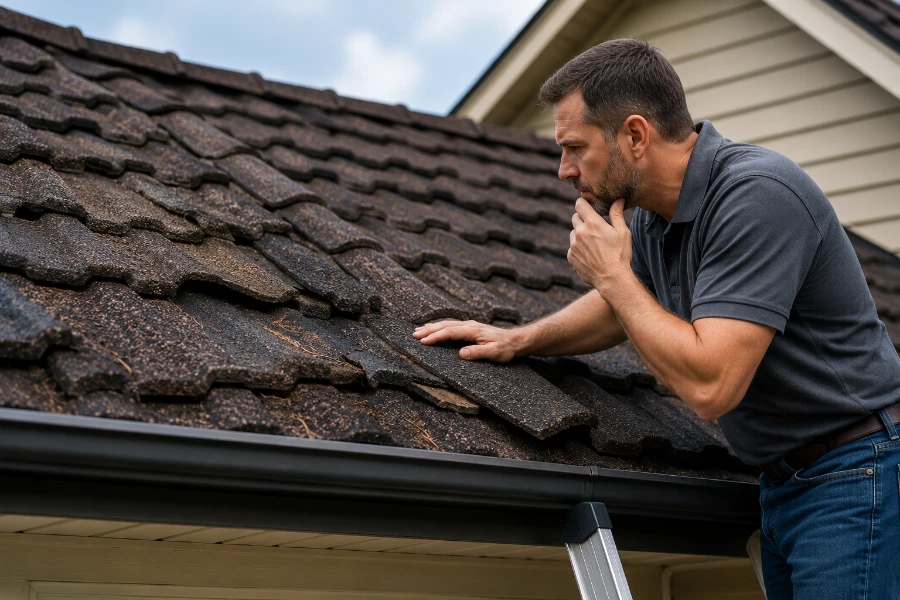
One goal of a Stone Coated Roof Maintenance Checklist is identifying issues early enough to avoid expensive repairs.
Interior Warning Signs
Pay attention to:
- Ceiling stains
- Water spots
- Peeling paint
- Mold growth
- Musty odors
These symptoms often indicate moisture intrusion.
Exterior Warning Signs
Outside the home, watch for:
- Damaged flashing
- Loose roof accessories
- Sagging gutters
- Missing components
- Storm damage
Small exterior problems can quickly affect interior spaces.
Structural Concerns
Some warning signs require immediate attention.
Examples include:
- Persistent leaks
- Roof deck movement
- Significant storm damage
- Structural sagging
Professional evaluation should never be delayed when structural concerns arise.
Professional Roof Maintenance vs DIY Maintenance
Tasks Homeowners Can Handle
Many routine maintenance tasks are simple and safe.
Examples include:
- Visual inspections
- Gutter cleaning
- Debris removal
- Monitoring for warning signs
- Tree branch trimming from the ground
These tasks help homeowners stay proactive.
Tasks Best Left to Professionals
Some work requires specialized expertise.
Professional services are recommended for:
- Roof repairs
- Flashing replacement
- Leak diagnosis
- Storm damage assessments
- Detailed inspections
Attempting complex repairs without proper training can create bigger problems.
How Often Should Professional Inspections Be Scheduled?
Most homeowners benefit from a professional inspection every one to two years.
Additional inspections should occur after:
- Severe hailstorms
- Hurricane-force winds
- Falling tree impacts
- Major weather events
Regular professional assessments complement your own maintenance efforts.
Stone Coated Roof Maintenance Checklist at a Glance
For quick reference, use this simplified Stone Coated Roof Maintenance Checklist.
| Frequency | Maintenance Task |
|---|---|
| Monthly | Ground-level visual inspection |
| Monthly | Check gutters and drainage |
| Seasonal | Remove debris |
| Seasonal | Trim nearby branches |
| Seasonal | Inspect flashings |
| Annual | Complete roof inspection |
| Annual | Review sealants and accessories |
| Every 1–2 Years | Professional roof inspection |
| After Storms | Check for damage and leaks |
Final Thoughts
A stone coated roof is one of the most durable and attractive roofing investments a homeowner can make. However, even premium roofing systems benefit from consistent care.
Following a detailed Stone Coated Roof Maintenance Checklist helps protect your investment, improve performance, and extend the lifespan of your roof. Better yet, most maintenance tasks require very little time and can prevent costly repairs in the future.
The key is consistency.
Inspect regularly. Address small concerns quickly. Keep gutters clean. Remove debris before it becomes a problem. Schedule professional inspections when necessary.
When these habits become routine, your stone coated roof can continue delivering beauty, protection, and long-term value for decades to come.
FAQs
How often should a stone coated roof be inspected?A visual inspection should be performed seasonally, while a professional inspection is recommended every one to two years.
Do stone coated roofs require regular maintenance?Yes, although maintenance requirements are lower than many other roofing materials, routine inspections and cleaning help maximize lifespan.
Can I pressure wash a stone coated roof?No. High-pressure washing can damage the stone coating and reduce the roof’s protective qualities.
How long can a stone coated roof last with proper maintenance?Many stone coated roofs can last 40 to 70 years or more when properly installed and maintained.
What is the most important item on a Stone Coated Roof Maintenance Checklist?Keeping gutters clear and inspecting the roof after severe weather are among the most important maintenance tasks.
Can moss grow on a stone coated roof?It is less common than on other roofing materials, but moss can still develop in shaded, moisture-prone areas.
Should I inspect my roof after every storm?Yes. A quick visual inspection after hail, high winds, or heavy rain can help identify damage before it worsens.
Is it safe to walk on a stone coated roof?Walking on the roof should be avoided unless necessary, as improper foot traffic can damage roofing components and create safety risks.
What signs indicate my roof may need professional attention?Water stains, damaged flashing, persistent leaks, loose components, and storm-related damage should be evaluated by a roofing professional.
Can clogged gutters affect a stone coated roof?Yes. Blocked gutters can cause water overflow, drainage problems, and moisture-related damage that may impact the roofing system.