When homeowners begin researching premium roofing systems, one question almost always rises to the top: How Long Does Stone Coated Steel Roofing Really Last? It is a fair question. After all, a roof is one of the largest investments you can make in your home, and longevity plays a major role in determining whether that investment pays off.
The good news is that stone coated steel roofing has earned a reputation as one of the longest-lasting residential roofing materials available today. While traditional asphalt shingles may need replacement every couple of decades, a properly installed stone coated steel roof can often protect a home for 40, 50, 60, or even 70 years.
That’s impressive.
However, lifespan isn’t determined by materials alone. Installation quality, climate, maintenance, and product selection all influence how long your roof will continue performing at a high level.
In this guide, we’ll take a deep dive into Stone Coated Steel Roofing Lifespan, what affects its longevity, and how homeowners can maximize the return on their roofing investment.
What Is Stone Coated Steel Roofing?
Before discussing lifespan, it’s important to understand what makes stone coated steel roofing unique.
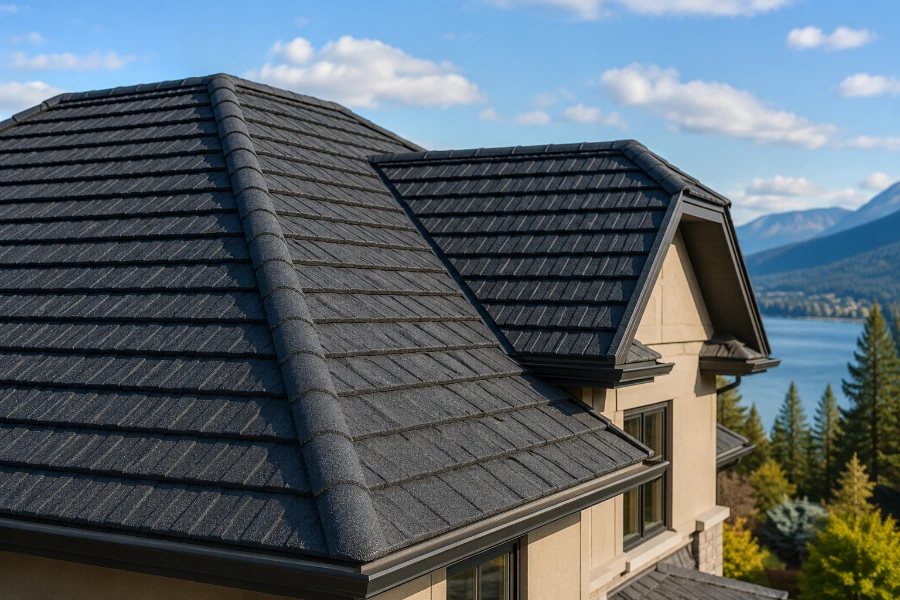
Stone coated steel roofing combines the strength of metal roofing with the aesthetic appeal of traditional roofing materials. The panels are engineered with multiple protective layers designed to resist weather, corrosion, and long-term wear.
A typical stone coated steel panel includes:
- Steel core for structural strength
- Protective metallic coating to resist corrosion
- Acrylic bonding layer
- Natural stone granule finish
- Protective clear overglaze
These layers work together to create a roofing system capable of handling decades of exposure to the elements.
Unlike exposed metal roofs, the stone-coated surface provides texture, style, and additional protection while reducing glare and enhancing curb appeal.
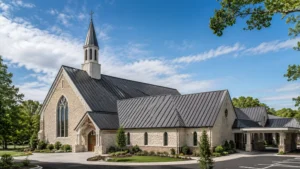
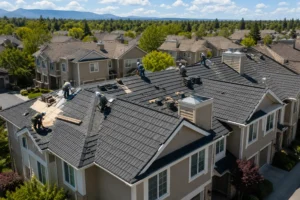
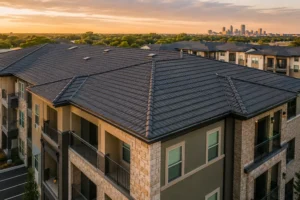
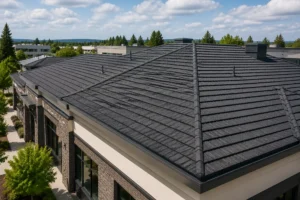
The result is a roof that looks like shingles, shake, slate, or tile while delivering the durability benefits of steel.
What is the expected lifespan of a stone coated steel roof?
Let’s address the question directly.
The average stone coated steel roofing lifespan ranges between 40 and 70 years.
Many premium systems remain functional even longer when installed correctly and maintained properly.
Manufacturers commonly offer warranties ranging from 30 years to lifetime limited coverage. However, actual service life often exceeds warranty periods because stone coated steel roofing is designed to resist many of the issues that shorten the lifespan of conventional roofing materials.
Several factors contribute to this longevity:
- Resistance to moisture
- Resistance to wind damage
- Protection against hail
- Fire resistance
- UV protection
- Reduced thermal expansion issues
When homeowners ask, how long does stone coated steel roofing really last, the practical answer is often long enough that it may be the last roof they ever install.
Real-World Performance vs Manufacturer Warranties
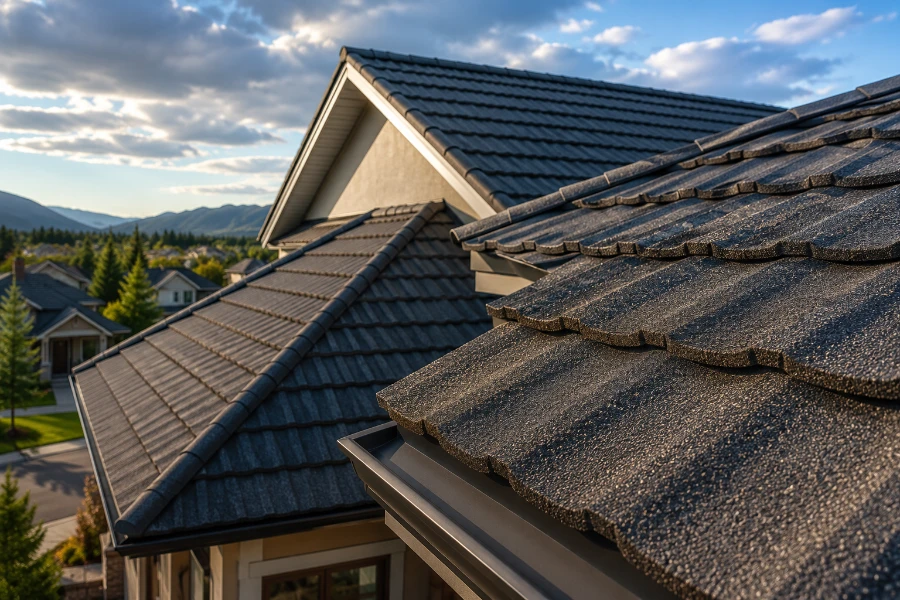
There is often confusion between warranty coverage and expected lifespan.
A warranty is a contractual promise from the manufacturer. Lifespan refers to how long the roof continues functioning effectively.
For example, a roof carrying a 50-year warranty may continue protecting the home well beyond that period if it receives proper care.
Conversely, poor installation can shorten performance regardless of warranty length.
That’s why experienced roofing professionals consistently emphasize installation quality as one of the most important factors influencing roof longevity.
A premium roof installed incorrectly can underperform.
A quality roof installed properly can exceed expectations.
Why Stone Coated Steel Roofing Lasts So Long
The durability of stone coated steel roofing isn’t accidental. It is the result of engineering designed specifically to combat the common causes of roof failure.
Corrosion Resistance
One of the greatest threats to many roofing systems is moisture.
Water intrusion can lead to:
- Rot
- Mold growth
- Structural deterioration
- Material breakdown
Stone coated steel roofing addresses this challenge through multiple protective layers that shield the steel core from exposure.
The metallic coatings applied during manufacturing help prevent rust and corrosion even in humid environments.
The protective layers used in modern roofing systems are engineered to reduce surface wear and environmental degradation. Similar principles are studied in the field of tribology, which examines friction, wear, and material interactions over time.
This is particularly important for coastal regions where salt exposure can accelerate deterioration in lesser roofing materials.
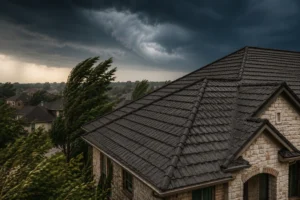
Superior Wind Resistance
Wind damage is among the most common causes of roof replacement.
Traditional shingles can lift, curl, crack, or blow away during severe storms.
Stone coated steel roofing systems are engineered to resist extreme wind conditions.
Many products are rated to withstand wind speeds exceeding 120 miles per hour, with some systems tested at even higher thresholds.
For homeowners living in hurricane-prone or tornado-prone areas, this level of protection can significantly extend roof life.
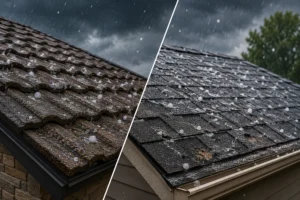
Exceptional Hail Performance
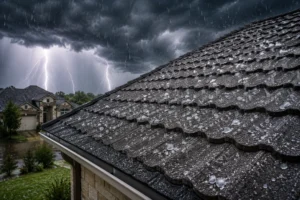
Hailstorms cause billions of dollars in roofing damage every year.
Asphalt shingles often suffer granule loss, bruising, cracking, and punctures after severe hail events.
Stone coated steel roofing performs differently.
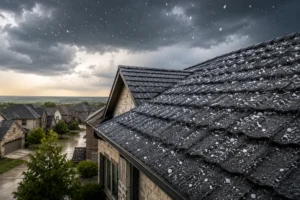
The steel substrate helps absorb impacts while maintaining structural integrity. While extremely large hail can damage any roofing material, stone coated steel roofs generally demonstrate impressive resilience compared to many alternatives.
This impact resistance contributes directly to the long-term durability homeowners expect.
Fire Resistance
Fire protection is another major advantage.
Many stone coated steel roofing products achieve Class A fire ratings, which represent the highest level of fire resistance available for residential roofing.
Fire resistance does more than improve safety.
It also helps preserve the integrity of roofing materials over time by reducing susceptibility to heat-related degradation.
UV Protection
Sunlight may seem harmless compared to hail or hurricanes, but ultraviolet radiation is one of the most relentless forces affecting roofing systems.
Day after day.
Year after year.
UV exposure gradually breaks down many roofing materials.
Stone coated steel roofing is specifically designed to withstand prolonged exposure to sunlight without suffering the same level of deterioration often seen in asphalt-based products.
Roofing materials constantly expand and contract as temperatures change. Understanding the science behind thermal expansion helps explain why premium roofing systems are designed to accommodate movement without compromising performance.
This is especially valuable in regions that experience intense sun and heat throughout the year.
Factors That Affect Stone Coated Steel Roofing Lifespan
Even though stone coated steel roofs are incredibly durable, no roofing material is completely immune to external influences.
Several factors play a role in determining whether a roof reaches the lower or upper end of its expected lifespan.
Installation Quality
If I could emphasize one factor above all others, it would be installation quality.
A roof is only as good as its installation.
Improper installation can create problems such as:
- Water infiltration
- Improper ventilation
- Loose fasteners
- Flashing failures
- Wind uplift vulnerabilities
Choosing an experienced contractor familiar with stone coated steel systems is one of the smartest investments homeowners can make.
The difference between a roof lasting 40 years and 70 years may begin on installation day.
Climate Conditions
Local weather matters.
Roofs in moderate climates often experience less stress than roofs subjected to constant storms, coastal salt spray, or extreme temperature fluctuations.
Common environmental factors include:
- Hurricane-force winds
- Heavy snow loads
- Hailstorms
- Salt air exposure
- Intense UV radiation
- Freeze-thaw cycles
Fortunately, stone coated steel roofing performs exceptionally well across a wide range of climates, which helps explain its growing popularity nationwide.
Maintenance Practices
One reason homeowners love stone coated steel roofing is its relatively low maintenance requirements.
Low maintenance, however, does not mean no maintenance.
Simple steps can significantly extend service life:
- Remove debris from valleys
- Keep gutters clear
- Inspect flashing annually
- Address minor repairs promptly
- Schedule professional inspections after major storms
A small issue addressed early is almost always less expensive than a major repair later.
Product Quality
Not all roofing products are created equally.
Premium manufacturers invest heavily in:
- Steel thickness
- Protective coatings
- Stone granule adhesion
- Quality control processes
- Impact testing
Choosing a reputable manufacturer often translates into better long-term performance and a longer overall lifespan.
Stone Coated Steel Roofing Compared to Other Roofing Materials
Homeowners comparing premium roofing materials often evaluate stone coated vs concrete tile roofing to determine which option offers the best balance of durability, weight, maintenance, and long-term value.
When evaluating roofing options, comparing expected lifespan can provide valuable perspective.
| Roofing Material | Average Lifespan |
| Asphalt Shingles | 15–30 Years |
| Wood Shake Roofing | 20–40 Years |
| Concrete Tile Roofing | 30–50 Years |
| Clay Tile Roofing | 50–100 Years |
| Standing Seam Metal Roofing | 40–70+ Years |
| Stone Coated Steel Roofing | 40–70+ Years |
This comparison illustrates why so many homeowners researching how long does stone coated steel roofing really last ultimately view it as a long-term investment rather than a short-term roofing solution.
Which Roofing Material Delivers the Best Long-Term Value?
Initial cost often receives the most attention.
Long-term value deserves equal consideration.
A less expensive roof that requires replacement twice during your ownership period may ultimately cost more than a premium roof installed once.
Stone coated steel roofing frequently delivers value through:
- Fewer replacement cycles
- Lower maintenance costs
- Improved durability
- Better weather resistance
- Potential insurance discounts
- Strong curb appeal
When evaluating cost over several decades, the numbers often become surprisingly favorable.
Signs Your Stone Coated Steel Roof Is Aging
Even the most durable roofing systems eventually show signs of wear.
Recognizing those signs early allows homeowners to address minor issues before they become major concerns.
What Homeowners Should Watch For
Although stone coated steel roofs age gracefully, periodic inspections remain important.
Look for:
- Damaged flashing
- Loose or displaced panels
- Fastener issues
- Storm-related impact damage
- Excessive surface wear
- Debris accumulation in valleys
Most of these issues can be repaired without requiring a complete roof replacement.
That’s one of the advantages of investing in a premium roofing system.
When Repairs Make More Sense Than Replacement
Many roofing materials reach a point where replacement becomes the only practical solution.
Stone coated steel roofing often offers a different outcome.
Localized damage can frequently be repaired without affecting the rest of the roof system.
This flexibility helps extend service life and reduces long-term ownership costs.
A professional inspection can determine whether repairs are sufficient or whether replacement should be considered.
Can Stone Coated Steel Roofing Last a Lifetime?
This question comes up frequently.
The answer depends on how you define “lifetime.”
Understanding the Lifetime Roof Concept
For many homeowners, a lifetime roof means a roof that lasts as long as they own the property.
In that context, stone coated steel roofing often qualifies.
If a homeowner installs a roof in their 40s or 50s and the roof lasts 50 to 70 years, replacement may never become necessary during their ownership period.
That’s a powerful advantage.
Real-World Longevity
While every property is different, there are numerous examples of metal roofing systems performing exceptionally well after decades of service.
The combination of corrosion resistance, impact resistance, and structural strength allows stone coated steel roofing to maintain performance long after many traditional roofing materials have reached the end of their useful life.
This is one reason the question Stone Coated Steel Roofing Lifespan continues to attract attention from homeowners seeking a long-term roofing solution.
How to Maximize the Life of Your Stone Coated Steel Roof
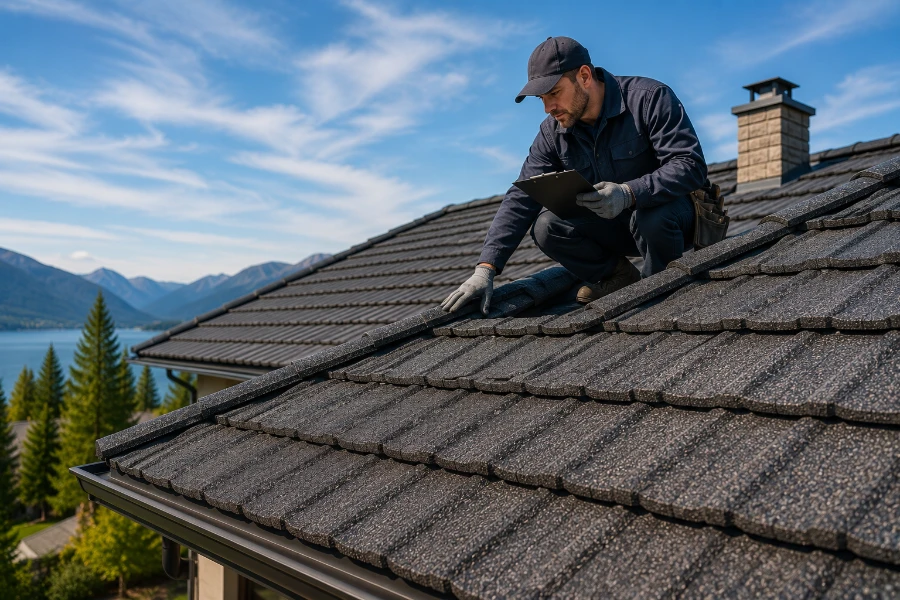
The good news is that extending roof lifespan doesn’t require extensive effort.
Small proactive steps can make a meaningful difference.
Annual Inspection Checklist
Consider reviewing the following items once each year:
| Inspection Area | What to Check |
| Roof Surface | Damage, debris, loose panels |
| Flashing | Cracks, gaps, deterioration |
| Gutters | Blockages and drainage issues |
| Valleys | Accumulated leaves and debris |
| Ventilation | Proper airflow and moisture control |
These inspections can help identify potential concerns before they become expensive repairs.
Professional Maintenance Recommendations
Even experienced homeowners benefit from occasional professional inspections.
Roofing professionals can identify issues that may not be visible from the ground.
Many experts recommend inspections:
- Annually
- After major hailstorms
- After hurricanes or severe wind events
- Following significant roof impacts
Preventive maintenance is almost always less expensive than emergency repairs.
Avoiding Common Mistakes That Shorten Roof Life
Several homeowner mistakes can unnecessarily reduce roofing lifespan.
Avoid:
- Pressure washing roofing panels
- Walking on the roof unnecessarily
- Ignoring minor repairs
- Allowing debris accumulation
- Hiring inexperienced contractors for repairs
Protecting the roof from avoidable damage helps preserve its performance for decades.
Is Stone Coated Steel Roofing Worth the Investment?
By now, it’s clear that longevity is one of the biggest selling points of this roofing system.
However, lifespan is only part of the equation.
Upfront Cost vs Long-Term Savings
Stone coated steel roofing generally costs more upfront than asphalt shingles.
That can create hesitation.
However, when viewed through a long-term ownership lens, the value proposition becomes easier to understand.
Potential financial benefits include:
- Fewer roof replacements
- Reduced maintenance costs
- Lower storm-related repair expenses
- Enhanced resale appeal
- Improved durability in harsh weather conditions
Over time, these benefits can offset a significant portion of the initial investment.
Who Benefits Most From Stone Coated Steel Roofing?
Stone coated steel roofing may be especially attractive for:
- Long-term homeowners
- Coastal property owners
- Homes in hail-prone regions
- Areas with severe weather
- Homeowners seeking low-maintenance solutions
- Luxury and custom-built homes
For these property owners, the combination of aesthetics and durability often delivers exceptional value.
Final Thoughts
So, how long does stone coated steel roofing really last?
In most cases, homeowners can reasonably expect a quality stone coated steel roof to last between 40 and 70 years, with some systems potentially exceeding that range under ideal conditions.
That’s remarkable longevity.
The actual lifespan will depend on several factors, including product quality, installation workmanship, climate conditions, and ongoing maintenance. Nevertheless, few residential roofing materials can match the combination of durability, weather resistance, aesthetic appeal, and long-term value offered by stone coated steel roofing.
For homeowners looking beyond the next decade and planning for the next several decades, stone coated steel roofing remains one of the smartest investments available. When properly installed and maintained, it has the potential to provide reliable protection, strong curb appeal, and lasting peace of mind for generations.
FAQs
Most stone coated steel roofs last between 40 and 70 years, and some can exceed that lifespan with proper installation and maintenance.
Stone coated steel roofing typically lasts much longer than asphalt shingles and offers superior resistance to wind, hail, and fire.
Modern stone coated steel roofing is designed with protective coatings that help prevent rust and corrosion for decades.
Maintenance is generally minimal and includes periodic inspections, debris removal, and keeping gutters clean.
While no roof is completely damage-proof, stone coated steel roofing is highly impact-resistant and often performs better than many traditional roofing materials during hailstorms.
High-quality stone coated steel roofing is manufactured with UV-resistant finishes that help maintain color and appearance over time.
Yes, many stone coated steel roofing systems are engineered to resist corrosion and perform well in coastal environments.
Walking on the roof should be limited and done carefully, as improper foot traffic can potentially damage panels or coatings.
Many homeowners find that the durability, appearance, and longevity of stone coated steel roofing can enhance a property’s market appeal.
For homeowners planning to stay in their homes long-term, the extended lifespan and reduced replacement costs often make it a worthwhile investment.