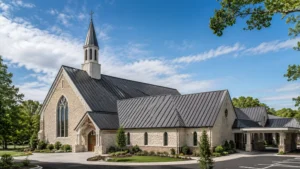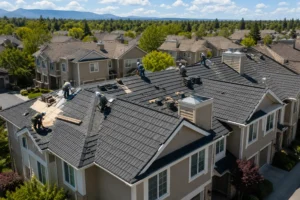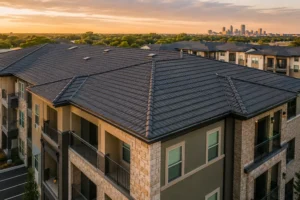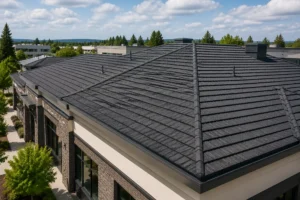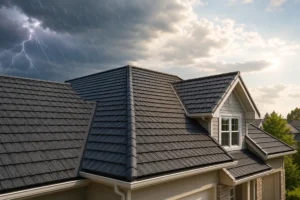
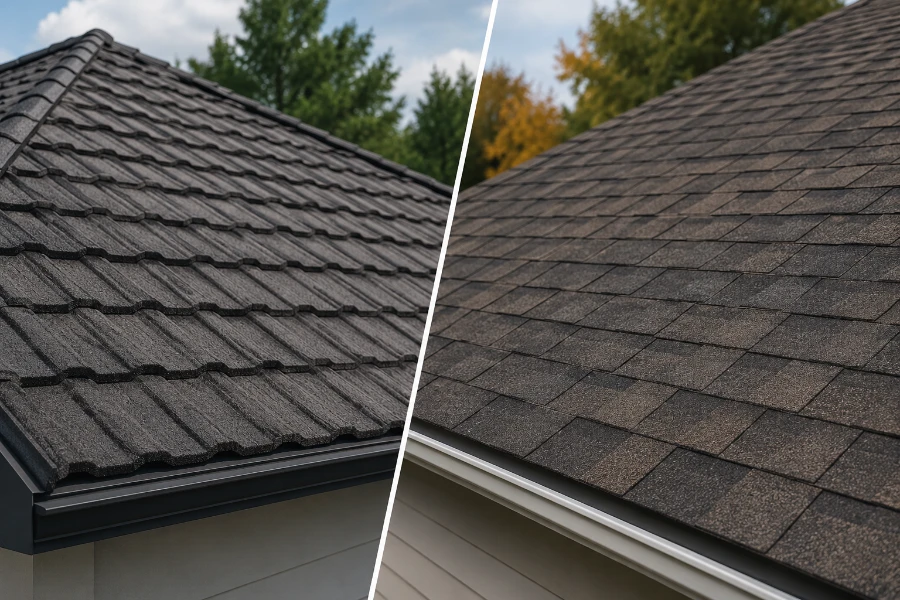
Choosing a new roof isn’t something most homeowners do often. In fact, for many people, it’s a once-or-twice-in-a-lifetime investment. That makes comparing stone coated roof vs impact resistant shingles far more important than simply picking the least expensive option. The roof you install today affects your home’s protection, maintenance costs, insurance premiums, energy efficiency, and resale value for decades.
At first glance, both roofing systems promise durability and better weather resistance than traditional asphalt shingles. However, they achieve those goals in very different ways. One relies on a steel foundation covered with natural stone granules, while the other improves upon conventional asphalt by using reinforced materials engineered to withstand stronger impacts.
So, which one is the smarter investment?
The answer depends on your climate, budget, long-term plans, and how much maintenance you’re willing to handle over the years. In this guide, we’ll compare every major category—from durability and lifespan to installation, maintenance, and energy efficiency—so you can confidently decide which roofing system best fits your home.
Understanding Stone Coated Roofing
What Is a Stone Coated Roof?
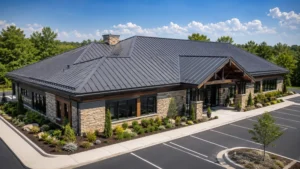
A stone coated roof combines the strength of metal roofing with the timeless appearance of traditional roofing materials. Rather than exposing bare steel, manufacturers apply layers of protective coatings and finish each panel with natural stone granules. The result is a roof that resembles shingles, slate, or clay tile while delivering the structural strength of steel.
Unlike standing seam metal roofs that have a distinctly modern appearance, stone coated roofing blends into virtually every architectural style. From ranch homes to luxury estates, homeowners can achieve a classic aesthetic without sacrificing durability.
Some of the most popular profiles include:
- Shake-style panels
- Slate-inspired designs
- Mediterranean tile profiles
- Traditional architectural shingle appearance
This versatility explains why stone coated roofing continues gaining popularity across regions prone to hail, hurricanes, and high winds.
How Stone Coated Roofing Is Manufactured
The manufacturing process is designed to maximize longevity.
A typical stone coated roofing panel begins with a Galvalume steel or galvanized steel core, followed by corrosion-resistant coatings, an acrylic bonding layer, natural stone granules, and a protective clear finish that enhances durability and weather resistance.
A typical stone coated roofing panel includes several protective layers:
| Layer | Purpose |
| Steel core | Structural strength |
| Zinc or aluminum-zinc coating | Corrosion protection |
| Acrylic bonding layer | Holds stone granules securely |
| Natural stone chips | UV protection and appearance |
| Clear protective coating | Prevents fading and weathering |
Each layer contributes to the roof’s overall performance. Instead of relying on thick asphalt for impact protection, the steel substrate absorbs much of the force while the stone coating shields the surface from sunlight and daily weather exposure.
What Are Impact Resistant Shingles?
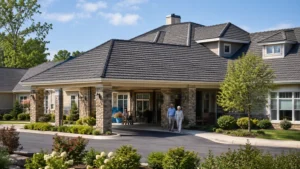
Impact resistant shingles represent an upgraded version of traditional asphalt roofing. While they maintain the familiar appearance homeowners expect, they’re manufactured with stronger materials that resist cracking and punctures caused by hail or wind-driven debris.
Many premium products include:
- Polymer-modified asphalt
- Fiberglass reinforcement
- Flexible SBS rubber compounds
- Enhanced adhesive strips
These improvements allow the shingles to flex during impacts instead of fracturing like standard asphalt products.
Understanding Class 4 Impact Ratings
One feature you’ll frequently encounter during a stone coated roof vs impact resistant shingles comparison is the Class 4 impact rating.
Class 4 is the highest rating awarded under UL 2218 testing.
During testing, steel balls are dropped from varying heights onto roofing samples. To earn a Class 4 rating, the roofing product must resist cracking without exposing its underlying materials.
It’s important to understand what this rating does—and doesn’t—mean.
A Class 4 rating indicates excellent resistance to hail impacts under controlled testing conditions. It does not guarantee a roof will never suffer cosmetic damage or require repairs after a major storm.
Materials Used
Modern impact resistant shingles are commonly built using:
- SBS modified asphalt
- Fiberglass mats
- Polymer additives
- Ceramic-coated mineral granules
Together, these materials improve flexibility and durability while maintaining the familiar appearance of asphalt roofing.
Stone Coated Roof vs Impact Resistant Shingles: Side-by-Side Comparison
Before diving into individual categories, here’s a quick overview.
| Feature | Stone Coated Roof | Impact Resistant Shingles |
| Primary Material | Steel with stone coating | Modified asphalt |
| Average Lifespan | 40–70+ years | 25–40 years |
| Hail Resistance | Excellent | Very Good |
| Wind Resistance | Exceptional | Good to Excellent |
| Fire Rating | Class A | Often Class A |
| Maintenance | Low | Moderate |
| Weight | Lightweight | Moderate |
| Initial Cost | Higher | Lower |
| Long-Term Value | Outstanding | Good |
Although both roofing systems outperform conventional asphalt shingles, their long-term ownership experiences differ considerably.
Durability Comparison
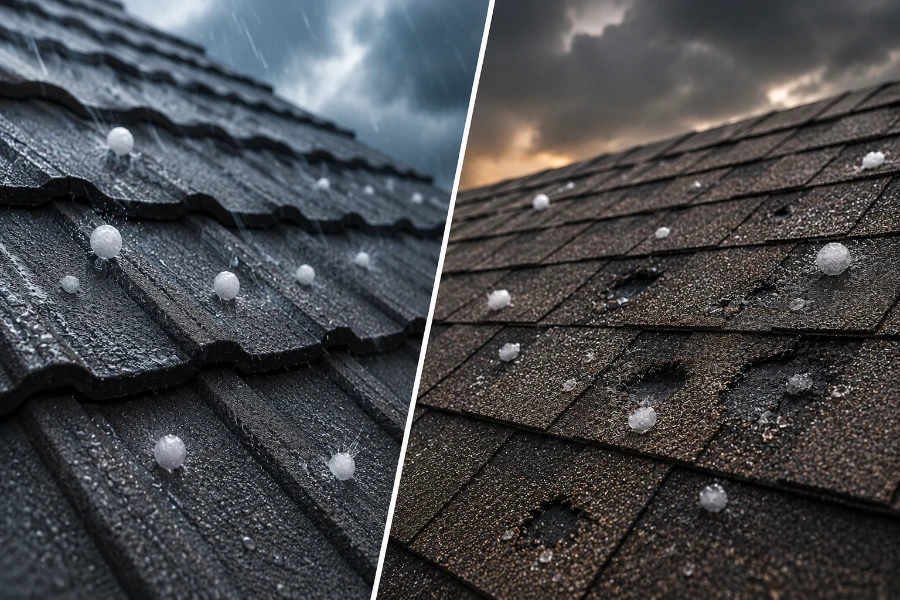
Durability often becomes the deciding factor for homeowners investing in premium roofing.
After all, replacing a roof is expensive. Nobody wants to repeat the process sooner than necessary.
Performance During Hailstorms
Hail is one of the biggest threats to roofing systems across the United States.
Stone coated roofing performs exceptionally well because its steel base resists penetration. While extremely large hailstones may occasionally leave small cosmetic dents, structural integrity usually remains intact.
Impact resistant shingles approach hail protection differently.
Their flexible asphalt composition absorbs energy, reducing the likelihood of cracking compared to conventional shingles. However, repeated hail events over many years may gradually weaken the roofing system.
In areas with frequent severe storms, stone coated roofing generally provides superior long-term protection.
Wind Resistance
High winds test every roofing system.
Stone coated panels are mechanically fastened together, creating an interconnected system that resists uplift remarkably well.
Many premium products are rated to withstand wind speeds exceeding 120 mph, while some systems surpass 150 mph depending on installation methods.
Impact resistant shingles also perform well, especially premium architectural products featuring reinforced adhesive strips.
Still, because each shingle remains an individual piece, they generally have more potential points of failure during extreme wind events.
Resistance to Falling Debris
Storms rarely involve hail alone.
Tree branches, airborne debris, and falling objects can all damage roofing materials.
Stone coated steel offers greater resistance to punctures than asphalt-based systems, making it particularly attractive for homes surrounded by mature trees.
Lifespan and Long-Term Performance
One of the largest differences in the stone coated roof vs impact resistant shingles debate involves expected lifespan.
A longer-lasting roof reduces replacement costs while minimizing disruptions over decades of homeownership. If you’d like a deeper dive into longevity, read our guide on how long do stone coated roofs last, where we explain the factors that determine how long these roofing systems can realistically perform.
Expected Service Life
Here’s how the two roofing systems typically compare.
| Roofing Material | Average Lifespan |
| Stone coated roofing | 40–70+ years |
| Impact resistant shingles | 25–40 years |
Actual performance depends on installation quality, maintenance, climate, and storm exposure.
Nevertheless, steel roofing consistently demonstrates exceptional longevity.
How Each Roof Ages
Every roofing material changes over time.
Stone coated roofing generally maintains its appearance because the protective coatings resist corrosion, fading, and excessive granule loss.
Impact resistant shingles age similarly to conventional asphalt roofs, although at a slower rate. Eventually, homeowners may notice:
- Minor granule loss
- Surface weathering
- Curling edges
- Color fading
These changes don’t necessarily indicate immediate failure, but they often signal the roof is approaching the latter stages of its service life.
Installation Differences
Installation quality influences every roof’s performance.
Even the most expensive materials cannot compensate for poor workmanship.
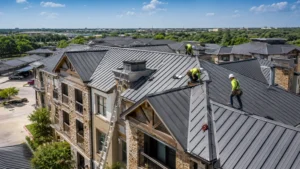
Installing Stone Coated Roofing
Stone coated roofing requires installers familiar with specialized fastening systems.
Depending on the product, installation may involve:
- Premium synthetic underlayment
- Direct-to-deck fastening
- Batten systems
- Specialized trims and flashings
Because installation differs from traditional asphalt roofing, homeowners should always hire contractors with proven experience installing stone coated products.
Installing Impact Resistant Shingles
Impact resistant shingles follow installation procedures similar to standard architectural shingles.
Roofing contractors generally:
- Install underlayment
- Apply starter strips
- Nail shingles in overlapping courses
- Install ridge caps and ventilation
Since many roofing companies already specialize in asphalt roofing, contractor availability is typically greater.
Maintenance Requirements
No roofing system is completely maintenance-free.
However, some require significantly less attention over the years.
Stone Coated Roofing Maintenance
Routine maintenance is surprisingly simple. Following a comprehensive stone coated roof maintenance checklist helps homeowners identify small issues before they become expensive repairs while maximizing the roof’s lifespan.
Homeowners should:
- Schedule annual inspections
- Remove accumulated debris
- Keep gutters clean
- Check flashings periodically
- Trim overhanging tree branches
Because steel doesn’t crack like asphalt, repairs are generally less frequent.
Impact Resistant Shingle Maintenance
Impact resistant shingles still require regular monitoring.
Recommended maintenance includes:
- Inspecting for missing shingles
- Watching for granule loss
- Cleaning moss and algae growth
- Replacing damaged sections promptly
- Checking seal integrity after major storms
Although maintenance isn’t excessive, it is generally more involved than with stone coated roofing.
Energy Efficiency Comparison
Roofing influences more than weather protection.
It also affects indoor comfort and energy costs.
Solar Reflectivity
Many stone coated roofing systems feature reflective coatings that improve solar reflectance, helping reduce heat absorption and lowering attic temperatures during hot summer months. This can contribute to improved indoor comfort while reducing cooling costs during warmer seasons.
Some impact resistant shingles also incorporate reflective granules, particularly products designed for hotter climates. However, not every impact resistant product offers this feature, making product selection especially important.
Insulation Performance
Energy efficiency extends beyond reflectivity.
Stone coated roofing often creates a small airspace between the roofing panels and roof deck, depending on installation methods. This additional airflow can improve ventilation and reduce heat transfer into the attic.
Combined with proper insulation and attic ventilation, homeowners may experience lower cooling demands during peak summer temperatures.
Impact resistant shingles also perform well when paired with quality ventilation systems, but they generally sit directly against the roof deck and don’t provide the same natural airflow benefits as many stone coated roofing systems.
Appearance and Curb Appeal
A roof is one of the first features people notice when they look at a home. While performance should always come first, appearance plays a significant role in property value and overall curb appeal.
Fortunately, both roofing systems offer attractive options. The difference lies in how long they maintain that appearance and the range of styles available.
Design Options
Stone coated roofing is designed to mimic premium roofing materials without their drawbacks. Whether your home features traditional architecture or a more contemporary style, there’s likely a profile that complements it.
Popular options include:
- Wood shake appearance
- Natural slate appearance
- Barrel tile profiles
- Traditional dimensional shingle designs
Because the panels are manufactured from steel, homeowners can enjoy the appearance of heavier roofing materials without placing additional structural loads on the home.
Impact resistant shingles, on the other hand, closely resemble conventional asphalt shingles. They are available in a wide variety of colors, textures, and architectural profiles, making them an excellent choice for homeowners who prefer a familiar look or need to comply with neighborhood design guidelines.
Color Retention
Appearance isn’t just about how a roof looks on installation day.
Years later, the finish matters just as much.
Stone coated roofing typically maintains its color exceptionally well because the natural stone granules are protected by acrylic coatings that resist fading from prolonged UV exposure.
Impact resistant shingles also feature durable mineral granules, but gradual fading and granule loss become more noticeable as the roof ages, particularly in regions with intense sunlight.
For homeowners planning to stay in their homes for decades, long-term appearance becomes another advantage in the stone coated roof vs impact resistant shingles comparison.
Cost Comparison

Price often dominates roofing decisions.
However, focusing only on the initial estimate can become expensive over time.
A roof should be viewed as a long-term investment rather than a short-term purchase.
Initial Installation Costs
Generally speaking, impact resistant shingles have the lower upfront cost.
Average pricing varies depending on the manufacturer, roof complexity, labor rates, and region, but homeowners can typically expect:
| Roofing System | Relative Initial Cost |
| Impact Resistant Shingles | $$ |
| Stone Coated Roofing | $$$$ |
Although stone coated roofing requires a larger initial investment, many homeowners recover a portion of that cost through lower maintenance expenses, longer service life, and fewer replacements.
Long-Term Ownership Costs
Ownership costs extend far beyond installation.
Over several decades, homeowners may pay for:
- Storm repairs
- Roof inspections
- Maintenance
- Partial replacements
- Complete reroofing
- Insurance deductibles after major weather events
Because stone coated roofing generally lasts significantly longer, many homeowners avoid paying for multiple roof replacements during the same ownership period.
Example: Cost Over 50 Years
The following example illustrates how long-term ownership costs may compare.
| Expense | Stone Coated Roof | Impact Resistant Shingles |
| Initial Installation | Higher | Lower |
| Routine Maintenance | Low | Moderate |
| Storm Repairs | Low | Moderate |
| Roof Replacement | Usually None | Often One Replacement |
| Estimated 50-Year Cost | Lower Overall | Higher Overall |
While every home differs, evaluating total lifetime costs instead of installation price alone often changes the conversation.
Insurance Considerations
Insurance companies increasingly recognize roofing materials that reduce storm-related claims.
That can directly benefit homeowners.
Potential Premium Discounts
Many insurers offer discounts for qualifying impact-resistant roofing products.
Eligibility depends on:
- State regulations
- Insurance carrier
- Roofing product
- Installation documentation
Both Class 4 impact resistant shingles and many stone coated roofing systems may qualify for premium reductions.
Homeowners should always verify available discounts with their insurance provider before installation.
Claims After Severe Weather
No roof is indestructible.
However, roofs that sustain less damage often simplify the claims process.
Stone coated roofing’s steel construction frequently withstands hail and wind better than asphalt-based materials, reducing the likelihood of widespread replacement after moderate storms.
Impact resistant shingles also perform exceptionally well compared to standard asphalt shingles, but repeated impacts over many years can gradually reduce their protective qualities.
Environmental Impact
Today’s homeowners increasingly consider sustainability alongside durability and price.
Roofing choices affect both.
Sustainability
Stone coated roofing offers several environmental advantages.
Many products contain recycled steel and remain fully recyclable at the end of their service life.
Because these roofs often last twice as long as asphalt products, fewer roofing materials enter landfills over time.
Impact resistant shingles improve upon traditional asphalt roofing by extending service life, but they still rely heavily on petroleum-based materials.
End-of-Life Disposal
When eventually removed, stone coated roofing panels can usually be recycled into new steel products.
By contrast, many asphalt shingles ultimately end up in landfills, although recycling programs continue expanding across parts of the United States.
For environmentally conscious homeowners, this difference can influence purchasing decisions.
Which Roof Is Better for Different Climates?
Climate plays a significant role in roofing performance.
The best roof in one region may not be the ideal choice somewhere else.
Areas with Frequent Hail
If hailstorms occur regularly, durability becomes the highest priority.
Stone coated roofing provides exceptional impact resistance because its steel foundation resists punctures and cracking.
Impact resistant shingles remain an excellent option, especially when homeowners want improved protection without moving away from traditional asphalt roofing.
Hurricane and High-Wind Regions
Strong winds test fastening systems more than roofing materials.
Stone coated roofing generally excels because interlocking panels create a highly secure roofing system capable of resisting significant wind uplift.
Many premium systems exceed wind ratings common among asphalt products.
Snow and Ice Climates
Heavy snow creates substantial roof loads.
Fortunately, both roofing systems perform well when properly installed.
Stone coated roofing sheds snow efficiently due to its smooth surface, helping reduce prolonged snow accumulation.
Hot Southern States
Homes in warmer climates benefit from roofing materials that minimize heat absorption.
Reflective stone coated roofing systems often provide an advantage by reducing attic temperatures and improving cooling efficiency.
However, premium cool-rated impact resistant shingles also offer excellent performance in southern climates.
Who Should Choose a Stone Coated Roof?
Stone coated roofing is often the better fit for homeowners who prioritize long-term value over initial savings.
It is particularly well suited for:
- Homeowners planning to stay in their homes for decades
- Areas with severe hail or high winds
- Luxury homes
- Low-maintenance lifestyles
- Maximum durability
- Long-term return on investment
Although the upfront investment is higher, the extended lifespan often justifies the additional cost.
Who Should Choose Impact Resistant Shingles?
Impact resistant shingles remain an outstanding choice for many homeowners.
They are especially appropriate for:
- Moderate remodeling budgets
- Homes requiring a traditional asphalt appearance
- Insurance discount opportunities
- Faster installation
- Shorter ownership timelines
They provide significantly better storm protection than conventional asphalt shingles while maintaining familiar aesthetics.
Final Verdict: Stone Coated Roof vs Impact Resistant Shingles
After comparing every major category, one conclusion becomes clear.
The stone coated roof vs impact resistant shingles decision isn’t simply about which roofing material is stronger. It’s about identifying the roofing system that best matches your home’s needs, your climate, and your long-term financial goals.
If your priority is minimizing upfront costs while gaining substantially better protection than standard asphalt shingles, impact resistant shingles are an excellent upgrade. They offer improved hail resistance, attractive styling, and potential insurance savings without dramatically increasing installation costs.
However, if you’re looking for maximum longevity, exceptional resistance to severe weather, minimal maintenance, and outstanding lifetime value, stone coated roofing often comes out ahead.
Although it requires a larger initial investment, many homeowners discover that the extended lifespan, reduced repair frequency, impressive curb appeal, and long-term durability make it one of the smartest roofing investments available.
Ultimately, the best roof is the one that continues protecting your home year after year with confidence. When viewed through the lens of total ownership rather than installation cost alone, it’s easy to see why more homeowners are choosing stone coated roofing as a lasting solution for decades to come.
FAQs
Stone coated roofs typically last longer and require less maintenance, while impact resistant shingles cost less upfront.
Stone coated roofs usually last 40–70+ years, while impact resistant shingles last about 25–40 years.
Yes. Its steel core provides excellent protection against hail and impact damage.
Yes, especially in hail-prone areas where they offer better protection and possible insurance savings.
No. Annual inspections and basic cleaning are usually enough.
Stone coated roofs often provide better heat reflection and ventilation.
Yes. Both can improve resale value, with stone coated roofs offering greater long-term appeal.
No. Proper installation and insulation keep indoor noise minimal.
Many insurers offer discounts for qualifying impact-resistant roofing products. Check with your provider.
Stone coated roofing generally provides the best long-term value due to its durability and lifespan.