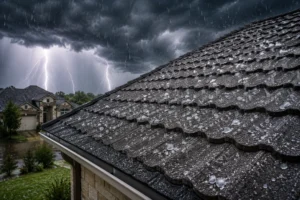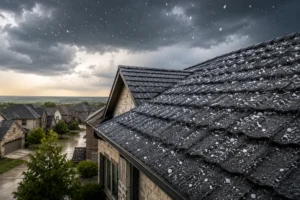
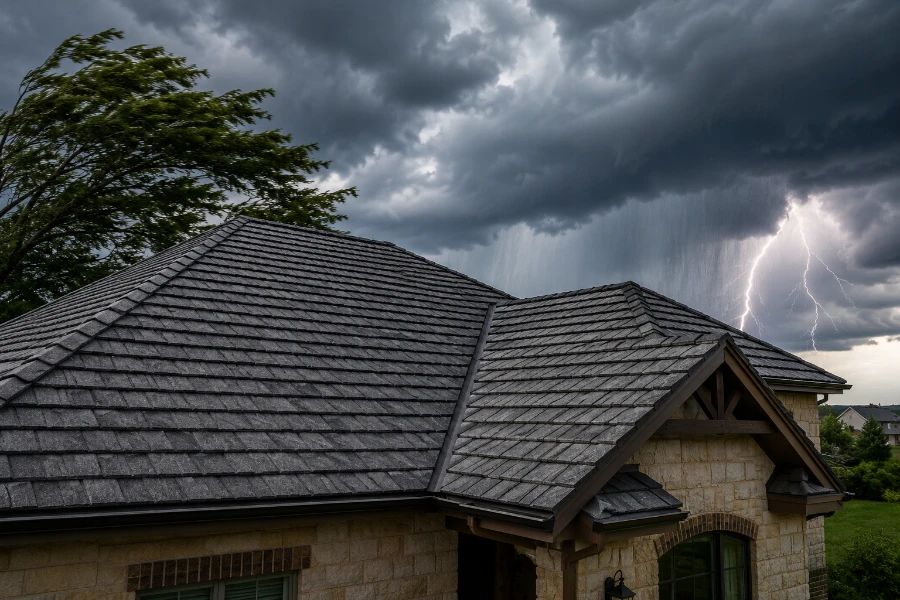
A severe hailstorm can leave more behind than dented gutters and scattered debris. It can compromise the very structure that protects your home. If you’re facing the possibility of a roof replacement after hail storm, acting quickly is essential. While some damage is obvious, much of it remains hidden until water finds its way inside. That delay can lead to expensive repairs, mold growth, and even structural issues.
Fortunately, understanding how hail affects different roofing materials and knowing when replacement makes more sense than repairs can save you time, money, and frustration. Throughout this guide, we’ll explain how to recognize hail damage, when to consider a full replacement, and why many homeowners are turning to stone-coated steel roofing for superior long-term protection.
How Hail Damages a Roof
Hailstorms are unpredictable. One neighborhood may experience only minor cosmetic damage, while another just a few streets away suffers significant roof failure. Because every storm is different, understanding how hail damages roofing systems is the first step toward making informed decisions.
What Happens During a Hailstorm
Hail forms inside powerful thunderstorms where strong updrafts repeatedly carry water droplets into freezing temperatures. As layers of ice accumulate, hailstones grow larger until gravity overcomes the storm’s upward force.
When these ice stones strike a roof, they do far more than leave visible dents. The force of impact depends on the hailstone’s size, density, wind speed, and angle of contact. Even hailstones measuring just one inch across can damage roofing materials if driven by strong winds.
Upon impact, each hailstone transfers considerable kinetic energy into the roofing material. Consequently, shingles may bruise, protective granules can loosen, flashing may bend, and hidden structural weaknesses may develop long before leaks become noticeable inside the home.
Common Types of Roof Damage
Not all hail damage looks the same. Different roofing materials respond differently to repeated impacts, making a professional inspection especially valuable.
Common forms of hail damage include:
- Bruised asphalt shingles
- Granule loss
- Cracked or split shingles
- Broken ridge caps
- Damaged flashing
- Dented roof vents
- Cracked skylights
- Damaged gutters and downspouts
- Exposed roofing underlayment
While some issues appear cosmetic, others reduce the roof’s ability to repel water. Over time, moisture infiltration accelerates deterioration and increases repair costs.
Why Some Damage Isn’t Immediately Visible
One of the biggest mistakes homeowners make is assuming that a roof is unharmed simply because it doesn’t leak immediately after a storm.
Unfortunately, hail often creates hidden weaknesses beneath the outer surface. Small fractures in shingles, loosened sealants, or damaged flashing may allow moisture to enter gradually. Weeks or even months later, those minor issues become stained ceilings, warped drywall, or mold growth.
That is why scheduling a professional inspection after a significant hailstorm is always a smart investment, even if the roof appears intact from the ground.
Signs You May Need Roof Replacement After Hail Storm
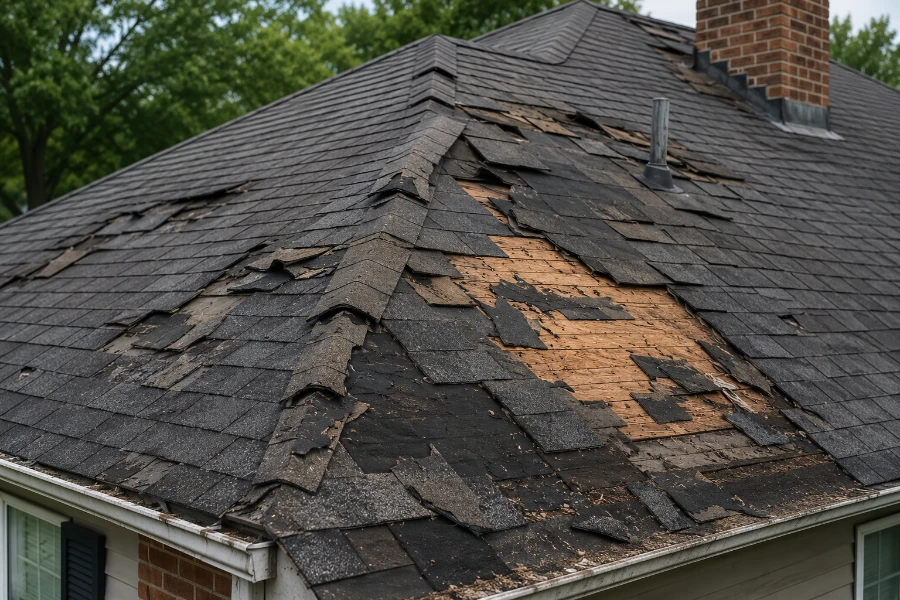
Not every hailstorm requires a new roof. However, recognizing the warning signs early allows homeowners to make better decisions before minor damage turns into major expenses.
Exterior Warning Signs
Start by inspecting the property from ground level. Never climb onto a potentially damaged roof unless you have the proper safety equipment and experience.
Watch for:
- Missing shingles
- Dark or bald patches where granules are missing
- Soft impact marks
- Cracked or torn shingles
- Dented metal flashing
- Damaged vents
- Dented gutters
- Granules collecting inside gutters
- Fallen roofing materials around the home
Even if only one roof slope appears damaged, the entire roofing system should still be evaluated.
Interior Warning Signs
Sometimes the first evidence of hail damage appears inside the home rather than outside.
Common indicators include:
- Water stains on ceilings
- Damp drywall
- Peeling paint
- Bubbling ceiling texture
- Mold growth
- Musty odors
- Wet attic insulation
- Sunlight visible through the attic roof deck
These warning signs often indicate that moisture has already bypassed the roof’s outer protective layer.
Professional Inspection vs. DIY Inspection
A visual inspection from the ground is useful, but it cannot identify every form of hail damage.
Professional roofing contractors evaluate areas that homeowners often overlook, including:
| Homeowner Inspection | Professional Inspection |
| Missing shingles | Hidden impact bruising |
| Fallen debris | Underlayment condition |
| Gutter dents | Flashing integrity |
| Ceiling stains | Deck moisture detection |
| Visible cracks | Ventilation assessment |
Professionals also document damage thoroughly, which becomes especially valuable if an insurance claim is necessary.
Roof Repair or Full Roof Replacement?
One of the most common questions homeowners ask is whether repairs are sufficient or whether a complete replacement is the better investment.
The answer depends on several factors.
When Repairs May Be Enough
Localized repairs may solve the problem when:
- Damage affects only a small section
- The roof is relatively new
- Matching replacement materials remain available
- No structural damage exists
- Underlayment remains intact
In these situations, replacing a few shingles or repairing flashing may restore the roof’s performance without requiring a full replacement.
When Full Replacement Makes More Sense
In many situations, however, a complete roof replacement after hail storm provides greater long-term value.
Replacement is often recommended when:
- Multiple roof slopes have sustained damage.
- Large sections of shingles have lost protective granules.
- Water has penetrated beneath the roofing material.
- The roof is approaching the end of its expected lifespan.
- Repeated repairs would cost nearly as much as replacement.
- Matching shingles are no longer manufactured.
Although replacing an entire roof requires a larger upfront investment, it frequently reduces future maintenance costs while restoring full protection.
Factors Roofing Contractors Evaluate
Experienced contractors consider numerous variables before recommending a replacement.
These include:
- Roof age
- Roofing material
- Overall structural condition
- Ventilation performance
- Number of damaged areas
- Existing repairs
- Underlayment condition
- Manufacturer warranty status
The goal is to determine whether repairs will provide lasting protection or merely postpone a much larger problem.
Roof Types and Their Response to Hail
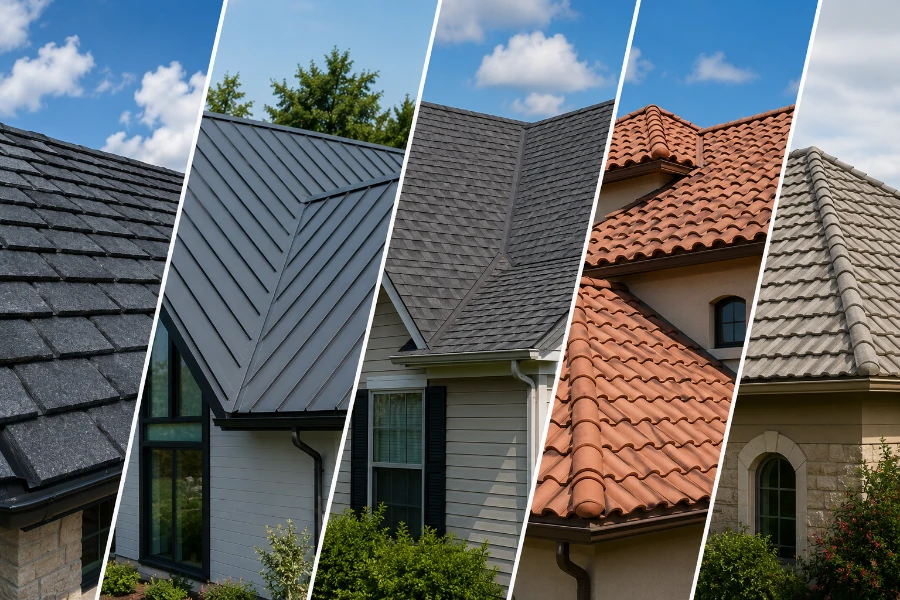
Every roofing material reacts differently when struck by hail. Understanding these differences helps homeowners choose the most durable option when planning a roof replacement after hail storm.
| Roofing Material | Hail Resistance | Typical Lifespan | Maintenance |
| Asphalt shingles | Moderate | 20–30 years | Moderate |
| Architectural shingles | Good | 30–40 years | Moderate |
| Metal roofing | Excellent | 40–70 years | Low |
| Stone-coated steel roofing | Excellent | 50+ years | Low |
| Clay tile | Good but brittle | 50+ years | Moderate |
| Slate | Excellent but fragile under impact | 75+ years | High |
| Wood shake | Fair | 20–30 years | High |
Asphalt Shingles
Traditional asphalt shingles remain one of the most common residential roofing materials because of their affordability. However, repeated hail impacts can loosen granules, crack shingles, and shorten their service life.
Architectural Shingles
Architectural shingles offer greater thickness and improved durability compared to standard asphalt products. Even so, severe hail can still bruise or fracture these shingles during intense storms.
Metal Roofing
Metal roofing performs exceptionally well during hailstorms. In many cases, impacts leave only cosmetic dents while preserving the roof’s waterproof performance.
Stone-Coated Steel Roofing
Stone-coated steel combines the strength of steel with the appearance of traditional roofing materials. The protective stone coating enhances durability while helping disperse impact forces from hail.
Tile Roofs
Clay and concrete tiles offer impressive longevity but can crack when struck by larger hailstones. Individual tile replacement may become necessary after severe storms.
Slate Roofs
Natural slate provides exceptional lifespan but is susceptible to breakage from heavy impacts. Repairs often require specialized installation techniques.
Wood Shake Roofs
Wood shakes provide natural beauty but require ongoing maintenance. Hail can split shakes, expose underlying materials, and accelerate moisture intrusion.
Why Stone-Coated Steel Is an Excellent Replacement Option
Choosing the right roofing material is one of the most important decisions you’ll make after storm damage. While many homeowners simply replace their old roof with the same material, upgrading during a roof replacement after hail storm often provides greater value over the life of the home.
Superior Impact Resistance
Stone-coated steel roofing is engineered to withstand severe weather, including hail. Its steel core absorbs impact far better than many conventional roofing materials, helping reduce the likelihood of cracking, splitting, or significant surface damage.
Long Service Life
Unlike many traditional roofing systems, stone-coated steel roofs are designed to perform for decades with minimal deterioration. Homeowners looking for a long-term investment can also explore How Long Does Stone Coated Steel Roofing Really Last? to better understand expected lifespan, maintenance requirements, and long-term value.
Wind Resistance
Many stone-coated steel roofing systems are tested to withstand high winds associated with severe storms and hurricanes. This added resilience helps reduce the chance of shingles lifting or detaching during extreme weather.
Fire Protection
Steel is a non-combustible material, making stone-coated steel roofing an excellent choice for homeowners seeking added fire resistance alongside superior storm protection.
Energy Efficiency
Many modern stone-coated steel roofing systems feature reflective coatings that help reduce heat absorption. As a result, homeowners may enjoy a more comfortable indoor environment while easing the workload on cooling systems during warmer months.
Lightweight Without Sacrificing Strength
Despite its exceptional durability, stone-coated steel is significantly lighter than clay or concrete tile. This reduced weight places less stress on the home’s structural framing while simplifying installation in many situations.
Beautiful Architectural Styles
Homeowners no longer have to choose between appearance and performance. Stone-coated steel roofing is available in profiles that resemble traditional shingles, wood shake, slate, and barrel tile. Consequently, it complements a wide range of architectural styles while delivering superior weather resistance.
Understanding Insurance Coverage for Hail Damage
Insurance can make a significant difference when facing a roof replacement after hail storm, but understanding the claims process before filing can help prevent unnecessary delays.
What Most Homeowners Insurance Policies Cover
Most homeowner insurance policies cover sudden and accidental hail damage. However, coverage varies depending on your policy, deductible, roof age, and local regulations.
Coverage commonly includes:
- Roof replacement or repairs
- Damaged flashing
- Roof vents
- Gutters and downspouts
- Interior water damage caused by the storm
- Temporary emergency repairs
Normal aging, neglect, or poor maintenance typically are not covered.
What Insurance Adjusters Look For
An insurance adjuster carefully examines the roof to determine whether hail caused the damage and whether replacement is justified.
During an inspection, adjusters often evaluate:
- Impact marks across multiple roof slopes
- Granule loss
- Broken or bruised shingles
- Roof age
- Previous repairs
- Signs of wear unrelated to hail
- Flashing and ventilation components
- Interior evidence of water intrusion
The more consistent the damage pattern, the stronger the claim tends to be.
Documentation That Strengthens Your Claim
Proper documentation can significantly improve the claims process.
Keep records of:
- Photos before cleanup
- Close-up photographs of roof damage
- Interior water damage
- Date of the storm
- Weather reports
- Professional inspection reports
- Contractor estimates
- Emergency repair receipts
The better your documentation, the easier it becomes to demonstrate that a roof replacement after hail storm is necessary.
Common Reasons Claims Are Reduced or Denied
Insurance companies may reduce or deny claims for several reasons.
Common examples include:
- Delayed reporting
- Poor maintenance history
- Existing damage unrelated to hail
- Insufficient documentation
- Wear and tear mistaken for storm damage
- Missed filing deadlines
Submitting accurate documentation promptly helps avoid many of these issues.
The Roof Replacement Process After a Hail Storm
Knowing what to expect helps reduce stress during a roofing project.
Initial Inspection
A qualified contractor begins by assessing the roof’s overall condition, documenting all storm-related damage, and determining whether repairs or replacement are the better solution.
Temporary Emergency Repairs
If active leaks exist, temporary tarping or protective coverings may be installed to minimize additional water damage while insurance approvals are pending.
Filing the Insurance Claim
After receiving the inspection report, homeowners should contact their insurance provider and schedule an adjuster inspection.
Choosing Roofing Materials
Material selection is one of the most important decisions in the project.
Consider:
- Durability
- Appearance
- Warranty
- Energy efficiency
- Wind resistance
- Hail resistance
- Long-term maintenance
Removing the Existing Roof
Old roofing materials are removed carefully to expose the roof deck for inspection.
Roof Deck Inspection
The decking underneath must be structurally sound before installation begins. Any damaged sections are replaced to ensure a stable foundation.
Installing Underlayment
Modern synthetic underlayments provide an additional moisture barrier beneath the finished roofing system.
Installing the New Roof
Once preparation is complete, installers secure the new roofing system according to manufacturer specifications and local building codes.
Final Inspection
The project concludes with a thorough inspection to verify workmanship, flashing installation, ventilation, and cleanup.
| Stage | Typical Activity |
| Inspection | Damage assessment |
| Temporary protection | Leak prevention |
| Insurance approval | Claim review |
| Material selection | Roofing choice |
| Tear-off | Remove old roof |
| Deck repairs | Structural corrections |
| Underlayment | Moisture protection |
| Roof installation | New roofing system |
| Final inspection | Quality verification |
Choosing the Right Roofing Contractor
The quality of installation is just as important as the roofing material itself.
Questions Every Homeowner Should Ask
Before signing a contract, ask:
- Are you licensed?
- Are you fully insured?
- Do you specialize in hail damage restoration?
- Can you provide local references?
- Are you manufacturer certified?
- What warranty do you offer?
- How long have you served this area?
- Will permits be handled for the project?
Choosing an experienced contractor greatly increases the likelihood of a successful roof replacement after hail storm.
Red Flags to Avoid
Unfortunately, severe storms often attract contractors looking to make quick sales.
Watch for:
- High-pressure sales tactics
- Requests for large upfront payments
- Cash-only pricing
- No written estimate
- No physical business location
- Extremely low bids
- Unwillingness to answer questions
Take your time. A reputable contractor welcomes informed homeowners.
How Much Does Roof Replacement After Hail Storm Cost?
Every roofing project is unique, so costs vary considerably.
Several factors influence pricing:
- Roof size
- Roof complexity
- Roof pitch
- Material selection
- Local labor costs
- Flashing replacement
- Ventilation upgrades
- Building code requirements
- Deck repairs
- Disposal fees
Rather than focusing only on initial price, homeowners should evaluate long-term value.
| Cost Factor | Impact on Overall Cost |
| Roof size | High |
| Roofing material | High |
| Roof pitch | Moderate |
| Deck repairs | Moderate |
| Flashing replacement | Moderate |
| Ventilation upgrades | Moderate |
| Labor availability | Moderate |
| Permit requirements | Low to Moderate |
Although stone-coated steel roofing may require a higher initial investment than standard asphalt shingles, its durability and lower maintenance requirements often result in greater value over the life of the roof.
Preventing Future Hail Damage
While no roof is completely immune to severe weather, homeowners can significantly reduce future storm damage through proactive maintenance and smarter material choices.
Choose Impact-Resistant Roofing
One of the most effective ways to protect your home is by selecting roofing materials specifically engineered to withstand hail impacts. If you’re comparing available options, read Stone Coated Roof vs Impact Resistant Shingles to understand the differences in durability, performance, and long-term value.
Schedule Regular Roof Inspections
Annual inspections help identify small problems before they become major repairs.
Professional inspections often reveal:
- Loose flashing
- Small punctures
- Sealant deterioration
- Early moisture intrusion
- Ventilation issues
Keep Gutters Clean
Proper drainage prevents water from backing up beneath roofing materials after heavy storms.
Trim Overhanging Trees
Tree branches can worsen hail damage by breaking and falling onto the roof during severe weather.
Improve Attic Ventilation
Proper ventilation reduces heat buildup and moisture accumulation, helping extend the lifespan of the roofing system.
Stay Informed About Severe Weather
Preparation begins before the storm arrives. Homeowners should monitor forecasts and severe weather alerts from the National Weather Service. Reliable weather information helps you prepare your property, document storm events, and arrange a roof inspection promptly after hail occurs.
Address Minor Damage Quickly
Small repairs performed early often prevent much larger problems later.
Mistakes Homeowners Should Avoid After a Hail Storm
The hours and days following a storm often determine whether the recovery process goes smoothly.
Avoid these common mistakes:
- Waiting weeks to schedule an inspection
- Assuming the roof is fine because there are no leaks
- Walking on a damaged roof without proper safety equipment
- Choosing the lowest bid without checking qualifications
- Failing to photograph damage immediately
- Throwing away damaged materials too soon
- Missing insurance deadlines
- Ignoring minor attic water stains
- Skipping the final walkthrough after installation
Taking a methodical approach helps ensure your roof replacement after hail storm delivers lasting protection rather than temporary peace of mind.
Conclusion
Recovering from a hailstorm can feel overwhelming, but making informed decisions protects both your home and your investment. While some roofs require only minor repairs, widespread damage, aging materials, or hidden moisture intrusion often make a roof replacement after hail storm the most practical long-term solution.
The key is acting quickly. Schedule a professional inspection, document every sign of damage, and work with an experienced contractor who understands both storm restoration and insurance requirements. Choosing durable materials can also make a significant difference. For many homeowners, stone-coated steel roofing offers an ideal combination of impact resistance, longevity, energy efficiency, and curb appeal, helping reduce future maintenance while standing up to harsh weather.
Every hailstorm is different, but one principle remains the same: the sooner you address roof damage, the better your chances of preventing more costly structural repairs. By investing in quality workmanship and a roofing system built for severe weather, you’ll gain confidence knowing your home is better prepared for whatever the next storm brings.
FAQs
A professional inspection is the best way to determine this. Extensive damage, multiple leaks, or an aging roof often make replacement the more cost-effective option.
Yes. Hail can weaken shingles, flashing, or underlayment, allowing moisture to penetrate gradually before leaks become visible.
Ideally, schedule an inspection within a few days of the storm. Prompt inspections help identify hidden damage and support any insurance claim you may file.
Many homeowners insurance policies cover hail damage if it results from a covered weather event. Coverage depends on your policy terms, deductible, and the extent of the damage.
Stone-coated steel roofing is one of the most impact-resistant options available, offering excellent durability, longevity, and weather performance.
You can perform a visual inspection from the ground, but avoid climbing onto the roof. A licensed roofing contractor can safely identify damage that may not be visible.
Most residential roof replacements are completed within one to three days, although larger or more complex roofs may require additional time.
Take clear photographs of the damage, save repair estimates and inspection reports, keep receipts for emergency repairs, and record the date of the hailstorm.
Delaying replacement can allow water intrusion and structural deterioration to worsen, potentially increasing repair costs and affecting insurance coverage.
Stone-coated steel roofs combine outstanding impact resistance, long service life, low maintenance, and attractive designs, making them an excellent long-term investment after severe storms.