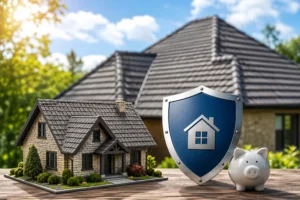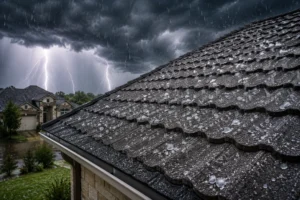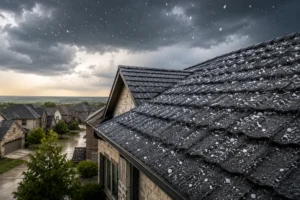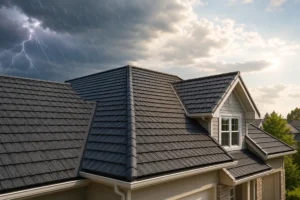
If you’ve been researching ways to reduce the long-term cost of homeownership, you’ve probably asked yourself, can stone coated roofing lower insurance premiums? It’s a fair question. A roof is one of the biggest investments you’ll make in your home, so it’s natural to wonder whether that investment could pay dividends beyond better protection. The answer isn’t as simple as yes or no, but in many cases, a stone coated roof can improve how insurers view your property and potentially qualify you for discounts.
That said, roofing material is only one piece of the puzzle. Insurance companies also evaluate your home’s location, weather risks, claims history, and many other factors before determining your premium. Still, installing a durable, impact-resistant roof can strengthen your position and reduce the likelihood of costly claims over time.
Let’s explore how stone coated roofing fits into the insurance equation and whether it’s the right choice for your home.
How Homeowners Insurance Companies Evaluate Roof Risk
Insurance companies operate on one basic principle: risk. The greater the chance they’ll have to pay for repairs or replacement, the higher your premium is likely to be.
Your roof plays a significant role because it’s your home’s primary shield against the elements.
Why Roofing Matters to Insurers
Every year, insurers process thousands of claims related to:
- Wind damage
- Hail impacts
- Falling trees
- Heavy rain
- Ice accumulation
- Fire
- Water intrusion
A stronger roof generally means fewer claims. That’s good for homeowners and insurance providers alike.
When an insurer sees a roofing system designed to withstand severe weather, it may consider the home less risky to insure.
Factors That Affect Insurance Premiums
Your roof isn’t evaluated in isolation. Instead, insurers typically review several variables together.
| Factor | Potential Impact |
| Roof age | Older roofs often cost more to insure |
| Roofing material | Durable materials may qualify for discounts |
| Home location | Weather risks vary by region |
| Previous claims | Frequent claims may increase premiums |
| Replacement cost | Higher home values typically require greater coverage |
| Deductible | Larger deductibles often reduce premiums |
| Local building codes | Modern construction standards can reduce risk |
A roof upgrade alone won’t always lower premiums, but it can improve your home’s overall risk profile.
What Is Stone Coated Roofing?
Stone coated roofing combines the strength of metal with the appearance of more traditional roofing materials. Many homeowners choose it because it offers the look of shingles, slate, or tile without many of the drawbacks associated with those materials.
How Stone Coated Roofing Is Made
A typical stone coated roofing panel includes multiple protective layers:
- Steel base
- Zinc-aluminum protective coating
- Primer
- Natural stone granules
- Acrylic overglaze (learn more about acrylic materials: Wikipedia – Acrylic)
Each layer contributes to durability, weather resistance, and longevity.
The stone granules also soften the appearance of the roof, making it visually appealing while protecting the underlying metal from prolonged UV exposure.
How It Differs From Traditional Roofing
Here’s a quick comparison.
| Roofing Material | Average Lifespan | Impact Resistance | Fire Resistance | Maintenance |
| Asphalt shingles | 20–30 years | Moderate | Good | Moderate |
| Wood shake | 20–30 years | Low | Poor | High |
| Clay tile | 50+ years | Moderate | Excellent | Moderate |
| Concrete tile | 50+ years | Moderate | Excellent | Moderate |
| Stone coated steel | 40–70 years | Excellent | Excellent | Low |
This combination of strength and longevity is one reason insurers often view stone coated roofs favorably.
Why Insurance Companies May View Stone Coated Roofs Favorably
When asking, can stone coated roofing lower insurance premiums, it helps to understand what insurers value most.
They’re looking for roofs that reduce the chance of expensive claims.
Exceptional Impact Resistance
Hail damage represents billions of dollars in insurance losses every year.
Many stone coated roofing systems achieve a Class 4 impact resistance rating—the highest available under common testing standards. While not every product is identical, Class 4 roofs generally perform better during hailstorms than many conventional asphalt roofs.
Fewer damaged shingles can translate into fewer insurance claims.
That’s exactly what insurers like to see.
Strong Wind Performance
Wind doesn’t just remove roofing materials. It exposes the underlying structure to water damage, mold, and expensive repairs.
Many stone coated roofing systems are engineered to resist:
- High wind uplift
- Flying debris
- Heavy rain
- Storm-driven moisture
This added resilience can be especially valuable in hurricane-prone or tornado-prone regions.
Fire Resistance
Wildfire concerns continue to grow in many parts of the country.
Many stone coated roofing products carry Class A fire ratings, offering excellent resistance to external fire exposure when installed as part of a qualifying roofing assembly.
For homeowners in wildfire-prone areas, this may be another factor insurers consider during underwriting.
Long Service Life
Insurance companies generally appreciate products that don’t require frequent replacement. As discussed in How Long Does Stone Coated Steel Roofing Really Last?, many stone coated roofing systems are designed to provide decades of reliable performance when properly installed and maintained. That longevity means fewer opportunities for age-related failures, reducing long-term risk.
Better Protection Against Water Intrusion
Water damage claims are expensive.
Because stone coated roofing systems are engineered to resist weather infiltration, they can help reduce leaks caused by:
- Wind-driven rain
- Lifted roofing panels
- Cracked roofing materials
- Aging shingles
Less water entering the home often means fewer costly insurance claims.
Can Stone Coated Roofing Actually Lower Insurance Premiums?

Now for the big question.
Can stone coated roofing lower insurance premiums?
Sometimes.
But not always.
Insurance discounts depend on multiple factors, including the insurer, the product installed, local regulations, and the home’s location.
Some companies actively reward homeowners who install impact-resistant roofing.
Others may not offer specific roofing discounts at all.
When Savings Are Most Likely
Homeowners often see the greatest potential savings when they live in areas affected by:
- Frequent hailstorms
- Hurricanes
- High winds
- Wildfire exposure
- Severe seasonal weather
In these regions, insurers experience more roofing claims, making durable roofing materials especially valuable.
Typical Discount Expectations
While every insurer uses different underwriting guidelines, roofing-related discounts often range from modest savings to more noticeable reductions for qualifying homes.
Instead of focusing solely on percentage savings, it’s better to evaluate the total financial picture.
Even a relatively small annual premium reduction can add up over the life of a roof that lasts 40 to 70 years.
What Insurance Companies Usually Require
Simply telling your insurance company that you’ve installed a stone coated roof usually isn’t enough.
Documentation matters.
Proof of Installation
Keep copies of:
- Contractor invoices
- Paid receipts
- Product information
- Warranty documentation
- Installation completion paperwork
The more organized your records, the smoother the review process becomes.
Product Certifications
Insurance companies may request documentation showing that your roofing product meets recognized performance standards.
Examples include:
- Class 4 impact resistance
- Fire-resistance certifications
- Wind performance testing
- Manufacturer specifications
These documents help verify the roof’s protective capabilities.
Inspection Requirements
Some insurers may request:
- Roof photographs
- Exterior inspections
- Underwriting reviews (learn more about how insurers evaluate risk through the National Association of Insurance Commissioners (NAIC) consumer resources)
- Property updates
Once approved, any applicable discount may be reflected at policy renewal.
Regional Differences in Insurance Savings
Location plays a surprisingly large role.
The same roof could produce meaningful savings in one state while generating little or no discount elsewhere.
Hail-Prone Regions
States with frequent hail damage often place greater value on impact-resistant roofing.
Examples include:
- Texas
- Colorado
- Oklahoma
- Kansas
- Nebraska
Here, durable roofing materials may significantly reduce expected claim frequency.
Hurricane-Prone Areas
Coastal regions frequently experience:
- Tropical storms
- Hurricanes
- Flying debris
- High winds
Homes equipped with roofing systems designed for extreme wind conditions may receive more favorable underwriting treatment.
Wildfire Regions
In parts of the western United States, fire-resistant construction has become increasingly important.
Roofs with strong fire performance may help reduce wildfire-related insurance risk.
Low-Risk Areas
If severe weather is uncommon where you live, roofing discounts may be smaller—or nonexistent.
That’s because insurers already expect fewer roof-related claims.
Financial Benefits Beyond Insurance Discounts
Even if your premium doesn’t decrease dramatically, stone coated roofing may still provide outstanding long-term value.
Longer Roof Lifespan
Replacing a roof is expensive.
A roof designed to last several decades may reduce lifetime replacement costs compared to materials that require more frequent replacement.
Lower Maintenance Costs
Durable roofing systems often require fewer repairs caused by:
- Wind
- Hail
- UV exposure
- Temperature fluctuations
Less maintenance means lower ownership costs over time.
Increased Property Value
Many buyers appreciate premium roofing materials.
A newer, durable roof can enhance curb appeal while increasing buyer confidence during a home sale.
Energy Efficiency
Some stone coated roofing systems feature reflective finishes that help reduce heat absorption.
Although energy savings vary by climate and attic insulation, lowering heat transfer into the home may reduce cooling demands during warmer months.
Situations Where Premiums May Not Change
It’s important to keep expectations realistic.
Installing a premium roof doesn’t automatically guarantee lower insurance costs.
Several situations may limit potential savings.
Your Insurance Company Doesn’t Offer Roofing Discounts
Every insurer has unique underwriting guidelines.
Some simply don’t provide discounts based on roofing material alone.
Other Risk Factors Carry More Weight
Your premium may be influenced more heavily by:
- Previous claims
- Flood exposure
- Crime rates
- Replacement cost
- Home age
- Liability coverage
In these cases, roofing becomes only one part of a much larger calculation.
Existing Discounts Already Offset Costs
If you already receive discounts for:
- Bundled insurance
- Security systems
- Loyalty
- Claims-free history
there may be less room for additional savings.
Questions to Ask Your Insurance Company Before Replacing Your Roof
Before signing a roofing contract, spend a few minutes talking with your insurance agent.
The answers may influence your decision.
Ask questions like:
- Do you offer discounts for impact-resistant roofing?
- Which roofing products qualify?
- Are Class 4 roofs eligible?
- Is documentation required?
- Will an inspection be necessary?
- How much could my premium change?
- Are wind mitigation credits available?
Getting answers before installation helps eliminate surprises later.
How to Maximize Potential Insurance Savings

If your goal is to improve both protection and insurability, a few simple steps can make a difference.
Hire an Experienced Roofing Contractor
Even the highest-quality roofing product performs best when installed correctly.
Improper installation can reduce performance and may even affect warranty coverage.
Save Every Document
Create a digital folder containing:
- Warranty
- Product brochures
- Certification documents
- Inspection reports
- Receipts
- Contractor information
You’ll have everything ready if your insurer requests proof.
Notify Your Insurance Carrier Promptly
Don’t wait until renewal.
Contact your insurer once the project is complete and provide all requested documentation.
The sooner your records are updated, the sooner any eligible discounts can be applied.
Is Stone Coated Roofing Worth the Investment?
For many homeowners, the answer extends well beyond insurance savings. Before making a final decision, it’s also worth reviewing the pros and cons of stone coated steel roofing.
Consider the broader picture.
A stone coated roof may provide:
- Decades of service
- Excellent weather resistance
- Reduced maintenance
- Improved curb appeal
- Strong resale appeal
- Potential insurance discounts
- Greater peace of mind
When viewed over the full life of the roof, these combined benefits often outweigh the higher initial installation cost.
Rather than focusing only on annual insurance premiums, consider total ownership costs over several decades.
That perspective often paints a much clearer picture of value.
Common Myths About Roofing and Insurance
Misconceptions are common when homeowners compare roofing options.
Let’s clear up a few.
Myth: Every New Roof Lowers Insurance
A new roof may improve your home’s condition, but discounts depend on your insurer’s underwriting guidelines and the roof’s performance characteristics.
Myth: All Metal Roofs Receive Discounts
Not every metal roof qualifies.
Some insurance programs require specific impact or fire-resistance certifications before applying credits.
Myth: Every Insurance Company Offers the Same Discount
Insurance companies use different pricing models.
A discount available from one carrier may not exist with another.
Myth: Roofing Material Is the Only Factor
Roofing is important, but insurers also evaluate dozens of additional variables before determining premiums.
Conclusion
So, can stone coated roofing lower insurance premiums? In many cases, yes—but there’s no universal guarantee. Much depends on your insurance provider, where you live, the roofing product you choose, and whether it meets recognized performance standards for impact, wind, or fire resistance.
Even if your premium only decreases modestly, the broader financial benefits can be substantial. A stone coated roof offers exceptional durability, lower maintenance needs, a longer service life, and added protection against severe weather. Those advantages can translate into fewer repairs, greater resale appeal, and lower ownership costs over time.
Before moving forward, speak with both a qualified roofing contractor and your insurance company. Confirm which products qualify for discounts, gather all installation documentation, and understand how the upgrade may affect your policy. Taking these steps helps ensure you get the greatest value from your investment—both today and for decades to come.
FAQs
Yes, some insurers offer discounts for qualifying stone coated roofs due to their durability and weather resistance.
Savings vary by insurer, location, and the roofing system installed.
No. Discount programs differ between insurance companies.
Its impact, wind, and fire resistance may reduce the risk of claims.
Yes. Most insurers require installation documents or product certifications.
In many cases, stone coated roofing offers greater durability and weather resistance.
Possibly. A qualifying new roof may improve the home’s insurability.
No. Routine inspections and basic maintenance are generally sufficient.
Yes. Ask about eligible discounts before choosing a roofing system.
For many homeowners, its durability and potential savings make it a worthwhile long-term investment.