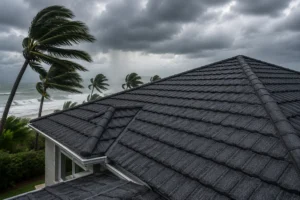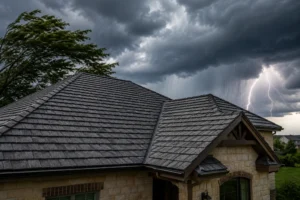
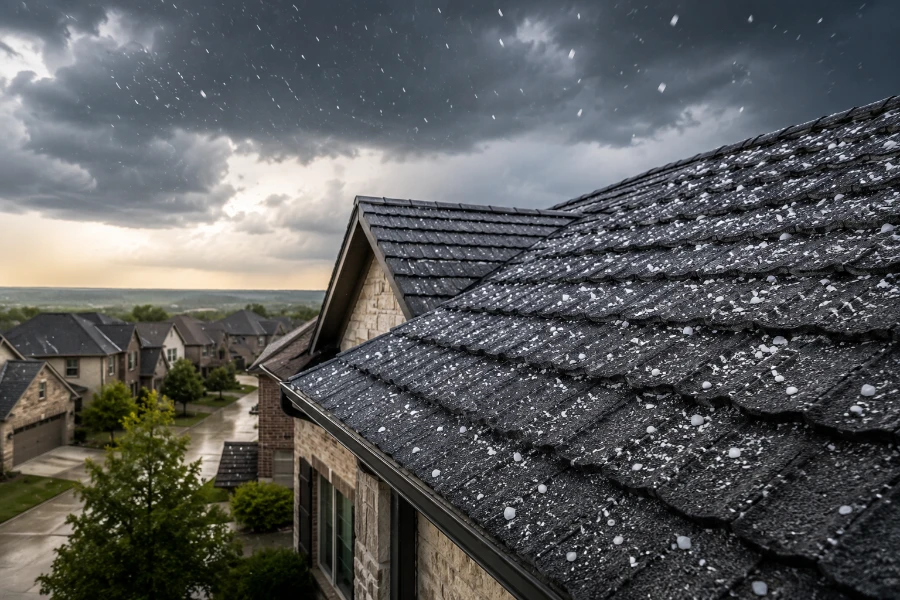
Texas homeowners understand one thing better than most: the weather can change in an instant. A sunny afternoon can quickly give way to hail, powerful winds, and heavy rain that leave neighborhoods dealing with costly roof repairs. That’s one of the biggest reasons Why Texas Insurance Companies Like Class 4 Roofs has become an increasingly common question among homeowners looking to protect both their property and their wallet.
Insurance companies don’t simply look at a roof’s appearance. They evaluate risk. The more likely a roof is to survive severe weather without significant damage, the lower the chances of an expensive insurance claim. Class 4 roofing systems have earned attention because they are specifically designed to withstand impacts that would damage many conventional roofing materials.
For homeowners considering a roof replacement, understanding why insurers often favor Class 4 roofs can help guide a smarter long-term investment. While insurance discounts are never guaranteed and vary by provider, installing a more durable roofing system may reduce repair costs, improve home protection, and potentially qualify for policy incentives.
Why Texas Experiences More Roof Insurance Claims Than Many States
Texas consistently ranks among the states with the highest number of weather-related insurance claims. The combination of geography, climate, and population growth creates unique challenges for both homeowners and insurers.
Frequent Hailstorms Across Texas
Few weather events are as destructive to roofing systems as hail. Every year, many parts of Texas experience storms capable of producing hailstones large enough to crack shingles, dent metal components, damage flashing, and shorten the lifespan of an otherwise healthy roof.
According to the National Weather Service, severe thunderstorms regularly develop across Texas during spring and early summer, although damaging hail can occur at almost any time of year. These storms often arrive with little warning, making roof durability especially important.
Some of the areas frequently affected include:
- Dallas-Fort Worth
- North Texas
- Central Texas
- The Texas Panhandle
- West Texas
- Portions of the Houston metropolitan area
Even relatively small hailstones can cause cumulative damage after repeated storms.
Wind Damage Is Equally Expensive
Hail often receives the headlines, but wind is another major contributor to roof insurance claims.
Strong straight-line winds can:
- Lift shingles
- Loosen fasteners
- Damage flashing
- Remove ridge caps
- Create openings that allow water intrusion
Texas also experiences hurricanes along the Gulf Coast and occasional tornadoes farther inland. Although every storm is different, roofing systems that resist wind uplift generally experience fewer failures.
Rising Repair Costs Affect Everyone
Insurance companies don’t only evaluate the likelihood of damage. They also consider the cost of repairing that damage.
Over the past several years, roofing claims have become more expensive due to several factors:
| Cost Driver | Impact on Insurance Claims |
| Higher material prices | Increased replacement costs |
| Labor shortages | More expensive installations |
| Larger homes | Bigger roofing systems to repair |
| Severe storms | Higher claim frequency |
| Inflation | Increased overall claim values |
When insurers see roofing products that consistently reduce claim severity, those products naturally become more attractive from a risk-management perspective.
What Is a Class 4 Roof?
One of the biggest misconceptions is that “Class 4” refers to the quality of a roof. It doesn’t.
Instead, it refers to a roofing product’s impact-resistance rating after standardized laboratory testing.
Understanding Impact Resistance Ratings
Most Class 4 roofing products are evaluated using the UL 2218 Impact Resistance Standard. During testing, steel balls are dropped from specific heights to simulate hail impacts.
The goal is straightforward.
Can the roofing material withstand repeated impacts without cracking, splitting, or suffering structural damage?
This testing focuses on impact resistance, a mechanical property that measures a material’s ability to absorb and withstand sudden forces. Understanding this concept helps explain why Class 4 roofing systems perform so well during severe hailstorms.
Passing the Class 4 standard doesn’t make a roof indestructible, but it demonstrates a significantly higher level of durability compared to lower-rated products.
How Class 4 Testing Works
The testing process follows strict procedures.
A steel ball of a specified size is dropped multiple times onto the roofing material from predetermined heights.
Inspectors then evaluate the material for:
- Cracks
- Tears
- Fractures
- Surface failures
- Structural damage
Products that successfully withstand these impacts without failure may qualify for a Class 4 rating.
Roofing Materials That Can Earn Class 4 Ratings
Not every roofing material automatically qualifies.
Several roofing products can achieve Class 4 certification, including:
- Stone coated steel roofing
- Certain standing seam metal roofs
- Composite roofing products
- Select architectural asphalt shingles
- Synthetic roofing systems
Each manufacturer must independently test and certify its products, so homeowners should always verify ratings before purchasing.
Why Insurance Companies Prefer Class 4 Roofs
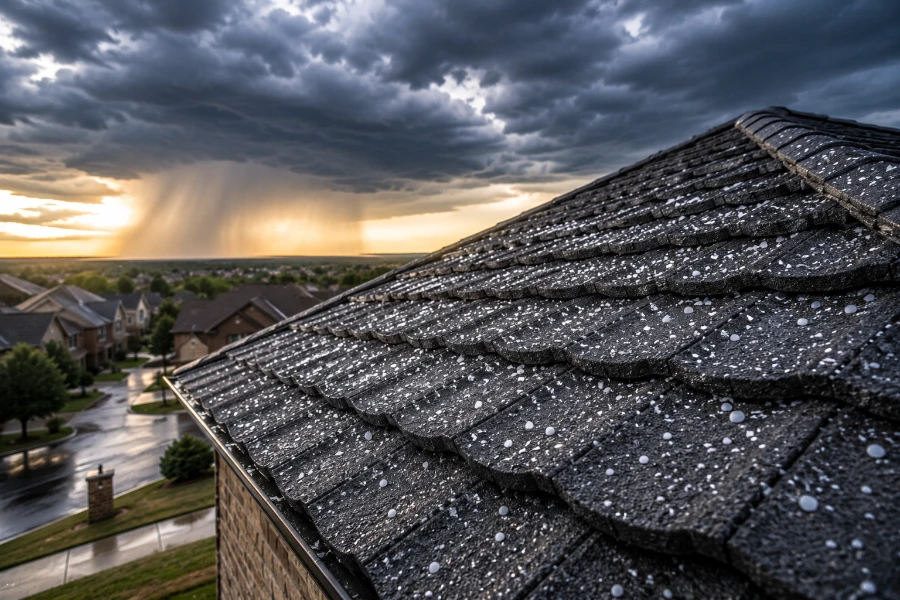
Insurance companies are in the business of managing risk. If a roofing system consistently performs better during severe weather, it naturally attracts attention from underwriters.
That’s exactly what has happened with Class 4 roofs.
Reduced Hail Damage
Hail causes billions of dollars in property damage every year, and roofs often take the brunt of the impact.
Class 4 roofing materials are engineered to absorb impacts more effectively than many traditional roofing systems. Instead of cracking under moderate hail, they are designed to maintain their structural integrity through repeated impacts.
For homeowners researching durable roofing options, this guide to hail-resistant roofing explains how impact-resistant materials help reduce storm damage and improve long-term roof performance.
Less damage often means:
- Fewer repairs
- Less interior water intrusion
- Reduced emergency service calls
- Lower replacement frequency
From an insurer’s perspective, fewer repairs typically translate into fewer claims.
Lower Claim Frequency
Every insurance company analyzes historical claim data.
If thousands of policies show that certain roofing materials consistently produce lower repair costs after hailstorms, insurers take notice.
A Class 4 roof may help reduce:
- Minor hail claims
- Partial roof replacements
- Emergency leak repairs
- Repeat storm-related claims
Although every weather event is unique, more durable roofing systems generally reduce the likelihood of widespread damage.
Longer Roof Lifespans
Durability extends well beyond individual storms.
A roof that withstands years of hail, wind, and intense sunlight is less likely to require premature replacement. That longer service life benefits everyone involved.
For homeowners, it can mean fewer major expenses over time.
For insurance companies, it may result in fewer claims associated with aging or weather-damaged roofing systems.
How Class 4 Roofs Can Affect Insurance Premiums
Many homeowners first learn about Class 4 roofs after hearing they might qualify for insurance discounts.
That can be true—but it’s important to understand how these programs work.
Possible Insurance Discounts
Some Texas insurance carriers offer premium reductions for homes with qualifying Class 4 roofing systems because they may present a lower risk of storm-related damage.
However, discounts vary widely depending on:
- The insurance company
- The roofing product installed
- Local weather history
- Policy type
- Home location
- Underwriting guidelines
Some insurers may offer meaningful savings, while others may provide little or no discount at all.
Factors That Influence Savings
Before assuming a premium reduction is available, homeowners should contact their insurance provider and ask questions such as:
- Does my policy include impact-resistant roof discounts?
- Which Class 4 roofing products qualify?
- Is manufacturer documentation required?
- Will I need proof of professional installation?
- Does my home’s location affect eligibility?
Gathering these answers before replacing a roof helps avoid surprises later.
Discounts Are Never Guaranteed
Even though Why Texas Insurance Companies Like Class 4 Roofs is closely tied to reduced claim risk, every insurance carrier has its own underwriting standards.
A Class 4 roof should be viewed primarily as an investment in durability and protection rather than a guaranteed way to lower premiums. Any insurance savings should be considered an added benefit—not the sole reason for choosing an impact-resistant roofing system.
Why Stone Coated Steel Roofs Stand Out
Not every Class 4 roof is made the same. While several roofing materials can earn a Class 4 impact-resistance rating, stone coated steel roofing has become one of the most popular options for homeowners who want long-term durability without sacrificing curb appeal.
It combines the strength of steel with the appearance of more traditional roofing materials, creating a roof that performs well in harsh conditions while complementing a variety of architectural styles.
Exceptional Impact Resistance
The steel core gives stone coated roofing a significant advantage when hail strikes. Rather than cracking like brittle materials can, steel is designed to absorb and distribute impact energy more effectively.
The stone-coated finish also helps protect the roof’s surface while maintaining its appearance over time.
For homeowners comparing premium roofing options, these stone coated steel roofs offer an excellent balance of strength, longevity, and aesthetic appeal.
Strong Wind Performance
Texas storms rarely bring hail alone. High winds often accompany severe weather, placing tremendous stress on roofing systems.
Many stone coated steel roofing products are engineered to withstand high wind speeds when installed according to manufacturer specifications.
This can help reduce issues such as:
- Shingle uplift
- Loose roofing materials
- Wind-driven rain intrusion
- Premature roof failure
While no roof is immune to extreme weather, a properly installed roofing system can significantly improve a home’s resilience.
Fire Resistance
Another advantage of many stone coated steel roofing systems is their fire resistance.
Although fire may not be the first concern for many Texas homeowners, wildfire risks exist in several parts of the state. A roofing material with a high fire-resistance rating can provide an additional layer of protection while offering peace of mind.
Long-Term Durability
Texas roofs face constant exposure to intense sunlight, temperature swings, heavy rain, hail, and strong winds.
Over time, these conditions can shorten the lifespan of less durable roofing materials.
Stone coated steel roofs are designed to resist many common causes of deterioration, including:
- UV exposure
- Corrosion
- Moisture
- Wind damage
- Hail impacts
For many homeowners, this translates into fewer repairs and a roof that continues performing for decades with routine maintenance.
Texas Weather Challenges That Favor Class 4 Roofing
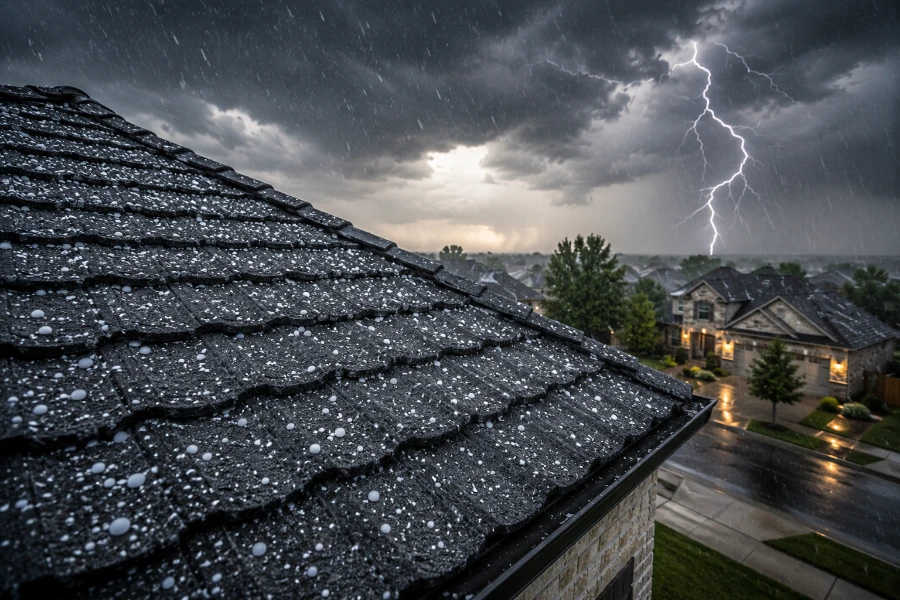
Texas presents one of the toughest environments for residential roofing.
Every season introduces a different challenge, making roof durability an important consideration for homeowners across the state.
Hailstorms
Large hailstones can strike with tremendous force, damaging shingles, flashing, vents, and gutters.
Because Class 4 roofs are specifically tested for impact resistance, they often perform better during hail events than standard roofing materials.
That doesn’t mean they are hail-proof. Instead, they are designed to reduce the likelihood of significant damage under many storm conditions.
High Winds
Wind can be just as destructive as hail.
Powerful gusts may loosen roofing materials, expose the roof deck, and create entry points for water.
A roofing system designed for improved wind performance can help minimize these risks when installed correctly.
Extreme Heat
Texas summers place roofing materials under constant stress.
Daily exposure to intense ultraviolet radiation and repeated heating and cooling cycles can accelerate aging.
More durable roofing systems are often better equipped to withstand these conditions without deteriorating as quickly.
Heavy Rain
Even a small opening created by hail or wind can allow water to enter the home.
Once moisture reaches the roof deck or attic, repair costs can increase dramatically.
Reducing storm damage at the roof’s surface helps lower the chances of leaks and secondary interior damage.
Does Every Home Need a Class 4 Roof?
The answer depends on the home’s location, budget, and long-term goals.
For many Texas homeowners, upgrading to a Class 4 roof is a practical investment. However, it may be especially valuable in certain situations.
Homes in High-Hail Areas
Communities that regularly experience severe hailstorms often benefit the most from impact-resistant roofing.
This includes many parts of:
- North Texas
- Central Texas
- West Texas
- The Texas Panhandle
Repeated storms can quickly shorten the life of conventional roofing materials, making a more durable roof an attractive option.
New Construction
Building a new home provides an opportunity to select roofing materials before future repairs become necessary.
Installing a Class 4 roof from the beginning may help reduce maintenance needs while improving long-term protection.
Roof Replacement Projects
If a roof has already reached the end of its service life—or has suffered significant storm damage—it may make sense to upgrade rather than replace it with the same material.
Although the upfront investment may be higher, many homeowners find that the added durability provides value over time.
Questions to Ask Your Insurance Company Before Installing a Class 4 Roof
Every insurance carrier has different underwriting guidelines.
Before signing a roofing contract, consider asking the following questions.
| Question | Why It Matters |
| Does my policy recognize Class 4 roofs? | Determines whether discounts may be available. |
| Which roofing products qualify? | Not every Class 4 product is automatically accepted. |
| Is proof of installation required? | Documentation may be necessary for eligibility. |
| Do I need manufacturer certification? | Some insurers request additional paperwork. |
| Will discounts remain after future roof repairs? | Helps avoid unexpected changes later. |
Having these conversations early makes the entire process much smoother.
Choosing the Right Roofing Contractor
Even the highest-rated roofing product cannot perform as intended if it is installed improperly.
That’s why choosing the right contractor is just as important as selecting the roofing material itself.
Look for contractors who:
- Carry proper licensing where applicable
- Maintain adequate liability and workers’ compensation insurance
- Have experience installing Class 4 roofing systems
- Follow manufacturer installation requirements
- Offer written warranties
- Provide detailed project estimates
- Maintain positive customer reviews
A quality installation helps ensure the roofing system performs as designed for years to come.
Common Misconceptions About Class 4 Roofs
Despite their growing popularity, Class 4 roofs are often misunderstood.
Let’s separate fact from fiction.
“Class 4 Roofs Are Hail-Proof”
No roofing material is completely immune to damage.
Class 4 products are designed to resist impacts better than many conventional materials, but exceptionally large hail or extreme storms can still cause damage.
“Every Insurance Company Offers Discounts”
Not necessarily.
Some insurers offer premium reductions, while others may not provide any discount at all.
Always verify available incentives before making assumptions.
“Only Metal Roofs Can Be Class 4”
This is another common misconception.
Although many metal roofing products achieve Class 4 ratings, certain composite, synthetic, and architectural asphalt shingles also qualify after passing the required testing.
“A Class 4 Roof Eliminates Insurance Claims”
Unfortunately, no roof can eliminate the possibility of an insurance claim.
Storms can damage gutters, siding, windows, skylights, or even nearby trees, regardless of how durable the roof may be.
The goal is to reduce risk—not eliminate it entirely.
Long-Term Value Beyond Insurance Savings
Insurance discounts often receive the most attention, but they represent only one piece of the equation.
Many homeowners choose Class 4 roofing because of the long-term benefits it offers.
These advantages may include:
- Improved protection during severe weather
- Reduced maintenance over the roof’s lifespan
- Longer replacement intervals
- Better resistance to hail and wind damage
- Increased confidence during storm season
- Potential resale appeal for future buyers
When viewed over several decades, a more durable roofing system may provide value well beyond any annual insurance savings.
Final Thoughts
Understanding Why Texas Insurance Companies Like Class 4 Roofs begins with understanding risk. Texas weather is unpredictable, and severe storms can place enormous stress on residential roofing systems. Because Class 4 roofs are engineered to better withstand hail impacts and other weather-related challenges, they often align with insurers’ efforts to reduce claim frequency and repair costs.
That doesn’t mean every homeowner will receive an insurance discount, nor does it guarantee a roof will never be damaged. However, choosing a Class 4 roofing system—particularly a high-quality stone coated steel roof—can be a smart investment in your home’s long-term protection, durability, and value.
Before making a decision, compare roofing materials carefully, consult a qualified contractor, and speak with your insurance provider to understand any available incentives. By taking a proactive approach, you’ll be better equipped to choose a roof that stands up to Texas weather while providing lasting peace of mind for years to come.
FAQs
A Class 4 roof has the highest UL 2218 impact-resistance rating for roofing materials.
They often experience less storm damage, which can reduce insurance claims.
Possibly. Discounts vary by insurer and policy.
Many are, but always verify the product’s certification.
No. They resist hail better but can still be damaged by severe storms.
Ask your contractor or manufacturer for UL 2218 certification.
For many homeowners, yes, due to improved storm protection and durability.
No. Some asphalt, composite, and synthetic roofs also qualify.
They often do because they better resist weather-related damage.
Yes. Ask about eligible products, documentation, and available discounts.