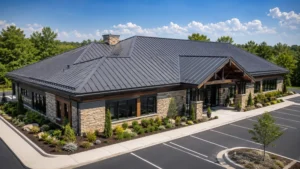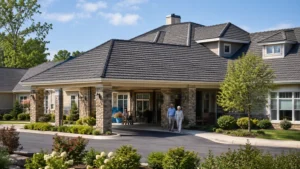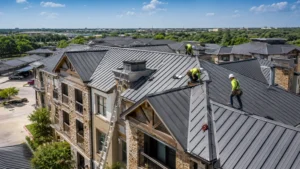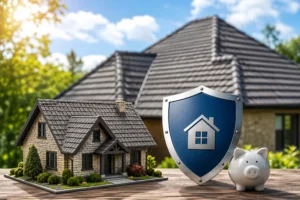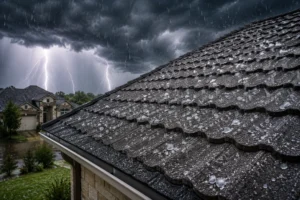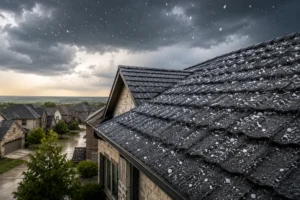
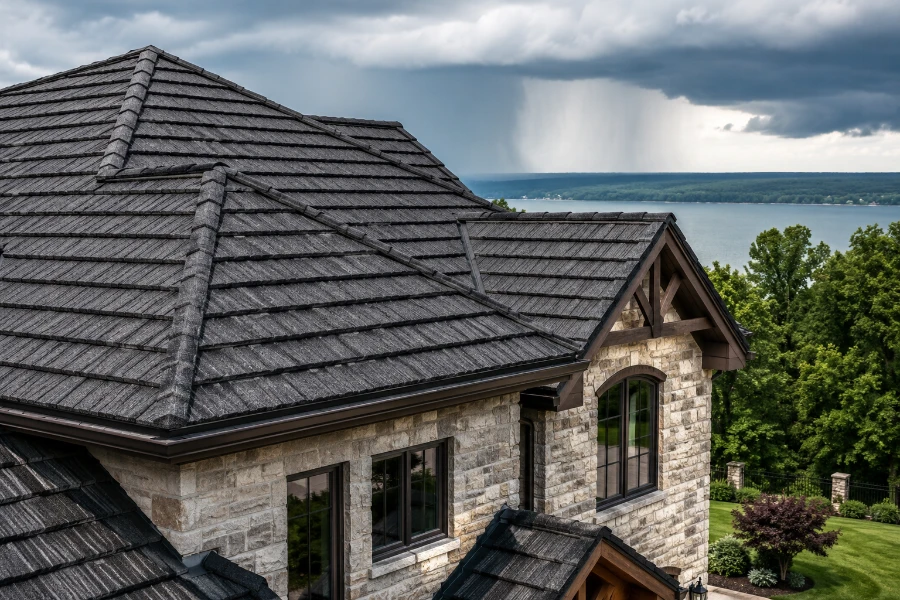
Storms are becoming more unpredictable, and homeowners are paying closer attention to what sits above their heads. Choosing class 4 stone coated roofing isn’t just about upgrading curb appeal—it’s about investing in a roofing system built to withstand some of nature’s toughest challenges. From hailstorms and high winds to years of sun exposure, Class 4-rated stone coated steel roofing delivers durability that traditional roofing materials often struggle to match.
Across many regions of the United States, severe convective storms have become increasingly common, bringing damaging hail, powerful winds, and heavy rain. Understanding these weather patterns helps explain why impact-resistant roofing has become such a smart investment.
If you’re planning a new roof or replacing an aging one, understanding how a Class 4 roofing system performs can save you money, reduce maintenance, and even lower insurance premiums. In this guide, we’ll explore everything you need to know about class 4 stone coated roofing, including how it earns its rating, why it performs so well during severe weather, and whether it’s the right investment for your home.
What Does Class 4 Mean in Roofing?
The term “Class 4” isn’t a marketing slogan. It’s an official impact resistance rating that indicates a roofing product has passed one of the industry’s toughest durability tests.
Understanding Impact Resistance Ratings
Roofing materials experience constant abuse from the elements. Hail, falling branches, wind-driven debris, and even routine maintenance can leave lasting damage. Impact resistance ratings help homeowners compare how well different roofing products can absorb these impacts without cracking or failing.
Roofing materials are commonly tested and assigned one of four ratings:
| Rating | Impact Resistance |
| Class 1 | Basic protection |
| Class 2 | Moderate protection |
| Class 3 | High protection |
| Class 4 | Highest available residential impact resistance |
A Class 4 rating represents the highest level of impact resistance currently available for residential roofing materials.
The UL 2218 Testing Standard
To earn a Class 4 rating, roofing products undergo testing under the UL 2218 standard.
Here’s how the process works:
- Steel balls of varying sizes are dropped onto the roofing material.
- The material is struck multiple times.
- Inspectors evaluate whether the roofing system cracks, splits, tears, or loses structural integrity.
Passing this demanding test demonstrates that the roofing product can resist significant impacts without suffering functional damage.
Does Class 4 Mean Hail-Proof?
Not exactly.
No roofing material is completely indestructible. Extremely large hailstones, severe tornado debris, or falling trees can damage virtually any roof.
Instead, Class 4 roofing means the material is designed to withstand impacts that would often damage conventional roofing products. In many hailstorms, this can mean fewer repairs, less maintenance, and greater peace of mind.
What Is Class 4 Stone Coated Roofing?
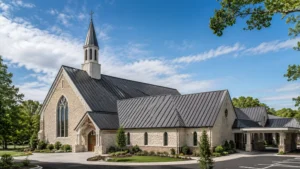
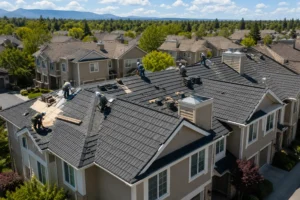
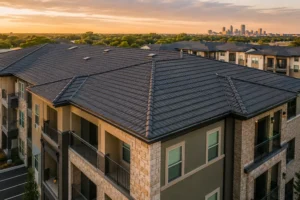
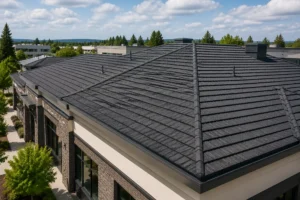
Stone coated roofing combines the structural strength of steel with the timeless appearance of traditional roofing materials.
Unlike exposed metal roofing panels, stone coated steel is engineered to resemble shingles, slate, shake, or tile while providing exceptional durability beneath the surface.
How Stone Coated Steel Roofing Is Made
Every layer contributes to the roof’s long-term performance.
A typical class 4 stone coated roofing panel includes:
- High-strength steel core
- Protective metallic coating that resists corrosion
- Adhesive bonding layer
- Natural stone granules
- Durable acrylic overglaze
Many premium roofing manufacturers use Galvalume steel beneath the stone coating. This aluminum-zinc alloy provides outstanding corrosion resistance, helping the roof withstand decades of exposure to moisture and changing weather conditions.
This layered construction creates a roofing system that’s lightweight, exceptionally durable, and visually appealing.
Why Stone Coated Roofing Can Earn a Class 4 Rating
Steel behaves differently than brittle roofing materials.
Instead of cracking under impact, steel can flex slightly, dispersing energy across a larger area. The stone coating also helps cushion impacts while protecting the metal beneath from weather exposure.
This combination allows many premium stone coated roofing products to achieve Class 4 certification without sacrificing aesthetics.
Benefits of Choosing Class 4 Stone Coated Roofing
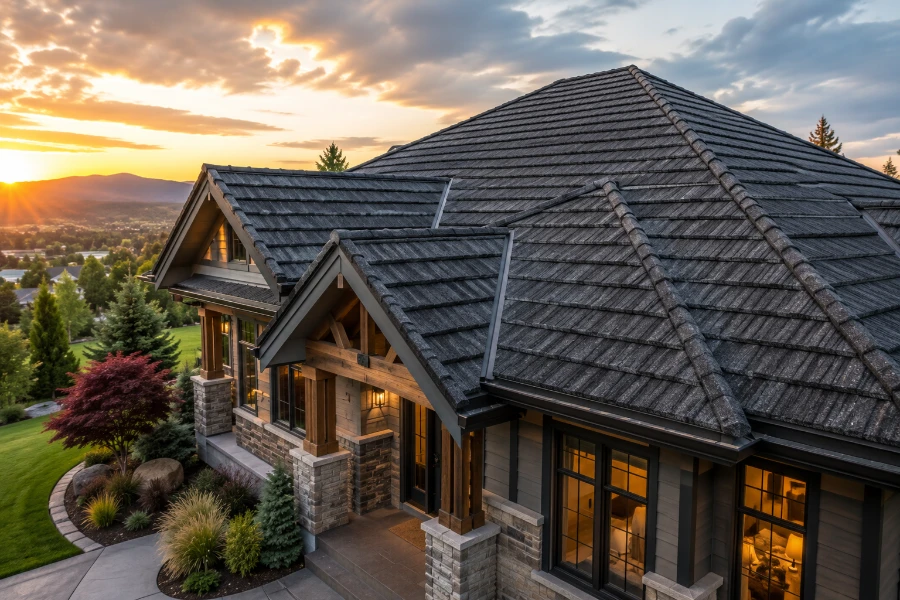
There are plenty of reasons homeowners choose this roofing system beyond impact resistance.
Exceptional Hail Resistance
Hail is one of the leading causes of residential roof damage.
Asphalt shingles often lose granules or crack after repeated storms. Stone coated steel, however, is designed to absorb impacts with significantly less visible or structural damage.
For homeowners living in hail-prone regions, this added resilience can dramatically reduce repair costs over time.
Superior Wind Performance
Strong winds don’t simply lift roofing materials—they exploit weak fastening systems.
Many stone coated roofing systems are engineered with interlocking panels that create a secure connection across the roof surface.
Depending on the manufacturer and installation method, many products are rated to withstand winds exceeding 120 mph.
That’s reassuring during hurricane season or severe thunderstorms.
Longer Roof Lifespan
Replacing a roof every couple of decades is expensive.
Many class 4 stone coated roofing systems are designed to last 40 to 70 years with proper installation and maintenance.
Compared to traditional asphalt shingles, which may require replacement after 20 to 30 years, the long-term value becomes much easier to appreciate.
Reduced Maintenance
Every homeowner appreciates a roof that demands less attention.
Stone coated steel doesn’t warp, curl, rot, or support insect damage. It also sheds water efficiently, reducing opportunities for moisture intrusion.
Routine inspections and occasional debris removal are often all that’s needed.
Fire Resistance
Steel is non-combustible.
Many stone coated roofing products carry high fire-resistance ratings, providing another layer of protection for homeowners living in wildfire-prone areas or regions where fire safety is a major concern.
Lightweight Yet Incredibly Strong
Concrete and clay tile roofs can place tremendous weight on a home’s framing.
Stone coated steel offers a similar visual appearance while weighing significantly less.
This lighter weight can simplify installation and reduce structural demands.
Beautiful Curb Appeal
Performance matters, but appearance matters too.
Modern stone coated roofing comes in a wide variety of:
- Architectural shingle profiles
- Mediterranean tile designs
- Wood shake styles
- Slate-inspired finishes
- Contemporary textures
- Multiple colors to complement virtually any home
The result is a premium look without sacrificing durability.
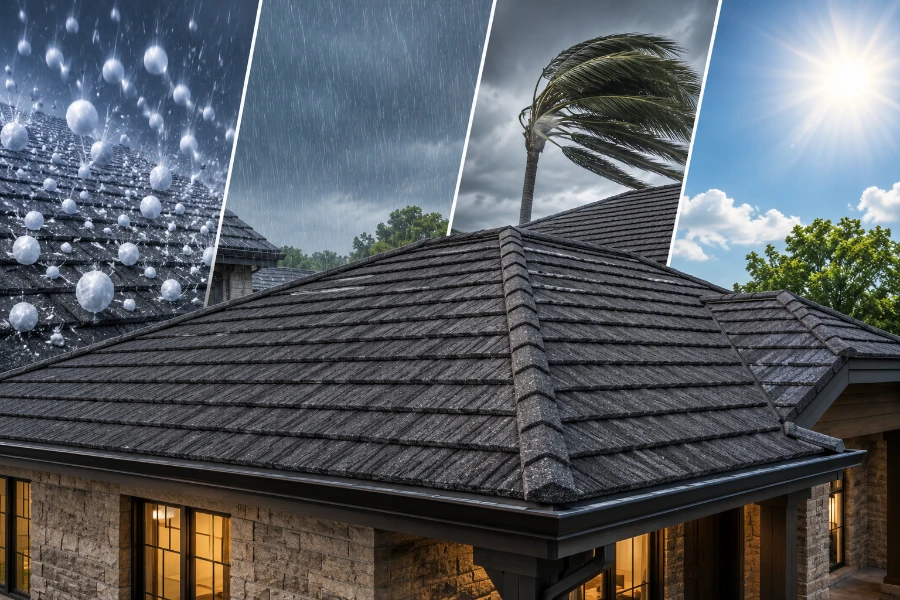
How Class 4 Stone Coated Roofing Performs During Severe Weather
Weather is where this roofing system truly shines.
During Hailstorms
Large hailstones can quickly ruin conventional shingles by knocking off protective granules and exposing the asphalt underneath.
Stone coated steel absorbs impacts differently. Its flexible steel core and durable stone surface help minimize cracking while preserving structural integrity.
Even after repeated storms, many homeowners notice little visible damage compared to neighboring asphalt roofs.
If you live in an area frequently affected by hail, be sure to read our guide on the best roof for Texas hailstorms, where we compare the top roofing materials for long-term storm protection.
During High Winds
Wind damage often begins with a single loose shingle.
Once wind gets underneath, damage spreads rapidly.
Stone coated roofing uses secure fastening systems and overlapping panel designs that make wind uplift far less likely.
For homeowners in hurricane-prone or tornado-prone regions, that added security can make an enormous difference.
During Heavy Rain
A properly installed Class 4 stone coated roof quickly channels rainwater away from the structure. The interlocking panel system minimizes opportunities for water intrusion while protecting the roof deck beneath.
During Snow and Ice
Although often associated with warm climates, stone coated steel performs exceptionally well in snowy regions. Its smooth surface encourages snow to slide off more efficiently, reducing the chances of excessive roof loading.
During Falling Branches
No roof is immune to a large falling tree, but smaller limbs that would crack traditional shingles are less likely to cause functional damage to Class 4 stone coated roofing thanks to its resilient steel construction.
Class 4 Stone Coated Roofing vs Other Roofing Materials
Not every roofing material offers the same level of protection. While price often influences purchasing decisions, it’s important to consider the total cost of ownership rather than just the upfront installation cost.
Here’s how class 4 stone coated roofing compares to several popular roofing materials.
| Roofing Material | Impact Rating | Average Lifespan | Maintenance | Storm Performance | Appearance |
| Class 4 Stone Coated Steel | Class 4 | 40–70 years | Low | Excellent | Mimics shingles, slate, shake, or tile |
| Asphalt Shingles | Class 2–4 (varies) | 20–30 years | Moderate | Fair to Good | Traditional |
| Standing Seam Metal | Often Class 4 | 40–70 years | Low | Excellent | Modern |
| Clay Tile | Varies | 50+ years | Moderate | Good but brittle | Mediterranean |
| Concrete Tile | Varies | 40–50 years | Moderate | Good but heavy | Traditional |
While asphalt shingles remain the most common roofing material in North America, they often require more frequent repairs after hailstorms and strong winds.
Stone coated steel offers an appealing middle ground. Homeowners get the exceptional durability of steel while maintaining the classic appearance of shingles or tile.
Insurance Benefits of Class 4 Roofing
Insurance companies understand that durable roofs experience fewer claims.
Because of this, many carriers offer premium discounts for qualifying impact-resistant roofing systems.
Potential benefits include:
- Lower annual insurance premiums
- Reduced likelihood of cosmetic damage claims
- Better long-term protection against severe weather
- Increased confidence during policy renewals
However, not every insurance company follows the same guidelines.
Some insurers require documentation proving the roofing product has earned a UL 2218 Class 4 rating before approving discounts.
Others may request installation records or manufacturer certifications.
If you’re considering replacing your roof, it’s worth contacting your insurance company before installation to understand exactly what qualifies.
Many homeowners are surprised to learn they may qualify for reduced premiums. Our guide on insurance discounts for Class 4 roofing explains how to maximize your savings and what documentation your insurer may require.
Questions to Ask Your Insurance Provider
Before replacing your roof, ask:
- Does your company offer discounts for Class 4 roofing?
- Which roofing products qualify?
- Do you require proof of UL 2218 certification?
- Will my deductible change?
- How much could I save annually?
Even modest annual savings can add up significantly over the lifespan of the roof.
Energy Efficiency Advantages
Durability isn’t the only reason homeowners choose stone coated roofing.
Energy efficiency is another major benefit.
Reflective Roofing Technology
Many modern stone coated roofing systems include reflective coatings that reduce heat absorption.
Instead of allowing sunlight to penetrate into the attic, more solar energy is reflected away from the home.
That means:
- Cooler attic temperatures
- Less strain on HVAC systems
- Improved indoor comfort during summer
Lower Cooling Costs
Reduced heat transfer often leads to lower air conditioning costs, particularly in warmer climates where cooling expenses make up a significant portion of household energy bills.
Although savings vary depending on climate, insulation, and attic ventilation, many homeowners notice improved energy performance after replacing an older roof.
Sustainable Roofing Materials
Stone coated steel is also an environmentally responsible option.
Many products contain recycled steel, and when the roof eventually reaches the end of its service life decades later, the steel can often be recycled again.
Unlike roofing materials that contribute heavily to landfill waste, steel supports a more sustainable building cycle.
Is Class 4 Stone Coated Roofing Worth the Investment?
This is one of the most common questions homeowners ask.
The answer depends on how long you plan to own your home and how important long-term performance is to you.
Let’s compare the investment.
Upfront Cost
A Class 4 stone coated roof typically costs more than a conventional asphalt shingle roof.
However, focusing only on installation cost overlooks several long-term financial benefits.
Long-Term Savings
Potential savings may come from:
- Fewer storm repairs
- Lower maintenance costs
- Reduced insurance premiums
- Longer replacement intervals
- Higher resale value
Over several decades, many homeowners find that the total ownership cost becomes surprisingly competitive.
Instead of replacing an asphalt roof two or even three times, a single stone coated roof may continue protecting the home.
That’s value that extends well beyond the initial installation.
How to Know If a Roof Is Truly Class 4 Rated
Not every roofing product advertised as “impact resistant” has earned a genuine Class 4 rating.
Before making a purchase, verify the following.
Look for UL 2218 Certification
Ask for official documentation showing the roofing product successfully passed UL 2218 testing.
Avoid relying solely on marketing materials.
Request Manufacturer Documentation
Reputable manufacturers readily provide:
- Technical specifications
- Product certifications
- Warranty details
- Testing documentation
Transparency is always a positive sign.
Work With Experienced Roofing Contractors
Installation quality matters just as much as product quality.
Even the best roofing material can underperform if installed incorrectly.
Choose a contractor who has extensive experience installing stone coated roofing systems and follows manufacturer installation guidelines.
Common Myths About Class 4 Stone Coated Roofing
Misconceptions often prevent homeowners from exploring better roofing options.
Let’s clear up a few of the biggest myths.
Myth 1: Metal Roofs Dent Easily
Quality stone coated steel roofing is engineered to resist impacts far better than many conventional roofing materials.
Its steel core provides strength, while the stone coating helps disperse impact energy.
Myth 2: Metal Roofs Are Loud During Rain
This is largely a misconception.
When installed over solid roof decking with proper underlayment, stone coated roofing is often no louder than traditional asphalt shingles.
Myth 3: Metal Roofs Attract Lightning
Metal roofing does not increase the likelihood of a lightning strike.
In fact, steel is non-combustible, making it one of the safest roofing materials in the unlikely event lightning does strike nearby.
Myth 4: They’re Only for Luxury Homes
Years ago, stone coated roofing was commonly associated with premium custom homes.
Today, homeowners across a wide range of budgets choose it for its long-term durability and value.
Myth 5: They’re Too Expensive
While installation costs are generally higher than asphalt shingles, the extended lifespan, reduced maintenance, and potential insurance savings often offset much of the difference over time.
Is Class 4 Stone Coated Roofing Right for Your Home?
If your home regularly experiences severe weather, the answer is often yes.
This roofing system is especially well suited for homeowners living in:
- Hail-prone regions
- Tornado-prone areas
- Hurricane-prone coastal communities
- Locations with frequent windstorms
- Areas with heavy snowfall
- Neighborhoods surrounded by mature trees
It’s also an excellent choice for homeowners planning to stay in their homes for many years.
Rather than replacing roofing every couple of decades, investing once in a durable system can provide decades of dependable protection.
Questions to Ask Before Buying
Before signing a roofing contract, ask your contractor these important questions:
- Is this roofing product UL 2218 Class 4 certified?
- What manufacturer warranty is included?
- How long have you installed stone coated roofing?
- Are your installers factory trained?
- Will this roof qualify for insurance discounts?
- What maintenance is recommended after installation?
- What underlayment do you recommend?
- Can you provide local references?
The answers will help ensure you’re investing in a roofing system that performs as expected.
Final Thoughts
Choosing a new roof is one of the most significant investments you’ll make in your home. While many roofing materials promise durability, class 4 stone coated roofing consistently stands out by combining exceptional impact resistance, long service life, attractive design, and impressive weather performance.
Whether you’re protecting your home from hail, high winds, heavy rain, or decades of changing weather, a Class 4-rated stone coated steel roof provides confidence that extends well beyond its appearance. It requires less maintenance, offers potential insurance savings, and can increase your home’s long-term value.
Instead of focusing solely on the initial installation cost, consider the bigger picture. A roof that lasts for decades with fewer repairs often delivers the best return on investment. If you’re looking for a roofing solution that balances beauty, strength, and lasting performance, class 4 stone coated roofing deserves a place at the top of your list.
FAQs
Class 4 stone coated roofing is a steel roofing system that has earned the highest impact resistance rating under the UL 2218 standard, making it highly resistant to hail and debris.
No. While it offers exceptional protection against hail, no roofing material is completely immune to damage from extreme weather or very large impacts.
With proper installation and maintenance, most Class 4 stone coated roofs can last between 40 and 70 years.
Many insurance providers offer discounts for Class 4-rated roofs, but eligibility varies by insurer and location.
No. When installed over solid roof decking with quality underlayment, it is typically no louder than asphalt shingles.
Premium products use corrosion-resistant coatings like Galvalume, making them highly resistant to rust under normal conditions.
Yes, the upfront cost is generally higher, but its longer lifespan and lower maintenance costs often provide better long-term value.
Yes. Many systems are engineered to resist wind speeds exceeding 120 mph when installed according to manufacturer specifications.
It can. Buyers often appreciate its durability, curb appeal, and long lifespan, which may make the home more attractive on the market.
For homeowners in areas prone to hail, high winds, or severe weather, it can be a worthwhile investment due to its durability, reduced maintenance, and potential insurance savings.