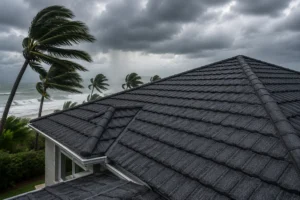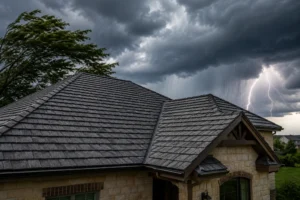
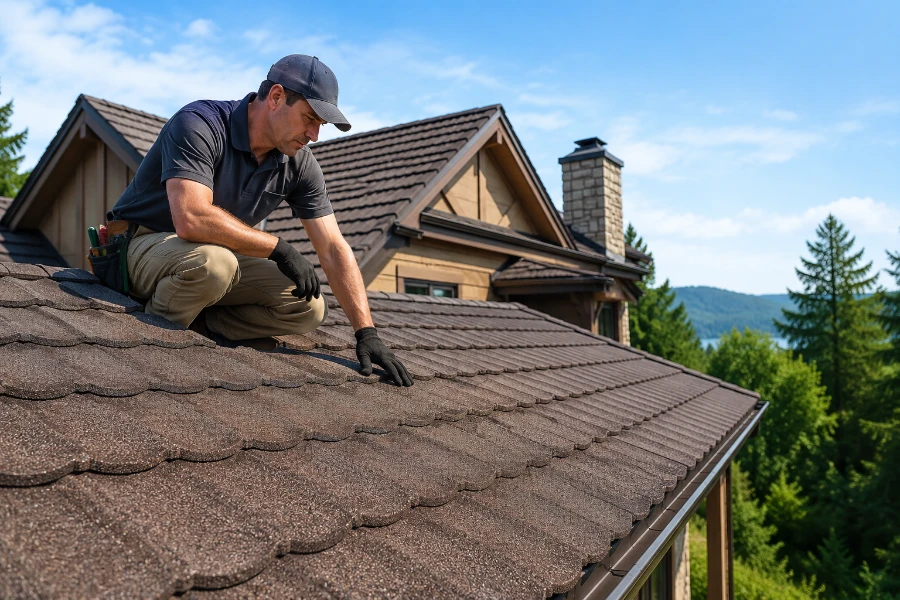
A durable roof is one of the most valuable investments a homeowner can make. Yet even the strongest roofing systems benefit from routine care. Proper stone coated roof maintenance helps preserve appearance, improve performance, prevent unnecessary repairs, and extend the life of your roofing system. While stone coated steel roofing is known for exceptional durability, no roof is completely maintenance-free.
The good news is that maintaining a stone coated roof does not require complicated procedures or constant attention. A few simple inspections and preventative measures each year can help protect your roof for decades. Whether your goal is maximizing lifespan, preserving curb appeal, or avoiding costly repairs, a proactive maintenance plan delivers significant benefits.
Understanding Stone Coated Roofing
Before discussing maintenance practices, it helps to understand what makes this roofing system unique.
What Is a Stone Coated Roof?
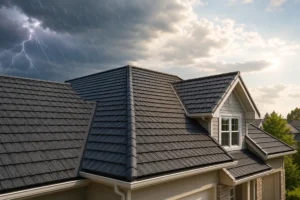
Stone coated steel roofing combines industrial-strength steel with a decorative stone finish. The roofing panels are engineered to provide the durability of metal roofing while offering the appearance of traditional shingles, shake, or tile.
A typical stone coated roofing panel consists of:
- Steel core
- Protective metallic coatings
- Acrylic bonding layer
- Stone granule surface
These layers work together to create a roofing system capable of handling severe weather, temperature fluctuations, and long-term exposure to the elements.
If you’re unfamiliar with the roofing system itself, our guide on What Is Stone Coated Steel Roofing provides a deeper look into its construction, performance, and benefits.
Why Stone Coated Roofs Last So Long
One reason homeowners choose stone coated steel roofing is longevity.
Unlike traditional roofing materials that may deteriorate relatively quickly, stone coated roofs are designed for decades of service.
Several factors contribute to this durability:
| Feature | Benefit |
| Steel Core | Structural strength |
| Stone Granules | UV protection |
| Protective Coatings | Corrosion resistance |
| Interlocking Design | Wind resistance |
| Lightweight Construction | Reduced structural load |
The steel used in many roofing systems is protected through processes such as Galvanization, which helps shield metal surfaces from corrosion and environmental damage. This added protection plays a major role in the long lifespan associated with stone coated roofing systems.
With proper stone coated roof maintenance, many roofs continue performing effectively for 40 to 70 years.
Why Stone Coated Roof Maintenance Is Important
Many homeowners mistakenly assume that a durable roof requires little attention.
That assumption can become expensive.
Extending Roof Lifespan
The primary goal of stone coated roof maintenance is maximizing roof longevity.
Routine maintenance helps:
- Preserve protective coatings
- Prevent moisture intrusion
- Reduce corrosion risks
- Protect flashing systems
- Identify developing issues before they worsen
Even minor maintenance performed consistently can significantly extend roof life.
Preventing Expensive Repairs
Roofing problems rarely appear overnight.
Most major repairs begin as small issues that go unnoticed.
For example:
| Minor Issue | Potential Result |
| Loose Flashing | Water Intrusion |
| Clogged Gutters | Drainage Problems |
| Fallen Branches | Surface Damage |
| Blocked Valleys | Standing Water |
Addressing small concerns early is almost always less expensive than repairing significant damage later.
Protecting Property Value
A well-maintained roof contributes directly to property value.
Potential buyers often view the roof as an indicator of overall home care. A clean, professionally maintained roofing system creates confidence and improves curb appeal.
As discussed in Are Stone Coated Roofs Worth It?, one of the biggest advantages of stone coated roofing is its ability to provide long-term value when properly maintained.
How Often Should a Stone Coated Roof Be Inspected?
Inspections form the foundation of effective maintenance.
The good news?
You do not need to inspect your roof every month.
Recommended Inspection Schedule
Most roofing professionals recommend the following:
| Inspection Type | Frequency |
| Visual Inspection | Twice Per Year |
| Gutter Inspection | Every Season |
| Storm Inspection | After Severe Weather |
| Professional Inspection | Annually |
Spring and fall are ideal times for routine inspections.
These periods allow homeowners to identify damage from previous seasons and prepare for upcoming weather conditions.
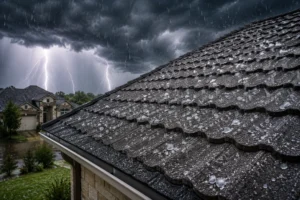
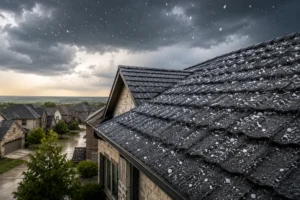
After Major Storms
Even highly durable roofing systems should be inspected after severe weather.
Inspect following:
- Hailstorms
- Hurricanes
- Windstorms
- Tornado activity
- Heavy snowfall
- Falling tree limbs
Storm-related damage is often easier to repair when discovered quickly.
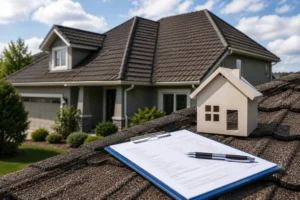
DIY vs Professional Inspections
Homeowners can safely perform many visual inspections from the ground.
Look for:
- Debris accumulation
- Damaged gutters
- Visible dents
- Tree branch contact
- Missing flashing
Professional roofers should perform rooftop inspections whenever possible. Their training allows them to identify subtle signs of wear that homeowners may overlook.
Essential Stone Coated Roof Maintenance Checklist
Consistency matters more than complexity.
A simple maintenance routine can dramatically improve roofing performance.
Remove Debris Regularly
Leaves, branches, pine needles, and other organic material should not remain on the roof for extended periods.
Debris can:
- Trap moisture
- Encourage biological growth
- Block drainage paths
- Increase staining
Pay particular attention to roof valleys where debris naturally accumulates.
Keep Roof Valleys Clear
Roof valleys direct significant amounts of water during rainfall.
When debris blocks these channels, water may pool and create moisture-related issues.
Routine inspections help ensure water continues flowing freely away from the roofing system.
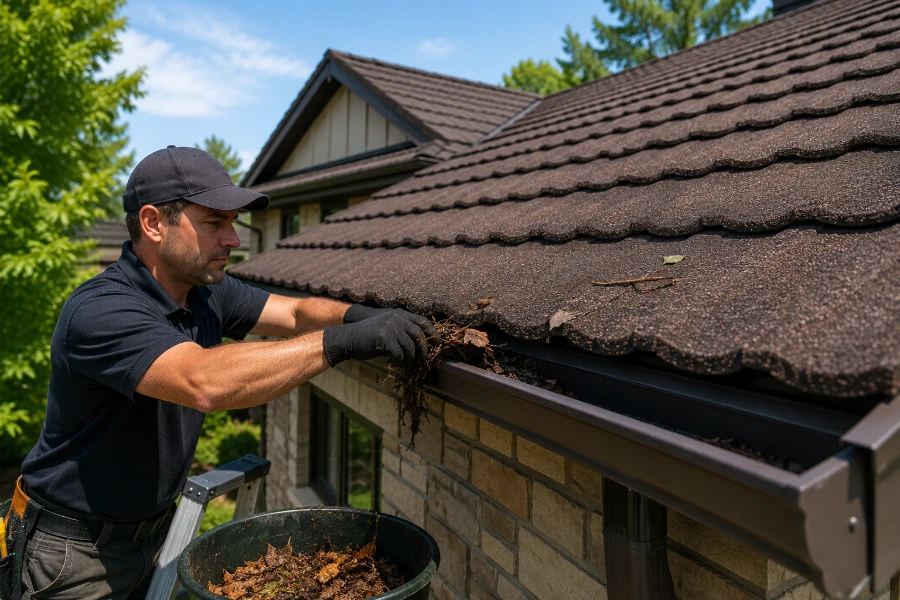
Clean Gutters and Downspouts
Many roofing problems originate with clogged gutters rather than roofing materials.
When drainage systems become blocked, water may:
- Overflow onto roofing components
- Damage fascia boards
- Create foundation issues
- Accelerate wear
Cleaning gutters twice per year can prevent numerous avoidable problems.
Trim Overhanging Tree Branches
Trees provide shade and beauty.
However, they can also create maintenance concerns.
Overhanging branches may:
- Scratch roofing surfaces
- Drop excessive debris
- Break during storms
- Create animal access routes
Maintaining proper clearance helps reduce these risks.
How to Safely Clean a Stone Coated Roof
Cleaning should always prioritize preservation.
Aggressive cleaning methods often cause more harm than good.
When Cleaning Is Necessary
Cleaning may be appropriate when you notice:
- Dirt accumulation
- Moss growth
- Algae staining
- Organic debris buildup
Not every roof requires frequent cleaning. Local climate and surrounding vegetation usually determine cleaning frequency.
Safe Cleaning Methods
The safest options typically include:
- Low-pressure water rinsing
- Soft-bristle brushes
- Manufacturer-approved cleaning products
Gentle methods protect the roof’s surface while removing contaminants effectively.
Cleaning Method Comparison
| Cleaning Method | Recommended |
| Soft Brush | Yes |
| Low-Pressure Water | Yes |
| Approved Roof Cleaner | Yes |
| Pressure Washer | No |
| Wire Brush | No |
| Harsh Chemicals | No |
Avoid Pressure Washing
Pressure washing remains one of the most common maintenance mistakes.
High-pressure equipment may:
- Remove protective coatings
- Dislodge stone granules
- Damage panel surfaces
- Reduce long-term durability
When in doubt, consult the roofing manufacturer or a qualified contractor before cleaning.
Preventing Moss, Algae, and Organic Growth
Even durable roofing systems can develop biological growth under the right conditions.
Fortunately, prevention is relatively simple.
Why Growth Occurs
Three factors typically contribute:
- Shade
- Moisture
- Poor airflow
Properties surrounded by dense vegetation often experience greater risk.
North-facing roof slopes may also remain damp longer after rainfall.
Prevention Strategies
Effective prevention includes:
- Trimming nearby trees
- Removing debris promptly
- Maintaining attic ventilation
- Keeping gutters clean
- Performing routine inspections
These practices reduce moisture retention and discourage growth.
Safe Removal Methods
If moss or algae appears:
- Avoid scraping aggressively
- Use approved cleaning products
- Consider professional cleaning services
- Follow manufacturer recommendations
The goal is removal without damaging the roofing surface.
Common Stone Coated Roof Problems to Watch For
Although stone coated steel roofing is highly durable, homeowners should still monitor for potential issues.
Loose Flashing
Flashing protects areas where the roof meets other structures.
Common locations include:
- Chimneys
- Skylights
- Roof transitions
- Vent penetrations
Weather exposure and aging sealants may eventually loosen flashing.
Warning signs include:
- Gaps
- Rust
- Water stains indoors
- Lifted flashing edges
Routine stone coated roof maintenance inspections should always include these vulnerable areas.
Damaged Roof Penetrations
Every opening in a roof represents a potential maintenance point.
Roof penetrations include:
- Plumbing vents
- Exhaust vents
- Solar mounting systems
- Skylights
- Satellite attachments
While the roofing panels themselves may remain in excellent condition, sealants and flashing around penetrations can age over time.
During inspections, look for:
- Cracked sealant
- Loose flashing
- Signs of moisture
- Visible gaps
Addressing these concerns early helps prevent leaks and protects the roofing system beneath.
Fastener Issues
Stone coated roofing systems rely on properly installed fasteners to maintain structural integrity.
Although fasteners are designed for long-term performance, periodic inspection remains important.
Potential concerns include:
- Loose fasteners
- Backed-out screws
- Damaged washers
- Rust formation
Protective coatings help prevent Corrosion, one of the primary threats to exposed metal components over long periods of environmental exposure. While stone coated roofing systems are engineered to resist corrosion, routine inspections help ensure all exposed components remain protected.
Storm-Related Damage
Severe weather can affect any roofing system.
After major storms, inspect for:
| Storm Event | Possible Damage |
| Hail | Surface dents |
| High Winds | Loose flashing |
| Fallen Branches | Impact damage |
| Heavy Rain | Drainage issues |
The sooner storm damage is identified, the easier it is to address before secondary problems develop.
Seasonal Maintenance Tips
Each season presents unique challenges.
Adapting your maintenance routine throughout the year helps ensure consistent roof performance.
Spring Roof Maintenance
Spring is often the ideal time for a thorough inspection.
Winter weather may leave behind:
- Fallen branches
- Debris accumulation
- Gutter blockages
- Minor flashing damage
Spring maintenance should include:
- Gutter cleaning
- Roof valley inspection
- Debris removal
- Flashing evaluation
This inspection provides a strong starting point for the remainder of the year.
Summer Roof Maintenance
Summer brings increased sunlight and heat.
Although stone coated roofing performs exceptionally well in warm climates, summer remains an excellent time to evaluate:
- Ventilation performance
- Roof cleanliness
- Tree growth
- Drainage systems
Pay attention to overhanging branches that may have expanded during the growing season.
Fall Roof Maintenance
Fall maintenance focuses heavily on debris control.
Leaves can quickly accumulate and create drainage issues.
Key tasks include:
- Removing leaves
- Cleaning gutters
- Inspecting valleys
- Trimming branches
Completing these tasks before winter helps prevent moisture-related problems.
Winter Roof Maintenance
Winter maintenance priorities vary by climate.
In colder regions, homeowners should monitor:
- Snow accumulation
- Ice formation
- Blocked drainage paths
Safety should always come first.
Avoid climbing onto icy roofs. Ground-level inspections and professional assistance are safer options during winter conditions.
Protecting Your Roof After Severe Weather
Storm inspections are among the most important elements of effective stone coated roof maintenance.
Even when no obvious damage exists, a post-storm inspection can reveal issues before they worsen.
Conduct a Ground-Level Inspection First
Start with a visual review from a safe location.
Look for:
- Fallen branches
- Dented gutters
- Visible debris
- Displaced flashing
- Impact marks
Photographs can help document any concerns.
Know When to Call a Professional
Some damage is difficult to identify without specialized training.
Schedule a professional inspection if you notice:
- Water stains indoors
- Visible dents
- Loose roofing components
- Debris impacts
- Missing flashing
Professional evaluations often uncover hidden damage that may not be immediately visible.
Document Damage Thoroughly
If damage is discovered:
- Take photographs
- Save inspection reports
- Record dates
- Obtain repair estimates
Detailed documentation becomes valuable if insurance claims are necessary.
Maintenance Mistakes That Can Damage a Stone Coated Roof
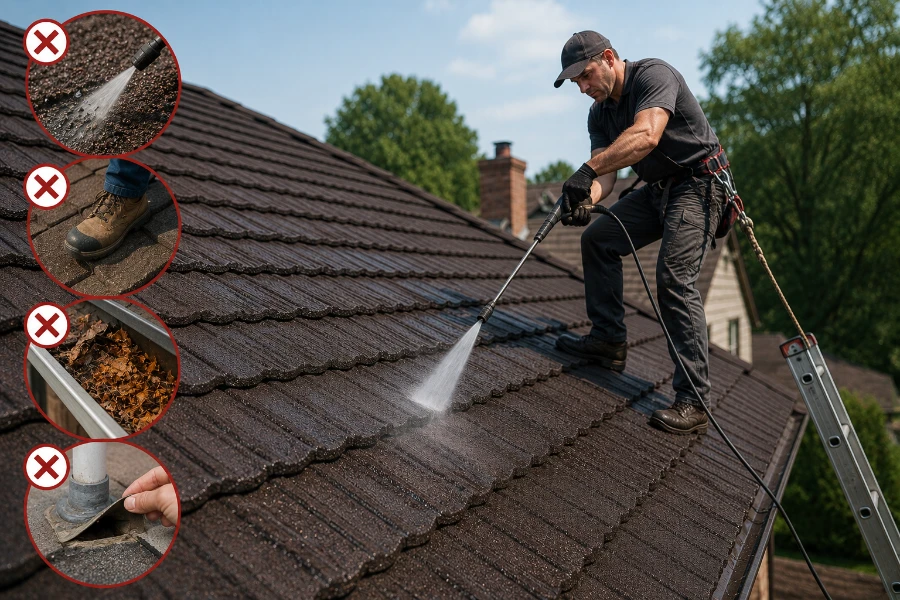
Many roofing issues result from well-intentioned but incorrect maintenance practices.
Avoiding these mistakes can significantly extend roof life.
Walking on the Roof Improperly
Stone coated roofing is durable, but unnecessary foot traffic should be minimized.
Improper walking techniques may:
- Damage panels
- Dislodge components
- Create safety hazards
Whenever possible, leave rooftop inspections to trained professionals.
Using High-Pressure Equipment
Pressure washers may seem like an easy solution.
Unfortunately, they can:
- Strip protective coatings
- Remove stone granules
- Accelerate wear
Gentle cleaning methods are almost always the better choice.
Ignoring Small Problems
Minor issues rarely remain minor forever.
Examples include:
- Loose flashing
- Small leaks
- Clogged gutters
- Debris accumulation
Prompt repairs typically cost less and prevent larger complications.
Hiring Unqualified Contractors
Not all roofing contractors specialize in stone coated steel roofing.
Improper repairs may:
- Void warranties
- Cause installation issues
- Create long-term performance concerns
Always verify experience with stone coated roofing systems before hiring a contractor.
When to Schedule Professional Maintenance
While homeowners can perform basic inspections, professional maintenance offers additional benefits.
Benefits of Professional Roof Inspections
Experienced roofing professionals can identify issues that may not be visible from the ground.
Professional inspections often uncover:
- Hidden moisture concerns
- Flashing deterioration
- Fastener issues
- Ventilation problems
- Developing wear patterns
Early detection is one of the most valuable aspects of professional maintenance.
What a Professional Inspection Typically Includes
A comprehensive inspection often evaluates:
| Inspection Area | Purpose |
| Roofing Panels | Surface condition |
| Flashing | Leak prevention |
| Fasteners | Structural security |
| Gutters | Drainage performance |
| Penetrations | Water protection |
| Ventilation | Moisture control |
This broader assessment helps homeowners make informed maintenance decisions.
Recommended Service Frequency
Most homeowners benefit from:
- One professional inspection per year
- Additional inspections after major storms
- Follow-up evaluations when repairs occur
Routine professional maintenance supports long-term roofing performance.
Long-Term Maintenance Strategies for Maximum Roof Life
The most successful roofing maintenance plans are proactive rather than reactive.
Create a Maintenance Calendar
A simple schedule helps ensure important tasks are not forgotten.
Example annual plan:
| Season | Maintenance Focus |
| Spring | Inspection and cleaning |
| Summer | Ventilation review |
| Fall | Debris removal |
| Winter | Weather monitoring |
Consistency matters.
Small efforts performed regularly produce the best results.
Keep Detailed Records
Maintenance records provide several advantages.
Document:
- Inspection dates
- Repairs performed
- Contractor reports
- Warranty information
- Storm-related assessments
These records help track roof condition over time and simplify future maintenance planning.
Address Repairs Promptly
One of the most effective forms of stone coated roof maintenance is timely action.
When issues are identified:
- Schedule repairs quickly
- Avoid temporary fixes whenever possible
- Follow manufacturer recommendations
- Use qualified professionals
Fast action often prevents larger and more expensive problems.
Final Thoughts
A stone coated steel roof is one of the most durable roofing investments available today. It offers exceptional resistance to weather, impressive longevity, and outstanding curb appeal. However, durability should never be confused with neglect.
Consistent stone coated roof maintenance remains the key to maximizing performance and lifespan. Simple tasks such as cleaning gutters, removing debris, inspecting flashing, and scheduling annual professional evaluations can make a substantial difference over the life of the roof.
The good news is that maintenance requirements are relatively modest compared to many other roofing materials. A little attention each year goes a long way.
Protect the roof, and the roof will protect your home for decades to come.
FAQs
Inspect your roof twice a year and after major storms. Schedule a professional inspection annually.
Avoid walking on the roof unless necessary, as improper foot traffic can cause damage.
Not usually. Cleaning is only necessary when debris, moss, algae, or dirt buildup begins affecting the roof’s appearance or drainage performance.
No. Pressure washing can damage protective coatings and dislodge stone granules, potentially shortening the lifespan of the roof.
Blocked gutters, accumulated debris, and neglected flashing are among the most common maintenance concerns. Regular inspections help prevent these issues from becoming major repairs.
With proper stone coated roof maintenance, many roofs can last between 40 and 70 years, depending on environmental conditions and installation quality.
Moss and algae typically do not cause immediate damage, but they can trap moisture and affect the roof’s appearance. Prompt removal helps maintain long-term performance.
A visual inspection after severe weather is a good practice. High winds, hail, and falling branches can sometimes cause damage that is not immediately obvious.
Yes. Stone coated roofing systems include protective layers designed to resist corrosion, though periodic inspections help ensure all roofing components remain in good condition.
Yes. Professional inspections can identify hidden issues such as flashing deterioration, fastener problems, or developing moisture concerns before they become costly repairs.