An overview of the stone coated steel roofing market
The stone coated steel roofing market is a small but fast-maturing corner of the broader metal roofing industry. It combines the strength and low weight of steel with a granular surface that looks like tile, shake, shingle, or slate. For years it was a niche product found mostly in coastal and wildfire regions. Today it is increasingly common in hail-prone states, and Texas has become one of the places where that shift is most visible. This guide covers what drives demand, how the major manufacturers compare, and what all of it means if you are a Texas homeowner deciding on a new roof.
A quick note on numbers: market research firms publish a wide range of size and growth estimates for this category, and they often disagree because they define it differently. We are not going to repeat or invent those figures. Stone Coated Roofs installs these systems every day across Texas, so we will focus on what we can see directly: why people buy, which brands they choose, and what separates a good system from a weak one.
What a stone coated steel roofing system is
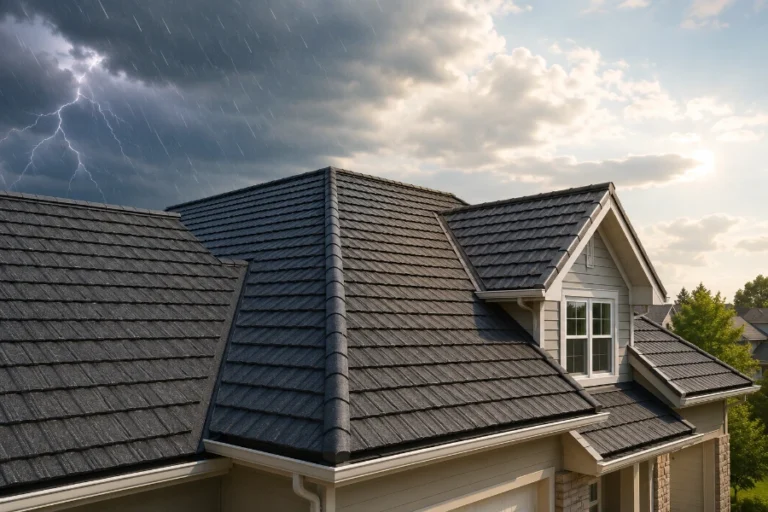
A stone coated steel roofing system starts with steel sheet protected by a metallic coating, typically an aluminum-zinc alloy, for corrosion resistance. Manufacturers apply an acrylic base coat, embed natural stone granules, and seal the surface with an overglaze. The panels are pressed into profiles that imitate traditional materials. On the roof, the system includes underlayment, trim, flashing, and ventilation, and it is installed on battens, directly to the deck, or with foam adhesive for high-wind coastal work.
For a fuller explanation, see what stone coated steel roofing is. The key performance points that drive demand are a Class 4 impact rating under UL 2218, a Class A fire rating, many systems wind-rated to 120 mph, a weight of about 2.4 pounds per square foot, and a planning lifespan of 40 to 70 years.
Demand drivers: why stone coated roofing is growing in Texas
Several forces are pushing Texas homeowners toward stone coated steel. Most of them reinforce each other.
1. Hail frequency and severity
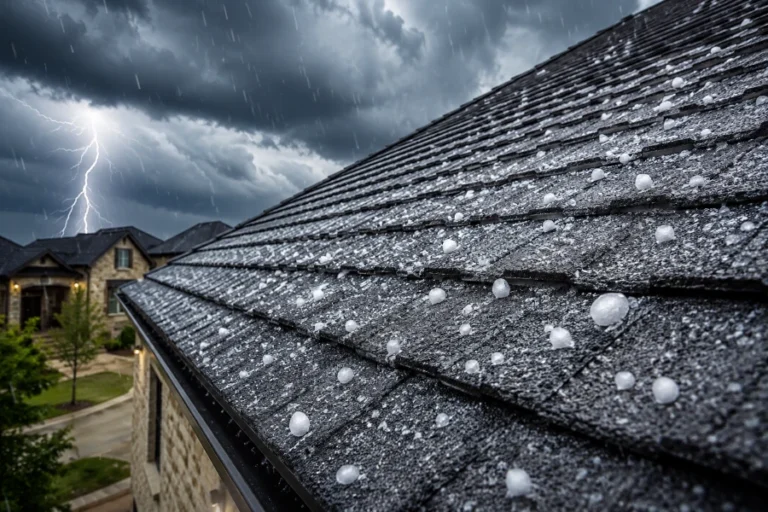
Texas is consistently among the states with the most hail activity and hail-related insurance claims, with storms concentrated in North Texas, Central Texas, the Hill Country, and the Panhandle. When a household has replaced an asphalt roof twice in ten years, the appeal of a Class 4 roof becomes obvious. Asphalt shingle roofs in Texas typically last 12 to 18 years even without major storms; repeated hail shortens that further.
2. Insurance pressure
Premiums and wind and hail deductibles have risen across much of Texas, and many carriers now look closely at roof age and material. Class 4 roofs can qualify for premium credits, which in Texas commonly range from 5% to 25% depending on the carrier. That potential saving, combined with fewer claims over time, makes a more durable roof easier to justify.
3. Weight compared with tile
Concrete tile weighs roughly 9 to 10 pounds per square foot and clay roughly 8 to 12. Stone coated steel weighs about 2.4. That means homeowners who want a tile look can often get it without reinforcing framing, and homes that already have heavy tile can shed a significant load. The stone coated steel vs concrete tile comparison covers the tradeoffs.
4. Aesthetics and HOA approval
Standing seam metal is durable but does not suit every neighborhood. Stone coated steel offers shake, tile, shingle, and slate profiles in a range of colors, which helps it pass HOA review in subdivisions where exposed-fastener or standing seam panels might not.
5. Lifetime cost thinking
Stone coated steel costs more up front, with a Texas planning range of about $10 to $18 per square foot installed. Buyers increasingly compare cost per year of service rather than first cost, and on that measure a roof lasting several decades often competes well against multiple asphalt replacements. Our guide on why stone coated roofing is growing in Texas goes into each of these drivers in more depth.
Stone coated steel roofing manufacturers
The manufacturer landscape is relatively concentrated, with a handful of established names and several value-oriented brands. Several of the oldest product lines trace their roots to New Zealand, where stone coated steel was developed and commercialized decades ago. The table below describes only well-known, general characteristics; product ratings and warranty terms change, so always check current documentation for the specific line you are considering.
| Manufacturer | General profile in the market | Profiles commonly offered |
|---|---|---|
| Decra | One of the most recognized stone coated steel brands in the US, with a long track record and wide installer network | Tile, shake, shingle |
| Tilcor | New Zealand manufacturer known for strong wind and hurricane performance documentation | Tile, shake, shingle |
| Metro (Metrotile) | New Zealand origin; long-established line sold internationally | Tile, shake, shingle |
| Roser | Established manufacturer offering a broad color and profile range, often competitively priced | Tile, shake, shingle, slate-style |
| Westlake Royal (formerly Boral) | Large building products company that acquired Boral's North American roofing business; steel lines include Gerard heritage | Tile, shake, shingle |
| Gerard | Long-running stone coated steel name, now associated with the Westlake Royal family | Tile, shake, shingle |
| TEK | Best known for its HURRICANE® metal shake line, marketed for high-wind performance | Shake and other profiles |
| Allmet | Smaller brand in the category; availability varies by region | Varies by line |
| Unified Steel | Value-oriented brand; check current ratings and warranty documents | Varies by line |
We cover several of these brands in detail: the Decra stone coated metal roofing review, the Tilcor stone coated steel roof guide, Roser stone coated roofs, and TEK stone coated steel roofing.
What is the best stone-coated steel roofing?
Homeowners often ask us for a single best brand. The honest answer is that the best stone-coated steel roofing is the system that fits the home, the climate, and the budget, installed correctly. Among established manufacturers, the core materials are similar: coated steel, stone granules, and protective overcoats. The differences tend to show up in these areas:
- Ratings documentation: confirm Class 4 impact under UL 2218, Class A fire, and a wind rating appropriate to your location. Coastal homes may need a higher wind rating than inland homes.
- Profile and color: some brands offer more convincing tile or slate looks; others have a wider shake selection.
- Warranty terms: manufacturer warranties typically range from 50 years to lifetime, but transferability, granule coverage, wind coverage, and the proration schedule vary. Our stone coated steel roof warranty guide explains what to look for.
- Accessories and trim: a complete line of matching ridge, hip, rake, and flashing components makes for a cleaner, more weather-tight install.
- Installer training: many manufacturers require trained or certified installers for full warranty coverage.
- Local availability: lead times and color stock can differ by region, which matters after a large hailstorm.
Installation quality is often the deciding factor. Fastening patterns, flashing details at walls and valleys, ventilation, and the choice of batten, direct-to-deck, or foam-set installation affect how a roof performs in wind and over decades.
Where stone coated steel sits among competing roofs
Stone coated steel does not compete in a vacuum. Texas homeowners shopping for a storm-resistant roof usually weigh it against three alternatives, and understanding that competitive set explains a lot about where the category is winning.
- Class 4 impact-resistant asphalt shingles are the lowest-cost route to a Class 4 rating and often qualify for the same insurance credit. Their weakness is longevity: they still age like asphalt, so the rating and the discount are tied to a roof with a much shorter service life.
- Standing seam metal is very durable and sheds water well, but its smooth panels show hail dents readily, which is why some policies apply cosmetic damage exclusions to metal roofs. Its look also does not suit every neighborhood or HOA.
- Concrete and clay tile deliver a classic look and long life, but they are heavy, can crack under large hail, and are costly to repair after a storm.
Stone coated steel occupies the middle ground: it offers the traditional look of tile or shake, a Class 4 rating, low weight, and a lifespan measured in decades. The textured granular surface also tends to disguise minor marks better than smooth metal. That combination is the main reason the category has expanded beyond its original coastal and wildfire niches into hail country.
The tradeoff is first cost. Stone coated steel is typically priced above impact-resistant shingles, so buyers who plan to move within a few years may not recoup the difference. Buyers who plan to stay, or who own rental or commercial property with long holding periods, are where demand has grown fastest.
How the market is changing
A few trends stand out from the installer side, without putting numbers on them:
- More profiles that look like premium materials. Manufacturers keep refining slate and tile textures, which broadens appeal in higher-end neighborhoods.
- Greater insurer awareness. As carriers pay closer attention to roof material and age, Class 4 documentation has become part of the buying process.
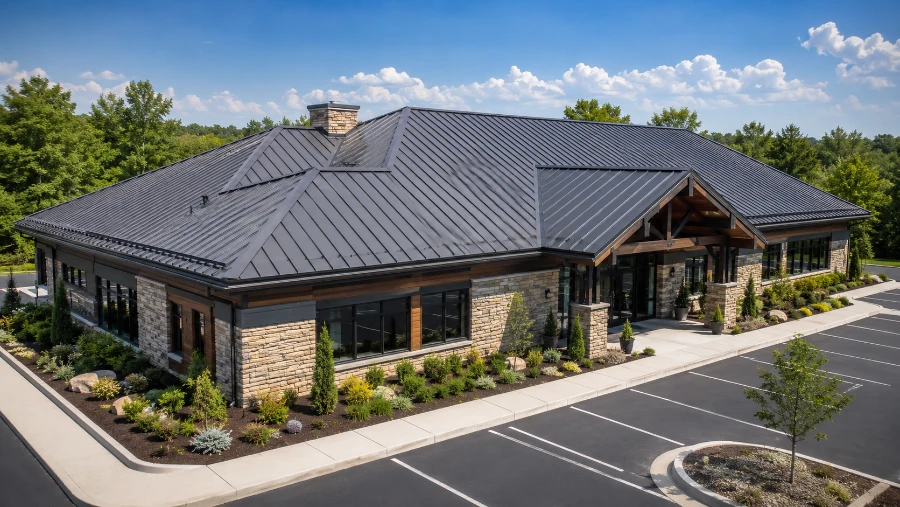
- Use in commercial and multifamily work. HOAs, apartment communities, and churches are choosing stone coated steel for long service life and lower maintenance.
- Value brands entering the market. More choice at lower price points, which makes careful comparison of ratings and warranties more important.
What the market means for Texas buyers
For a Texas homeowner, a maturing market is mostly good news: more product choice, more trained installers, and more insurers who recognize the value of a Class 4 roof. It also means more variation in quality, so the buying process deserves care.
| Buyer priority | What to ask for | Why it matters in Texas |
|---|---|---|
| Hail resistance | UL 2218 Class 4 documentation for the exact product | Frequent hail across much of the state |
| Insurance savings | Product listing and installer certificate for your carrier | Class 4 credits commonly 5%–25% depending on carrier |
| Wind performance | Wind rating and install method for your location | Coastal exposure along the Gulf; straight-line winds inland |
| Weight | Weight per square foot compared with your current roof | Avoids structural upgrades when replacing tile or choosing a tile look |
| Long-term cost | Installed price and warranty terms | Asphalt roofs commonly replaced every 12–18 years |
| Installer quality | Manufacturer training, insurance, written scope | Warranty eligibility and real-world performance |
Stone Coated Roofs installs Decra, Roser, TEK, Tilcor, Westlake Royal, Gerard, Metro, Allmet, and Unified Steel systems, which lets us recommend a brand based on your home rather than on what one supplier happens to stock. To see how pricing works across brands and profiles, read our stone coated roofing cost guide for Texas.
Bottom line
The stone coated steel roofing market is growing in Texas for practical reasons: hail, insurance costs, the weight of traditional tile, and a desire for roofs that last decades rather than years. The manufacturer field includes long-established names and newer value brands, and the right choice depends on documented ratings, warranty terms, profile, and above all installation quality. If you want an unbiased comparison of brands for your home, call Stone Coated Roofs at +1 (512) 297-7580 or request a free estimate.