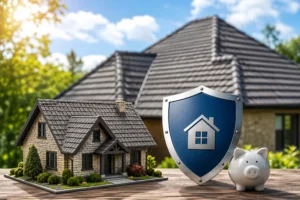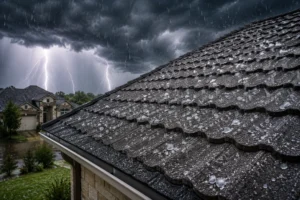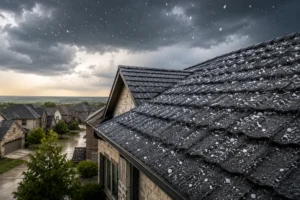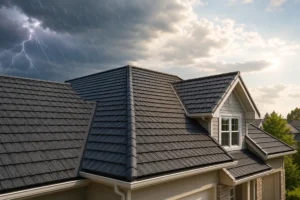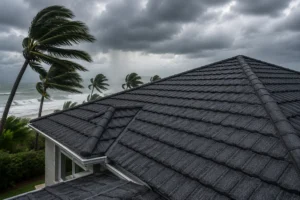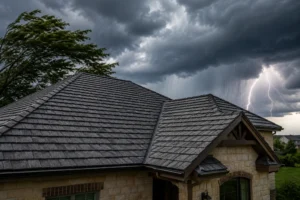

A stone coated steel roof warranty is one of the biggest advantages homeowners receive when investing in a premium roofing system. While appearance, durability, and weather resistance often receive most of the attention, warranty protection can ultimately determine how well your investment is protected over the long term.
After all, a roof is not something most homeowners want to replace every decade.
When you invest in a stone coated steel roof, you’re choosing a system designed to withstand harsh weather, resist corrosion, and deliver decades of performance. If you’re unfamiliar with the product itself, our guide on what is stone coated steel roofing provides a helpful overview before diving into warranty details.
However, not all warranties are created equal. Coverage varies by manufacturer, installation quality matters, and certain actions can even void protection altogether.
Before signing a roofing contract, it’s important to understand exactly what your warranty covers, what it excludes, and how to maintain your coverage for years to come.
What Is a Stone Coated Steel Roof Warranty?
A stone coated steel roof warranty is a written guarantee provided by a manufacturer, contractor, or both that offers protection against specific problems affecting the roofing system.
The purpose is simple.
If certain defects or failures occur within the warranty period, the responsible party may repair, replace, or compensate for the affected materials according to the warranty terms.
Most stone coated steel roofing systems include multiple layers of protection:
- Manufacturer material warranty
- Contractor workmanship warranty
- System warranty (in some cases)
- Transferable warranty options
Each serves a different purpose.
Understanding those differences can prevent confusion if a problem develops years after installation.
Why Warranty Coverage Matters
Many homeowners focus heavily on the initial price of a roof.
That’s understandable.
Roof replacement is a significant investment.
However, evaluating warranty protection can be equally important.
A strong warranty provides:
- Financial protection
- Long-term peace of mind
- Confidence in product quality
- Added resale value
- Reduced repair uncertainty
More importantly, a comprehensive stone coated steel roof warranty often reflects the manufacturer’s confidence in the product itself.
Companies rarely offer decades of coverage on roofing materials they expect to fail prematurely.
Types of Stone Coated Steel Roof Warranties
Not every warranty protects against the same issues.
Let’s break down the most common types.
Manufacturer Material Warranty
The manufacturer warranty covers defects in the roofing materials themselves.
Examples may include:
- Steel panel defects
- Manufacturing flaws
- Premature coating failure
- Unexpected corrosion
- Adhesion problems with the stone coating
If the product fails because it was improperly manufactured, the manufacturer may provide replacement materials or additional remedies outlined in the warranty agreement.
This type of protection forms the foundation of most stone coated steel roofing systems.
Workmanship Warranty
Materials are only one part of the equation.
Installation matters just as much.
Even the highest-quality roofing products can fail when installed incorrectly.
A workmanship warranty covers installation-related mistakes such as:
- Improper fastening
- Incorrect flashing installation
- Poor panel alignment
- Ventilation issues caused by installation errors
- Improper underlayment installation
Workmanship warranties are typically provided by the roofing contractor rather than the manufacturer.
Coverage periods may range from a few years to several decades depending on the contractor’s confidence and reputation.
System Warranty
Some manufacturers offer enhanced system warranties.
These warranties cover multiple roofing components working together as an integrated roofing system.
Covered items may include:
- Panels
- Fasteners
- Trim components
- Underlayment
- Ventilation accessories
System warranties often provide broader protection compared to standard material warranties.
Transferable Warranties
Homeowners frequently move before their roof reaches the end of its lifespan.
A transferable warranty allows coverage to pass to a new owner when the property is sold.
This benefit can become a valuable selling point.
Potential buyers appreciate knowing that the roof still carries warranty protection.
Some manufacturers allow unlimited transfers.
Others limit transfers or impose deadlines.
Reading the transfer provisions carefully is important.
How Long Do Stone Coated Steel Roof Warranties Last?

One of the strongest selling points of stone coated steel roofing is the length of warranty coverage.
Compared to many traditional roofing materials, coverage periods tend to be significantly longer.
Typical warranty terms include:
| Warranty Type | Common Coverage Period |
| Basic Material Warranty | 30 Years |
| Extended Warranty | 40-50 Years |
| Limited Lifetime Warranty | Lifetime of Original Owner |
| Workmanship Warranty | 2-25 Years |
| Enhanced System Warranty | Up to Lifetime Coverage |
The exact duration depends on the manufacturer, product line, and installation requirements.
Understanding Lifetime Warranties
The word “lifetime” attracts attention.
Naturally.
It sounds like complete protection forever.
In reality, lifetime warranties usually have specific definitions.
Manufacturers may define lifetime as:
- The period the original homeowner owns the property
- A fixed number of years
- Coverage with prorated benefits after a certain period
For example, a warranty may provide full replacement value during the first 20 years and prorated coverage afterward.
Always review the warranty document rather than relying solely on marketing language.
What Does a Stone Coated Steel Roof Warranty Typically Cover?
Coverage varies, but most warranties address several common performance concerns.
Manufacturing Defects
The primary purpose of a warranty is protection against manufacturing issues.
Examples include:
- Defective steel panels
- Coating failures
- Production defects
- Material weaknesses
- Unexpected deterioration
If a defect causes premature failure, warranty protection may apply.
Quality control procedures often involve detailed material analysis techniques similar to metallography, which examines the microstructure of metals to identify inconsistencies, defects, and performance characteristics before products reach the market.
Wind Resistance Coverage
Stone coated steel roofs are known for exceptional wind performance.
Many products are tested to withstand high wind speeds.
Depending on the manufacturer, warranty coverage may include wind resistance ratings ranging from 120 mph to over 150 mph when installed according to specifications.
This is particularly valuable in regions prone to severe storms.
Hail Resistance Protection
Hail is one of the leading causes of roofing damage.
Fortunately, stone coated steel roofing performs exceptionally well against impact.
Some warranties specifically address hail-related performance.
Others simply certify impact resistance standards without covering cosmetic damage.
Understanding the distinction is critical.
A roof may remain fully functional while showing minor cosmetic effects after a hailstorm.
Stone-Coating Adhesion Protection
The stone granules bonded to the steel surface help create the roof’s distinctive appearance.
Manufacturers typically expect minimal stone loss over time.
However, excessive granule shedding caused by manufacturing defects may qualify for warranty coverage.
Normal weathering usually does not.
Corrosion and Rust Resistance
Steel naturally requires protection from moisture.
Fortunately, modern stone coated steel roofing systems incorporate multiple protective layers designed to resist corrosion.
Many warranties specifically cover:
- Rust-through
- Corrosion-related failures
- Protective coating defects
- Environmental deterioration
These protections contribute significantly to the long-term durability homeowners expect.
The long-term performance of roofing materials is influenced by numerous factors, including moisture exposure, temperature fluctuations, and even principles related to tribology, the study of interacting surfaces in relative motion. While homeowners may never encounter the term directly, manufacturers spend considerable time evaluating material wear and surface durability when developing roofing systems.
What Is Usually Not Covered?
A warranty can provide outstanding protection, but it is not a blanket guarantee against every possible roofing issue.
In fact, understanding exclusions is just as important as understanding coverage.
Improper Installation
Many warranty claims are denied because installation did not follow manufacturer specifications.
Examples include:
- Incorrect fastening patterns
- Improper flashing installation
- Inadequate underlayment
- Improper ventilation
- Failure to follow approved installation methods
This is why hiring an experienced contractor matters so much.
Poor Roof Maintenance
Although stone coated steel roofing requires relatively little maintenance, neglect can still create problems.
Common maintenance-related issues include:
- Allowing debris accumulation
- Ignoring damaged flashing
- Failing to address drainage issues
- Delaying minor repairs
Manufacturers expect homeowners to exercise reasonable care.
Damage from Unauthorized Repairs
Some homeowners attempt DIY repairs or hire unqualified contractors.
Unfortunately, unauthorized modifications can affect warranty coverage.
Before making significant repairs, consult the manufacturer or roofing contractor whenever possible.
Extreme Weather Events Beyond Warranty Limits
Even premium roofing systems have design limits.
Certain weather events may exceed those limits, including:
- Tornadoes
- Hurricanes beyond tested wind ratings
- Catastrophic hail events
- Falling trees
- Structural collapse
These situations typically fall under homeowners insurance rather than warranty protection.
Structural Movement
Roof warranties generally do not cover failures caused by:
- Foundation settlement
- Structural shifting
- Building movement
- Design defects in the structure itself
The warranty applies to roofing materials, not the entire building.
Neglect and Abuse
Intentional damage, improper use, or failure to address obvious problems may void coverage.
Manufacturers expect homeowners to take reasonable steps to preserve the roof’s condition.
Factors That Can Void a Stone Coated Steel Roof Warranty
Even a strong stone coated steel roof warranty can become worthless if certain requirements are ignored.
Improper Ventilation
Ventilation affects more than attic comfort.
Poor ventilation can increase moisture levels, accelerate deterioration, and contribute to temperature-related issues.
Manufacturers often require minimum ventilation standards.
Installation by Unqualified Contractors
Some manufacturers require installation by approved or certified contractors.
Using an unqualified installer could reduce or eliminate warranty protection.
Always verify contractor qualifications before signing a contract.
Modifications After Installation
Roof-mounted additions may create warranty concerns.
Examples include:
- Satellite dishes
- Solar panel attachments
- Antennas
- Skylight modifications
- Equipment mounting systems
Always review warranty requirements before making changes.
Pressure Washing or Improper Cleaning
Aggressive cleaning methods can damage protective coatings.
Pressure washing, abrasive scrubbing, or harsh chemicals may affect warranty coverage.
Follow manufacturer cleaning recommendations carefully.
Failure to Follow Manufacturer Guidelines
Every roofing system comes with maintenance and installation requirements.
Failure to follow those guidelines may result in denied claims.
Documentation becomes especially important if a warranty issue arises years later.
Manufacturer Warranty vs Insurance Coverage
Many homeowners confuse warranty coverage with homeowners insurance.
The two serve entirely different purposes.
When Warranty Coverage Applies
A warranty generally covers:
- Manufacturing defects
- Material failures
- Coating defects
- Corrosion issues
- Covered workmanship problems
The key factor is that the problem originates from the product or installation itself.
When Homeowners Insurance Applies
Insurance typically covers sudden and accidental losses such as:
- Hail damage
- Wind damage
- Fire
- Falling objects
- Storm-related losses
These events occur after installation and are unrelated to manufacturing quality.
Situations Where Both May Apply
Occasionally, warranty and insurance considerations overlap.
For example, a severe storm may expose an underlying manufacturing defect.
In these situations, both parties may become involved during claim evaluation.
Understanding the distinction helps homeowners pursue the appropriate remedy more efficiently.
Questions to Ask Before Choosing a Warranty
Before selecting a roofing system, ask detailed questions.
The answers may reveal significant differences between manufacturers.
Is the Warranty Transferable?
Transferability can increase home resale value.
Ask:
- How many transfers are allowed?
- Are transfer fees required?
- Is there a deadline for transferring coverage?
What Is the Prorated Period?
Some warranties provide full coverage initially and prorated coverage later.
Ask exactly when prorating begins.
Are Labor Costs Included?
Material replacement alone may not cover the full expense.
Roof labor can be substantial.
Clarify whether labor reimbursement is included.
Are Accessories Covered?
The roofing system consists of more than panels.
Ask whether coverage includes:
- Trim
- Flashing
- Fasteners
- Ridge caps
- Ventilation accessories
What Documentation Is Required?
Maintaining records can simplify future claims.
Keep copies of:
- Installation contracts
- Warranty certificates
- Inspection reports
- Maintenance records
- Repair documentation
How Are Claims Processed?
A strong warranty should provide a clear claim process.
Ask about:
- Inspection procedures
- Response timelines
- Documentation requirements
- Resolution options
The more transparent the process, the better.
How to Protect Your Warranty Coverage
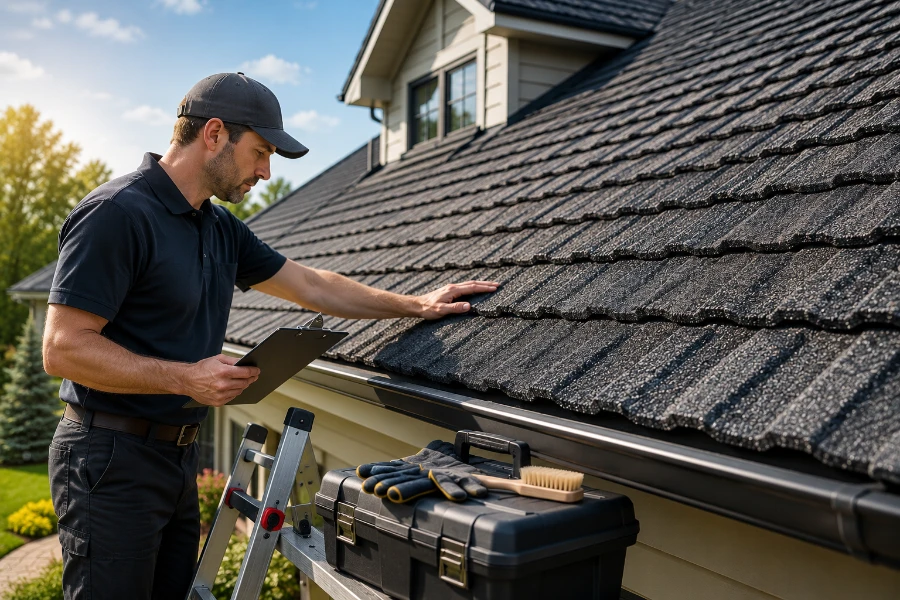
Protecting your stone coated steel roof warranty does not require complicated maintenance.
However, consistency matters.
Keep Installation Records
Store all roofing documentation in a safe location.
Digital copies are especially useful.
Important records include:
- Contracts
- Invoices
- Product information
- Warranty certificates
- Inspection reports
Schedule Periodic Roof Inspections
Routine inspections can identify small problems before they become major concerns.
Many experts recommend inspections:
- After severe storms
- Every few years
- Before selling a home
- When visible concerns appear
Follow Maintenance Recommendations
Every manufacturer provides maintenance guidelines.
Following those recommendations demonstrates responsible ownership and protects warranty eligibility.
Address Small Issues Quickly
Minor issues rarely stay minor.
A loose flashing component or damaged accessory can eventually affect larger sections of the roof.
Prompt repairs reduce risk.
Work Only with Qualified Contractors
Whenever repairs become necessary, use experienced roofing professionals familiar with stone coated steel systems.
Their expertise helps preserve both performance and warranty compliance.
Are Stone Coated Steel Roof Warranties Better Than Asphalt Roof Warranties?
In many cases, yes.
However, the answer depends on the specific products being compared.
Warranty Length Comparison
Stone coated steel roofs frequently offer:
- 40-year warranties
- 50-year warranties
- Limited lifetime warranties
Many asphalt shingles offer shorter coverage periods or more aggressive prorating schedules.
Coverage Comparison
Stone coated steel systems often provide stronger protection against:
- Corrosion
- Wind
- Impact damage
- Material deterioration
Asphalt warranties frequently focus on manufacturing defects and may include more restrictive limitations.
Durability Comparison
Durability influences warranty confidence.
Manufacturers are generally willing to offer longer warranties when products consistently perform well over decades.
Long-Term Value Comparison
| Feature | Stone Coated Steel Roofing | Asphalt Shingles |
| Typical Warranty Length | 40-50+ Years | 20-30 Years |
| Wind Coverage | Excellent | Moderate |
| Impact Resistance | Excellent | Moderate |
| Lifespan Potential | 50+ Years | 15-30 Years |
| Transferability | Often Available | Varies |
Homeowners comparing premium roofing options should also review our guide on stone coated vs concrete tile roofing to better understand long-term durability, maintenance requirements, and lifetime value.
Signs of a Strong Stone Coated Steel Roof Warranty
The strongest warranties share several common traits.
Clear Coverage Language
You should immediately understand:
- What’s covered
- What’s excluded
- How claims work
- Coverage duration
- Transfer requirements
Reasonable Exclusions
Every warranty includes exclusions.
However, excessive exclusions may significantly limit actual value.
Transferable Benefits
Transferability often reflects manufacturer confidence and increases homeowner flexibility.
Established Manufacturer Reputation
The best warranty is backed by a company likely to remain in business for decades.
Longevity matters.
Comprehensive System Protection
The strongest warranties view the roof as a complete system rather than a collection of individual components.
This approach often delivers broader protection and fewer coverage gaps.
Final Thoughts
A stone coated steel roof warranty is much more than a marketing feature. It serves as a long-term commitment from the manufacturer and, in many cases, the contractor who installs the roof.
The best warranties combine durable materials, clear coverage terms, reasonable exclusions, and strong transferability options. However, even the strongest warranty depends on proper installation and responsible maintenance.
Before selecting a roofing system, take time to read the warranty documents carefully. Ask questions. Compare coverage. Evaluate the reputation of both the manufacturer and installer.
When backed by quality materials and professional installation, a stone coated steel roof warranty can provide decades of confidence, helping protect one of the most important investments you’ll ever make—your home.
FAQs
A stone coated steel roof warranty is a guarantee that provides coverage for specific manufacturing defects, material failures, or installation-related issues depending on the warranty terms.
Most warranties range from 30 years to limited lifetime coverage, with some manufacturers offering transferable protection for future homeowners.
Some warranties include labor reimbursement, while others only cover replacement materials. Always review the warranty details before purchasing.
Many manufacturers offer transferable warranties, which can increase a home’s resale value. Transfer conditions and deadlines vary by company.
Yes. Failure to follow manufacturer installation guidelines is one of the most common reasons warranty claims are denied.
Some warranties address hail resistance or impact performance, but cosmetic damage from hail may not always be covered.
Homeowners should keep the roof free of debris, address repairs promptly, and follow all manufacturer-recommended maintenance practices.
In many cases, stone coated steel roofing offers longer warranty periods and stronger protection against wind, corrosion, and impact-related issues.
Keep copies of installation contracts, invoices, warranty certificates, inspection reports, and maintenance records to support any future claim.
Most warranties exclude damage caused by improper installation, lack of maintenance, unauthorized modifications, structural movement, or extreme weather events beyond rated limits.