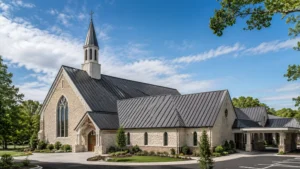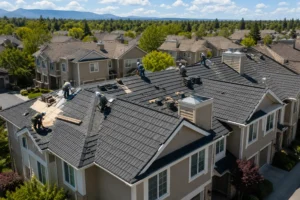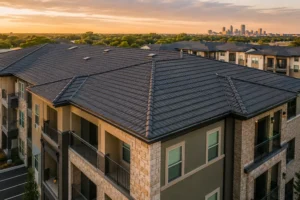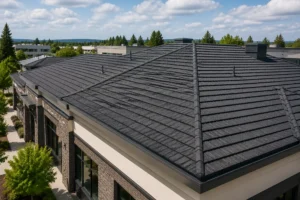
Stone coated steel roofs have earned a reputation for durability, longevity, and curb appeal. They’re often marketed as a premium roofing solution capable of protecting a home for decades while delivering the appearance of traditional shingles, slate, or tile.
Yet despite their many strengths, homeowners should understand The Biggest Problems With Stone Coated Steel Roofs before making a major investment. No roofing system is perfect. Every material has trade-offs. The key is knowing what those trade-offs are before signing a contract.
While stone coated steel roofing can provide outstanding performance, certain drawbacks can affect installation costs, maintenance requirements, repairs, and long-term satisfaction. Understanding The Biggest Problems With Stone Coated Steel Roofs allows homeowners to make informed decisions and avoid unpleasant surprises later.
Let’s explore the most common concerns.
What Is a Stone Coated Steel Roof?
Stone coated steel roofing combines the strength of steel with the appearance of more traditional roofing materials.
Each panel typically consists of:
- A steel core
- Corrosion-resistant coating
- Acrylic bonding layer
- Stone granule finish
- Protective top coating
The result is a roofing system that delivers the durability of metal while mimicking:
- Asphalt shingles
- Clay tile
- Concrete tile
- Cedar shake
- Slate roofing
This combination has made stone coated steel roofs increasingly popular among homeowners looking for long-term value.
Why Homeowners Choose Stone Coated Steel
The appeal is easy to understand.
Many homeowners are attracted to benefits such as:
| Feature | Benefit |
| Long Lifespan | Often 40–70 years |
| Wind Resistance | Suitable for severe weather |
| Fire Resistance | Non-combustible material |
| Lightweight Construction | Less structural stress |
| Attractive Appearance | Multiple architectural styles |
| Energy Efficiency | Reflective roofing properties |
These advantages are significant.
However, understanding The Biggest Problems With Stone Coated Steel Roofs requires looking beyond the marketing materials.
Are Stone Coated Steel Roofs Really Problem-Free?
Manufacturers naturally focus on the strengths of their products.
That’s expected.
The challenge is that homeowners sometimes hear only one side of the story.
They hear about durability.
They hear about storm resistance.
and they hear about decades of performance.
However, homeowners should approach any major purchase with the same critical thinking used in epistemology, the study of knowledge and how we determine what is true, rather than relying solely on promotional claims.
The reality is that roofing performance depends on many factors:
- Product quality
- Installation quality
- Climate conditions
- Maintenance practices
- Contractor expertise
Understanding these variables helps separate realistic expectations from marketing promises.
Higher Initial Cost Compared to Traditional Roofing
One of the most frequently cited drawbacks is price.
Stone coated steel roofing typically costs significantly more than conventional asphalt shingles.
For many homeowners, the higher upfront investment becomes the first obstacle.
Why Costs Are Higher
Several factors contribute to the increased cost:
- Premium manufacturing processes
- Steel-based construction
- Specialized accessories
- Custom trim components
- Professional installation requirements
Unlike standard shingles, stone coated steel systems often require installers with product-specific training.
That expertise comes at a price.
Comparing Roofing Costs
| Roofing Material | Relative Cost |
| Asphalt Shingles | Lower |
| Architectural Shingles | Moderate |
| Stone Coated Steel | Higher |
| Clay Tile | Very High |
| Natural Slate | Premium |
For budget-conscious homeowners, the initial expense may be difficult to justify.
Long-Term Value Considerations
The financial picture changes when viewed over decades rather than years.
Homeowners planning to remain in their homes long-term often see greater value from a longer-lasting roofing system.
In fact, understanding how long stone coated roofs typically last can help homeowners determine whether the higher upfront investment makes sense compared to replacing asphalt roofs multiple times over the same period.
Even so, higher initial costs remain one of The Biggest Problems With Stone Coated Steel Roofs.
Installation Errors Can Create Serious Problems
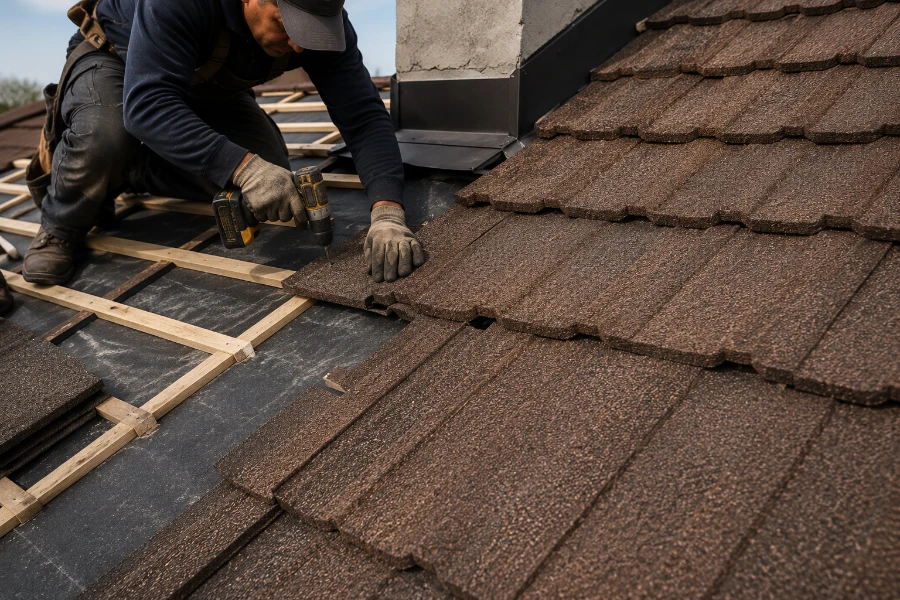
Many roofing failures have little to do with the roofing material itself.
Instead, they result from installation mistakes.
This is especially true with stone coated steel roofing.
Why Specialized Installation Matters
These systems differ considerably from traditional shingles.
Installers must understand:
- Proper fastening techniques
- Panel alignment
- Flashing integration
- Ventilation requirements
- Underlayment selection
When contractors lack experience, problems often follow.
Common Installation Mistakes
Improper Fastener Placement
Fasteners must be positioned precisely.
Incorrect placement can reduce wind resistance and increase the likelihood of panel movement during storms.
Poor Flashing Work
Roof penetrations create vulnerable areas.
Common examples include:
- Chimneys
- Skylights
- Plumbing vents
- Wall transitions
Improper flashing can lead to leaks even when the roofing panels themselves remain intact.
Misaligned Panels
A small alignment error may seem insignificant initially.
However, it can affect both appearance and weather performance over time.
Inadequate Ventilation
Without sufficient attic airflow, moisture buildup may occur.
This can contribute to:
- Mold growth
- Wood deterioration
- Reduced energy efficiency
- Premature roof aging
How Homeowners Can Protect Themselves
Before hiring a contractor:
- Verify manufacturer certifications
- Request project references
- Ask about stone coated steel experience
- Review previous installations
- Confirm warranty compliance
The quality of installation often determines whether homeowners experience many of The Biggest Problems With Stone Coated Steel Roofs.
Noise Concerns During Heavy Rain and Hail
Metal roofing has long been associated with noise.
Many homeowners picture a loud, echoing roof during every rainstorm.
Fortunately, modern stone coated steel systems behave differently.
Are Stone Coated Steel Roofs Loud?
In most homes, noise differences are minimal.
Several components help reduce sound transmission:
- Roof decking
- Attic insulation
- Underlayment
- Stone-coated finish
These layers work together to absorb and diffuse sound energy.
When Noise Becomes Noticeable
Certain situations can increase sound levels:
- Cathedral ceilings
- Older homes
- Limited attic insulation
- Poor installation practices
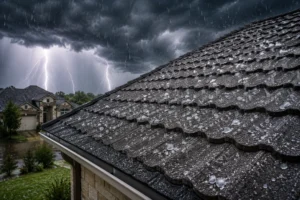
Heavy hailstorms can also create more noticeable noise than ordinary rain events.
For some homeowners, this may never be an issue.
For others, it remains one of The Biggest Problems With Stone Coated Steel Roofs worth considering before installation.
Denting From Severe Hail Events
Stone coated steel roofs are highly durable.
That doesn’t mean they’re immune to damage.
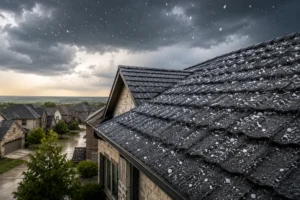
Large hailstones can still create problems.
Understanding Impact Resistance
Many products receive impressive impact ratings.
These ratings indicate strong performance during testing.
However, severe weather often exceeds laboratory conditions.
Particularly large hail can cause:
- Cosmetic dents
- Surface deformation
- Granule displacement
- Localized panel damage
Cosmetic Versus Functional Damage
This distinction matters.
A roof may continue protecting the home effectively despite visible dents.
The issue becomes appearance.
Visible damage can affect:
- Curb appeal
- Resale value
- Insurance disputes
- Homeowner satisfaction
Impact resistance testing helps manufacturers evaluate long-term resilience, a concept often used in engineering to describe a system’s ability to withstand and recover from stress without significant loss of function.
Unfortunately, insurance companies may treat cosmetic and functional damage differently.
That can complicate claims following major hail events.
High-Risk Regions
Denting concerns increase in areas prone to:
- Large hailstorms
- Severe thunderstorms
- Tornadic weather systems
- Frequent extreme weather events
For homeowners living in these regions, hail resistance should remain a major consideration when evaluating roofing options.
Stone Granule Loss Over Time
The stone granules on the surface are more than decorative.
They serve several important functions.
Granules help:
- Protect against UV exposure
- Enhance curb appeal
- Improve weather resistance
- Contribute to energy performance
Over time, however, some granule loss is normal.
What Causes Granule Loss?
Several factors can accelerate wear:
- Severe storms
- Hail impacts
- Heavy foot traffic
- Falling tree branches
- Improper installation
- Natural aging
Small amounts of granule shedding are usually not a concern. In fact, homeowners may notice a few loose granules in gutters shortly after installation.
However, excessive granule loss can indicate a larger issue.
Signs Homeowners Should Watch For
Keep an eye out for:
- Bare metal spots
- Uneven coloration
- Excessive granules in gutters
- Visible surface wear
Addressing these concerns early can help prevent larger repairs later.
Limited Contractor Availability
One challenge that surprises many homeowners is finding qualified installers.
Unlike asphalt shingles, stone coated steel roofing requires specialized knowledge.
Not every roofing company offers it.
Why Qualified Contractors Matter
A contractor may have decades of roofing experience while possessing limited experience with stone coated steel systems.
That’s an important distinction.
Proper installation requires familiarity with:
- Panel layouts
- Fastening systems
- Flashing details
- Ventilation strategies
- Manufacturer requirements
Risks of Hiring Inexperienced Installers
Working with an inexperienced contractor can lead to:
- Installation defects
- Voided warranties
- Water intrusion
- Wind-related failures
- Expensive repairs
As a result, limited contractor availability remains one of The Biggest Problems With Stone Coated Steel Roofs, particularly in smaller markets.
Repair Complexity Compared to Asphalt Shingles
Repairs are another area where homeowners should set realistic expectations.
Asphalt shingles are relatively simple to replace.
Stone coated steel systems can be more complicated.
Why Repairs Require Specialized Knowledge
Individual panels often interlock with surrounding components.
Removing one damaged section may require careful disassembly.
Matching replacement materials can also present challenges.
Factors affecting repairs include:
- Roof profile
- Manufacturer
- Color variation
- Product age
Storm Damage Repairs
Following severe weather, homeowners sometimes discover that replacement panels are not immediately available.
This can result in:
- Longer repair timelines
- Higher labor costs
- Appearance inconsistencies
The roof remains highly durable overall, but repair complexity is undeniably one of The Biggest Problems With Stone Coated Steel Roofs.
Potential for Scratching During Installation or Maintenance
Steel is strong.
Surface coatings, however, can still be damaged.
How Scratches Occur
Surface scratches may result from:
- Improper handling
- Dropped tools
- Maintenance work
- Untrained foot traffic
- Debris movement during storms
Most minor scratches are cosmetic.
Still, deep scratches should be addressed promptly to maintain long-term protection.
How to Prevent Surface Damage
Homeowners can reduce risk by:
- Hiring experienced contractors
- Limiting unnecessary roof access
- Using manufacturer-approved maintenance procedures
- Scheduling professional inspections
Preventive care goes a long way toward preserving roof performance and appearance.
Warranty Limitations Homeowners Often Overlook
Many homeowners see a long warranty period and assume they are fully protected.
Unfortunately, that’s not always the case.
Warranty language matters.
Common Warranty Exclusions
Coverage often excludes issues related to:
- Improper installation
- Lack of maintenance
- Unauthorized modifications
- Extreme weather beyond design specifications
- Structural problems unrelated to roofing materials
This is why reading warranty documents carefully is essential.
Questions to Ask Before Purchasing
Before selecting a roofing system, ask:
- How long does coverage last?
- Is the warranty transferable?
- Does it cover labor costs?
- What maintenance is required?
- What situations are excluded?
Homeowners should also compare different stone coated steel roof warranties before purchasing, since coverage details can vary significantly between manufacturers.
Understanding warranty limitations helps avoid misunderstandings and protects your investment.
Color Fading and Appearance Changes Over Time
Every exterior building material ages.
Stone coated steel roofing is no exception.
How Sun Exposure Affects Roofing
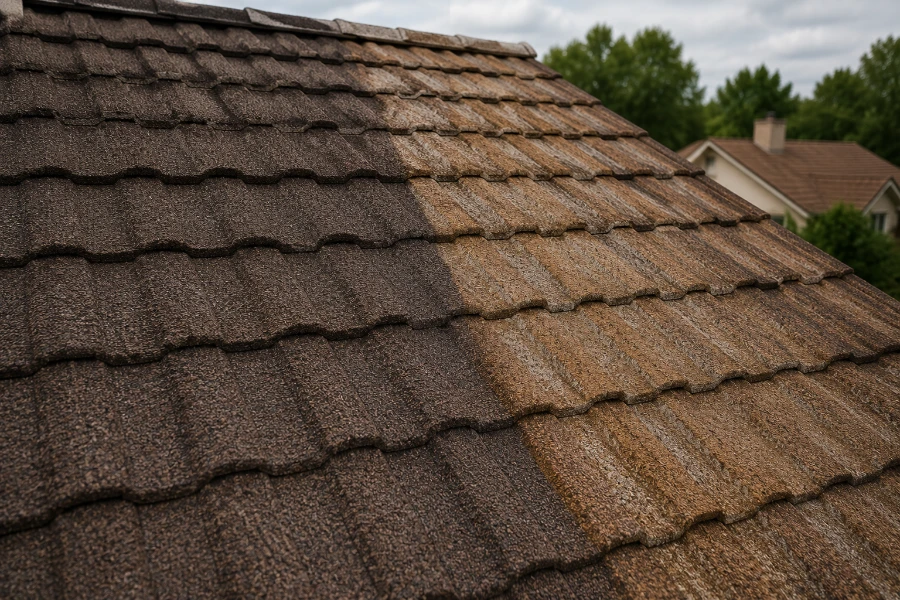
Years of exposure to sunlight, moisture, and environmental contaminants gradually affect appearance.
Factors influencing fading include:
- UV exposure
- Climate conditions
- Air pollution
- Product quality
- Roof orientation
South-facing roof sections often experience the greatest exposure.
What Homeowners Can Expect
High-quality systems generally fade slowly and evenly.
Dramatic discoloration is uncommon.
Nevertheless, subtle color changes may become noticeable after decades of exposure.
For homeowners seeking a roof that looks identical forever, this natural aging process may be one of The Biggest Problems With Stone Coated Steel Roofs.
Problems That Are Often Exaggerated
While discussing drawbacks is important, some concerns are frequently overstated.
Let’s separate fact from fiction.
Myth: Stone Coated Steel Roofs Rust Easily
Modern systems include multiple protective layers designed to resist corrosion.
When installed correctly, rust is rarely a widespread concern.
Myth: Metal Roofs Attract Lightning
Metal roofing does not increase the likelihood of a lightning strike.
Lightning is influenced by height, location, and surrounding conditions rather than roofing material.
Myth: All Metal Roofs Are Extremely Loud
As discussed earlier, properly installed stone coated steel roofs are often comparable to other roofing materials when it comes to noise levels.
The stone-coated surface and roof assembly significantly reduce sound transmission.
How to Minimize Problems With Stone Coated Steel Roofs
Fortunately, many concerns can be reduced or avoided altogether.
Choose a Reputable Manufacturer
Look for manufacturers that offer:
- Proven track records
- Strong warranty programs
- Independent testing certifications
- Long-term market presence
Product quality matters.
Hire Experienced Installers
Never assume all roofing contractors have equal expertise.
Ask detailed questions about:
- Training
- Certifications
- Previous projects
- References
An experienced installer can eliminate many of The Biggest Problems With Stone Coated Steel Roofs before they occur.
Schedule Regular Roof Inspections
Preventive maintenance is always less expensive than major repairs.
Consider inspections:
- Annually
- After severe storms
- Following hail events
- Before selling a property
Regular evaluations help identify small issues before they become costly.
Follow Manufacturer Maintenance Guidelines
Simple maintenance practices can significantly extend roof life.
Examples include:
- Keeping gutters clean
- Trimming overhanging branches
- Removing debris accumulation
- Avoiding unnecessary roof traffic
These steps help protect both performance and appearance.
Is a Stone Coated Steel Roof Still Worth It?
After reviewing The Biggest Problems With Stone Coated Steel Roofs, some homeowners may wonder whether the investment remains worthwhile.
In many cases, the answer is yes.
When Stone Coated Steel Makes Sense
This roofing system can be an excellent choice for:
- Long-term homeowners
- High-wind regions
- Areas with severe weather
- Homeowners seeking premium aesthetics
- Those looking for fewer roof replacements
The durability advantages are substantial.
When Another Roofing Material May Be Better
Alternative roofing options may be worth considering if:
- Budget is the primary concern
- The home may be sold soon
- Qualified installers are unavailable locally
- Repair simplicity is a major priority
The best roofing material depends on the homeowner’s goals, budget, and location.
Conclusion
Understanding The Biggest Problems With Stone Coated Steel Roofs doesn’t mean stone coated steel is a poor investment.
Far from it.
These roofs offer impressive longevity, excellent weather resistance, attractive aesthetics, and strong long-term value.
However, higher upfront costs, installation challenges, repair complexity, hail denting, warranty limitations, and contractor availability are all factors homeowners should evaluate carefully.
The encouraging news is that many of these issues can be minimized through proper planning. By choosing quality materials, hiring experienced installers, understanding warranty coverage, and performing regular maintenance, homeowners can enjoy the benefits of stone coated steel roofing while avoiding many of the common pitfalls.
The more informed your decision, the more likely you’ll be satisfied with your roof for decades to come.
FAQs
Higher costs, installation errors, repair complexity, and hail denting are the most common concerns.
Not usually, but large hail can cause cosmetic dents.
No. Proper insulation and underlayment help reduce noise.
Most last between 40 and 70 years.
Modern coatings help prevent rust and corrosion.
Yes, the upfront cost is generally much higher.
Yes, repairs often require specialized materials and expertise.
Some granule loss is normal as the roof ages.
Yes, but improper foot traffic can damage the surface.
They can be for homeowners seeking long-term durability.