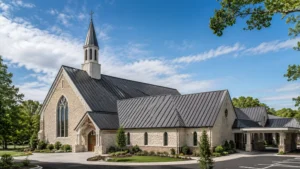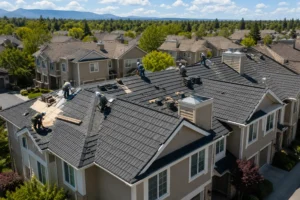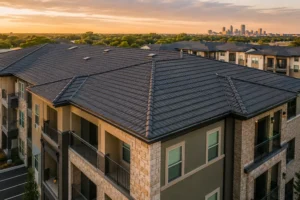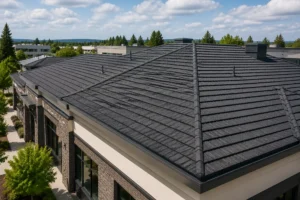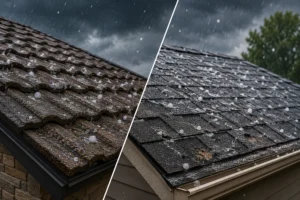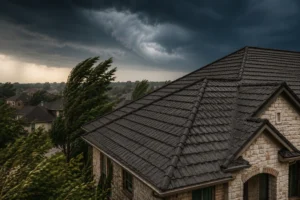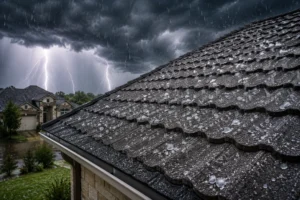
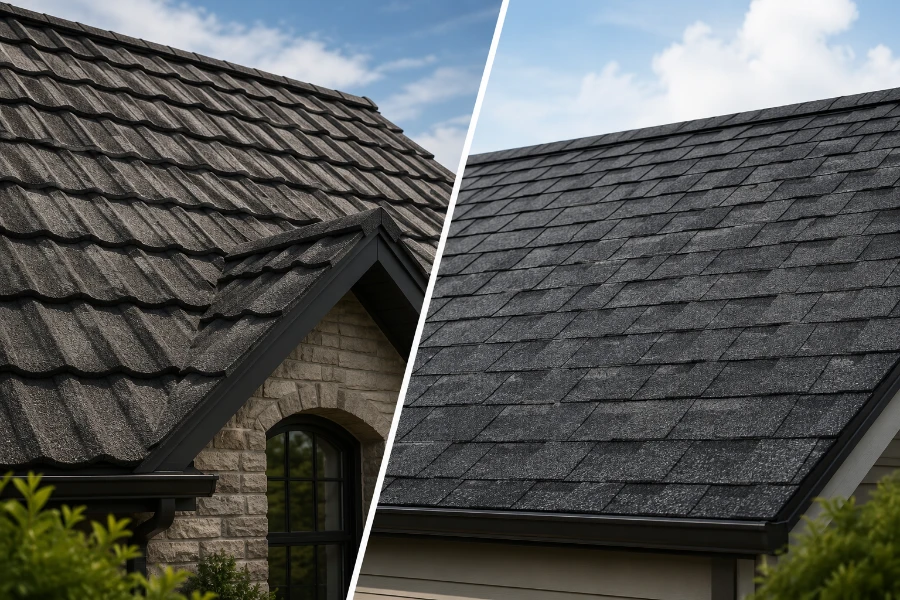
When homeowners begin researching premium roofing materials, one comparison continues to gain attention: stone coated roof vs F-Wave. Both products promise durability, weather resistance, and performance beyond what traditional asphalt shingles typically provide. However, despite serving similar goals, these roofing systems are built from entirely different materials and approach protection in unique ways.
A roof is more than a protective covering. It influences energy efficiency, maintenance costs, resale value, and curb appeal. Because of this, choosing between two premium roofing options deserves careful consideration rather than a quick decision based solely on price.
Many homeowners initially focus on impact resistance or appearance. While those factors matter, long-term value often depends on several additional considerations, including lifespan, sustainability, installation requirements, and ongoing maintenance needs.
This comprehensive stone coated roof vs F-Wave comparison explores the strengths and limitations of both systems to help homeowners make a confident roofing investment.
Understanding Stone Coated Roofing
Stone coated roofing combines the proven strength of steel with the appearance of traditional roofing materials.
Unlike exposed standing seam metal roofs, stone coated systems feature steel panels covered with natural stone granules. The finished product can replicate the appearance of wood shake, clay tile, slate, or architectural shingles while delivering the structural advantages of steel.
How Stone Coated Roofing Is Manufactured
Stone coated roofing consists of multiple protective layers that work together to create exceptional durability.
These typically include:
- Steel core
- Corrosion-resistant coatings
- Acrylic bonding layer
- Natural stone granules
- Protective finish coat
The steel itself often undergoes treatments similar to galvanization, a process designed to help protect metal surfaces from corrosion and environmental exposure. This additional protection contributes significantly to the roof’s longevity.
Why Homeowners Choose Stone Coated Roofing
Many homeowners are looking for more than simple weather protection.
They want a roofing system that offers beauty, durability, and peace of mind.
Stone coated roofing delivers several important advantages:
- Lifespans often exceeding 50 years
- Exceptional wind resistance
- Strong hail protection
- Class A fire ratings
- Energy-efficient performance
- Lightweight construction
- Wide variety of architectural styles
Homeowners researching the long-term benefits of stone coated roofing often discover that these systems provide a rare combination of strength and visual appeal.
Because steel serves as the structural foundation, the roofing panels remain remarkably durable without placing excessive weight on the home’s structure.
Understanding F-Wave Roofing
F-Wave represents a newer generation of synthetic roofing products.
Instead of metal, F-Wave shingles utilize engineered commercial-grade polymers designed to resist cracking, splitting, and weather-related deterioration.
One of the most notable differences is the absence of traditional granules.
Most asphalt shingles rely heavily on granule coatings for protection. F-Wave eliminates this component entirely by using a single-piece construction approach.
How F-Wave Roofing Is Made
F-Wave roofing products are manufactured using advanced polymer technologies intended to withstand harsh environmental conditions.
Their flexibility remains one of their defining characteristics.
Some homeowners researching synthetic roofing technologies may encounter materials related to a thermoplastic elastomer, which combines elasticity with durability and impact resistance under changing environmental conditions.
While F-Wave utilizes its own proprietary engineering, the concept of flexibility helping absorb impact remains central to its design philosophy.
Key Benefits of F-Wave Roofing
F-Wave focuses heavily on durability and resilience.
Key advantages include:
- Class 4 impact resistance
- Class A fire rating
- Strong wind resistance
- Lightweight design
- Flexible construction
- UV resistance
These features position F-Wave as a premium alternative to traditional asphalt shingles.
The discussion of stone coated roof vs F-Wave becomes especially interesting because both products target homeowners seeking superior long-term performance.
Stone Coated Roof vs F-Wave: Quick Comparison
Before examining individual categories, it helps to see how these roofing systems compare at a high level.
| Feature | Stone Coated Roofing | F-Wave Roofing |
| Base Material | Steel | Engineered Polymer |
| Lifespan | 50+ Years | 30–50 Years |
| Impact Resistance | Excellent | Excellent |
| Fire Rating | Class A | Class A |
| Wind Resistance | Exceptional | Excellent |
| Appearance Options | Extensive | Moderate |
| Recyclability | Very High | Limited |
| Energy Efficiency | High | Moderate |
| Maintenance | Minimal | Low |
| Long-Term Value | Excellent | Good |
Although both products outperform many traditional roofing materials, their differences become more noticeable when evaluating real-world performance.
Durability Comparison
Durability remains one of the most important factors when comparing roofing systems.
A roof must withstand decades of exposure to weather, temperature changes, and physical impacts.
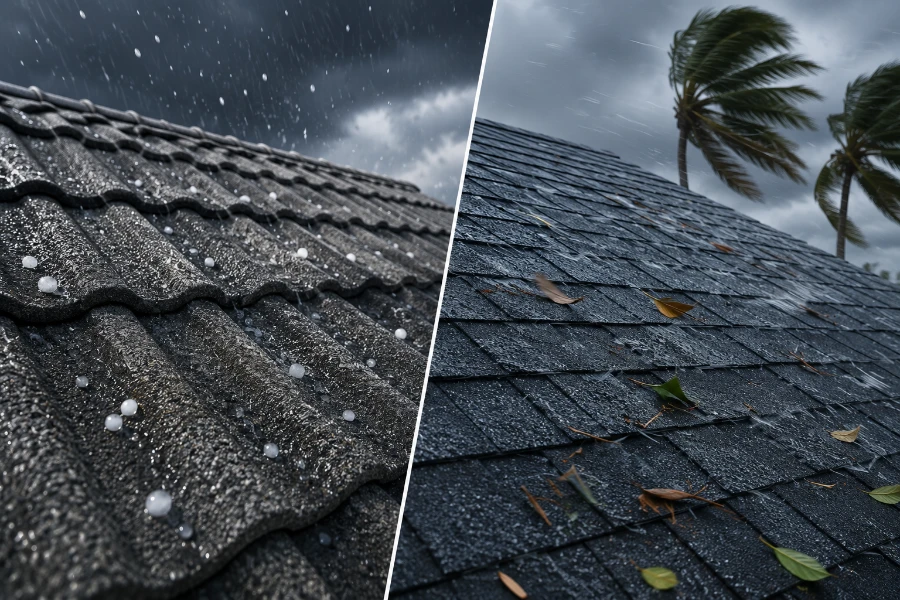
Hail Resistance
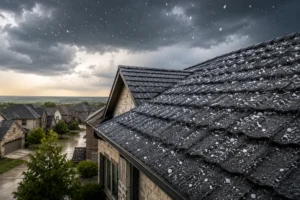
Hail causes significant roofing damage throughout many regions of the United States.
Fortunately, both roofing systems perform well.
Stone coated roofing relies on steel strength.
When hail strikes, the steel core helps distribute impact energy across the panel surface. Even when cosmetic denting occurs, structural performance often remains unaffected.
F-Wave uses a different strategy.
Its flexible polymer construction absorbs impact energy rather than resisting it through rigidity. This flexibility can help reduce cracking and splitting during severe weather events.
In laboratory testing, both systems commonly achieve Class 4 impact ratings.
Wind Resistance
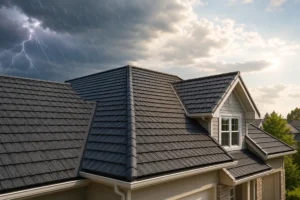
Wind performance becomes particularly important in coastal and storm-prone areas.
Stone coated roofing often achieves wind resistance ratings exceeding 120 mph and, in some cases, significantly higher.
This performance comes from:
- Interlocking panel designs
- Secure fastening systems
- Steel construction
- Reduced uplift exposure
F-Wave also performs impressively, with many systems rated for winds up to approximately 130 mph.
However, the construction methods differ considerably.
For homeowners living in hurricane-prone regions, the steel-based structure of stone coated roofing often provides an additional level of confidence.
Resistance to Everyday Damage
Roofs encounter more than storms.
Over decades, they experience:
- Falling branches
- Foot traffic
- Wind-blown debris
- UV exposure
- Seasonal temperature swings
Stone coated roofing excels because steel remains structurally stable over long periods.
F-Wave performs well too, particularly because its flexibility helps absorb stress. However, synthetic roofing products generally have a shorter track record than steel roofing systems that have been installed for generations.
Lifespan and Longevity
The lifespan of a roof significantly influences its overall value.
A higher upfront investment can become economical when spread across decades of service.
Stone Coated Roofing Lifespan
One of the strongest advantages in the stone coated roof vs F-Wave debate involves longevity.
Stone coated roofs commonly remain functional for:
- 50 years
- 60 years
- Sometimes longer
Because steel resists many common roofing failure points, these systems frequently outlast conventional roofing materials by a substantial margin.
Many manufacturers offer extensive warranties that reflect confidence in long-term performance.
F-Wave Roofing Lifespan
F-Wave roofing is designed to provide long-lasting protection as well.
Expected service life often ranges between:
- 30 years
- 40 years
- Up to 50 years under ideal conditions
These projections are impressive.
However, synthetic roofing products have not accumulated the same decades-long performance history as steel-based roofing systems.
Which Roof Lasts Longer?
For homeowners prioritizing maximum longevity, stone coated roofing generally holds the advantage.
Its steel core, corrosion resistance, and extensive real-world track record create a compelling case for long-term ownership.
In a direct stone coated roof vs F-Wave comparison focused strictly on lifespan, stone coated roofing often emerges as the stronger candidate.
Appearance and Curb Appeal
A roof occupies a large portion of a home’s exterior.
As a result, appearance can influence not only homeowner satisfaction but also resale value.
While durability often drives purchasing decisions, aesthetics frequently determine which premium roofing system homeowners ultimately choose.
Stone Coated Roofing Design Flexibility
One of the biggest strengths of stone coated roofing is its versatility.
Manufacturers offer profiles designed to replicate:
- Wood shake
- Clay tile
- Concrete tile
- Slate
- Traditional shingles
This flexibility allows homeowners to achieve upscale architectural styles without sacrificing durability.
Color selections are often extensive as well. Whether the home features a Mediterranean, farmhouse, craftsman, contemporary, or coastal design, there is usually a profile that complements the architecture.
Before selecting a style, many homeowners explore various stone coated roofing options to determine which profile best matches their home’s character and long-term design goals.
F-Wave Appearance Options
F-Wave roofing primarily focuses on delivering the appearance of dimensional asphalt shingles.
The finished look is attractive and clean.
For homeowners who prefer a traditional shingle appearance, F-Wave provides an appealing option without the maintenance concerns associated with asphalt roofing.
However, design flexibility is more limited compared to stone coated systems.
Homeowners seeking the visual impact of shake, tile, or slate alternatives may find fewer options available.
Which Roofing System Looks Better?
The answer depends largely on personal preference.
However, stone coated roofing generally offers greater architectural flexibility.
For homeowners investing in premium exterior aesthetics, the broader range of profiles and colors often creates a significant advantage.
Energy Efficiency and Sustainability
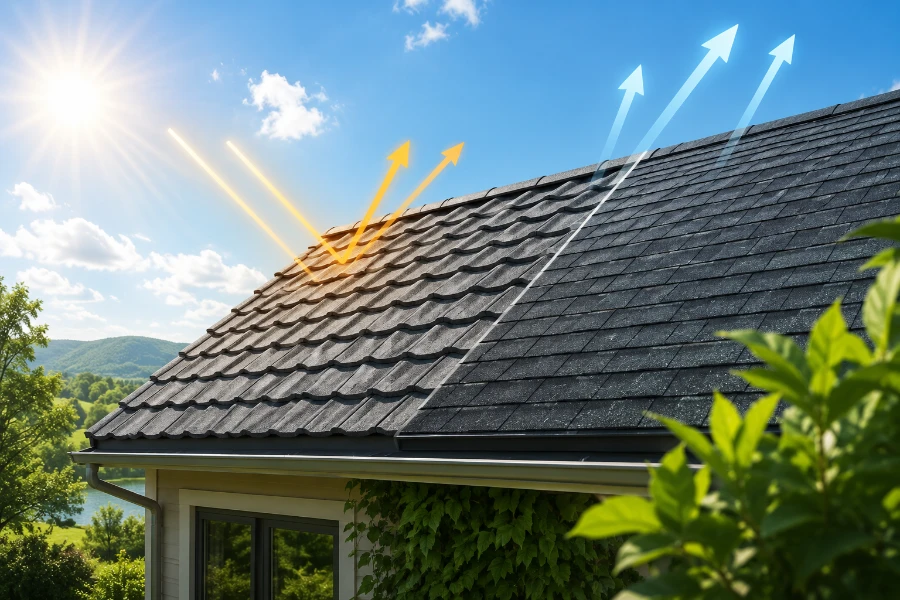
Energy performance matters more today than ever.
An efficient roof can contribute to improved indoor comfort and potentially reduce cooling demands during warmer months.
Energy Performance of Stone Coated Roofing
Stone coated roofing offers several energy-related advantages.
The design often creates a small airspace between the roofing material and the roof deck, helping reduce heat transfer.
Additional benefits include:
- Reflective surface properties
- Reduced solar heat absorption
- Improved ventilation potential
- Lower attic heat buildup
These characteristics can be particularly beneficial in regions that experience long, hot summers.
Energy Performance of F-Wave Roofing
F-Wave roofing also provides respectable energy performance.
Many products incorporate reflective technologies intended to reduce heat absorption.
However, because the material sits closer to the roof deck and lacks the structural profile of many stone coated systems, the overall thermal performance may vary depending on installation conditions and climate.
Environmental Impact Comparison
Sustainability increasingly influences purchasing decisions.
Stone coated roofing offers several environmental advantages:
- Steel is highly recyclable
- Long lifespan reduces landfill waste
- Reduced replacement frequency
- Lower lifecycle environmental impact
F-Wave also promotes durability, which helps reduce waste compared to short-lived roofing products.
However, synthetic polymer products generally offer fewer recycling opportunities at the end of their service life.
For environmentally conscious homeowners, this distinction can become an important factor in the stone coated roof vs F-Wave evaluation.
Installation Considerations
Installation quality affects roofing performance just as much as material quality.
Even the best roofing product can underperform when installed improperly.
Stone Coated Roof Installation
Stone coated roofing requires specialized installation techniques.
Roofing professionals must understand:
- Panel layout requirements
- Fastening systems
- Flashing integration
- Ventilation considerations
- Interlocking panel connections
Fortunately, the lightweight nature of stone coated roofing often allows installation without significant structural modifications.
Many projects can even be completed over existing roofing materials where local codes permit.
F-Wave Installation
One advantage often associated with F-Wave is installation familiarity.
Because the product resembles shingle-based roofing systems, some contractors may find the installation process more familiar than specialized metal roofing systems.
The lightweight design can also simplify handling and transportation.
However, manufacturer installation guidelines still require careful adherence to ensure long-term performance.
Installation Complexity
Both systems require qualified installers.
Stone coated roofing may involve a steeper learning curve due to its panelized construction.
However, that complexity often contributes to the exceptional wind and weather performance that many homeowners seek.
Maintenance Requirements
Nobody wants a roof that demands constant attention.
Fortunately, both systems perform well in this category.
Stone Coated Roofing Maintenance
Maintenance needs are typically minimal.
Recommended practices include:
- Periodic visual inspections
- Clearing debris from valleys and gutters
- Checking flashings after severe storms
- Addressing isolated damage promptly
The steel construction helps resist many common roofing issues such as cracking, curling, and insect-related deterioration.
F-Wave Roofing Maintenance
F-Wave roofing also requires relatively little maintenance.
Routine inspections remain important.
Homeowners should periodically check for:
- Storm-related damage
- Flashing issues
- Debris accumulation
- Seal integrity around roof penetrations
The flexible polymer construction helps reduce certain forms of weather-related deterioration.
Which Requires Less Maintenance?
The difference is relatively small.
Both systems significantly outperform traditional asphalt shingles in terms of maintenance demands.
However, the inherent durability of steel often gives stone coated roofing a slight advantage over extremely long ownership periods.
Cost Comparison
Cost inevitably enters every roofing conversation.
The key is evaluating both initial investment and long-term value.
Upfront Costs
Premium roofing materials generally require higher upfront expenditures than asphalt shingles.
Stone coated roofing costs often reflect:
- Steel construction
- Advanced manufacturing processes
- Specialized installation requirements
- Premium aesthetics
F-Wave also falls into the premium roofing category but may sometimes present a slightly lower installation cost depending on local labor markets and project conditions.
Actual pricing varies significantly based on:
- Roof size
- Roof complexity
- Geographic location
- Contractor experience
- Product selection
Long-Term Ownership Costs
This is where many homeowners shift their perspective.
A roof should not be evaluated solely by purchase price.
Consider:
| Cost Factor | Stone Coated Roofing | F-Wave Roofing |
| Expected Lifespan | Higher | Moderate |
| Repair Frequency | Low | Low |
| Replacement Cycles | Fewer | More Likely |
| Maintenance Costs | Minimal | Minimal |
| Potential Resale Benefit | High | Moderate |
A roof lasting 50 years or longer can significantly reduce lifetime ownership costs.
Return on Investment
Several factors contribute to roofing ROI:
- Longevity
- Reduced maintenance
- Energy savings
- Improved curb appeal
- Potential insurance benefits
- Increased property value
For homeowners planning long-term ownership, stone coated roofing often provides exceptional value despite the higher upfront investment.
This is one reason the stone coated roof vs F-Wave comparison frequently favors stone coated roofing when evaluated over multiple decades.
Best Applications for Stone Coated Roofing
Stone coated roofing is often ideal for homeowners who:
- Plan to stay in their home long term
- Live in hail-prone regions
- Experience severe weather
- Want premium aesthetics
- Prioritize sustainability
- Seek maximum longevity
It also works exceptionally well for custom homes, luxury properties, and homeowners who prefer a roofing system with a long-established performance history.
Best Applications for F-Wave Roofing
F-Wave can be an excellent choice for homeowners who:
- Prefer synthetic roofing materials
- Want Class 4 impact resistance
- Desire a traditional shingle appearance
- Need a lightweight roofing solution
- Value flexibility and modern roofing technology
For many homes, F-Wave provides meaningful performance improvements compared to conventional asphalt roofing.
Stone Coated Roof vs F-Wave: Which Is Right for You?
When comparing stone coated roof vs F-Wave, both systems represent significant upgrades over traditional shingles.
Choose stone coated roofing if:
- Longevity is your top priority
- You want steel-based durability
- You prefer premium architectural styles
- Sustainability matters
- You want exceptional long-term value
Choose F-Wave if:
- You prefer synthetic roofing technology
- You want a premium shingle appearance
- Flexibility and impact absorption are key priorities
- You are comfortable with a newer roofing category
Ultimately, the best choice depends on your goals, budget, local climate, and long-term ownership plans.
Final Thoughts
The stone coated roof vs F-Wave comparison reveals two impressive roofing systems designed to outperform traditional asphalt shingles.
F-Wave offers innovative synthetic technology, excellent impact resistance, and attractive shingle aesthetics. It provides a compelling option for homeowners seeking a modern roofing solution.
However, stone coated roofing continues to stand out for its proven steel construction, exceptional longevity, broad design flexibility, sustainability advantages, and remarkable resistance to severe weather. For homeowners focused on maximizing long-term value and minimizing future roof replacement concerns, stone coated roofing often remains one of the strongest investments available today.
A roof is not simply a purchase.
It is a long-term commitment to protecting your home.
Choosing the right system today can deliver benefits for decades to come.
FAQs
Stone coated roofing generally offers a longer proven lifespan, more design options, and a steel-based construction, while F-Wave excels in flexibility and impact resistance.
Stone coated roofing typically lasts 50 years or more, whereas F-Wave roofs are generally expected to last between 30 and 50 years under normal conditions.
Stone coated roofing often has a higher upfront cost, but its extended lifespan and low maintenance requirements can provide greater long-term value.
Both systems can achieve Class 4 impact ratings, but stone coated roofing relies on the strength of steel while F-Wave absorbs impacts through its flexible polymer construction.
Yes. Its premium appearance, durability, and long service life can make a home more attractive to potential buyers and may contribute to higher resale value.
Yes. F-Wave is designed to closely resemble dimensional asphalt shingles while offering improved durability and weather resistance.
Both roofing systems require relatively little maintenance, although stone coated roofing often has a slight advantage due to its durable steel construction.
Yes. Many stone coated roofing systems help reduce heat transfer through reflective finishes and ventilation-friendly designs, improving energy efficiency in warm climates.
In some cases, yes. Depending on local building codes and the condition of the existing roof, stone coated roofing may be installed over one layer of old roofing material.
Consider your budget, local climate, desired appearance, expected length of homeownership, and long-term maintenance goals. A qualified roofing contractor can help determine which system best fits your home.