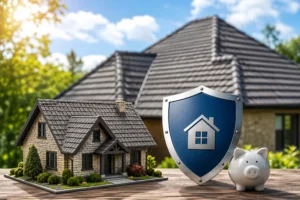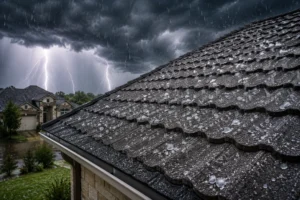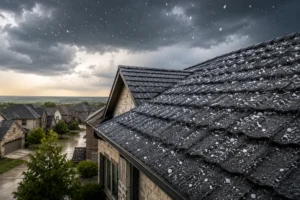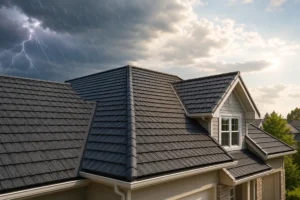
Homeowners are paying more than ever to insure their homes. Rising construction costs, increasingly severe weather, and a growing number of insurance claims have pushed premiums upward across much of the United States. The good news? Insurance discounts for Class 4 roofing offer homeowners an opportunity to lower those costs while making their homes significantly more resilient against hail and wind damage.
Replacing a roof is a major investment, so it makes sense to look beyond the upfront price tag. A high-quality Class 4 roof can provide years of dependable protection, reduce repair expenses, and even qualify you for discounts on your homeowners insurance. While the exact savings depend on your insurance carrier and where you live, understanding insurance discounts for Class 4 roofing can help you maximize the return on your investment.
For homeowners considering stone coated steel roofing, the financial advantages go beyond insurance premiums. You’ll also enjoy a longer-lasting roof, fewer maintenance issues, and greater confidence every time severe weather rolls through. Let’s explore why insurance companies value Class 4 roofing systems and how you can take advantage of the savings.
What Is a Class 4 Roof?
A Class 4 roof is a roofing system that has earned the highest impact-resistance rating available under the UL 2218 testing standard. This certification demonstrates that the roofing material can withstand significant impact without cracking or losing its ability to protect the home.
Unlike standard roofing materials, Class 4 products are specifically engineered to resist damage caused by hail and flying debris.
Understanding the UL 2218 Impact Rating
Roofing products don’t receive a Class 4 rating simply because manufacturers claim they’re durable. Instead, they must pass rigorous laboratory testing established by Underwriters Laboratories.
During UL 2218 testing, steel balls of various sizes are dropped from predetermined heights onto roofing samples. After repeated impacts, inspectors examine the materials for cracks, tears, fractures, and any loss of structural integrity.
Only roofing products that successfully withstand these impacts earn the prestigious Class 4 designation.
That certification provides insurers with confidence that the roofing system is less likely to suffer costly storm damage.
Roofing Materials That Can Earn Class 4 Ratings
Several roofing materials can achieve this rating, including:
- Stone coated steel roofing
- Impact-resistant asphalt shingles
- Standing seam metal roofing
- Composite roofing
- Polymer roofing systems
However, not every product within these categories qualifies. Manufacturers must independently test and certify specific products.
If you’re comparing premium roofing options, our guide on Stone Coated Roof vs Impact Resistant Shingles explains how each performs in terms of durability, maintenance, and long-term value before you make a final decision.
Why Insurance Companies Offer Discounts
Insurance companies evaluate risk every day.
The lower the chance they’ll have to pay expensive claims, the lower their financial exposure becomes. That’s exactly why insurance discounts for Class 4 roofing have become increasingly popular among many insurance providers.
Simply put, stronger roofs generate fewer claims.
Stronger Roofs Mean Lower Risk
Impact-resistant roofing helps reduce damage from:
- Large hailstones
- Wind-driven debris
- Falling tree limbs
- Heavy rain
- Flying objects during storms
When roofing materials remain intact after severe weather, homeowners avoid expensive repairs while insurers avoid costly claim payouts.
Protecting the roof also helps preserve the home’s overall building envelope, reducing the likelihood of moisture intrusion, mold growth, insulation damage, and structural deterioration after storms.
That creates benefits for everyone involved.
Roof Claims Are Among the Most Expensive
Roof damage rarely affects only the shingles.
Water entering through even a small opening can damage ceilings, drywall, insulation, flooring, electrical systems, and personal belongings.
Here’s a simple comparison.
| Damage Type | Potential Cost Impact |
| Roof replacement | Very High |
| Ceiling repairs | Moderate to High |
| Water mitigation | High |
| Mold remediation | High |
| Drywall replacement | Moderate |
| Interior painting | Moderate |
A durable Class 4 roof dramatically reduces the likelihood of these cascading expenses.
How Much Can You Save?
Every homeowner wants to know the same thing.
How much money will I actually save?
There’s no universal answer because insurance companies calculate premiums differently. However, homeowners who install qualifying Class 4 roofing products often receive meaningful premium reductions.
Typical Discount Ranges
| Roofing Type | Possible Insurance Discount |
| Standard Roof | None |
| Class 4 Asphalt Roofing | 5%–15% |
| Class 4 Stone Coated Steel Roofing | 5%–25% |
Actual discounts depend on:
- Insurance company
- State regulations
- Local weather history
- Home value
- Roof age
- Claims history
Although premium reductions alone may not pay for a new roof immediately, they contribute to significant long-term savings.
Remember, you’re also reducing maintenance costs and extending the lifespan of your roof.
States Where Insurance Discounts Are Most Common
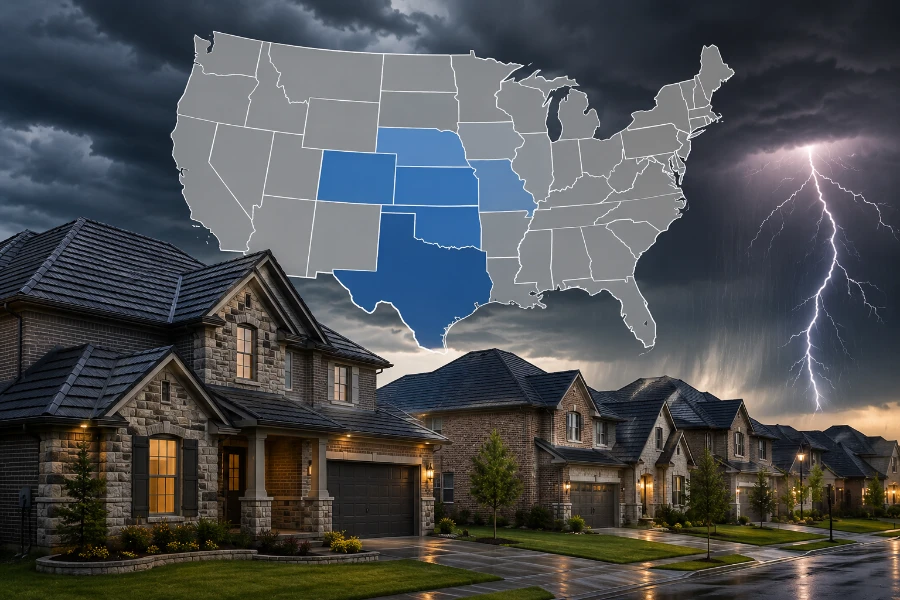
While homeowners across the country may qualify for insurance discounts for Class 4 roofing, the largest incentives typically appear in states with frequent hailstorms.
Texas
Texas consistently experiences some of the highest hail-related insurance losses in the country.
Because severe weather is so common, many insurers encourage homeowners to install impact-resistant roofing systems.
Other States Offering Discounts
Homeowners may also find attractive discounts in:
- Oklahoma
- Colorado
- Kansas
- Nebraska
- Missouri
- Wyoming
- South Dakota
Insurance guidelines vary considerably, so it’s always worth asking your insurance company about available incentives before replacing your roof.
How Insurance Companies Verify a Class 4 Roof
Installing a qualifying roofing product is only part of the process.
Most insurance companies require documentation before approving premium discounts.
Keep These Documents
After installation, save copies of:
- Roofing contract
- Paid invoice
- Product specifications
- UL 2218 certification
- Manufacturer warranty
- Contractor installation records
- Roof inspection report
- Completion photographs
Maintaining organized records makes future insurance updates much easier.
If you ever change insurance carriers, you’ll already have everything needed to verify your roof qualifies.
Does Every Class 4 Roof Automatically Qualify?
Not always.
Insurance companies establish their own underwriting guidelines.
Before applying a discount, they may review:
- Roofing manufacturer
- Product certification
- Roof age
- Installation quality
- Local building codes
- Approved product lists
- Contractor credentials
This is why contacting your insurance agent before replacing your roof is one of the smartest decisions you can make.
A brief conversation now could save both time and money later.
As you continue evaluating roofing options, remember that insurance savings represent only one piece of the puzzle. The overall durability, longevity, and lifetime ownership costs often matter even more. In Part 2, we’ll explore why stone coated steel roofing frequently stands out among Class 4 products, how to maximize your insurance savings, common myths to avoid, and whether investing in a Class 4 roof truly delivers long-term value.
Stone Coated Steel Roofing and Insurance Discounts
Not every Class 4 roofing material delivers the same long-term value.
While several roofing products qualify for impact-resistant ratings, stone coated steel roofing has earned a reputation for combining exceptional durability with attractive curb appeal. Homeowners don’t have to choose between strength and style—they can enjoy both.
Because stone coated steel roofing resists hail, high winds, corrosion, and fire, many insurance companies recognize it as a lower-risk roofing option. Combined with insurance discounts for Class 4 roofing, these performance benefits can make the investment even more worthwhile.
Unlike conventional roofing materials that may crack or deteriorate after repeated storms, stone coated steel is designed to withstand decades of harsh weather with minimal maintenance.
Why Stone Coated Steel Performs So Well
Several characteristics contribute to its outstanding performance:
- Excellent impact resistance
- High wind ratings
- Fire-resistant construction
- Corrosion-resistant coatings
- Lightweight design
- Long service life
- Low maintenance requirements
- Energy-efficient performance
Its durability often translates into fewer repairs and greater confidence during severe weather seasons.
If you’re wondering how long this investment can protect your home, read How Long Does Stone Coated Steel Roofing Really Last? to learn why many homeowners choose it as a lifetime roofing solution.
Additional Financial Benefits Beyond Insurance Savings
Although insurance discounts for Class 4 roofing are one of the biggest selling points, they’re only part of the overall financial picture.
A quality roof continues delivering value year after year.
Fewer Repair Bills
Every avoided repair keeps money in your pocket.
Instead of replacing damaged shingles after every hailstorm, homeowners with impact-resistant roofing often experience significantly fewer maintenance issues.
Those savings accumulate over time.
Longer Roof Lifespan
A longer-lasting roof delays one of the largest home improvement expenses most homeowners face.
Instead of replacing a roof every couple of decades, many premium roofing systems continue performing well for much longer with proper maintenance.
That dramatically improves long-term ownership costs.
Increased Home Value
Today’s buyers understand the value of resilient construction.
A home equipped with a Class 4 roofing system may become more attractive in competitive real estate markets, particularly in regions that regularly experience hailstorms.
Potential buyers often appreciate knowing they’ll inherit a durable roof with a lower likelihood of future storm damage.
Better Protection During Severe Weather
No roof is completely indestructible.
However, a stronger roofing system provides greater protection when extreme weather strikes.
That extra margin of safety can reduce stress during storm season and minimize disruptions after major weather events.
Lower Lifetime Ownership Costs
Consider the combined financial benefits:
| Benefit | Potential Long-Term Value |
| Lower insurance premiums | Annual savings |
| Reduced repair costs | Fewer service calls |
| Longer roof lifespan | Delayed replacement |
| Increased resale appeal | Higher perceived value |
| Better storm protection | Lower financial risk |
When viewed over several decades, the overall return on investment becomes much more compelling.
Questions to Ask Your Insurance Agent
Every insurance company has its own underwriting guidelines.
Before selecting a roofing material, schedule a quick conversation with your insurance provider.
Here are several questions worth asking:
- Do you offer insurance discounts for Class 4 roofing?
- Which roofing products qualify?
- How much is the available premium discount?
- Is documentation required?
- Will I need a roof inspection?
- Does the roof need to be installed by a certified contractor?
- How long will the discount remain in effect?
- Are there additional wind mitigation discounts available?
These answers can influence your roofing decision and help you maximize available savings.
How to Maximize Your Insurance Savings

A Class 4 roof alone doesn’t guarantee the largest possible discount.
Taking a few additional steps can improve your chances of receiving every available insurance benefit.
Choose a Certified Roofing Product
Verify that your chosen roofing system carries an authentic UL 2218 Class 4 rating.
Manufacturer documentation should clearly identify the certification.
Work With an Experienced Roofing Contractor
Installation quality matters.
Even premium roofing materials may fail prematurely if installed incorrectly.
Hiring an experienced contractor helps ensure the roof performs exactly as designed.
Keep Every Piece of Documentation
Create a digital folder containing:
- Installation contract
- Paid invoices
- Product certifications
- Warranty paperwork
- Inspection reports
- Photographs
- Manufacturer documentation
Having everything organized makes future insurance updates much easier.
Notify Your Insurance Company Promptly
Don’t wait until your next renewal.
Contact your insurance company as soon as the installation is complete.
Many homeowners delay this step and miss months of potential premium savings.
Compare Multiple Insurance Quotes
Insurance companies assess risk differently.
After installing your new roof, request updated quotes from several providers.
You may discover significantly better rates simply because your home now presents less risk.
Common Myths About Class 4 Roof Insurance Discounts
There’s plenty of misinformation surrounding impact-resistant roofing.
Let’s separate fact from fiction.
Myth #1: Every Insurance Company Offers the Same Discount
False.
Some insurers offer only modest reductions, while others provide substantial premium discounts depending on location and risk exposure.
Always verify directly with your carrier.
Myth #2: Only Metal Roofs Qualify
Not true.
Impact-resistant asphalt shingles, synthetic roofing products, and several other materials may also earn Class 4 certification if they pass testing requirements.
Myth #3: Insurance Savings Instantly Pay for the Roof
While insurance discounts for Class 4 roofing certainly help offset costs, they should be viewed as one part of the overall financial return.
Reduced maintenance, fewer repairs, and longer roof life often contribute even more value over time.
Myth #4: Older Class 4 Roofs Always Keep Their Discount
Insurance companies periodically review underwriting guidelines.
As roofing systems age, discount eligibility may change.
Ask your insurer whether age-related adjustments apply to your policy.
Is a Class 4 Roof Worth It?
For many homeowners, the answer is a confident yes.
When evaluating a roofing investment, it’s easy to focus solely on installation costs.
However, that approach overlooks the bigger picture.
A premium roofing system delivers value in multiple ways:
- Lower insurance premiums
- Better protection against hail
- Reduced maintenance expenses
- Longer service life
- Increased resale appeal
- Greater peace of mind
Instead of viewing a Class 4 roof as simply another home improvement project, think of it as long-term financial protection.
The roof protects everything beneath it.
That’s an investment worth making.
Final Thoughts
Choosing the right roofing system is about far more than appearance. It’s about protecting your home, reducing long-term expenses, and preparing for whatever Mother Nature brings next. Insurance discounts for Class 4 roofing provide an added financial incentive for homeowners who invest in stronger, impact-resistant materials, but the savings don’t stop there.
A Class 4 roof can reduce repair costs, extend the lifespan of your home, improve resale value, and provide greater confidence during every storm season. While discount amounts vary between insurance companies and states, the overall benefits often make the investment worthwhile.
Before beginning your roofing project, speak with your insurance provider to confirm which products qualify for premium reductions. Then partner with a reputable contractor who installs certified Class 4 roofing systems and provides complete documentation for your records.
In the end, a durable stone coated steel roof isn’t just another upgrade—it’s a long-term investment in your home’s safety, performance, and financial future. When you combine superior protection with insurance discounts for Class 4 roofing, you’re making a decision that can continue paying off for many years to come.
FAQs
A Class 4 roof has the highest impact-resistance rating under the UL 2218 standard, making it highly resistant to hail and flying debris.
Many homeowners save between 5% and 25% on their homeowners insurance, depending on the insurer, location, and qualifying roofing product.
No. Discounts vary by insurance company, state, and underwriting guidelines, so it’s best to ask your insurer directly.
Many stone coated steel roofing systems carry a Class 4 impact rating and may qualify for insurance discounts if your insurer recognizes the product.
Most insurers require proof such as the roofing invoice, manufacturer certification, product documentation, or a roof inspection report.
For many homeowners, yes. Lower insurance premiums, fewer repairs, and a longer roof lifespan can provide significant long-term value.
States with frequent hailstorms, such as Texas, Colorado, Oklahoma, Kansas, and Nebraska, often have insurers that offer these discounts.
Possibly. Some insurers continue offering discounts as the roof ages, while others adjust or remove them based on its condition and age.
No roof can prevent every type of storm damage, but a Class 4 roof offers superior resistance to hail and impacts compared to standard roofing materials.
Ask which Class 4 roofing products qualify, how much you could save, what documentation is required, and whether additional mitigation discounts are available.