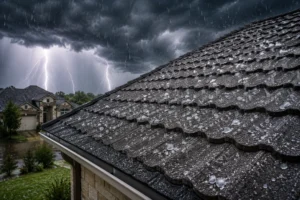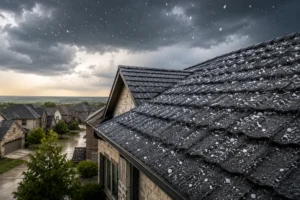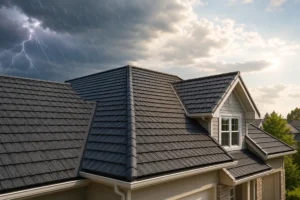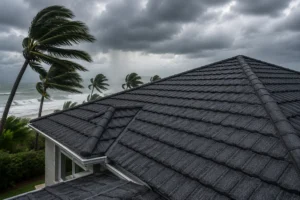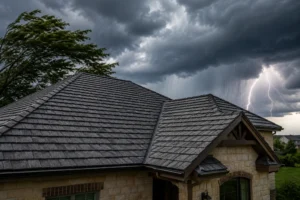
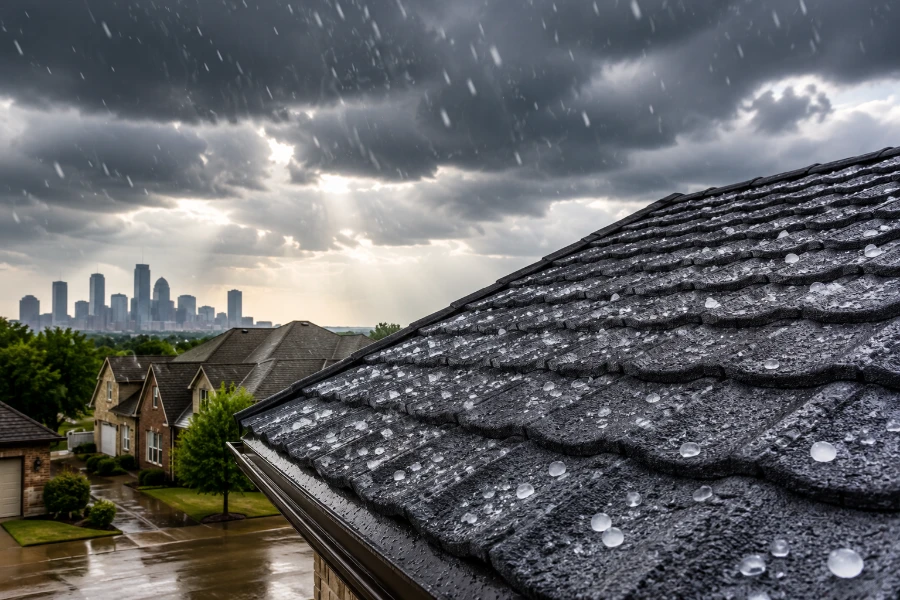
Texas homeowners know severe weather is simply part of life. One week brings clear blue skies, and the next can deliver baseball-sized hail, powerful winds, and heavy rain in a matter of minutes. That’s exactly why choosing the best roof for Texas hailstorms is one of the smartest investments you can make. Your roof isn’t just another feature of your home—it serves as the first line of defense against some of the harshest weather conditions in the country.
Unfortunately, not all roofing materials respond the same way when hail starts falling. Some crack. Others dent. Many require costly repairs after only one significant storm. On the other hand, modern impact-resistant roofing systems are engineered to withstand repeated hail events while maintaining their structural integrity for decades.
If you’re researching the hail resistant roofing Texas options available today, understanding how different roofing materials perform during severe storms is the first step toward making a long-term investment in your home.
In this guide, we’ll compare today’s most popular roofing materials, explain what makes a roof hail-resistant, and help you determine the best roof for Texas hailstorms based on durability, longevity, maintenance, and long-term value.
Why Texas Experiences Some of the Worst Hailstorms in the U.S.
Texas consistently ranks among the states with the highest number of damaging hailstorms each year. Its unique geography and climate create the perfect environment for violent thunderstorms capable of producing enormous hailstones.
Many of the state’s most destructive hail events develop from supercell thunderstorms, which are capable of producing exceptionally large hailstones, damaging winds, and even tornadoes.
Why Texas Is So Vulnerable
Several weather patterns work together:
- Warm, humid air from the Gulf of Mexico
- Dry air from the southwest
- Cold air moving south from Canada
- Strong upper-level wind patterns
When these systems collide, they create ideal conditions for hail-producing storms.
Areas including Dallas-Fort Worth, Amarillo, Lubbock, Midland, Austin, San Antonio, and portions of Central Texas experience frequent hail events every spring. Even Houston, while known more for hurricanes, occasionally sees damaging hail.
For homeowners, this means roof damage isn’t an unlikely event—it’s something worth planning for before the next storm arrives.
Why Roofing Suffers the Most
A roof absorbs the full force of every hailstorm.
Unlike siding or windows that may be partially protected, roofing materials receive direct impacts from hailstones accelerated by gravity and powerful winds. Over time, repeated storms weaken roofing materials, reducing their ability to protect the home from moisture intrusion.
That’s why choosing the best roof for Texas hailstorms involves thinking beyond appearance. Durability matters far more than curb appeal alone.
What Makes a Roof Resistant to Hail?
Many roofing products advertise themselves as “storm resistant,” but the real differences become apparent during severe weather.
Several characteristics determine how well a roof performs.
Impact Resistance
Perhaps the most important factor is impact resistance.
Roofs tested under UL 2218 standards receive Class 1 through Class 4 ratings, with Class 4 offering the highest level of protection against hail impacts.
Material Strength
Materials such as steel naturally resist cracking better than brittle products like clay or slate.
Flexibility also plays a role. Materials capable of absorbing impact without fracturing typically experience less damage during hailstorms.
Wind Performance
Texas storms rarely involve hail alone.
High winds can lift roofing materials, loosen fasteners, and expose underlayment. The best roofing systems combine hail resistance with excellent wind ratings.
Installation Quality
Even premium roofing materials can fail if improperly installed.
Choosing experienced installers is just as important as selecting the right roofing product.
Comparing the Best Roofing Materials for Texas Hailstorms
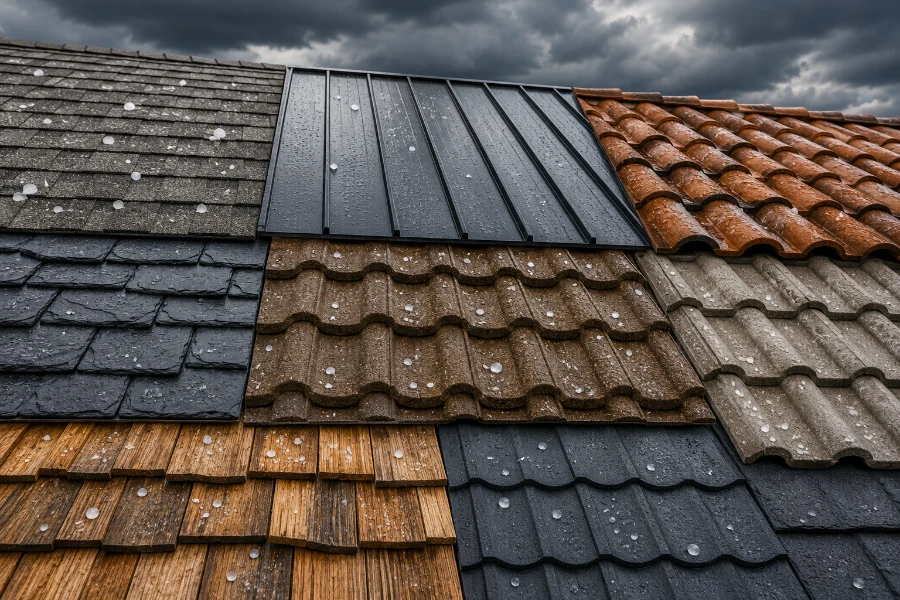
Not every roofing material performs equally when exposed to repeated hail impacts.
Let’s compare the leading options.
Stone-Coated Metal Roofing
For many homeowners, stone-coated metal roofing represents the ideal balance of strength, beauty, and long-term value.
Unlike traditional metal panels, stone-coated roofing combines galvanized steel with a durable stone coating that improves impact resistance while delivering the appearance of shingles, tile, or shake.
Key advantages include:
- Excellent Class 4 impact ratings (many products)
- Exceptional wind resistance
- Fire resistance
- Energy efficiency
- Low maintenance
- Lifespan of 40–70 years
- Attractive residential appearance
Because steel absorbs impacts differently than brittle materials, stone-coated roofs typically experience far less functional damage after severe storms.
Class 4 Asphalt Shingles
Impact-resistant asphalt shingles offer a noticeable improvement over standard shingles.
Benefits include:
- Lower installation costs
- Widely available
- Better hail performance than traditional shingles
- Insurance discounts in some areas
However, asphalt still ages faster under Texas heat and often requires replacement much sooner than metal roofing.
Homeowners deciding between premium roofing systems should compare stone coated roof vs impact resistant shingles to better understand the differences in durability, maintenance requirements, long-term value, and performance during Texas hailstorms.
Standing Seam Metal Roofing
Standing seam systems are another outstanding performer.
Advantages include:
- Outstanding durability
- Long lifespan
- Excellent wind performance
- Minimal maintenance
The primary drawback?
Although structural damage is uncommon, cosmetic dents may remain visible after large hailstorms.
Concrete Tile Roofing
Concrete tiles offer respectable durability but introduce several challenges.
Pros:
- Long lifespan
- Fire resistance
- Attractive appearance
Cons:
- Extremely heavy
- Individual tiles may crack under significant hail impacts
- Repairs can become expensive
Clay Tile Roofing
Clay roofs create beautiful homes but aren’t always the ideal choice for hail-prone regions.
Large hailstones may crack individual tiles, requiring prompt replacement to prevent leaks.
Slate Roofing
Natural slate remains one of the most elegant roofing materials available.
However, it’s also among the most expensive and can fracture when struck by exceptionally large hailstones.
Repairing slate often requires specialized contractors.
Synthetic Roofing Products
Composite roofing materials continue improving every year.
Many synthetic products now achieve impressive impact ratings while mimicking slate or cedar shake.
Performance varies significantly between manufacturers, making product selection especially important.
Roofing Material Comparison
| Roofing Material | Hail Resistance | Lifespan | Maintenance | Energy Efficiency |
| Stone-Coated Metal | Excellent | 40–70 Years | Low | Excellent |
| Standing Seam Metal | Excellent | 50+ Years | Low | Excellent |
| Class 4 Asphalt | Very Good | 20–30 Years | Moderate | Good |
| Synthetic Roofing | Very Good | 30–50 Years | Low | Good |
| Concrete Tile | Good | 50+ Years | Moderate | Good |
| Clay Tile | Fair | 50+ Years | Moderate | Moderate |
| Slate | Fair | 75+ Years | High | Moderate |
Why Stone-Coated Roofing Is Often Considered the Best Roof for Texas Hailstorms
When homeowners ask roofing professionals which material offers the best overall protection, stone-coated roofing consistently appears near the top of the list.
That’s because it excels across nearly every category.
Built for Extreme Weather
The galvanized steel core provides outstanding structural strength.
Meanwhile, the stone coating helps disperse impact energy while protecting against UV exposure and corrosion.
Instead of relying solely on thickness, the roofing system uses multiple protective layers that work together during severe weather.
Long-Term Value
Although the upfront investment may exceed traditional asphalt shingles, long-term ownership costs are often much lower.
Homeowners benefit from:
- Fewer repairs
- Longer replacement intervals
- Better energy efficiency
- Strong resale appeal
- Potential insurance savings
Over several decades, the total cost of ownership frequently becomes lower than replacing asphalt roofs multiple times.
Understanding Class 4 Impact Ratings
Many homeowners hear the phrase “Class 4” without fully understanding what it means.
The rating comes from standardized laboratory testing designed to measure how roofing materials perform during simulated hail impacts.
Roofing samples undergo repeated impacts using hardened steel balls dropped from predetermined heights.
Products earning a Class 4 rating demonstrate the highest available level of impact resistance under the testing standard.
However, no roofing product is completely indestructible. Installation quality, roof age, storm intensity, and maintenance all influence real-world performance.
Can a Roof Be Completely Hail-Proof?
Every homeowner hopes to install a roof that never suffers storm damage. It’s an understandable goal. However, the truth is that no roofing material is completely hail-proof.
Even the best roof for Texas hailstorms has limits. Extremely large hailstones, falling with tremendous force and accompanied by high winds, can damage almost any roofing system. The difference lies in how well the roof resists that damage and whether it continues protecting your home afterward.
A hail-resistant roof is designed to minimize structural damage, reduce repair costs, and extend the life of the roofing system after repeated storms. That’s why professionals recommend focusing on resilience rather than searching for a product that’s marketed as “indestructible.”
The National Weather Service recommends treating large hail as a serious hazard because even relatively small hailstones can damage roofing materials, vehicles, siding, and windows when driven by strong winds.
Other Factors That Help Protect Your Roof During Texas Storms
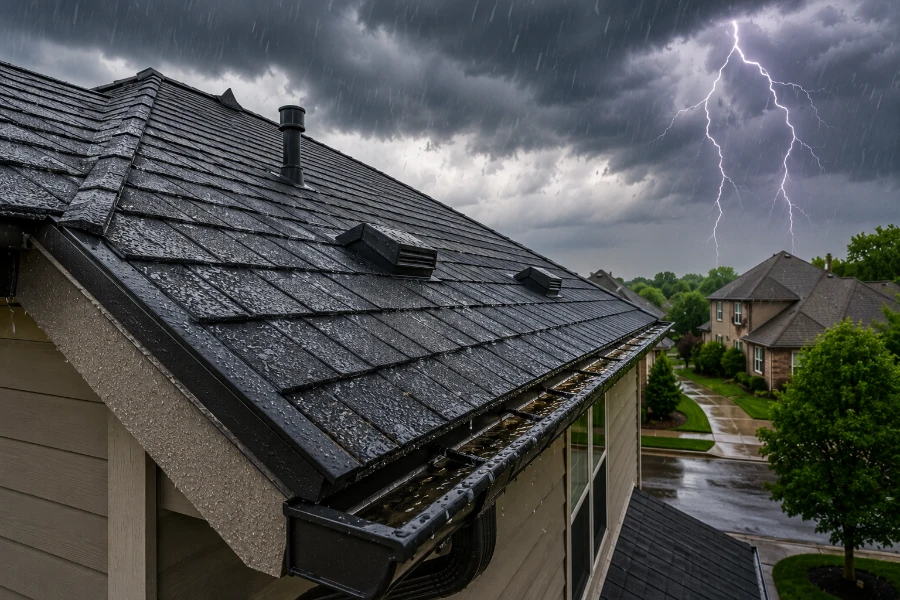
The roofing material is only one part of the equation. Even the best roof for Texas hailstorms can underperform if the entire roofing system isn’t designed and installed correctly.
Proper Roof Installation
Installation quality often determines whether a roof performs as expected during severe weather.
An experienced roofing contractor will ensure:
- Proper fastening patterns
- Correct flashing installation
- Manufacturer-approved installation methods
- Secure ridge caps
- Proper sealing around roof penetrations
Poor workmanship creates weak points where wind and water can enter, regardless of how durable the roofing material may be.
High-Quality Underlayment
Think of underlayment as your roof’s backup defense.
If hail damages the outer roofing material, the underlayment helps prevent water from entering your home. Synthetic underlayments generally provide better tear resistance and moisture protection than traditional felt products.
Adequate Roof Ventilation
Proper attic ventilation doesn’t stop hail, but it plays a major role in extending your roof’s lifespan.
Good ventilation helps:
- Reduce excessive attic heat
- Prevent moisture buildup
- Improve energy efficiency
- Protect roof decking
- Extend roofing material performance
Texas summers are brutal, and excessive heat can shorten the lifespan of many roofing products.
Regular Roof Inspections
Small issues often become expensive repairs when ignored.
Schedule professional roof inspections:
- After major hailstorms
- Once each year
- Before buying or selling a home
- If you notice interior water stains
Early detection prevents minor damage from becoming major structural problems.
Maintain Gutters and Drainage
Strong storms often fill gutters with leaves, branches, and roofing debris.
Keeping gutters clean allows rainwater to drain quickly, reducing the risk of standing water and moisture damage around the roof’s edge.
Does the Best Roof for Texas Hailstorms Save Money on Insurance?
In many cases, yes.
Insurance companies understand that impact-resistant roofing materials reduce claim frequency and repair costs. As a result, many insurers offer discounts for qualifying roofing systems, especially those with Class 4 impact ratings.
Potential savings vary depending on:
- Insurance provider
- Home location
- Roofing material
- Roof age
- Policy type
Before replacing your roof, ask your insurance company:
- Does a Class 4 roof qualify for discounts?
- Which roofing products are approved?
- Are inspections required?
- Will documentation from the installer be needed?
While insurance savings shouldn’t be the only reason to upgrade your roof, they can help offset the initial investment over time.
Signs Your Roof May Need Replacement After a Texas Hailstorm
Some hail damage is obvious. Other problems remain hidden until water starts leaking into the home.
Watch for these warning signs after a severe storm.
Missing Granules
Asphalt shingles may lose protective granules after repeated hail impacts.
This exposes the underlying material to UV damage and accelerates aging.
Cracked or Broken Shingles
Visible cracks often indicate that the shingles have lost their ability to keep water out.
Dented Metal Panels
While cosmetic dents don’t always affect performance, deep dents around seams or flashing deserve professional evaluation.
Water Leaks
Water stains on ceilings or walls often indicate roofing damage that requires immediate attention.
Damaged Flashing
Flashing protects vulnerable roof areas around chimneys, skylights, and vents.
If flashing becomes bent or separated during a storm, water infiltration becomes much more likely.
Soft Spots on the Roof
Areas that feel soft underfoot may indicate moisture damage beneath the roofing material.
These should always be inspected promptly.
Choosing the Best Roof for Texas Hailstorms
If you’re comparing roofing materials today, focus on long-term value instead of initial price alone.
Here’s a quick comparison of what matters most.
| Feature | Stone-Coated Metal | Class 4 Asphalt | Standing Seam Metal | Concrete Tile |
| Hail Resistance | Excellent | Very Good | Excellent | Good |
| Wind Resistance | Excellent | Very Good | Excellent | Good |
| Lifespan | 40–70 Years | 20–30 Years | 50+ Years | 50+ Years |
| Maintenance | Low | Moderate | Low | Moderate |
| Energy Efficiency | Excellent | Good | Excellent | Good |
| Overall Value | Excellent | Good | Excellent | Good |
While every home has unique needs, stone-coated metal roofing consistently offers one of the best combinations of durability, appearance, longevity, and storm protection available today.
Tips for Selecting the Right Roofing Contractor
Even premium roofing materials can fail if they’re installed incorrectly.
When evaluating contractors, ask the following questions:
- Are you licensed and insured?
- Do you specialize in hail-resistant roofing systems?
- Are you certified by the manufacturer?
- Can you provide local references?
- What warranties are included?
- Will you inspect the roof after installation?
A reputable contractor should be happy to answer these questions and explain every step of the installation process.
Long-Term Maintenance Tips
Protect your investment with a few simple maintenance habits.
- Inspect your roof after every major storm.
- Trim tree branches hanging over the roof.
- Keep gutters and downspouts clear.
- Remove debris that traps moisture.
- Schedule professional inspections annually.
- Address minor repairs before they grow.
These proactive steps help maximize the lifespan of even the best roof for Texas hailstorms.
Final Thoughts
Choosing the best roof for Texas hailstorms isn’t simply about surviving the next storm. It’s about investing in decades of protection, lower maintenance costs, improved energy efficiency, and greater peace of mind.
Texas weather can be unpredictable. Hailstorms arrive with little warning, and the damage they leave behind can be extensive. That’s why homeowners should prioritize roofing systems engineered specifically for severe weather rather than selecting materials based solely on upfront price.
While Class 4 asphalt shingles, standing seam metal roofs, synthetic roofing products, and concrete tile all provide varying levels of impact resistance, stone-coated metal roofing continues to stand out as one of the most complete solutions available. It combines exceptional hail resistance, outstanding wind performance, impressive longevity, beautiful curb appeal, and minimal maintenance into one roofing system.
Ultimately, the best roof for Texas hailstorms is one that protects your home year after year, even when the weather doesn’t cooperate. By selecting a high-quality roofing material, working with an experienced installer, and maintaining your roof through regular inspections, you’ll be well prepared for whatever the next Texas storm brings.
FAQs
Stone-coated metal roofing is widely considered one of the best roof options for Texas hailstorms because it combines exceptional impact resistance, durability, and a long lifespan.
Yes. A Class 4 roof offers superior impact resistance, may reduce repair costs after hailstorms, and can qualify for insurance discounts with some providers.
Most high-quality metal roofs can withstand large hail without structural damage, although some may experience cosmetic dents depending on the hail size.
A properly installed stone-coated metal roof typically lasts between 40 and 70 years with minimal maintenance.
Most homeowners insurance policies cover hail damage, but coverage depends on your policy terms, deductible, and the extent of the damage.
Look for cracked shingles, missing granules, dents in metal components, damaged flashing, or water stains inside your home after a storm.
It’s recommended to have your roof professionally inspected at least once a year and after any significant hailstorm.
Impact-resistant Class 4 asphalt shingles perform much better than standard shingles, but they generally don’t last as long as stone-coated metal roofing.
Yes. Severe hail can crack roofing materials or damage flashing, allowing water to enter your home during the next rainfall.
Inspect your property from the ground for visible damage, document any issues with photos, and schedule a professional roof inspection as soon as possible.