Homeowners are feeling the impact of rising insurance costs across the country. Premiums have climbed due to stronger storms, more frequent claims, and increasing construction costs. Fortunately, there is one home improvement that can do more than protect your house—it may also help reduce what you pay for coverage. Roofing insurance premium reduction has become a major consideration for homeowners looking to improve both safety and long-term affordability.
A roof isn’t simply a layer that keeps rain out. Insurance companies view it as one of the home’s primary defenses against hail, wind, fire, and water damage. The stronger and more durable your roofing system is, the less financial risk it often represents. That’s why many insurers reward qualifying roofing systems with discounts or lower premiums.
If you’re planning to replace your roof, understanding how roofing insurance premium reduction works could help you make a smarter investment. Throughout this guide, we’ll explain how insurers evaluate roofing systems, why stone coated roofing stands out, and what steps you can take to maximize potential insurance savings.
Understanding Roofing Insurance Premium Reduction
Simply put, roofing insurance premium reduction refers to lower homeowners insurance costs that may be available after installing a roofing system that reduces the likelihood of future claims. While discounts aren’t guaranteed, many insurance providers recognize roofing materials that perform exceptionally well against weather-related damage.
Insurance companies operate on risk. Every policy they write represents a potential future payout. Homes equipped with durable roofing materials generally experience fewer expensive claims, making them less risky to insure.
Several roofing characteristics influence this assessment:
- Impact resistance
- Wind resistance
- Fire resistance
- Roof age
- Expected lifespan
- Overall condition
- Installation quality
The stronger your roof performs in these areas, the more attractive it may appear to insurers.
It’s important to remember that insurance discounts vary by carrier, state, and policy. Some companies offer substantial savings, while others provide only modest reductions. Nevertheless, installing a premium roofing system often delivers benefits well beyond the monthly premium.
Why Your Roof Plays Such a Big Role in Insurance Costs
Your roof protects almost every part of your home. When it fails, water intrusion can damage ceilings, insulation, flooring, drywall, electrical systems, and personal belongings.
From an insurance company’s perspective, roof failures are expensive.
That’s why adjusters often examine several factors before determining your premium.
Roof Age
Older roofs naturally present higher risk. Materials deteriorate over time, making them more vulnerable during severe weather events.
Roofing Material
Not every roofing material offers the same level of protection. Premium materials typically withstand storms better than lower-cost alternatives.
Maintenance History
Regular inspections and timely repairs demonstrate responsible ownership and reduce the chance of preventable claims.
Local Climate
A home located in a hail-prone region faces very different risks than one located in a mild climate. Areas that experience frequent severe weather of ten see higher insurance rates because storm damage is more common. The National Weather Service offers reliable information about weather hazards that can affect residential roofing systems.
How Insurance Companies Assess Roofing Risk
Insurance providers don’t simply glance at your roof and assign a rate. They evaluate numerous variables befor e determining premiums.
Some of the most common considerations include:
| Evaluation Factor | Why It Matters |
| Roof age | Older roofs are statistically more likely to fail. |
| Roofing material | Durable materials reduce claim frequency. |
| Previous insurance claims | Frequent claims increase perceived risk. |
| Geographic location | Severe weather raises potential losses. |
| Installation quality | Poor workmanship increases future repair costs. |
| Roof condition | Existing damage may indicate higher future expenses. |
In many cases, insurers also review regional weather history.
For example:
- Texas experiences frequent hailstorms.
- Florida regularly encounters hurricanes.
- Western states may face elevated wildfire risk.
- Plains states often experience damaging straight-line winds.
The roofing system that performs well under these conditions naturally becomes more appealing to insurance providers.
Roofing Materials That May Qualify for Insurance Discounts
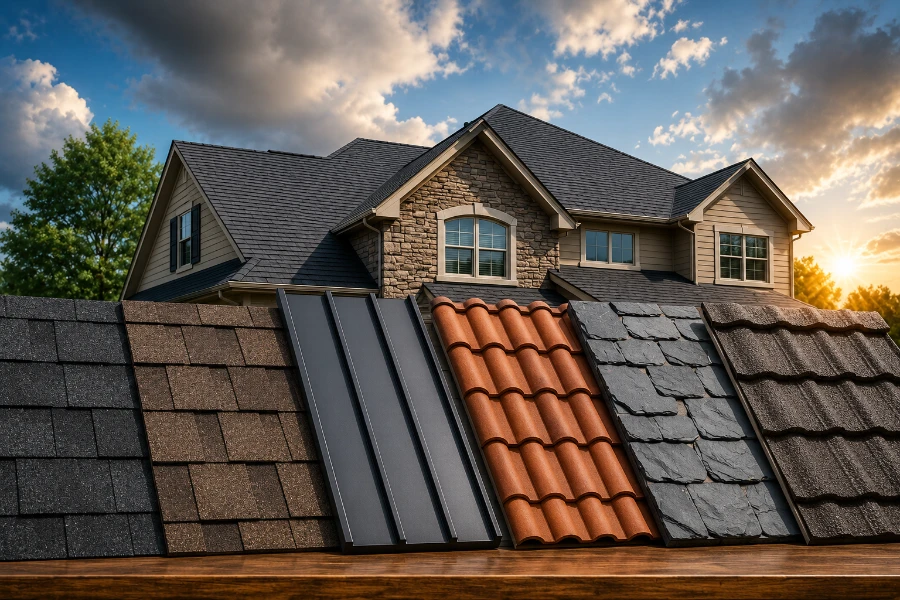
Not every roofing product is treated equally by insurance companies. Certain materials consistently outperform others during severe weather.
Let’s examine the most common options.
Stone Coated Roofing
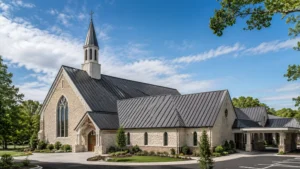
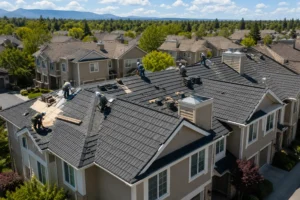
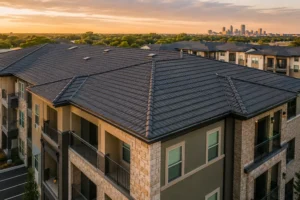
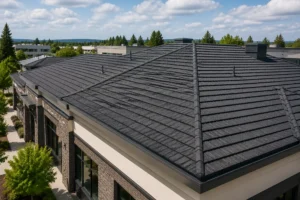
Stone coated roofing has become increasingly popular because it combines the strength of steel with the appearance of traditional roofing materials.
Instead of relying solely on appearance, this roofing system focuses on long-term performance.
Key advantages include:
- Excellent impact resistance
- High wind ratings
- Superior fire resistance
- Exceptional longevity
- Low maintenance requirements
These characteristics often align with what insurers look for when evaluating roofing insurance premium reduction opportunities.
Homeowners comparing premium roofing systems should also read our detailed comparison of stone coated roof vs impact resistant shingles.
Metal Roofing
Metal roofs are well known for durability and longevity.
Benefits include:
- Strong wind performance
- Fire resistance
- Long service life
- Low maintenance
Depending on the specific product and local insurer, metal roofing may also qualify for insurance discounts.
Asphalt Shingles
Traditional asphalt shingles remain the most common residential roofing material.
However, performance varies considerably.
Standard three-tab shingles generally offer the lowest level of protection.
Architectural shingles provide improved durability.
Impact-resistant asphalt shingles perform even better and may qualify for discounts if they meet insurer requirements.
Tile Roofing
Clay and concrete tiles offer excellent longevity and fire resistance.
However, they may crack under heavy impact and often require specialized repairs.
Insurance companies evaluate both their strengths and potential repair costs.
Slate Roofing
Slate roofs can last for generations.
They’re naturally fire resistant and highly durable, although repair expenses tend to be higher than many other roofing materials.
Why Stone Coated Roofing Often Stands Above the Rest
Stone coated roofing combines several protective qualities into one roofing system.
Its layered construction typically includes:
- Steel core
- Corrosion-resistant coatings
- Stone granules
- Protective finish
Each layer contributes to long-term performance.
Instead of cracking like some traditional materials, the steel foundation helps absorb impacts while maintaining structural integrity.
That resilience becomes especially valuable during hailstorms.
High winds also present fewer concerns. Many stone coated roofing systems are engineered to withstand powerful gusts that would damage conventional roofing materials.
The result?
Greater protection for your home and potentially fewer insurance claims over the roof’s lifetime.
Understanding Class 4 Impact Ratings
One of the biggest factors affecting roofing insurance premium reduction is impact resistance.
That’s where Class 4 roofing enters the conversation.
Class 4 represents the highest residential impact rating available under standardized testing.
During testing, steel balls are dropped from specific heights onto roofing samples.
To achieve a Class 4 rating, the roofing material must resist cracking, splitting, or rupturing under controlled impact conditions. Impact testing evaluates how roofing materials respond to sudden deformation, helping manufacturers measure a roof’s ability to resist cracking and structural damage during hailstorms.
Why does this matter?
Because hail causes billions of dollars in property damage every year.
If you’re comparing roofing options for severe weather, our guide on Class 4 roofing insurance discounts explains how impact-resistant roofs can qualify for premium savings while offering superior protection against hail and wind.
If your roof can better withstand hail, insurance companies may view it as less likely to generate expensive claims.
Stone coated roofing systems that achieve Class 4 ratings often become particularly attractive in hail-prone regions.
How Much Can Homeowners Save?
Everyone wants a clear number when discussing roofing insurance premium reduction. The reality, however, is that savings vary depending on several factors. Insurance companies use different underwriting guidelines, state regulations differ, and weather risks aren’t the same across the country.
Still, homeowners who install qualifying impact-resistant roofing systems often position themselves for lower premiums compared to homes with aging or less durable roofs.
The following table offers a general comparison.
| Roofing Material | Potential Premium Reduction | General Outlook |
| Standard Asphalt | Minimal | Limited insurance incentives |
| Architectural Asphalt | Small | Depends on the insurance company |
| Class 4 Asphalt | Moderate | Frequently eligible for discounts |
| Metal Roofing | Moderate | Often viewed as lower risk |
| Stone Coated Roofing | Moderate to Significant | May qualify for larger discounts depending on location and insurer |
Rather than focusing only on premium reductions, consider the complete financial picture.
A stronger roof may provide:
- Lower repair expenses
- Fewer storm-related claims
- Longer replacement intervals
- Better resale value
- Greater protection against severe weather
Combined, these advantages can outweigh the initial installation cost over time.
Other Ways a New Roof Can Reduce Insurance Costs
Insurance discounts represent only one benefit of upgrading your roof. A premium roofing system also helps reduce the likelihood of expensive damage throughout the life of your home.
Fewer Insurance Claims
A durable roof simply stands a better chance of surviving severe weather.
When fewer repairs are needed, homeowners avoid deductibles, minimize disruptions, and maintain a cleaner insurance claims history.
Better Water Protection
Even a small roofing failure can allow water to enter the home.
Moisture doesn’t stop at the attic. It can spread into insulation, drywall, flooring, electrical systems, and even structural framing. Preventing leaks helps avoid some of the most expensive insurance claims homeowners experience.
Improved Wind Resistance
Strong winds can loosen shingles, expose roof decking, and create entry points for rain.
Stone coated roofing systems are engineered to resist high wind uplift, helping keep the roof intact when storms arrive.
Enhanced Fire Protection
Many premium roofing systems carry a Class A fire rating.
That added level of protection may help reduce the risk of catastrophic fire damage while providing additional peace of mind.
Increased Property Value
Homebuyers appreciate homes with newer, high-quality roofing systems.
A premium roof often improves curb appeal while reducing concerns about future maintenance expenses.
How to Qualify for Roofing Insurance Premium Reduction

Installing a premium roofing system is only part of the process.
To maximize your chances of receiving roofing insurance premium reduction, you’ll also need proper documentation and communication with your insurance provider.
Choose an Approved Roofing Product
Select roofing materials that meet recognized testing standards for impact resistance, fire resistance, and wind performance.
Products carrying Class 4 impact ratings often receive the greatest attention from insurance companies.
Hire Experienced Roofing Contractors
Even the highest-quality roofing materials perform poorly if installed incorrectly.
Working with experienced professionals helps ensure your roof meets manufacturer specifications while maximizing long-term performance.
Keep Every Important Document
Organize paperwork related to your new roof, including:
- Manufacturer specifications
- Product certification documents
- Installation invoices
- Warranty information
- Contractor contact details
- Final inspection reports
Having these documents available makes it much easier for your insurance provider to verify eligibility.
Request an Updated Insurance Inspection
Once installation is complete, contact your insurance company.
Ask whether your policy qualifies for roofing insurance premium reduction based on the new roofing system. Some insurers may send an inspector or request supporting documentation before adjusting your premium.
Questions to Ask Your Insurance Company
Before replacing your roof, it’s worth spending a few minutes speaking with your insurance representative.
Consider asking these questions:
- Do you offer discounts for impact-resistant roofing?
- Is Class 4 roofing recognized under my policy?
- Does stone coated roofing qualify for premium reductions?
- What documents do you require after installation?
- Will an inspection be necessary?
- When would any discount begin?
- How often are premium discounts reviewed?
These conversations help eliminate surprises while allowing you to estimate the financial return on your roofing investment.
Common Myths About Roofing Insurance Discounts
Homeowners frequently hear conflicting information regarding insurance discounts.
Let’s separate fact from fiction.
Myth: Every New Roof Automatically Lowers Insurance
Not necessarily.
The roofing material, testing certifications, local weather risks, and your insurance company’s underwriting guidelines all influence whether a discount applies.
Myth: Every Roofing Material Receives the Same Discount
Insurance companies evaluate performance.
A roof designed to resist hail, wind, and fire generally presents less risk than one built with standard materials.
Myth: Roof Age Is All That Matters
Age certainly affects insurance rates.
However, insurers also evaluate impact resistance, installation quality, maintenance history, material type, and expected service life.
Myth: Premium Discounts Never Change
Insurance companies periodically update policies and underwriting practices.
Changes in regulations or company guidelines may affect future discounts.
Additional Benefits Beyond Insurance Savings
Even if your insurance discount is smaller than expected, premium roofing continues providing value year after year.
Greater Peace of Mind
Storm forecasts become less stressful when you know your roof was engineered for demanding weather conditions.
Lower Maintenance Costs
Premium roofing materials generally require fewer repairs throughout their service life.
That means fewer unexpected expenses and fewer interruptions to everyday life.
Improved Curb Appeal
Stone coated roofing combines attractive architectural styling with exceptional durability.
Whether your home features traditional, contemporary, or rustic architecture, stone coated roofing offers styles that complement virtually any design.
Exceptional Longevity
Replacing a roof represents a significant investment.
Fortunately, stone coated roofing is designed to last for decades, reducing the frequency of costly replacements.
Better Long-Term Financial Value
Instead of looking only at the purchase price, evaluate the complete ownership experience.
Consider factors such as:
- Potential insurance savings
- Reduced maintenance costs
- Longer roof lifespan
- Improved resale value
- Better weather protection
- Fewer major repairs
When viewed together, these benefits often make premium roofing systems an outstanding long-term investment.
When Replacing Your Roof Makes Financial Sense
Roof replacement isn’t always an emergency.
However, delaying too long can increase repair costs while reducing your home’s protection.
Replacing your roof may be worthwhile if:
- The existing roof is nearing the end of its service life.
- Storm damage has become more frequent.
- Repairs continue becoming more expensive.
- Insurance premiums have increased significantly.
- You’re preparing to sell your home.
- You want better protection against future severe weather.
Planning ahead often costs less than waiting until extensive damage forces immediate repairs.
Why Stone Coated Roofing Is a Smart Long-Term Investment
When comparing roofing materials, it’s easy to focus on installation costs.
However, the real value appears over time.
Stone coated roofing combines outstanding durability, attractive appearance, and exceptional weather resistance into one complete roofing system. It performs extremely well against hail, wind, fire, and everyday environmental exposure while maintaining its appearance for decades.
Although every insurance company follows its own underwriting standards, many recognize the reduced risk associated with impact-resistant roofing products. That makes roofing insurance premium reduction a realistic possibility for many homeowners.
Even beyond insurance savings, stone coated roofing delivers meaningful financial advantages through lower maintenance costs, fewer repairs, longer service life, and stronger overall protection.
Conclusion
Homeowners insurance premiums continue rising, making every opportunity to reduce long-term costs worth exploring. Fortunately, roofing insurance premium reduction offers one practical way to potentially lower insurance expenses while simultaneously improving your home’s protection.
Insurance companies generally reward homes that present lower risk, and your roof plays a significant role in that evaluation. Choosing durable, impact-resistant materials like stone coated roofing may help qualify your home for premium discounts while reducing the likelihood of costly storm damage.
More importantly, the value extends well beyond your monthly insurance bill. A high-quality roofing system offers greater durability, fewer repairs, enhanced curb appeal, and long-lasting performance that protects your investment for decades.
If you’re considering a roof replacement, speak with both a trusted roofing contractor and your insurance provider before making a decision. By selecting the right roofing system and providing the proper documentation, you can maximize the potential for roofing insurance premium reduction while enjoying the confidence that comes from knowing your home is protected by one of the industry’s most durable roofing solutions.
FAQs
Roofing insurance premium reduction refers to a lower homeowners insurance premium that may be available when you install a roof that reduces the insurer’s risk of future claims.
No. Eligibility depends on your insurance company, the roofing material, its performance ratings, your location, and the terms of your policy.
Impact-resistant roofs are less likely to be damaged by hail and other severe weather, which can reduce the number and cost of insurance claims.
Many stone coated roofing systems are designed to meet high impact-resistance standards, including Class 4 ratings, making them a strong option for homeowners seeking durability.
Savings vary by insurer and location, but qualifying homeowners may receive modest to significant discounts depending on the roofing system and policy.
Not automatically. You’ll typically need to contact your insurance provider, submit documentation, and verify that your policy includes discounts for Class 4 roofing.
Keep your installation invoice, manufacturer specifications, warranty information, product certifications, and any inspection reports for future insurance verification.
Stone coated roofing offers exceptional durability, excellent weather resistance, low maintenance requirements, long service life, and enhanced curb appeal.
Yes. Informing your insurer and providing the necessary documentation can help determine whether your new roof qualifies for available premium reductions.
If your roof is aging, frequently repaired, or vulnerable to severe weather, replacing it with a durable roofing system can improve protection, increase home value, and potentially lower insurance costs.