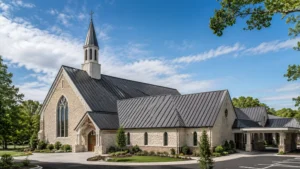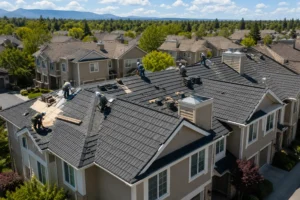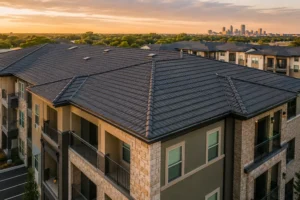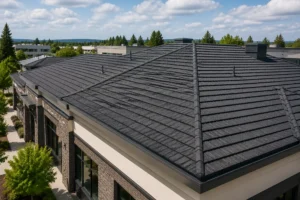
A stone coated steel roof is often marketed as one of the most durable roofing systems available today. Yet homeowners continue searching for information about stone coated steel roof problems before investing thousands of dollars in a new roof.
That’s smart.
Every roofing material has strengths and weaknesses. Asphalt shingles can deteriorate under intense heat. Tile roofs can crack. Wood shakes require ongoing maintenance. Likewise, stone coated steel roofing has potential issues homeowners should understand before making a decision.
The good news is that most stone coated steel roof problems are preventable. In fact, many complaints stem from installation mistakes rather than flaws in the roofing system itself.
Understanding what can go wrong—and how to avoid it—can help you maximize the lifespan of your investment and avoid costly surprises later.
What Is a Stone Coated Steel Roof?
Stone coated steel roofing combines the structural strength of steel with a protective stone-coated finish.
The panels are manufactured using galvanized or steel substrates coated with stone granules that create the appearance of traditional roofing materials such as:
- Asphalt shingles
- Clay tile
- Slate
- Wood shake
This design allows homeowners to enjoy the aesthetic appeal of conventional roofing while benefiting from the durability of metal.
Many stone coated steel roofs can last 40 to 70 years when properly installed and maintained.
However, longevity does not make them immune to problems.
Are Stone Coated Steel Roofs Problem-Free?
No roofing material is completely problem-free.
Even premium roofing systems can experience issues under certain circumstances.
When researching stone coated steel roof problems, it’s important to distinguish between:
| Roofing Problem | Typical Cause |
| Roof leaks | Improper flashing |
| Wind damage | Installation errors |
| Rust concerns | Damaged protective coating |
| Noise complaints | Poor insulation |
| Color variation | Aging and weather exposure |
Many of these issues are avoidable when the roof is installed by experienced professionals.
Improper Installation
Why Installation Matters More Than the Product
If there’s one issue that consistently appears behind stone coated steel roof problems, it’s poor workmanship.
Stone coated steel roofing requires specialized installation methods. Contractors who primarily install asphalt shingles may overlook critical details.
Even small mistakes can create long-term performance issues.
Common Installation Mistakes
Some of the most common errors include:
- Incorrect fastening locations
- Improper panel overlap
- Poor flashing integration
- Inadequate underlayment installation
- Improper ventilation planning
A roof can only perform as well as the installation allows.
Potential Consequences
Installation mistakes may lead to:
- Water intrusion
- Premature roof deterioration
- Reduced wind resistance
- Loose panels
- Expensive repairs
This is why selecting a qualified contractor should never be based solely on price.
Roof Leaks Around Flashings and Penetrations
Many homeowners assume a roof leak means the roofing material has failed.
That’s often not the case.
High-Risk Areas
The most vulnerable sections of any roof include:
- Chimneys
- Skylights
- Plumbing vents
- Valleys
- Dormers
These transitions require precise flashing details to keep water out.
Common Causes of Leaks
Leaks typically occur because of:
- Improper flashing installation
- Sealant failure
- Storm damage
- Poor workmanship
- Aging roof accessories
Interestingly, the stone coated steel panels themselves rarely become the direct source of leaks.
Prevention Tips
The best defense includes:
- Annual roof inspections
- Prompt repair of damaged flashing
- Professional installation
- Regular maintenance
Addressing minor concerns early often prevents larger repairs later.
Noise Concerns During Heavy Rain or Hail
One of the biggest myths surrounding metal roofing is noise.
Many homeowners imagine a loud, echoing roof during every rainstorm.
Modern stone coated steel roofs don’t typically behave that way.
Why the Myth Exists
Older metal roofing systems were sometimes installed over open framing structures.
Sound traveled easily through the building.
Today’s residential systems include multiple layers that dampen noise.
What Reduces Sound?
Most installations include:
- Roof decking
- Underlayment
- Attic insulation
- Ventilation systems
Together, these components significantly reduce sound transmission.
When Noise Becomes a Problem
Excessive noise may indicate:
- Missing insulation
- Improper installation
- Structural concerns
A properly installed stone coated steel roof often sounds very similar to other premium roofing systems during rainfall.
Fading or Loss of Stone Granules
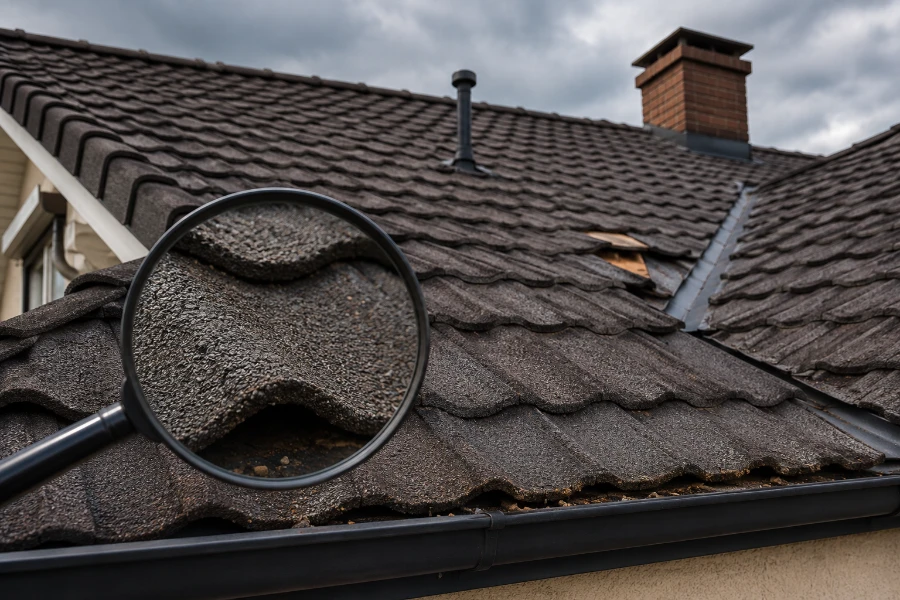
Another concern occasionally associated with stone coated steel roof problems involves granule loss.
What Homeowners May Notice
Shortly after installation, some loose granules may appear in gutters or around downspouts.
This is generally normal.
Manufacturing and transportation can dislodge a small number of granules before installation.
When Granule Loss Is a Concern
Homeowners should investigate further if they observe:
- Large amounts of granule accumulation
- Visible exposed metal
- Significant color inconsistency
- Rapid deterioration
Premium products typically maintain their appearance for decades.
How Manufacturers Address This Issue
Leading manufacturers utilize advanced bonding technologies designed to improve long-term granule retention and weather resistance.
Corrosion and Rust Concerns
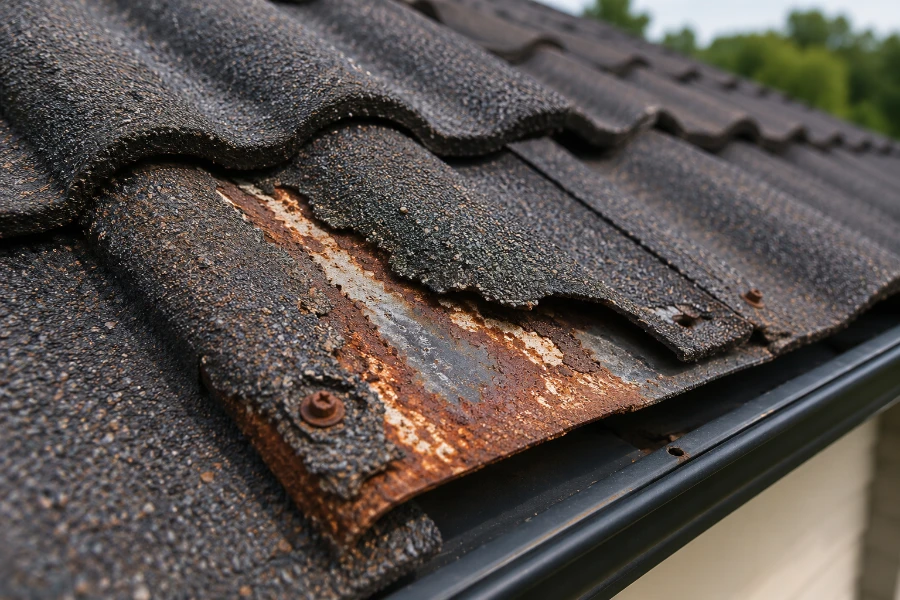
One of the most common questions homeowners ask is whether stone coated steel roofs can rust.
Technically, yes.
Practically, quality systems are specifically designed to resist corrosion.
Why Rust Resistance Is Strong
Modern products often use galvanized steel or Galvalume steel beneath the stone coating. This specialized metal combines aluminum and zinc protection to improve corrosion resistance and extend roof longevity.
Multiple protective layers work together to defend against moisture exposure.
Situations That Increase Rust Risk
Rust concerns become more likely when:
- Panels are deeply scratched
- Salt exposure is extreme
- Standing water develops
- Repairs are neglected
While corrosion remains uncommon, ignoring visible damage can create opportunities for moisture intrusion.
Prevention Measures
Homeowners can reduce risk by:
- Scheduling annual inspections
- Removing debris buildup
- Maintaining gutters
- Repairing damaged areas quickly
Proper maintenance remains one of the simplest ways to avoid long-term stone coated steel roof problems.
Wind Damage and Panel Uplift
Wind is one of the most powerful forces any roofing system will face.
Fortunately, stone coated steel roofs often outperform traditional roofing materials in high-wind environments.
However, problems can still occur when installation shortcuts are taken.
Common Causes of Wind Damage
Wind-related issues often stem from:
- Improper fastening
- Missing components
- Incorrect installation patterns
- Severe storm events beyond design limits
The roofing material itself may be extremely durable, but incorrect installation can undermine that strength.
How Stone Coated Steel Compares to Other Roofing Materials
When evaluating stone coated steel roof problems, it helps to compare them against alternative roofing systems.
| Roofing Material | Typical Lifespan | Wind Resistance | Maintenance Needs |
| Asphalt Shingles | 15–30 Years | Moderate | Moderate |
| Wood Shake | 20–40 Years | Moderate | High |
| Clay Tile | 50+ Years | Moderate | Moderate |
| Concrete Tile | 50+ Years | Moderate | Moderate |
| Stone Coated Steel | 40–70 Years | High | Low |
No roof is immune to weather-related damage. However, stone coated steel roofing generally performs exceptionally well when installed according to manufacturer specifications.
Walking Damage and Foot Traffic Issues
A stone coated steel roof is strong, but it is not designed to be treated like a sidewalk.
Many homeowners are surprised to learn that improper foot traffic can cause damage.
Can You Walk on a Stone Coated Steel Roof?
Yes, but caution is required.
Walking in the wrong location may result in:
- Bent panels
- Cosmetic dents
- Scratched coatings
- Damaged fasteners
- Compromised roof performance
Best Practices for Roof Access
Whenever possible:
- Limit unnecessary roof traffic
- Use qualified roofing professionals
- Follow manufacturer walking guidelines
- Avoid accessing the roof during wet conditions
Even durable roofing materials benefit from careful handling.
Moss, Algae, and Debris Accumulation
Stone coated steel roofs generally resist organic growth better than asphalt shingles.
That said, no roof is completely maintenance-free.
Why Organic Growth Occurs
Moss and algae thrive in environments that remain damp for extended periods.
Contributing factors include:
- Heavy tree cover
- Poor drainage
- Consistent shade
- Debris accumulation
Areas Most Vulnerable
Pay close attention to:
- Roof valleys
- Areas beneath trees
- North-facing slopes
- Low-sunlight sections
Maintenance Recommendations
Simple maintenance practices can significantly reduce the risk of growth:
- Remove leaves regularly
- Clean gutters
- Trim overhanging branches
- Inspect drainage pathways
These steps not only improve appearance but also help extend roof life.
Color Matching Challenges During Repairs
This is one of the lesser-known stone coated steel roof problems.
The issue isn’t necessarily replacing a damaged panel.
The challenge is matching it.
Why Matching Can Be Difficult
Several factors affect appearance over time:
- Sun exposure
- Weathering
- Manufacturing updates
- Natural aging
A replacement panel may look slightly different than surrounding panels that have weathered for years.
How Homeowners Can Prepare
It’s wise to:
- Save extra panels after installation
- Record manufacturer information
- Keep color documentation
- Store warranty paperwork
These simple steps can make future repairs much easier.
Higher Upfront Cost Compared to Asphalt Shingles
Some homeowners consider cost one of the most significant stone coated steel roof problems.
The upfront investment is undeniably higher than traditional asphalt roofing.
Understanding the Investment
Several factors contribute to the price:
- Premium materials
- Specialized installation
- Enhanced durability
- Longer expected lifespan
The initial expense can be substantial.
However, focusing solely on installation cost may not tell the full story.
Long-Term Cost Benefits
When evaluating overall value, homeowners should consider:
- Fewer roof replacements
- Reduced maintenance expenses
- Better weather resistance
- Potential energy savings
For homeowners comparing roofing options, understanding the factors that influence stone coated steel roof cost often provides a clearer picture of long-term value rather than focusing exclusively on the initial investment.
Problems Caused by Poor Contractors, Not the Roof
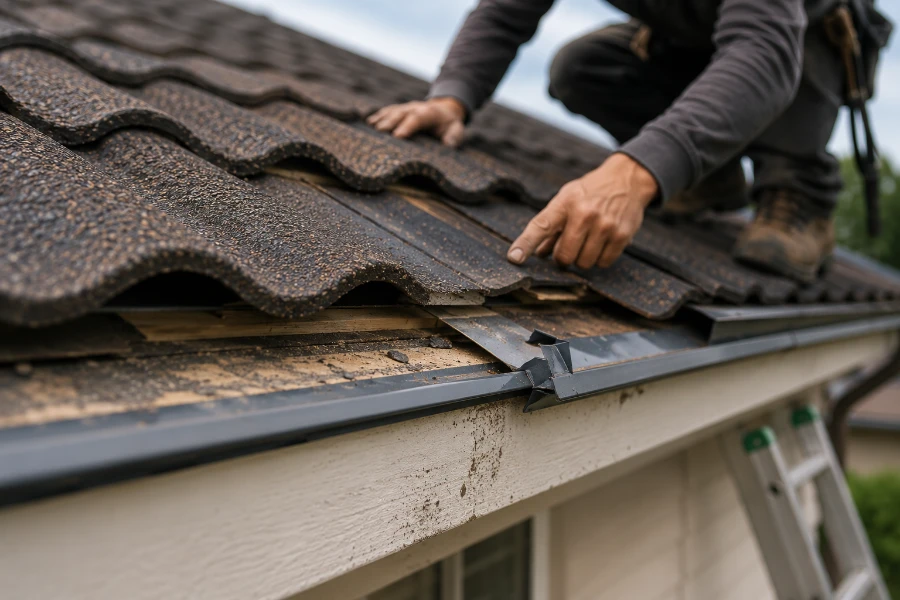
Many reported stone coated steel roof problems can be traced directly to contractor errors.
That’s an important distinction.
A premium roofing product cannot compensate for poor workmanship.
Warning Signs of a Bad Roofing Contractor
Be cautious if a contractor:
- Lacks manufacturer certifications
- Cannot provide references
- Offers dramatically lower pricing
- Has limited metal roofing experience
- Avoids discussing warranties
Questions to Ask Before Hiring
Before signing a contract, ask:
- How many stone coated steel roofs have you installed?
- Are you manufacturer-certified?
- What warranty coverage is included?
- Can I see recent projects?
- What installation process do you follow?
A qualified contractor should answer these questions confidently.
How to Prevent Stone Coated Steel Roof Problems
The best repair is often the one you never need.
Fortunately, many stone coated steel roof problems are highly preventable.
Choose a Reputable Manufacturer
Focus on manufacturers with:
- Strong warranties
- Established track records
- Independent testing certifications
- Proven product performance
Hire Experienced Installers
Installation quality has a direct impact on:
- Leak resistance
- Wind performance
- Roof longevity
- Warranty compliance
Selecting experienced professionals remains one of the most important decisions homeowners can make.
Schedule Regular Roof Inspections
Annual inspections can identify:
- Loose fasteners
- Flashing issues
- Sealant deterioration
- Storm damage
- Drainage concerns
Small problems are much easier to address than major repairs.
Follow Maintenance Guidelines
Routine maintenance doesn’t have to be complicated.
In fact, proper stone coated roof maintenance often consists of periodic inspections, debris removal, and prompt attention to minor concerns before they escalate into larger issues.
Address Minor Repairs Quickly
Ignoring small problems rarely saves money.
In many cases, delaying repairs simply allows damage to spread.
Prompt action protects both the roof and the underlying structure.
Are Stone Coated Steel Roof Problems Common?
After reviewing these potential concerns, some homeowners wonder whether stone coated steel roofing experiences more problems than competing materials.
The evidence generally suggests otherwise.
Most properly installed systems perform exceptionally well for decades.
When issues arise, they typically involve:
- Improper installation
- Contractor mistakes
- Lack of maintenance
- Extreme weather conditions
- Deferred repairs
Compared to many roofing alternatives, stone coated steel roofing maintains an impressive reputation for durability and reliability.
When Should You Be Concerned About Your Roof?
Even high-performance roofs require periodic evaluation.
Certain warning signs should never be ignored.
Schedule a Professional Inspection If You Notice:
- Water stains on ceilings
- Loose roofing panels
- Visible corrosion
- Excessive granule loss
- Missing accessories
- Storm-related impacts
Early intervention often prevents larger repair bills.
Additionally, roof performance contributes significantly to protecting the home’s overall building envelope, making timely inspections especially important after severe weather events.
Final Thoughts
Every roofing material has advantages and disadvantages.
Stone coated steel roofing is no exception.
However, many of the stone coated steel roof problems homeowners encounter are not caused by the roofing system itself. Instead, they are frequently linked to installation errors, neglected maintenance, or contractor inexperience.
That’s encouraging news.
Why? Because those risks are largely controllable.
By choosing a reputable manufacturer, hiring experienced installers, and following a simple maintenance plan, homeowners can dramatically reduce the likelihood of future issues.
Ultimately, a properly installed stone coated steel roof offers exceptional durability, impressive weather resistance, low maintenance requirements, and a lifespan that can outperform many traditional roofing systems.
For homeowners seeking a long-term roofing solution, understanding stone coated steel roof problems isn’t about finding reasons to avoid the product. It’s about making informed decisions that help ensure decades of reliable performance.
FAQs
Stone coated steel roofs can leak if flashing, sealants, or installation details fail. The roofing panels themselves are rarely the direct source of leaks.
Quality stone coated steel roofs are designed to resist corrosion, but rust can develop if the protective coating becomes damaged and repairs are neglected.
Most stone coated steel roofs last between 40 and 70 years when properly installed and maintained. Some systems may perform even longer under favorable conditions.
No. Modern stone coated steel roofs are typically installed with underlayment, decking, and insulation that significantly reduce noise levels during rainstorms.
Stone coated steel roofs generally offer excellent hail resistance, but exceptionally large hailstones can still cause cosmetic damage or dent certain components.
Minor granule loss can occur over the years, but premium products are engineered to retain their stone coating for decades under normal conditions.
Many homeowners believe so because of the roof’s long lifespan, durability, low maintenance requirements, and resistance to severe weather.
Yes, but it should be done carefully and according to manufacturer guidelines. Improper foot traffic can damage panels or affect the roof’s appearance.
Most experts recommend a professional inspection at least once a year and after major storms to identify potential issues before they become serious.
Improper installation is one of the leading causes of stone coated steel roof problems. Hiring an experienced contractor can prevent many common roofing issues.